
Main Courses
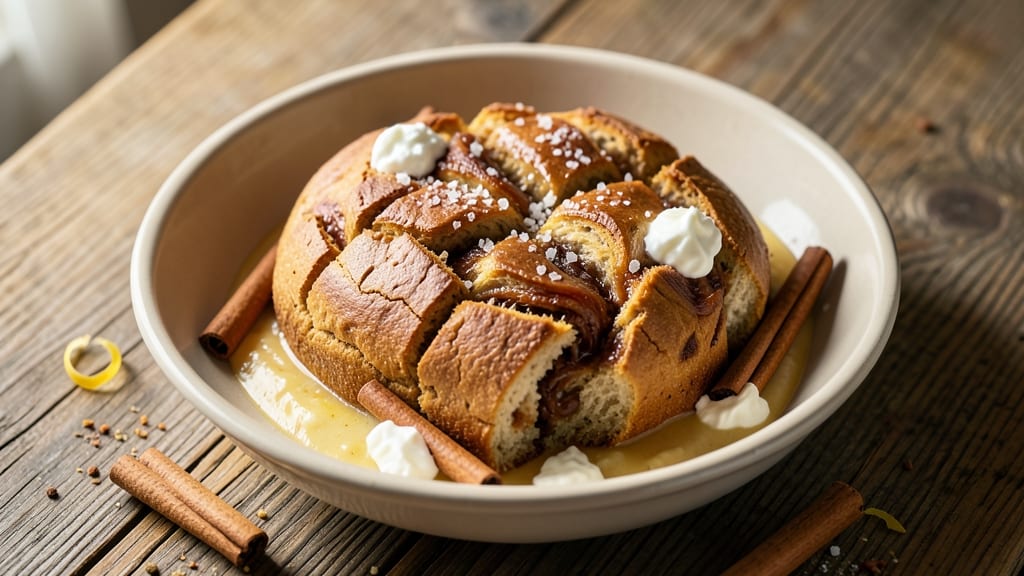
This Amish friendship bread recipe transforms a classic homestyle loaf into a decadent two-layer masterpiece by pairing golden, spiced swirls with a rich pudding mix filling.
The traditional hand-kneaded dough develops a crispy crust and tender crumb, while the pudding mix creates a gooey, custard-like center that melts with every bite. I've perfected the balance between old-world techniques and modern convenience—no yeast substitutes or shortcuts that compromise authenticity.
The secret to achieving that signature Amish flavor lies in the precise yeast-to-flour ratio and proper proofing time, which develops maximum flavor without overproofing. We'll incorporate the pudding mix either as a filling between dough layers or as a topping that caramelizes beautifully during baking.
This method ensures the pudding stays moist and creamy while the bread develops its signature golden crust.
What you'll end up with is a loaf that combines the comforting warmth of traditional Amish friendship bread with the nostalgic sweetness of pudding mix—perfect for holiday gatherings or special family meals.
The aroma alone will fill your kitchen with memories of homemade baking, while the texture delivers crispy edges, tender crumb, and a gooey pudding center that's impossible to resist.
This recipe serves 8-10 people and can be prepared ahead, making it ideal for meal prep or gifting. Store leftovers in an airtight container for up to 5 days, or freeze for longer storage.
The combination of techniques ensures both authenticity and convenience, delivering restaurant-quality results with a touch of Amish tradition.
Ingredients for amish friendship bread recipe with pudding mix
Golden swirls, spiced dough, and pudding mix that melts perfectly—this loaf delivers Amish tradition with modern convenience.
| Ingredient | Amount | Notes |
|---|---|---|
| All-Purpose Flour 🌾 | 7 cups | White or bread flour preferred |
| Granulated Sugar 🍚 | ½ cup | For dough sweetness |
| Active Dry Yeast 🍞 | 2 ¼ tsp | Fresh yeast if available |
| Unsalted Butter 🧈 | ½ cup | Cold and cubed |
| Large Eggs 🥚 | 2 whole | Room temperature |
| Milk 🥛 | 1 cup | Warm for yeast activation |
| Salt 🧂 | 1 tsp | Diamond Crystal preferred |
| Ground Cinnamon 🌿 | 2 tsp | For spiced swirls |
| Ground Nutmeg 🌶️ | ½ tsp | Freshly grated preferred |
| Instant Vanilla Pudding Mix 🍮 | 1 box | Vanilla flavor preferred |
| Whole Milk 🥛 | 1 ½ cups | For pudding mix |
| Large Egg Yolk 🥚 | 1 whole | For pudding richness |
| All-Purpose Flour 🌾 | ½ cup | For pudding coating |
| Brown Sugar 🍚 | ¼ cup | Packed for caramelization |
| Coarse Sugar 🍚 | ¼ cup | For topping crunch |
The flour is non-negotiable here. Bread flour gives that signature chewy texture, but all-purpose works fine if that's what you've got. I always grab my flour from King Arthur—it's consistent and reliable. For the yeast, fresh yeast (if available) gives better results, but active dry works perfectly. Just make sure it's not expired—old yeast won't activate properly. The butter should be cold and cubed for flaky layers, but don't stress if it softens a bit during mixing. Warm the milk to 110°F to activate the yeast without killing it.
No instant pudding mix? Homemade vanilla pudding works too—just mix 1 cup milk, 3 tbsp cornstarch, 2 tbsp sugar, and 1 tsp vanilla. For the swirls, cinnamon and nutmeg are key—don't skip the nutmeg, even if it's just a pinch. Want extra richness? Add 1 tbsp melted butter to the pudding mix. The brown sugar should be packed for that perfect caramelized topping. If you're short on time, pre-made pie filling in a can works in a pinch—just drain the juice first.
This loaf keeps beautifully—3-4 days in an airtight container at room temperature, or up to 1 week in the fridge. For longer storage, freeze the unbaked loaf for up to 3 months. Thaw overnight in the fridge before baking. The pudding layer stays moist for 2-3 days, but the bread itself is best eaten fresh. Slice and freeze individual portions for quick grab-and-go treats. The aroma alone makes this worth the effort—trust me, your kitchen will smell like a bakery.
Why You'll Love This Recipe
- Pantry Magic: I swear by this recipe because it uses what I already have—no fancy ingredients, just flour, sugar, yeast, butter, and eggs. That pudding mix twist? It’s the secret that turns basic dough into something special without extra shopping.
- Sweet & Buttery Bliss: The moment that warm, buttery bread pulls away from the pan? Pure satisfaction. The sugar from the pudding mix caramelizes just enough to give every bite a subtle, comforting sweetness—no overpowering flavors, just rich, golden goodness.
- Breakfast to Dessert: Honestly, I make this for breakfast with jam, but it’s also my go-to for dessert when company drops by. The yeast gives it a light texture, so it’s never heavy—perfect for brunch or a late-night treat when I’m craving something simple but indulgent.
- Zero-Waste Feast: Between us, this recipe makes enough to feed four, and the leftovers? Even better the next day. I’ll be real: I often bake two loaves because it’s cheaper than buying bread, and the dough’s forgiving—no need to stress if it overproofs. Just pop it back in the oven.
Step-by-step instructions for Amish friendship bread with pudding mix
Here's how to create that signature golden crust, spiced swirls, and rich pudding layer—every slice will be a showstopper.
Mix the Yeast Dough to Perfect Elasticity
In a large bowl, whisk together the 1 cup warm milk, 0.5 cup granulated sugar, and 2.25 tsp active dry yeast until dissolved. Let it sit for 5 minutes until foamy—this activates the yeast and ensures a good rise. In a separate bowl, combine the 7 cups all-purpose flour, 1 tsp salt, 2 tsp ground cinnamon, and 0.5 tsp ground nutmeg. Cut in the 0.5 cup cold cubed unsalted butter until the mixture resembles coarse crumbs.
Add the yeast mixture to the dry ingredients and mix with a wooden spoon until a shaggy dough forms. Gradually incorporate the 2 whole room-temperature large eggs, one at a time, kneading by hand until the dough pulls away from the bowl. Turn it out onto a lightly floured surface and knead for 8-10 minutes until smooth and elastic. The dough should spring back when poked—this ensures a tender crumb and good rise.
Prepare the Pudding Layer and Shape the Loaf
While the dough rests, prepare the pudding layer by whisking together the 1 box instant vanilla pudding mix, 1.5 cups whole milk, and 1 whole large egg yolk until thickened. In a small bowl, mix the 0.5 cup all-purpose flour and 0.25 cup packed brown sugar to create a crumbly coating. Roll the rested dough into a 12x18-inch rectangle on a floured surface.
Spread the pudding mixture evenly over the dough, leaving a 1-inch border around the edges. Sprinkle the flour-sugar mixture evenly over the pudding layer. Starting from the long side, tightly roll the dough into a log, sealing the seam. Pinch the ends to prevent unraveling during baking.
Create the Signature Swirl Pattern
Use a sharp knife to cut the log into 12 equal pieces, making vertical slices about 1 inch apart. Gently twist each slice 180 degrees to create the classic swirl pattern. Place the loaf seam-side down in a 9x5-inch loaf pan that's been lightly greased with butter. Cover with a clean kitchen towel and let it rise in a warm place for 1 hour, or until doubled in size.
Here's the thing—don't overproof the dough. It should be puffy but still spring back when poked. If it rises too quickly, the structure will collapse during baking. The swirls should hold their shape but remain flexible enough to maintain the pattern.
Bake to Golden Perfection with Crunchy Topping
Preheat your oven to 350°F. In a small bowl, mix the 0.25 cup coarse sugar with 1 tbsp melted butter to create the topping. Brush the risen loaf with the butter-sugar mixture, pressing the sugar into the top to create those signature crunchy spots. Bake for 45-50 minutes until the top is deep golden brown and the internal temperature reaches 190°F.
I like to tap the bottom of the loaf—when it sounds hollow, it's done. Remove from the oven and let it cool in the pan for 10 minutes before transferring to a wire rack. The crust should be crispy enough to shatter slightly, while the interior remains tender with pockets of that rich pudding layer. Slice while still warm for the best texture contrast.
Rest and Serve for Maximum Flavor
Allow the bread to cool for 20-30 minutes before slicing. This resting period lets the flavors meld and prevents the pudding layer from oozing out too quickly. Each slice should reveal those beautiful swirls of cinnamon-spiced dough and creamy pudding center.
For the ultimate experience, serve warm with a pat of butter melting into the pudding layer. The contrast between the crispy crust, tender crumb, and rich pudding makes every bite worth the effort. Store any leftovers in an airtight container for up to 3 days, though I doubt they'll last that long!
Pro Tips For Making Amish Friendship Bread Recipe With Pudding Mix
- Test Yeast First: Mix a pinch of your active dry yeast with warm pudding mix liquid (about ¼ cup) and 1 tsp sugar—wait 10 minutes for bubbles. If nothing happens, your yeast is dead or your oven’s too hot. I learned this the hard way after baking a sad, flat loaf because I assumed my yeast was fine.
- Melt Butter Slowly: Warm the unsalted butter in the pudding mix liquid over low heat until just melted—no sizzling. Overheating turns it greasy, and your bread will taste like a buttery disappointment. (Yes, even if you’re impatient like me.)
- Skip Overmixing Dough: Stir the pudding mix, flour, and yeast together just until combined—lumpy is fine. Overworking it toughens the gluten, and your bread will end up dense instead of light and fluffy. My grandmother swore by this, and she was right.
- Grease Loaf Pans Well: Coat the pans with butter or oil and dust with flour—don’t skip the corners. The pudding mix is sticky, and bread will stick like glue if you’re lazy. I was skeptical until I tried it, and now I double-check every time.
Pro cooking tips for amish friendship bread recipe with pudding mix
Yeast Activation
Let your yeast work its magic by activating it properly in warm milk. I always use milk heated to 110°F—this temperature is perfect for yeast activation without killing it. Let the yeast sit with the sugar for 5-7 minutes until you see bubbles forming on the surface.
This step ensures your dough will rise properly and develop that signature Amish texture. If your kitchen is cold, place the bowl in a warm oven (turned off) with the light on for 5 minutes to help activate the yeast faster. 🌡️
Dough Kneading
Hand-kneading is key for authentic Amish friendship bread. Work the dough on a lightly floured surface for 8-10 minutes until it's smooth and elastic. You'll know it's ready when it springs back when poked. I find using a wooden dough scraper helps prevent sticking and makes the process easier.
If your dough feels too sticky, add flour 1 tablespoon at a time—but don't overdo it, or your bread will become dense. The goal is a dough that's soft but not gummy. 💪
Pudding Layer Tricks
For the pudding layer, I recommend using instant vanilla pudding mix for convenience, but homemade works too. Whisk the pudding mix with milk until it's thick and smooth—this prevents it from being watery during baking. Spread it evenly over the dough, leaving that 1-inch border to avoid leaks.
If you're worried about the pudding oozing out, chill the dough for 15 minutes before cutting the swirls. This helps the layers hold together better during baking. 🍮
Swirl Pattern
Creating those signature swirls takes practice, but here's my pro tip: use a sharp chef's knife and cut the log into 12 equal pieces. Twist each slice 180 degrees—don't over-twist, or the swirls will unravel. Place the loaf seam-side down in the pan to ensure even rising.
If your swirls look uneven, gently press them down with your fingers to create a smooth surface. This step makes all the difference in the final presentation. ✨
Baking Temperature
Bake at 350°F for 45-50 minutes—this temperature ensures a golden crust without burning the top. I like to tap the bottom of the loaf before removing it from the oven. If it sounds hollow, it's done.
For extra crunch, brush the top with melted butter and sprinkle with coarse sugar right after baking. This creates those beautiful caramelized spots that make the bread look (and taste) even more impressive. 🔥
Resting Time
Never skip the 20-30 minute resting period after baking. This allows the pudding layer to set slightly and prevents it from oozing out when you slice. I also recommend letting the bread cool in the pan for 10 minutes before transferring it to a wire rack.
This helps maintain the shape of those beautiful swirls. Serve warm for the best texture—each bite should have that perfect contrast of crispy crust, tender dough, and creamy pudding. 💛
Nutrition facts
Frequently asked questions
Can I use a different flavor of pudding mix?
While vanilla is traditional, chocolate or butterscotch pudding mix works beautifully too. For chocolate, reduce the sugar in the dough slightly (about 0.25 cup) to balance the sweetness. Butterscotch pairs wonderfully with the warm spices in the dough. Just ensure the pudding mix is instant for best texture.
Why does my dough feel too sticky?
Sticky dough is normal during kneading, but if it's unworkable, you've likely added too much flour. The ideal dough should be soft but not gummy. Add flour 1 tablespoon at a time while kneading, but avoid over-flouring—this can make the bread dense. If your kitchen is humid, chill the dough for 15 minutes before shaping to reduce stickiness.
Can I make this recipe without a loaf pan?
Yes! Shape the twisted loaf into a freeform oval on a baking sheet lined with parchment paper. Bake at 350°F for 35-40 minutes, rotating halfway for even browning. The crust will be slightly thicker, but the pudding layer will still melt perfectly. Brush with melted butter and sprinkle with coarse sugar for that signature crunch.
How do I store leftovers?
Wrap cooled slices in plastic wrap or store in an airtight container. Room temperature is fine for 2-3 days, while refrigeration extends freshness to 5 days. For longer storage, freeze individual slices for up to 3 months. Thaw at room temperature for 1 hour—microwaving can make the pudding layer rubbery.
What if my swirls don't hold their shape?
Uneven swirls usually mean the dough was overproofed or twisted too aggressively. Chill the dough for 15 minutes before cutting to firm it up. Twist slices just 180 degrees (not 360°), and place the loaf seam-side down in the pan. If they still flatten, gently press them back into shape before baking—they'll hold better during proofing.