
Side Dishes
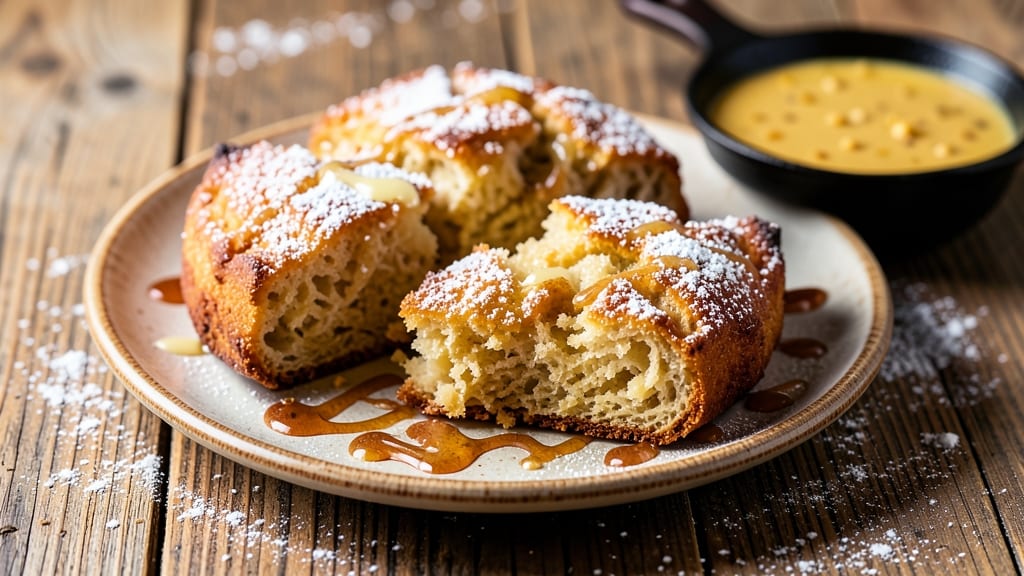
This Amish fritter bread delivers the golden crispy bites you crave with every buttery crunch. 🌟 The secret lies in a simple dough that transforms into tender, airy pockets when fried to perfection—just like the beloved treat from Pennsylvania Dutch kitchens.
What makes this recipe special is its foolproof method, ensuring you achieve that signature texture without fuss.
The process begins with a basic dough that's rolled thin and cut into squares, then fried until golden brown. The result? A crisp exterior that gives way to soft, pillowy centers—each bite is a perfect balance of textures.
This traditional recipe has been passed down through generations, offering a taste of Amish heritage with every serving.
By the time you're done, you'll have a batch of fritter bread that's ideal for breakfast or dessert. Serve warm with jam, honey, or even a sprinkle of cinnamon sugar for extra flavor. The aroma alone will fill your kitchen with nostalgia, making it a dish worth perfecting.
Whether you're making it for a family gathering or a cozy weeknight treat, this recipe delivers restaurant-quality results at home. Let's get started on creating these classic golden bites!
Ingredients for amish fritter bread
Pantry staples meet Pennsylvania Dutch tradition—simple ingredients for golden, crispy fritter bread bites.
| Ingredient | Amount | Notes |
|---|---|---|
| All-Purpose Flour 🌾 | 3 cups | Sifted for light texture |
| Granulated Sugar 🍚 | ½ cup | White or light brown |
| Baking Powder 🧂 | 1 tbsp | Aluminum-free preferred |
| Salt 🧂 | ½ tsp | Fine sea salt |
| Unsalted Butter 🧈 | ½ cup | Cold, cubed for dough |
| Milk 🥛 | ½ cup | Room temperature |
| Large Eggs 🥚 | 1 whole | Room temperature |
| Vanilla Extract 🌿 | 1 tsp | Pure vanilla preferred |
| Vegetable Oil 🫒 | 2 cups | For deep frying |
| Cinnamon Sugar 🍯 | ½ cup | For coating (optional) |
Flour is the backbone here. King Arthur or Gold Medal brands work best for that tender crumb—avoid self-rising unless you adjust the baking powder. Butter matters too: Plugrá or Land O'Lakes are solid choices, but nothing beats the flavor of European-style butter if you can find it. The milk should be room temperature to blend smoothly into the dough. I always grab whole milk from the dairy section—it's richer and makes a difference in texture. For the oil, vegetable or canola is perfect for frying, but keep it at 350°F for that classic golden color.
No vanilla extract? Vanilla bean paste works too, or even a pinch of ground vanilla bean if you're feeling fancy. Short on milk? Heavy cream or buttermilk both work in a pinch—just know the texture might shift slightly. The cinnamon sugar coating is optional but worth it: mix equal parts sugar and cinnamon (a Trader Joe's spice rack has pre-mixed stuff if you're lazy). For the dough, don't overwork it—just mix until it comes together. And if your frying oil gets too hot, pull it off the heat for 30 seconds to cool it down before adding more dough.
Dough keeps 2 days wrapped in plastic in the fridge, or 3 months frozen in a sealed bag. The fried fritters? Best eaten fresh, but reheat in a 350°F oven for 5 minutes if you've got leftovers. I always make extra—freeze them in a single layer first to prevent sticking, then bag them up. Store the cinnamon sugar in an airtight jar; it stays fresh for 6 months that way. These reheat beautifully, so they're perfect for quick breakfasts or dessert cravings.
Why You'll Love This Recipe
- No Fuss, Same Magic: I swear by this dough—just flour, sugar, butter, and baking powder. No yeast, no waiting, no stress. Mix it, fry it, eat it. That’s it. Honestly, I’ve made it while chatting on the phone, and it still turns out golden and tender.
- Sweet But Not Cloying: The sugar caramelizes just enough to give it that crispy edge, but the flour keeps it light. Not too sweet, not too plain—it’s the kind of bread that disappears faster than you can say “second slice.” Between us, the butter makes all the difference.
- Breakfast, Snack, or Side: Serve it warm with jam for breakfast, pack slices in lunches, or tear it over soup. It’s my go-to when I need something quick but still feels special. Even my picky 10-year-old grabs it first thing in the morning.
- Budget-Friendly Staple: Four ingredients, minimal waste. A single batch feeds my family for days, and the leftovers? Toast them or reheat in a pan—still just as good. I’ll be real: this recipe saved me $20 last month by cutting out store-bought bread.
Step-by-step instructions for Amish fritter bread
Here's how to make these golden, buttery fritters with a perfect crunch every time.
👨🍳 Step 1: Mix the Dough for Light, Airy Texture
In a large mixing bowl, combine the 3 cups all-purpose flour, 0.5 cup granulated sugar, 1 tbsp baking powder, and 0.5 tsp salt. Whisk everything together until smooth—this ensures no lumps in your final dough. I like to use a whisk for this step because it aerates the flour better than just stirring with a spoon.
Next, cut in the 0.5 cup cold cubed butter using a pastry cutter or your fingers. Work quickly to keep the butter cold—this creates those beautiful flaky layers. You're looking for a mixture that resembles coarse crumbs with pea-sized butter pieces scattered throughout. If the butter starts to melt, chill the bowl in the refrigerator for 5 minutes to firm it up again.
🍳 Step 2: Add Wet Ingredients and Form the Dough
Make a well in the center of your dry ingredients and pour in the 0.5 cup room temperature milk, 1 whole large egg, and 1 tsp vanilla extract. Using a wooden spoon or your hands, gently mix everything together until a soft dough forms. Be careful not to overmix—just combine until everything comes together.
Once the dough is formed, turn it out onto a lightly floured surface and knead it gently 5-6 times until smooth. The dough should be slightly sticky but not wet. If it's too dry, add 1 tsp milk to help bind it together. Wrap the dough in plastic wrap and refrigerate for 30 minutes—this resting period helps the gluten relax and makes the fritters extra tender.
🔥 Step 3: Prepare the Frying Oil for Perfect Crispiness
While the dough rests, fill a deep skillet or Dutch oven with 2 cups vegetable oil and heat it over medium heat until it reaches 360°F on a deep-fry thermometer. If you don't have a thermometer, test the oil by dropping in a small piece of dough—it should sizzle and float to the surface within 10 seconds. This is your perfect frying temperature for that golden, crispy exterior.
Keep the oil at 360°F throughout frying. If the temperature drops below 350°F, the fritters will absorb too much oil and become greasy instead of crispy. I like to maintain a small amount of oil splatter—this tells me the oil is hot enough for frying.
🍳 Step 4: Fry the Fritters to Golden Perfection
Roll the chilled dough out to about ¼-inch thickness on a floured surface. Using a 2-inch round cutter, cut out circles and gently place them into the hot oil. Fry 2-3 fritters at a time—overcrowding will lower the oil temperature and make them greasy. Fry for 2-3 minutes per side until they're golden brown all over. You'll see little bubbles form on the surface—that's your signal they're ready to flip.
As you fry, place the cooked fritters on a paper towel-lined plate to drain excess oil. For extra flavor, immediately roll each warm fritter in the 0.5 cup cinnamon sugar while they're still hot. The sugar will melt slightly from the residual heat, creating that perfect sweet-and-crunchy coating. Work quickly so they don't cool down too much.
⏰ Step 5: Serve Warm for Maximum Enjoyment
Let the fritters rest for 2-3 minutes before serving—this allows any remaining oil to absorb slightly and the interior to set. They should be light, crispy on the outside, and soft and fluffy on the inside. Serve warm with your favorite dipping sauce or enjoy them plain while they're still crisp.
These fritters are best eaten fresh, but you can reheat them in a 350°F oven for 5-7 minutes if needed. The secret to their perfect texture lies in keeping the oil hot and frying them in small batches. Don't be tempted to rush this step—patience ensures that crispy exterior we're all craving!
Pro Tips For Making Amish Fritter Bread
- Use Cold Butter Cubes: Cut that butter into ½-inch cubes and freeze them for 10 minutes before mixing—this keeps the dough from turning greasy and ensures those tiny pockets of butter create flaky layers when fried. I learned this the hard way after my first batch turned out dense and oily.
- Mix Just Until Combined: Once you add the sugar and butter to the dry ingredients, stop mixing as soon as everything looks unified. Overworking the dough activates the gluten, and you’ll end up with tough, chewy fritters instead of light, airy ones. Think "just enough to bring it together," not "until it’s smooth."
- Test the Oil Temp: Drop a small piece of dough into the oil—if it sizzles and rises to the surface within 10 seconds, the oil’s ready. Too cool? The fritters will absorb oil and turn greasy. Too hot? They’ll burn on the outside before cooking through. A candy thermometer around 350°F (175°C) is your best friend here.
- Let Dough Rest 10 Minutes: After mixing, give the dough a quick 10-minute rest at room temperature. This relaxes the gluten and lets the baking powder activate fully, so your fritters puff up evenly instead of spreading flat. I skip this when I’m in a rush, and the results are noticeably less tender.
Regional styles of this recipe
Pennsylvania Dutch Roots
The Amish fritter bread traces back to Pennsylvania Dutch settlers who brought their baking traditions to America in the 18th century. These crispy treats were originally made with simple, hearty ingredients—flour, milk, and butter—reflecting the Amish principle of Gelassenheit (contentment) through resourcefulness.
The frying method became popular because it required minimal equipment, perfect for large families and communal gatherings. 🌾
Ohio Amish Twist
In Ohio's Amish communities, fritter bread often includes a touch of cardamom or nutmeg in the dough for warmth, especially during winter. The dough is sometimes rolled thicker—about ⅜ inch—to create heartier, denser fritters.
Locals often serve them with apple butter instead of cinnamon sugar, a nod to Ohio's orchard-rich landscapes. This variation keeps the classic texture but adds a spiced depth.
Indiana's Sweet Variation
Indiana's Amish bakers frequently add lemon zest to the dough for brightness, balancing the richness of the butter. The fritters here are often cut into squares instead of circles, making them easier to stack for serving.
A signature touch is dusting them with powdered sugar immediately after frying, creating a delicate, snowy finish. This regional style is especially popular at Amish market stalls across central Indiana.
Texas Amish Adaptation
In Texas, where Amish communities blend Southern influences, fritter bread sometimes incorporates pecans into the dough or as a topping. The oil temperature is often kept slightly lower (350°F) to prevent the nuts from burning.
These fritters are frequently served with blackberry jam, a nod to Texas's abundant fruit crops. The result is a fusion of crispy, nutty, and tangy flavors that reflect the region's culinary creativity.
Modern Homestyle Updates
Today's home cooks often experiment with gluten-free flour blends (like King Arthur Measure for Measure) to keep the tradition inclusive. Some add vanilla bean paste for deeper flavor or a pinch of sea salt to the cinnamon sugar for contrast.
The key remains the same: maintaining that perfect 360°F oil temperature for that signature golden crunch. These updates prove that while traditions endure, innovation keeps the recipe fresh. 💫
Nutrition facts
Frequently asked questions
Can I bake Amish fritter bread instead of frying it?
For a baked version, preheat your oven to 375°F and brush the cut-out circles with melted butter before baking on a parchment-lined sheet for 12-15 minutes until golden. The texture will be softer and less crispy, but still delicious—just reduce the oil to 1 tbsp in the recipe and add 1 extra egg for moisture.
Why did my fritters turn out greasy instead of crispy?
Greasy fritters usually mean the oil wasn't hot enough (350°F minimum) or you overcrowded the pan. Keep batches small (2-3 at a time) and maintain the oil temperature—drop a tiny dough piece in to test. Also, pat the dough pieces dry before frying to remove excess moisture that causes oil absorption.
How do I store leftover fritter bread?
Keep them crispy by storing in an airtight container at room temperature for 2 days. For longer storage, freeze them on a tray first (to prevent sticking), then transfer to a bag for up to 1 month. Reheat in a 350°F oven for 5 minutes—the key is low heat to restore crispiness without drying them out.
What's the best way to cut the dough for fritters?
Use a 2-inch round cutter for classic circles, but squares or even freehand shapes work too! For extra-even pieces, chill the dough for 15 minutes before rolling—this prevents stretching. If you don't have a cutter, a glass or cookie cutter will do. Just press firmly but gently to avoid tearing the dough.
Can I make this recipe gluten-free?
Yes! Replace the all-purpose flour with a 1:1 gluten-free baking flour blend (like King Arthur's) and add ½ tsp xanthan gum if your blend doesn't include it. The dough will be slightly stickier, so handle it gently. Expect a slightly denser texture, but the frying process will still create that delicious contrast between crispy and soft.