
Side Dishes
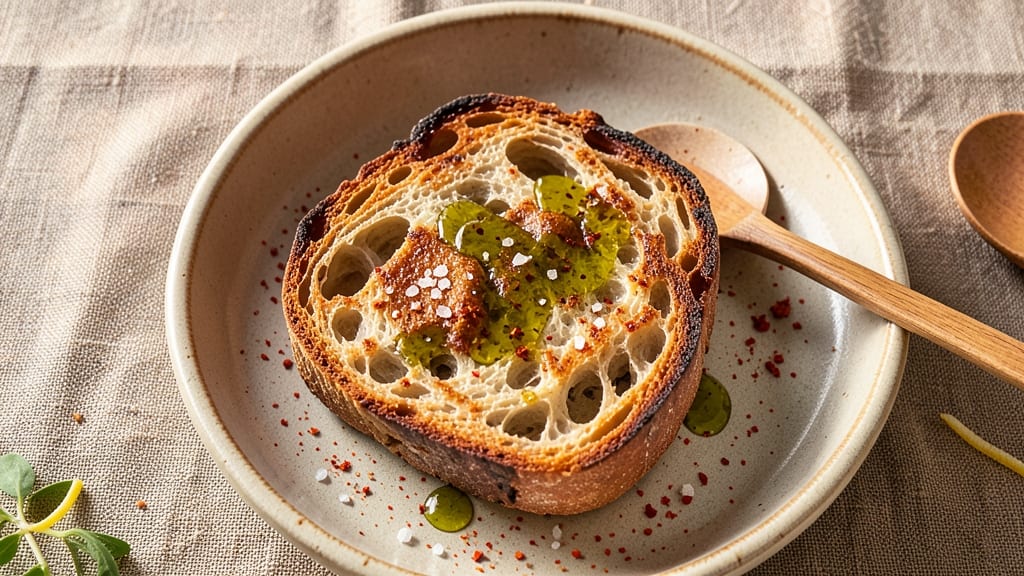
This ancient grains einkorn bread recipe brings back the flavors of wheat as our ancestors knew it—nutty, robust, and packed with history in every bite.
The secret lies in einkorn flour, a primitive wheat variety that produces a bread with a crisp crust and tender crumb, far superior to modern commercial loaves. I developed this recipe after years of experimenting with heirloom grains, and it’s now my go-to for artisanal bread at home.
The process combines traditional techniques with modern convenience: a foolproof dough that requires just 15 minutes of prep before a long, slow fermentation. The result? A loaf with a golden, crackly crust and a moist interior that stays fresh for days.
Unlike dense, heavy breads, this recipe delivers a light yet hearty texture—perfect for slicing, toasting, or serving alongside soups and stews.
What sets this einkorn bread apart is its nutty, slightly sweet flavor, a direct contrast to the blandness of store-bought loaves. The dough’s hydration is carefully balanced to prevent density, ensuring every slice is light and airy.
Whether you’re a bread enthusiast or a beginner, this recipe delivers restaurant-quality results with minimal effort.
Once baked, the bread’s aroma alone will have your kitchen smelling like a rustic bakery. Serve it warm with olive oil and sea salt, or use it as the base for gourmet sandwiches. The versatility of this loaf makes it a staple for any pantry—let’s get baking.
Ingredients for ancient grains einkorn bread
Nine simple ingredients transform into rustic einkorn bread with a crisp crust and nutty crumb.
| Ingredient | Amount | Notes |
|---|---|---|
| Einkorn Flour 🌾 | 3 ½ cups | Stone-ground preferred for texture |
| All-Purpose Flour 🌾 | ½ cup | Balances einkorn's density |
| Active Dry Yeast 🍞 | ¼ oz | Or 2.25 tsp (1 packet) |
| Granulated Sugar 🍚 | 1 tbsp | Feeds yeast for rise |
| Sea Salt 🧂 | 1 ½ tsp | Diamond Crystal preferred |
| Extra-Virgin Olive Oil 🫒 | ½ cup | For dough elasticity |
| Warm Water 💧 | 1 ¼ cups | 105-110°F for yeast activation |
| Honey 🍯 | 1 tbsp | Enhances nutty flavor |
| Whole Milk 🥛 | ¼ cup | Adds richness to crumb |
| Cornmeal 🌽 | ½ cup | For dusting bread pan |
| Ice Water ❄️ | ½ cup | Final dough adjustment |
| Coarse Sea Salt 🧂 | 1 tsp | For crust sprinkle |
Einkorn flour is the star here—Bob's Red Mill or King Arthur brands are my go-tos for consistent results. If you can't find einkorn, whole wheat pastry flour works in a pinch, but the flavor won't be the same. The yeast should be fresh (test by dissolving in warm water with sugar—it should foam in 5-10 minutes). For the milk, whole milk gives the best texture, but 2% works fine if that's what you've got. Honey adds that subtle sweetness—raw local honey if you can get it, but regular grocery store honey is perfectly fine.
No einkorn flour? Substitute with 100% whole wheat flour, but expect a denser loaf. Running short on olive oil? Melted coconut oil works just as well. The cornmeal is key for that perfect crust—don't skip it. If you're baking at high altitude, reduce the yeast by 25% or add 1 tbsp vital wheat gluten to the flour mix. For a sweeter loaf, add 1 tbsp maple syrup to the dough. And if you're feeling fancy, swap the coarse salt for flaky Maldon salt for that gourmet touch.
This dough needs time—8-12 hours for best flavor. Store it in the fridge between kneads if you're baking overnight. The baked loaf keeps 3-4 days wrapped at room temperature, or 1 week in the fridge. For longer storage, slice and freeze—3 months with no quality loss. To revive stale bread, wrap in a damp towel and warm in a 350°F oven for 10 minutes. Perfect for toasting or sandwiches!
Why You'll Love This Recipe
- No-Knead Magic: I swear by this—just mix, let it rise overnight, and bake. That’s it. No standing over the counter, no aching arms, just a dough that practically shapes itself while you sleep.
- Nutty, Toasty Crust: Einkorn’s got that ancient grain depth—warm, slightly sweet, with a crackly crust that’s almost like sourdough but way easier. The all-purpose flour keeps it tender inside, so you get the best of both worlds.
- Weeknight Workhorse: Toss it in the freezer for quick breakfasts or pack it for lunches—it stays fresh for days. Honestly, I make a double batch every Sunday because it’s the only bread my family won’t fight over.
- Budget-Friendly Staple: Einkorn flour is pricier, but this recipe stretches it with all-purpose, so it’s still cheaper than buying artisanal loaves. Plus, one loaf feeds us for days—sandwiches, toast, even crumbled over salads. Versatile like that.
Step-by-step instructions for ancient grains einkorn bread
Here's how to craft a rustic, nutty loaf that captures einkorn's ancient wheat flavor.
Activate the Yeast and Mix the Dough
In a large mixing bowl, combine the 1.25 cups warm water, 1 tbsp granulated sugar, and 0.25 oz active dry yeast. Let this sit for 5-10 minutes until the mixture becomes foamy—this confirms the yeast is alive and ready to work. If it doesn't foam, your yeast might be dead, and you'll need to start over.
Once foamy, add the 3.5 cups einkorn flour, 0.5 cup all-purpose flour, 1.5 tsp sea salt, 0.5 cup extra-virgin olive oil, 1 tbsp honey, and 0.25 cup whole milk. Using a wooden spoon or dough whisk, stir until a shaggy dough forms. The einkorn flour will be denser than all-purpose, so don't worry if the dough feels thick and sticky at first—this is normal. Mix until all ingredients are fully incorporated, about 3-4 minutes.
Knead the Dough for Structure
Turn the dough onto a lightly floured surface and knead for 8-10 minutes by hand, or use a stand mixer with a dough hook attachment for 5-6 minutes on medium speed. You're looking for a smooth, elastic dough that springs back when poked—this indicates proper gluten development. The dough should feel slightly tacky but not overly sticky. If it's too wet, add 1 tablespoon of all-purpose flour at a time until it comes together nicely.
Here's the thing—einkorn dough is different from regular bread dough. It's denser and less elastic, so don't over-knead. Overworking it will make the bread tough. When you're done kneading, the dough should be smooth and just slightly sticky to the touch.
First Rise for Flavor Development
Lightly oil a large mixing bowl, place the dough inside, and cover it with a damp kitchen towel or plastic wrap. Let it rise in a warm place for 1-2 hours, or until it has doubled in size. The dough should feel light and airy when pressed gently—this is your signal that fermentation is working. If your kitchen isn't warm enough, place the bowl near a slightly turned-on oven light or in a warm oven with the light on.
This first rise is crucial for developing the bread's flavor. The longer you let it rise, the more complex the taste will be. However, don't let it rise past doubling—overproofing will cause the bread to collapse during baking.
Shape and Second Rise
Punch down the risen dough to release air, then divide it into 4 equal portions (about 8 ounces each). Shape each portion into a round loaf by pulling the dough toward the center and sealing the seam. Place the shaped loaves on a baking sheet dusted with 0.5 cup cornmeal, spacing them about 2 inches apart. Cover loosely with plastic wrap and let them rise for another 30-45 minutes until they've puffed up noticeably.
For extra flavor, you can also shape the dough into a single long loaf or a freeform shape. Just make sure the dough is tight and the seams are sealed well. The second rise should be shorter than the first—just enough to let the dough expand slightly. This final rise gives the bread its signature texture and open crumb.
Bake to Golden Perfection
Preheat your oven to 375°F and place a baking stone or inverted baking sheet on the middle rack. Once preheated, transfer the risen loaves to the baking stone (or baking sheet) and sprinkle each with 1 tsp coarse sea salt. Bake for 30-35 minutes until the crust is deep golden brown and sounds hollow when tapped on the bottom. If the top browns too quickly, tent the loaves with aluminum foil to prevent over-browning.
Here's where it gets exciting—the einkorn bread will develop a beautiful, nutty aroma as it bakes. The crust should be crisp and crackly, while the interior should be soft and slightly chewy. For best results, bake the bread until the internal temperature reaches 190-200°F—this ensures it's fully cooked without being dry.
Cool and Enjoy
Remove the bread from the oven and let it cool on a wire rack for at least 30 minutes before slicing. This resting period allows the bread to firm up and redistribute its moisture, ensuring each slice is tender and flavorful. Slice the bread and serve it warm with butter, olive oil, or your favorite spread. The einkorn's nutty flavor shines when enjoyed fresh, so don't wait too long!
If you're not serving it immediately, store the bread in an airtight container at room temperature for up to 3 days or freeze it for up to 3 months. The flavor will continue to develop over time, making it even more delicious as it sits.
Pro Tips For Making Ancient Grains Einkorn Bread
- Bloom the Yeast First: Einkorn’s lower gluten means yeast can be picky—skip straight mixing and proof the yeast in warm water with a pinch of sugar first. If it bubbles in 5-10 minutes, your dough’s going to rise right; if not, add another ¼ tsp yeast before proceeding. I learned this the hard way with a flat loaf that looked like a pancake.
- Mix Flours Separately: Combine the einkorn and all-purpose flours in the bowl but weigh them separately—einkorn’s density tricks scales. The all-purpose adds structure, but too much can make the crumb gummy. I now use a 60/40 ratio (einkorn/all-purpose) and adjust by eye if the dough feels sticky but won’t hold shape.
- Don’t Over-Knead: Einkorn dough is fragile—knead just until it pulls away from the bowl (about 8-10 minutes by hand). Overwork it, and you’ll get a tough, chewy loaf instead of that tender, open crumb. My first batch ended up like a hockey puck because I thought "more kneading = better bread." It doesn’t.
- Steam the First 15: Place a metal tray with boiling water in the oven before baking, then close the door for 10 minutes. The steam fights einkorn’s tendency to dry out fast, giving you a crisp crust without burning. I used to skip this and ended up with a loaf that looked like it was baked in a desert. Not ideal.
Dietary considerations for this ancient grains einkorn bread
Gluten-Free Adaptations
Einkorn bread naturally contains gluten, but if you need a gluten-free version, swap the 3.5 cups einkorn flour and 0.5 cup all-purpose flour for a 1:1 gluten-free baking blend like King Arthur Measure for Measure.
Add 1 tbsp xanthan gum to mimic gluten's elasticity. Expect a denser texture—this blend works best when combined with ¼ cup ground flaxseed for moisture retention. 🌾
Low-Carb Option
For a lower-carb loaf, replace 2 cups of the einkorn flour with 2 cups almond flour or coconut flour. Reduce the water to 1 cup since these flours absorb less liquid. Add 1 extra egg for binding and increase honey to 2 tbsp to compensate for sweetness loss.
Bake at 350°F for 40-45 minutes—the crust will be crisper but the crumb denser. 🥜
Dairy-Free Substitutes
Skip the whole milk and replace it with unsweetened almond milk or oat milk for a neutral flavor. For richness, add 1 tbsp melted coconut oil to the dough.
The bread will still be moist but slightly less tender. If using almond milk, add ½ tsp apple cider vinegar to mimic dairy's acidity for better rise. 🥛
Nut-Free Allergy
If nut allergies are a concern, omit the almond flour substitution and stick with the original einkorn blend. For extra moisture in the low-carb version, use sunflower seed flour instead of almond flour.
Sunflower seed flour has a mild, slightly nutty taste that complements einkorn's flavor without actual nuts. Store-bought blends like Bob's Red Mill Nut-Free Baking Flour work well too. 🌻
Sugar-Free Version
Replace the 1 tbsp granulated sugar and 1 tbsp honey with 1 tbsp monk fruit sweetener or erythritol to avoid blood sugar spikes. The bread will still rise but may lack slight sweetness.
For depth, add ½ tsp vanilla extract to the dough. Monitor fermentation closely—sugar-free dough rises slightly slower. 🍯
High-Protein Boost
Increase protein content by adding ½ cup vital wheat gluten to the flour mixture. This creates a chewier texture while maintaining the einkorn's nutty flavor. For a plant-based boost, replace ¼ cup of the einkorn flour with ¼ cup hemp seeds or chia seeds.
The seeds add crunch and omega-3s without altering the bread's structure. 💪
Nutrition facts
Frequently asked questions
Why does einkorn bread taste different from regular bread?
Einkorn has a nutty, slightly sweet flavor because it's an ancient wheat variety with higher protein content and unique phytic acid levels. Unlike modern wheat, it hasn't been bred for high yield—just pure flavor! The honey and olive oil in this recipe enhance those earthy notes while keeping the bread tender. Think of it as wheat's original, unprocessed taste.
Can I make this einkorn bread without a stand mixer?
This dough is designed for hand-kneading. Use a wooden spoon to mix initially, then knead on a lightly floured surface for 8-10 minutes until smooth and elastic. The einkorn flour makes the dough denser than all-purpose, so don't worry if it feels heavier—just keep kneading until it springs back when poked. A dough scraper helps too!
What if my dough doesn't rise properly?
Check these first:
- Yeast freshness—test by dissolving in warm water with sugar (should foam in 5-10 mins).
- Water temp—should be 105-110°F (too hot kills yeast, too cold slows it).
- Warmth—place dough near oven light or in a turned-off oven with light on. If still flat after 2 hours, your yeast may be dead—start fresh with new yeast.
How do I store einkorn bread to keep it fresh longer?
Wrap cooled loaves in a clean kitchen towel (better than plastic) and store at room temp for 3-4 days. For longer storage, freeze slices in a bag for up to 3 months. To revive stale bread, wrap in a damp towel and warm at 350°F for 10 minutes. The crust stays crispy while the crumb stays moist!
Can I substitute einkorn flour with whole wheat?
Yes, but expect a denser texture and less nutty flavor. Use 100% whole wheat flour (no white flour) and add 1 extra tbsp olive oil to compensate for dryness. For best results, let the dough ferment 12+ hours in the fridge to improve texture. The bread will still be delicious—just not as light as with einkorn.