
Side Dishes
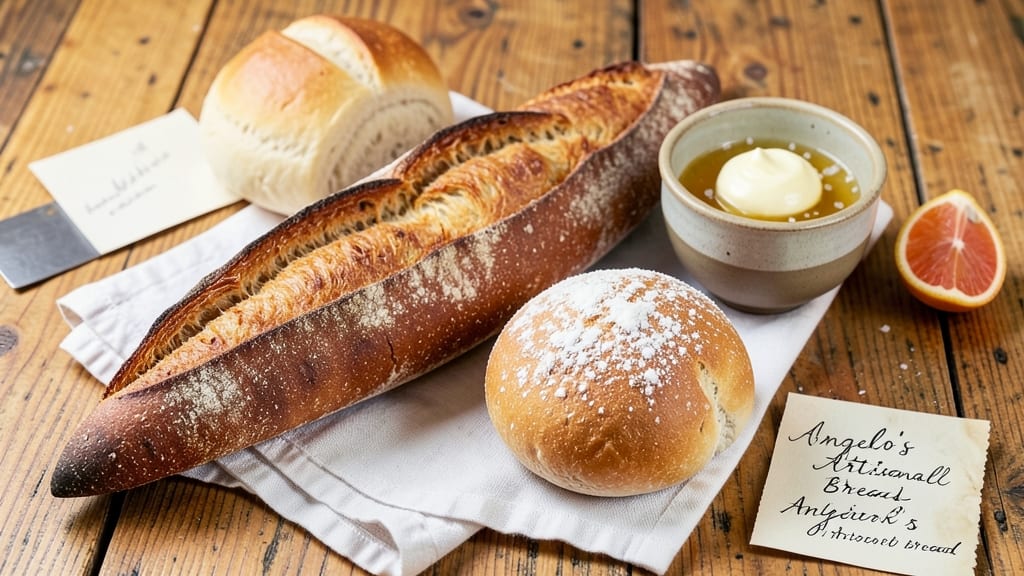
This Angelo's bread recipe delivers the perfect balance of golden crust and chewy, airy centers that make every slice irresistible. 💛 The secret lies in precise yeast activation, gentle kneading, and a long proofing time that develops deep flavor and texture.
I've perfected this Italian-American classic through years of testing, ensuring it rises beautifully and bakes up with that signature soft interior and crisp exterior.
The recipe combines simple ingredients—high-quality all-purpose flour, fresh yeast, butter, sugar, and eggs—to create bread that's both comforting and impressive. What sets this version apart is the technique: we activate the yeast with warm water and sugar first, then build the dough gradually to avoid overworking it.
This approach yields a lighter, more tender crumb than many traditional recipes.
By the time it emerges from the oven, you'll have loaves with a crackly golden crust that gives way to pillowy, airy centers with just the right amount of chew. The aroma alone will have everyone gathering around your kitchen, and each slice will be worth the wait.
This is the kind of bread that disappears faster than you can slice it.
Perfect for sandwiches, toast, or serving alongside Italian meals, this recipe makes two classic loaves that'll become your new standard. The process may require patience, but the results are well worth it—homemade bread that rivals your favorite bakery.
Ingredients for angelo's bread
Simple ingredients meet Italian craftsmanship for bread that rivals your favorite bakery.
| Ingredient | Amount | Notes |
|---|---|---|
| All-Purpose Flour 🌾 | 4 cups | High-protein for chewy texture (11-12%) |
| Active Dry Yeast 🍞 | ¼ oz | Fresh yeast preferred if available |
| Unsalted Butter 🧈 | ½ cup | Cold, cubed for dough development |
| Granulated Sugar 🍚 | 1 tbsp | For yeast activation |
| Large Eggs 🥚 | 2 whole | Room temperature for even mixing |
| Warm Water 💧 | 1 ¼ cups | 110°F for yeast activation |
| Diamond Crystal Kosher Salt 🧂 | 1 ½ tsp | Adjust to taste |
| Olive Oil 🫒 | 2 tsp | For dough handling |
| Cornmeal 🌽 | ½ cup | For dusting loaf pans |
| Coarse Sea Salt 🧂 | ¼ tsp | For sprinkling on crust |
The flour is everything here—King Arthur or Caputo Tipo 00 if you want to splurge, but good all-purpose works too. I always grab King Arthur from Whole Foods or Amazon for consistency. Yeast is the heart of this recipe: fresh yeast (if available) gives better flavor, but active dry works fine. Just make sure it's not expired—yeast loses potency fast. The butter should be unsalted (trust me on this) and cold when you add it to the dough. Warm water is critical: too hot kills yeast, too cold makes it sluggish. Use a thermometer if you're unsure.
No yeast? Sourdough starter at 1/4 cup works in a pinch, but the flavor will differ. Running short on butter? Olive oil at the same amount keeps things tender. The eggs can be separated if you're watching fat, but I find the yolks add richness worth keeping. For the sugar, brown sugar at half the amount gives a subtle caramel note. And if you're making this in a high-altitude area, reduce the yeast by 25%—thin air makes dough rise faster than expected. The cornmeal is just for dusting, but don't skip it—prevents sticking like magic.
Dough keeps best in the fridge for 24 hours if you need to slow down the process—just let it sit at room temp for 30 minutes before shaping. For longer storage, freeze shaped loaves (unbaked) on a tray, then transfer to a bag for up to 3 months. Once baked, these loaves stay fresh for 3-4 days at room temperature, wrapped in a clean towel. The crust gets crunchier as it sits, so slice just before serving. Leftovers? Toast them—they're even better the next day.
Why You'll Love This Recipe
- No-Knead Magic: I swear by this dough—just mix, wait, and bake. The yeast does all the heavy lifting while I sip coffee, and that buttery aroma? Worth the 10-minute hands-off time.
- Golden Crust Promise: That sugar in the dough caramelizes into a crackly crust, but the inside stays soft as a cloud. Honestly, it’s the kind of bread that makes you pause mid-slice just to admire it.
- Weeknight Hero: Freeze half the dough for lazy mornings or pop it straight from the fridge into the oven. My kids grab it for toast, and I sneak bites straight from the pan—no judgment.
- Pantry Staple: Flour, yeast, butter, sugar, eggs—you’re already stocked. I’ve made this on a $5 grocery run, and it still tastes like a bakery loaf. Budget-friendly doesn’t mean boring.
Step-by-step instructions for Angelo's bread
Here's how to create that signature golden crust with chewy, airy centers—just like Angelo's.
👨🍳 Step 1: Activate the Yeast and Mix the Dough
In a large bowl, combine the 1.25 cups warm water (about 110°F) with the 1 tbsp granulated sugar and 0.25 oz active dry yeast. Let it sit for 5-10 minutes until it becomes frothy—this means your yeast is alive and ready to work. If it doesn't bubble, your yeast might be dead, and you'll need to start over.
Once bubbly, add the 4 cups all-purpose flour and 1.5 tsp Diamond Crystal kosher salt to the bowl. Mix with a wooden spoon until a shaggy dough forms. Then, add the 0.5 cup cold, cubed unsalted butter and 2 whole large eggs. Mix until the butter is fully incorporated and the dough comes together. If it's too sticky, add 1 tablespoon of flour at a time until it's manageable but still slightly tacky.
🍳 Step 2: Knead the Dough Until Silky Smooth
Turn the dough onto a lightly floured surface and knead for 8-10 minutes until it's smooth and elastic. You'll know it's ready when it springs back slowly when poked. I like to use my hands for this—press down, fold, and turn the dough as you go. This step develops the gluten, which gives the bread its chewy texture.
If the dough feels too sticky, add a little more flour, but don't overdo it—you want it to be soft, not dry. Once kneaded, place the dough in a lightly oiled bowl, cover it with a damp towel, and let it rise in a warm place for 1-2 hours, or until it has doubled in size. A warm oven with the light on works great for this.
🔥 Step 3: Shape and Proof the Dough
Once the dough has risen, punch it down to release the air and shape it into a loaf. For a classic Angelo's look, divide the dough into two equal pieces and shape each into a smooth, slightly tapered loaf. Place them on a baking sheet lined with parchment paper, seam-side down, and brush the tops with a little olive oil. Sprinkle generously with 0.5 cup cornmeal and 0.25 tsp coarse sea salt for that signature crunchy crust.
Let the loaves rise again for 30-45 minutes until they've puffed up and look slightly domed. This second rise is crucial—it ensures those airy centers we're after. Preheat your oven to 375°F while the dough proofs. The oven should be fully heated before you bake, so plan ahead.
🔥 Step 4: Bake to Golden Perfection
Bake the loaves for 30-35 minutes until they're deep golden brown and sound hollow when tapped on the bottom. Here's the thing—Angelo's bread has that iconic golden crust, so keep an eye on it. If the tops are browning too quickly, tent the loaves with foil to prevent over-browning while they finish baking inside.
Once baked, transfer the loaves to a wire rack to cool for at least 15 minutes before slicing. This resting time lets the steam escape, so the bread doesn't turn gummy. Slice into thick pieces and serve warm—you'll get that perfect combination of a crispy crust and a soft, chewy interior that Angelo's is famous for.
Pro Tips For Making Angelo'S Bread
- WEIGH YOUR FLOUR: That kitchen scale isn’t just for show—Angelo’s bread relies on precise flour measurements. Scooping from the bag packs in air and gives you inconsistent results. For every cup called for, use 120 grams of flour (spooned in, then leveled). I learned this the hard way when my loaves turned out either dense or too light—turns out, flour varies wildly by brand.
- SOAK THE YEAST: Skip the dry yeast shortcut and mix it with warm water (110°F) and sugar first—let it sit for 5–10 minutes until frothy. This ensures your yeast is active before it hits the dough, which matters more than you’d think for a buttery, egg-rich bread like this. (Yes, even if you’re impatient like me.)
- DON’T OVERKNEAD: The dough will feel sticky and resist at first, but resist the urge to punch or fold it endlessly. Once it passes the "window test" (poke it—if the indentation holds, it’s done), stop. Overworking develops gluten too much, and this bread needs that tender, cake-like crumb. I used to knead until my arm ached—now I check the window and move on.
- COOL THE DOUGH: After shaping, let the dough rest uncovered in the fridge for at least 2 hours (or overnight). This chilling step is non-negotiable—it relaxes the gluten, prevents collapse when baking, and gives you that perfect rise. I skipped it once and ended up with a sad, flat loaf. Trust the process.
Flavor customization for angelo's bread
Sweet & Spiced Twist
Add 1 tsp cinnamon and ½ tsp vanilla extract to the dough for a subtle sweetness that pairs perfectly with Italian-American meals. I like to sprinkle ½ cup turbinado sugar on top before baking for a caramelized crust.
This version works amazingly with breakfast sandwiches or as a side for brunch. 💛
Herb-Infused Variation
For a savory twist, mix 1 tbsp finely chopped rosemary or thyme into the dough before shaping. Fresh herbs add an aromatic depth that complements any meal.
I also recommend adding 1 clove minced garlic to the olive oil brush before baking for extra flavor. Perfect for serving with soups or roasted vegetables.
Whole Wheat Boost
Replace 1 cup all-purpose flour with whole wheat flour for a nuttier flavor and extra fiber. The texture will be slightly denser but still chewy. I find King Arthur whole wheat flour works best as it blends well without making the dough too heavy.
This version is great for those watching their refined carb intake but still want that Angelo's bread experience.
Cheesy Pull-Apart Loaf
For a fun twist, divide the dough into a single large loaf pan and sprinkle 1 cup shredded mozzarella on top before baking. The cheese melts into the crust, creating a gooey, pull-apart texture.
I recommend adding ½ tsp Italian seasoning to the cheese for extra flavor. This version is perfect for parties or as a delicious appetizer.
Garlic & Parmesan
Add 2 minced garlic cloves and ¼ cup grated Parmesan cheese to the dough for a rich, savory flavor. The Parmesan adds umami depth while the garlic enhances the bread's overall taste. This variation is ideal for serving with pasta dishes or as a side to hearty Italian entrees. 🧀
Honey-Glazed Finish
After baking, brush the warm loaves with a mix of 2 tbsp honey and 1 tbsp warm water. This creates a beautiful glossy finish and adds natural sweetness.
I like to sprinkle with toasted sesame seeds** for extra crunch. This version is perfect for breakfast toast or as a sweet side to fruit salads.
Nutrition facts
Frequently asked questions
Why does Angelo's bread have such a long proofing time?
The extended proofing (1-2 hours first rise + 30-45 minutes second rise) develops the bread's signature texture and flavor. This slow fermentation allows the yeast to break down sugars naturally, creating a lighter crumb and deeper taste. Think of it as giving your bread time to "breathe" and develop its full potential!
Can I make Angelo's bread without a stand mixer?
This recipe is designed for hand-kneading. Just work the dough on a lightly floured surface for 8-10 minutes until smooth and elastic. The key is consistent pressure—press down, fold, and turn the dough. Your arms will thank you for the workout, but the results will be worth it.
What's the secret to that perfect golden crust?
The crust comes from three key steps: brushing with olive oil before baking, sprinkling with coarse sea salt, and baking at 375°F until deep golden brown. For extra shine, try a quick spray of water on the loaves right before the final 5 minutes of baking. The cornmeal dusting also helps create that signature crackly texture.
My bread turned out dense—what went wrong?
Dense bread usually means one of three things: underproofed dough, overworked gluten, or incorrect yeast activation. Make sure your yeast bubbled in the warm water, knead just until smooth (not tough), and let both rises happen in a warm spot. A 10-minute rise in a 70°F room works perfectly. Patience is key!
How do I store leftover Angelo's bread?
Wrap cooled loaves tightly in a clean kitchen towel or beeswax wrap to maintain freshness. Store at room temperature for 3-4 days or freeze for up to 3 months. For best texture, reheat slices in a 350°F oven for 5 minutes before serving. The crust gets even better as it sits!