
Desserts
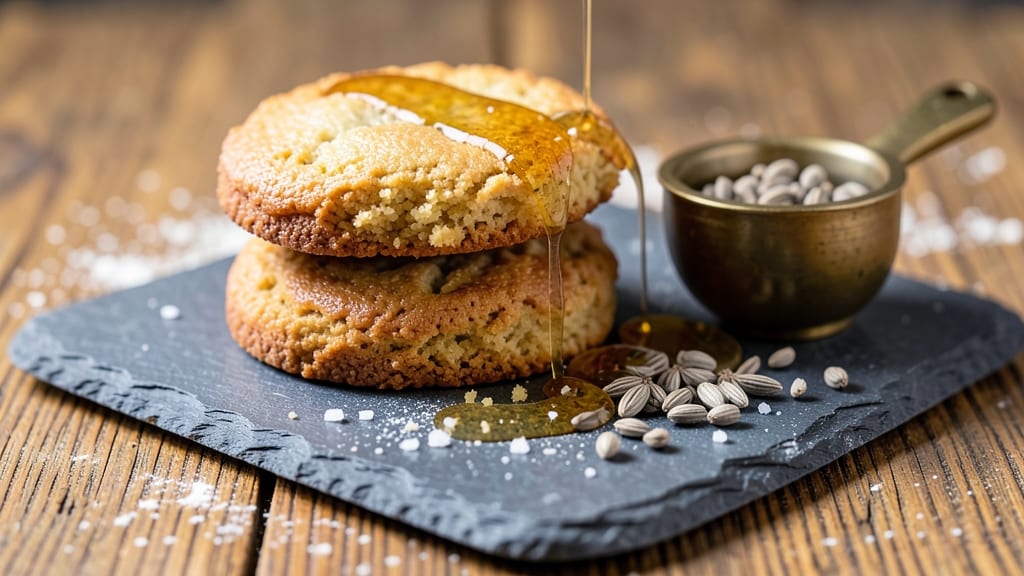
This anise shortbread cookie recipe transforms a classic treat into a sophisticated, licorice-kissed delight with a subtle vanilla swirl. The secret lies in anise seed—ground into the dough for that distinctive, aromatic depth that lingers with every bite.
Unlike traditional shortbread, these cookies develop a delicate crunch while maintaining their signature melt-in-your-mouth tenderness, making them perfect for pairing with afternoon tea or coffee.
What sets these apart is the careful balance of ingredients: cold butter creates the signature crumbly texture, while anise extract (or ground seeds) adds a warm, herbal note that complements the vanilla swirls.
The dough requires a 30-minute chill in the refrigerator to firm up, ensuring clean cuts and even baking. Baked at 325°F for 12-15 minutes, the edges turn golden while the centers stay soft—just as they should be.
The result is a cookie with layers of flavor and texture: a crisp exterior, a crumbly yet tender bite, and a vanilla-infused swirl that ties the anise’s licorice warmth into a harmonious finish.
Dusting with powdered sugar adds a final touch of elegance, making these cookies feel like a bakery secret rather than a homemade treat. The aroma alone will have your kitchen smelling like a European café.
These cookies are ideal for gifting, holiday baking, or simply indulging in a moment of comfort. The anise flavor pairs beautifully with black tea or espresso, creating a pairing that feels both nostalgic and refined.
With just 6 simple ingredients and 15 minutes of active time, you’ll have a batch of cookies that taste like they took hours to perfect.
Ingredients for anise shortbread cookie
Six ingredients elevate classic shortbread with anise's aromatic depth and vanilla swirls.
| Ingredient | Amount | Notes |
|---|---|---|
| Unsalted Butter 🧈 | 1 cup | Cold, cubed for texture |
| Granulated Sugar 🍚 | ½ cup | Superfine preferred for smoothness |
| All-Purpose Flour 🌾 | 2 cups | Sifted for lightness |
| Ground Anise Seeds 🌿 | 1 tbsp | Freshly ground for aroma |
| Vanilla Extract 🍯 | 1 tsp | Pure, high-quality extract |
| Kosher Salt 🧂 | ¼ tsp | Diamond Crystal preferred |
| Powdered Sugar 🍚 | ¼ cup | For dusting finished cookies |
The butter is non-negotiable—European-style unsalted (like Plugrá or Bergère) delivers the richest flavor and proper crumb. Chill it for 30 minutes before creaming to ensure the dough holds its shape. For anise, whole seeds ground fresh in a spice grinder yield the best aroma, though high-quality extract works if you're short on time. The flour should be sifted to avoid dense cookies, and King Arthur or Gold Medal brands are ideal for their protein balance.
No anise seeds? Anise extract at half the amount (½ tsp) mimics the flavor, though texture will differ slightly. Substitute vanilla with vanilla bean paste for extra depth, or swap powdered sugar for confectioners' sugar if unavailable. For a gluten-free version, use a 1:1 gluten-free flour blend (like Bob's Red Mill) but expect a slightly denser cookie. The dough must rest—skip the chill at your peril, as it ensures clean cuts and even baking. Prefer vanilla bean? Seeds scraped from one pod work perfectly.
Wrap the dough in plastic and refrigerate for up to 2 days—it actually improves with time. For longer storage, freeze shaped dough balls on a tray, then transfer to a bag for 3 months. Baked cookies stay fresh 5 days in an airtight tin, though they're best enjoyed within 2 days for peak texture. Dust with powdered sugar just before serving to preserve the crunch. The aroma alone makes these worth the 30-minute chill—trust the process.
Why You'll Love This Recipe
- No-Fuss Dough: I swear, this recipe is three ingredients plus a pinch of magic—just cream butter and sugar, fold in flour, and sprinkle anise. No mixer, no fuss, just 10 minutes of hands-on time before baking. (Yes, even on a Tuesday night.)
- Licorice-Lite Magic: Here’s what sold me—the anise gives a faint licorice whisper without tasting like cough syrup. The vanilla rounds it out so it’s sweet, buttery, and just interesting enough to feel special. Crisp edges, melt-in-your-mouth center? Chef’s kiss.
- Party in a Jar: Between us, these are my go-to for holidays, book club meetups, or just because. Store them in an airtight container for weeks, or freeze the dough balls for last-minute baking. (Pro tip: Sprinkle with flaky salt after baking—trust me.)
- Budget Butter Magic: Unsalted butter and basic flour make this ridiculously cheap to bake in bulk. A single batch yields 24 cookies, and the anise seeds cost pennies. My daughter picks out the seeds like they’re gold dust, but still asks for seconds. Not the prettiest, but the taste makes up for it.
Step-by-step instructions for anise shortbread cookies
Mastering these delicate cookies requires precision and patience—here's how to achieve that signature licorice-kissed crunch with perfect vanilla swirls.
Cut and Chill the Butter
Place the 1 cup unsalted butter in a food processor and pulse until it reaches a coarse crumb texture—about 15-20 pulses. This stage is crucial: the butter should resemble wet sand, with no large clumps remaining. If you're using cold butter straight from the refrigerator, this process will take slightly longer.
Transfer the crumbly butter to a mixing bowl and refrigerate for 20-30 minutes. This chilling step ensures the butter stays firm during mixing, which prevents the cookies from spreading too much in the oven. The cold butter will also create those signature shortbread layers and crisp edges. Don't skip this—room temperature butter leads to flat, cakey cookies.
Combine Wet Ingredients
In the same chilled mixing bowl, add the 0.5 cup granulated sugar, 1 tsp vanilla extract, and 0.25 tsp kosher salt. Using a wooden spoon or rubber spatula, mix these ingredients into the butter until fully incorporated. The mixture should look like wet sand with no dry spots remaining. This stage is where the vanilla and sugar begin to dissolve into the butter, creating the foundation for flavor.
I like to press the mixture together gently to ensure even distribution. The sugar should be completely dissolved, and the vanilla should be evenly distributed throughout. If you're using superfine sugar, this process will go even faster. The mixture should hold together when pressed but still feel slightly crumbly—this is the perfect consistency for shortbread dough.
Incorporate Dry Ingredients and Anise
Add the 2 cups all-purpose flour and 1 tbsp ground anise seeds to the mixing bowl. Using a wooden spoon, gently fold these dry ingredients into the wet mixture until just combined. Be careful not to overmix—shortbread dough should remain crumbly and slightly coarse. Overmixing develops gluten, which leads to tough cookies instead of the delicate, melt-in-your-mouth texture we want.
The anise seeds will give these cookies their distinctive licorice flavor. I recommend freshly grinding the seeds for maximum aroma and flavor. Once incorporated, the dough should come together in a shaggy mass that holds when pressed. If it feels too dry, add 1 teaspoon of ice water at a time until it just comes together. The dough should be cool to the touch—warm dough spreads excessively in the oven.
Shape and Chill the Dough
Divide the dough into four equal portions and flatten each into a 1-inch thick disc. Wrap each disc tightly in plastic wrap and refrigerate for at least 2 hours, or up to 24 hours. This extended chilling is essential—it allows the gluten to relax completely, resulting in tender, crisp cookies. The cold dough also prevents excessive spreading during baking.
I like to chill the dough overnight for even better results. The longer it rests, the more flavor develops, and the more tender the final texture becomes. When ready to bake, remove the dough from the refrigerator and let it sit at room temperature for 10-15 minutes before rolling. This brief warm-up makes the dough more pliable for shaping.
Roll and Cut the Cookies
Preheat your oven to 325°F and line two baking sheets with parchment paper. Working with one disc at a time, roll the chilled dough between two sheets of parchment paper to a ¼-inch thickness. Use a 3-inch round cutter to cut out cookies, gently pressing down to ensure clean edges. Re-roll the scraps and cut additional cookies until you've used all the dough.
The key to perfect shortbread is even thickness. If you press too hard, the cookies will spread; if you roll too thin, they won't be crisp enough. Aim for ¼-inch thickness—this ensures a delicate, crisp cookie with a tender interior. Place the cut cookies on the prepared baking sheets, spacing them 1 inch apart to allow for spreading.
Bake to Golden Perfection
Bake the cookies for 15-18 minutes until the edges are light golden brown and the centers look slightly underbaked. The cookies should feel firm to the touch but still soft in the middle. Rotate the baking sheets halfway through baking for even cooking. Shortbread bakes quickly, so keep a close eye on them—overbaking leads to dry, crumbly cookies.
Remove the cookies from the oven and let them cool on the baking sheets for 5 minutes before transferring to a wire rack. While still warm, dust the tops generously with 0.25 cup powdered sugar using a fine-mesh sieve. The powdered sugar adds a delicate sweetness and helps set the anise flavor. Let the cookies cool completely before serving—they'll firm up as they cool and develop their signature crunch.
Pro Tips For Making Anise Shortbread Cookie
- CHILL THE DOUGH: I learned this the hard way—skipping the 30-minute fridge rest makes the cookies spread like pancakes. Even if you’re eager, let that dough sit. The butter needs time to firm up, or you’ll end up with sad, flat discs instead of those crisp, buttery layers.
- WEIGH THE FLOUR: That kitchen scale isn’t just for show. Scooping flour from the bag packs it too tightly, and your cookies will turn out dense. Spoon it in, then level it off—no tapping the bowl. Trust me, the texture difference is night and day.
- TOAST THE ANISE: Ground anise loses its punch fast. Before mixing, toast the seeds in a dry pan over medium-low for 30 seconds until fragrant. Let them cool completely—hot spices can melt the butter prematurely and throw off the whole balance.
- PRESS, DON’T ROLL: Shortbread dough is finicky. Skip the rolling pin—it makes the edges tough. Press the dough into the pan with your fingers or a glass, keeping it about ¼-inch thick. Uneven thickness = uneven baking, and we’re aiming for that perfect golden crunch.
Common mistakes when making great anise shortbread cookie
Skipping the Chill
One of the most common mistakes is rushing the dough's 30-minute chill before rolling. Warm dough spreads excessively in the oven, resulting in flat, cakey cookies instead of the delicate, crisp texture we want.
I've learned the hard way—skipping this step leads to uneven baking and a loss of that signature shortbread crunch. Always chill the butter and dough thoroughly. ❄️
Overmixing the Dough
Shortbread dough is delicate, and overmixing develops gluten, which makes cookies tough instead of tender. I recommend using a wooden spoon or rubber spatula to gently fold the dry ingredients into the wet mixture until just combined.
The dough should remain crumbly and slightly coarse—like wet sand. If it starts to form a smooth ball, you've overmixed. 🥄
Using Warm Butter
Room-temperature butter is a surefire way to end up with flat, greasy cookies. The butter should be cold and crumbly when you start mixing. If it feels soft or melts during the process, return it to the refrigerator for 10-15 minutes to firm up.
Cold butter creates the signature layers and crisp edges that make shortbread special. ❄️
Incorrect Dough Thickness
Rolling the dough too thin or too thick throws off the texture. Aim for a consistent ¼-inch thickness—any thicker, and the cookies won't bake through evenly; any thinner, and they'll lose their crispness.
I use two sheets of parchment paper to roll the dough for easy handling and even thickness. Press gently but firmly to avoid compressing the dough too much. 🍪
Overbaking the Cookies
Shortbread bakes quickly, and overbaking turns tender cookies into dry, crumbly ones. Remove them from the oven when the edges are just light golden brown and the centers still look slightly underbaked.
They'll continue cooking on the baking sheet as they cool. I set a timer for 15-18 minutes and check frequently—every oven varies! 🕒
Ignoring the Anise Flavor
Anise is the star of these cookies, so don't skimp on it! Freshly ground seeds provide the best aroma, but if you're using extract, measure carefully—too little, and the flavor won't shine; too much, and it can taste bitter.
I recommend starting with 1 tbsp ground seeds or ½ tsp extract and adjusting to taste. The anise should complement, not overpower, the vanilla and butter. 🌿
Nutrition facts
Frequently asked questions
Can I substitute anise seeds with anise extract?
Yes, but adjust the amount carefully! Use ½ teaspoon anise extract instead of 1 tablespoon ground seeds. Extract is more concentrated, so start with less to avoid a bitter, overpowering licorice flavor. Freshly ground seeds provide better texture and aroma, but extract works in a pinch.
Why do my shortbread cookies turn out greasy?
Greasy cookies usually mean your butter wasn't cold enough. Always use cold butter (straight from the fridge) and chill the dough for at least 2 hours. If your kitchen is warm, try chilling the dough overnight. Warm butter melts too quickly, creating a greasy texture instead of crisp layers.
How do I store these cookies to keep them fresh?
Store cookies in an airtight container at room temperature for up to 5 days. For longer storage, freeze shaped dough balls (before baking) for 3 months or baked cookies (individually wrapped) for 1 month. The powdered sugar dusting helps preserve freshness—just add it right before serving.
Can I make these gluten-free?
Yes, but expect a slightly denser texture. Use a 1:1 gluten-free flour blend (like Bob's Red Mill) and add ½ teaspoon xanthan gum if your blend doesn't include it. Chill the dough longer (3-4 hours) to compensate for the lack of gluten structure. The flavor will still be excellent, though the crunch may be less pronounced.
What's the best way to serve these anise cookies?
These cookies pair beautifully with black tea or espresso—the anise flavor complements both perfectly. For a festive touch, arrange them on a platter with powdered sugar dusting and serve with whipped cream. They're also great as a gift, packed in a decorative tin with a ribbon. The aroma alone makes them feel special!