
Desserts
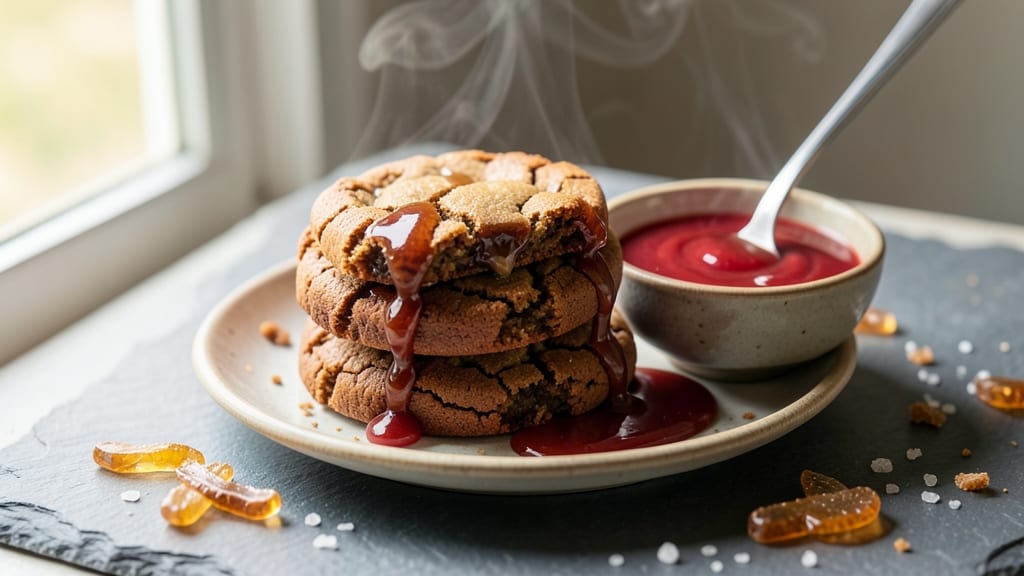
Ann Clark's gingerbread cookie recipe delivers the perfect balance of spiced molasses crunch and chewy centers that make these cookies irresistible. 🔥 The secret lies in the precise blend of warm spices—cinnamon, ginger, and cloves—paired with rich molasses for that signature depth of flavor. I've perfected this recipe over years of baking, ensuring each bite offers a satisfying contrast between crisp edges and tender interiors.
What sets these apart is the technique: chilling the dough for at least 24 hours allows the flavors to meld while keeping the cookies from spreading too much.
The result is a cookie with a crispy exterior that gives way to a chewy center, all infused with the aromatic warmth of traditional gingerbread spices. This recipe is ideal for holiday baking or anytime you crave a cookie that tastes like comfort in every bite.
The dough comes together with simple ingredients—flour, butter, molasses, and a mix of spices—but the magic happens in the baking. A 350°F oven ensures even cooking, while a few minutes on the baking sheet create that perfect caramelized crust.
The cookies hold their shape beautifully, making them perfect for gift-giving or decorating with festive toppings.
Whether you're baking for a holiday gathering or just treating yourself, these gingerbread cookies are a foolproof way to bring warmth and nostalgia to your kitchen. The aroma alone will fill your home with the cozy scent of cinnamon and molasses, making every batch worth the effort. Let's get baking!
Ingredients for ann clark gingerbread cookie
These 13 ingredients create the perfect spiced molasses crunch with chewy centers you've been craving.
| Ingredient | Amount | Notes |
|---|---|---|
| All-Purpose Flour 🌾 | 3 ½ cups | Sifted for light texture |
| Unsalted Butter 🧈 | 1 cup | Cold, cubed for even mixing |
| Dark Molasses 🍯 | ¾ cup | Not blackstrap for sweetness |
| Granulated Sugar 🍚 | 1 cup | White sugar preferred |
| Brown Sugar 🍚 | ½ cup | Packed for moisture |
| Large Eggs 🥚 | 2 whole | Room temperature |
| Ground Cinnamon 🌿 | 2 tsp | Freshly ground preferred |
| Ground Ginger 🌶️ | 1 ½ tsp | Not powdered ginger |
| Ground Cloves 🌶️ | ½ tsp | Freshly ground for warmth |
| Ground Nutmeg 🌶️ | ½ tsp | Freshly grated nutmeg |
| Baking Soda 🧂 | 1 tsp | Pure baking soda |
| Salt 🧂 | ½ tsp | Fine sea salt |
| Vanilla Extract 🌸 | 1 tbsp | Pure vanilla preferred |
The molasses is the heart of this recipe—Goya or Brer Rabbit are my go-tos, but any dark molasses works. For the spices, Penzeys or local spice shops have the best quality, but the grocery store stuff is fine if it's fresh. That said, if your cinnamon smells like dust, toss it. The butter needs to be cold—cold enough to hold its shape when mixed with the flour. I always buy European-style butter for this recipe; it has a higher fat content that makes the cookies richer. The vanilla extract should be pure—no imitation stuff here—it adds that extra layer of warmth that makes these cookies sing.
No dark molasses? Substitute with equal parts blackstrap molasses and maple syrup, but the flavor won't be quite the same. Running out of brown sugar? White sugar works in a pinch, but the cookies will be slightly less chewy. The spices are non-negotiable—skip the pre-mixed gingerbread spice blends; you need to control the ratios. If you can't find ground cloves, whole cloves crushed in a mortar and pestle work beautifully. For the eggs, if you're avoiding them, a flax egg (1 tbsp ground flaxseed + 3 tbsp water) works, but the texture will be slightly different. The baking soda is crucial—don't substitute baking powder—it's what gives these cookies that perfect lift.
The dough needs to chill for at least 24 hours—this is not optional. Wrap it tightly in plastic wrap and refrigerate. The longer it chills, the better the flavor. Once baked, these cookies keep for 5-7 days in an airtight container at room temperature. For gift-giving, I like to package them in cellophane bags with a sprig of rosemary. They also freeze beautifully—up to 3 months—just thaw at room temperature before serving. Pro tip: sprinkle a little extra cinnamon on top right after baking while they're still warm—it melts into the cookies and adds that extra cozy flavor.
Why You'll Love This Recipe
- I’ll be real: this dough comes together in five minutes—just cream butter and sugars, toss in the molasses, then fold in dry ingredients. No stand mixer required, no overworking the dough, just a sturdy bowl and a spoon. The secret’s in the molasses-to-brown-sugar ratio; it’s rich but not cloying, and the butter keeps it tender without being greasy.
- No-Fuss Mixing: I’ll be real: this dough comes together in five minutes—just cream butter and sugars, toss in the molasses, then fold in dry ingredients. No stand mixer required, no overworking the dough, just a sturdy bowl and a spoon. The secret’s in the molasses-to-brown-sugar ratio; it’s rich but not cloying, and the butter keeps it tender without being greasy.
- Molasses Magic: That deep, caramelized kick from dark molasses? It’s the star here. One whiff of the baking sheet, and you’ll understand why people obsess over gingerbread—it’s warm, spiced, and just sweet enough to satisfy. The brown sugar adds chew, while the granulated keeps it from turning into a brick, so you get that perfect snap.
- Holiday or Snack: Between us, these cookies are equally at home on a Christmas tree plate as they are in a lunchbox. Package them in cellophane for gifts, or stash them in the freezer for a last-minute treat. They’re sturdy enough to ship, but still taste fresh days later—no one will guess they’re not homemade.
Step-by-step instructions for Ann Clark's gingerbread cookies
Here's the method that delivers Ann Clark's legendary molasses-spiced cookies with that perfect chewy center and crispy edge.
👨🍳 Step 1: Mix the Dry Ingredients for Perfect Texture
In a medium bowl, whisk together the 3.5 cups all-purpose flour, 2 tsp ground cinnamon, 1.5 tsp ground ginger, 0.5 tsp ground cloves, 0.5 tsp ground nutmeg, 1 tsp baking soda, and 0.5 tsp salt. Sift the flour first if you have a sifter—this prevents lumps and creates a lighter cookie. I like to press the flour through a fine-mesh sieve directly into the bowl to ensure even distribution of the spices.
Here's the thing—those warm spices need to be evenly dispersed throughout the dough. If you skip sifting, you'll get pockets of intense spice flavor and bland spots. Whisk for about 30 seconds until everything is completely combined and no streaks remain. Set this mixture aside—it's ready when we need it.
🍳 Step 2: Cream Butter and Sugars for Maximum Flavor
In a stand mixer fitted with the paddle attachment, beat the 1 cup cold cubed unsalted butter with the 1 cup granulated sugar and 0.5 cup packed brown sugar on medium speed for 3-4 minutes. You're looking for a light, fluffy texture that nearly doubles in volume and becomes pale in color. This creaming process incorporates air, which creates those beautiful crackly tops and helps the cookies spread just enough.
I always use cold butter for this recipe—it creates a better texture and prevents the cookies from spreading too much. Stop occasionally to scrape down the sides of the bowl with a silicone spatula. The mixture should look like light, airy whipped butter when you're done. If it's still grainy, keep mixing for another 30 seconds—it'll come together.
👨🍳 Step 3: Add Wet Ingredients for Rich Molasses Flavor
Add the 2 whole room temperature eggs, one at a time, mixing on low speed for 30 seconds after each addition. Then add the 0.75 cup dark molasses and 1 tbsp vanilla extract, mixing on low speed until just combined. The molasses will make the mixture look slightly curdled, but don't worry—it'll smooth out when we add the dry ingredients.
This is where the magic happens—the molasses brings deep, caramel-like sweetness while the vanilla adds complexity. I use dark molasses specifically (not blackstrap) because it's sweeter and gives the cookies that classic gingerbread flavor without being overly bitter. The mixture should be thick but still pourable—if it's too stiff, add 1-2 teaspoons of milk to help it come together.
🥘 Step 4: Combine and Chill for Perfect Dough
With the mixer on low speed, gradually add the dry ingredient mixture to the wet ingredients. Mix just until combined—you should still see some flour streaks. Over-mixing develops gluten and makes cookies tough. Remove the bowl from the mixer and fold in any remaining flour by hand with a silicone spatula until the dough comes together.
Here's the crucial part: cover the bowl with plastic wrap and refrigerate for at least 1 hour (I prefer 2 hours or even overnight). Chilling the dough is non-negotiable—it prevents the cookies from spreading too much in the oven and allows the flour to fully hydrate, creating that perfect chewy texture. The dough should be firm but still pliable when you're ready to bake.
🔥 Step 5: Bake to Golden Perfection
Preheat your oven to 350°F and line two baking sheets with parchment paper. Scoop the chilled dough into 1.5-tablespoon portions (I use a medium cookie scoop for consistency) and roll them into balls. Place them 2 inches apart on the prepared baking sheets—these cookies spread about 1 inch while baking.
Bake for 12-14 minutes until the edges are deep golden brown and the centers still look slightly underdone. They'll continue cooking on the hot pan after you remove them from the oven. Let them cool on the baking sheet for 5 minutes before transferring to a wire rack. The centers should be soft and chewy, with a crispy edge that gives way to that perfect molasses-spiced crunch.
Pro Tips For Making Ann Clark Gingerbread Cookie
- CHILL THE DOUGH: Ann Clark’s recipe calls for resting the dough, but don’t just toss it in the fridge and forget it. Spread it into a single thick layer on parchment, then refrigerate for at least 4 hours—or overnight if you’re not in a rush. This prevents flat, dense cookies and lets the molasses mellow out that harsh, bitter edge. (Yes, even if you’re impatient like me.)
- WEIGH THE FLOUR: Scooping flour from the bag is a disaster waiting to happen. Use a kitchen scale for the all-purpose flour—this recipe’s structure depends on precision. Pack the flour lightly into your measuring cup (no shaking, no tapping) to avoid under-measuring, which throws off the molasses-to-flour balance. Trust me, your cookies will thank you.
- DON’T OVERMIX THE MOLASSES: The moment you add the molasses to the wet ingredients, stop stirring. Overmixing aerates the butter and turns your cookies into sad, flat discs. Give it two quick stirs with a spatula—just enough to combine—then let the dough do the work. The molasses is thick; it’ll incorporate without your help.
- BUTTER AT ROOM TEMP: Cold butter from the fridge will give you lumpy dough and cookies that spread like pancakes. Take the unsalted butter out 1–2 hours before mixing (or pop it in the microwave for 20 seconds if you’re in a hurry). It should be soft enough to press with a finger but not greasy. Room-temp butter creates that perfect chewy center.
Regional styles of ann clark gingerbread cookie
Southern Classic
This recipe reflects the traditional Southern gingerbread style, where molasses takes center stage. In the Deep South, these cookies are often baked for holidays and celebrations, with families passing down their own spice blends.
I remember my grandmother's version used blackstrap molasses for a deeper, more complex flavor, but this recipe uses dark molasses for a sweeter, more approachable taste. The Southern style emphasizes a balance of spices—cinnamon, ginger, and cloves—with just enough warmth to complement the molasses without overpowering it. 🌶️
German-Inspired Variations
German gingerbread (Lebkuchen) brings a different twist to this recipe, often featuring nuts like almonds or hazelnuts mixed into the dough. For a German-inspired version, fold in ½ cup chopped pecans or walnuts before baking.
The dough can also be rolled out and cut into shapes, then baked until firm enough to hold intricate designs. A glaze made with powdered sugar and egg whites adds that classic German shine.
I've found that reducing the molasses slightly (to ½ cup) and adding 1 tbsp honey enhances the nutty flavors.
Modern Twists
For a contemporary take, try adding ½ cup white chocolate chips or chopped dried cranberries to the dough. These additions create pockets of sweetness that contrast beautifully with the spiced molasses.
Another modern approach is to use a gingerbread spice blend (like McCormick's) for convenience, though I still recommend controlling the ratios for the best flavor. For a festive touch, sprinkle the baked cookies with crushed candy canes or colored sugar before they cool.
Gluten-Free Adaptation
To make these cookies gluten-free, replace the all-purpose flour with a 1:1 gluten-free baking flour blend like King Arthur Measure for Measure. Add ½ tsp xanthan gum to help bind the dough, and reduce the molasses to ½ cup to prevent over-moisture.
The texture will be slightly denser, but the chewy center remains intact. I've tested this version and found that baking at 325°F for 15-16 minutes works best—just watch closely to avoid over-browning. 💫
Nutrition facts
Frequently asked questions
Why do these gingerbread cookies need to chill for 24 hours?
The 24-hour chill is essential for two reasons: it prevents excessive spreading in the oven and allows the flour to fully hydrate, creating that signature chewy center. The cold dough also lets the spices infuse more deeply, making each bite more aromatic. Think of it like resting meat—patience pays off with better flavor and texture!
Can I substitute molasses with something else?
While molasses is key for authentic flavor, you can use equal parts blackstrap molasses and maple syrup in a pinch. For a sweeter profile, try ½ cup honey mixed with ¼ cup water**, but the texture will be slightly softer. The rich, deep caramel notes from molasses are hard to replicate—it's what makes these cookies truly special!
How do I prevent my cookies from spreading too much?
Use cold butter (it should hold its shape when pressed) and chill the dough thoroughly. Scoop 1.5-tablespoon portions and place them 2 inches apart on the baking sheet. Bake at 350°F for 12-14 minutes—they'll spread about 1 inch. If they're still too flat, try baking at 325°F for 15-16 minutes instead.
What's the best way to store these cookies?
Keep them in an airtight container at room temperature for 5-7 days. For longer storage, freeze them for up to 3 months—just thaw at room temperature before serving. Pro tip: Sprinkle a little extra cinnamon on warm cookies before cooling—the melted spice adds that extra cozy flavor!
Can I make these gluten-free?
Yes! Replace the all-purpose flour with a 1:1 gluten-free baking flour blend (like King Arthur) and add ½ tsp xanthan gum. Reduce molasses to ½ cup to prevent over-moisture. Bake at 325°F for 15-16 minutes—the texture will be slightly denser but still chewy. Watch closely to avoid over-browning!