
Side Dishes
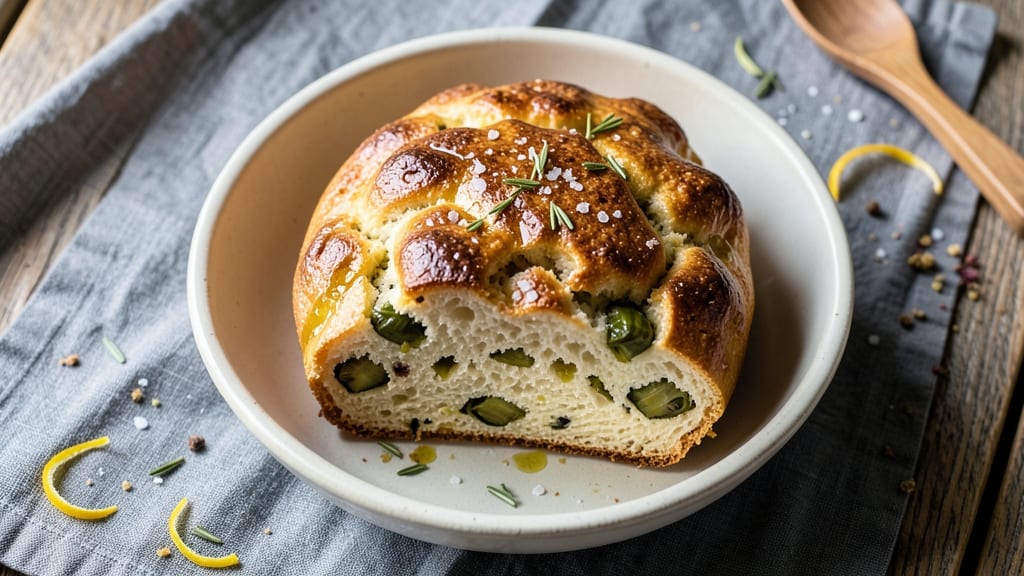
The Pescadero-style artichoke bread delivers a golden crust and herbed artichoke hearts that taste like a California bakery secret. This recipe brings together the rustic charm of artichoke filling with a crispy, buttery dough—perfect for any meal.
The artichokes add a briny depth that pairs beautifully with the flaky layers, creating a dish that’s both hearty and elegant.
What sets this recipe apart is the balance of textures: a tender, herbed artichoke center encased in a crackling crust. The dough is simple yet transformative, with just a touch of olive oil and fresh herbs to elevate the flavors.
Unlike traditional focaccia, this version incorporates artichokes directly into the filling, ensuring every bite is packed with Mediterranean-inspired richness.
Baking this bread is straightforward, with just 30 minutes of active prep and 25 minutes in the oven. The result is a loaf with a golden, crisp exterior and a soft, fragrant interior infused with artichoke and herbs.
It’s ideal for serving alongside soups, salads, or as a standalone appetizer that impresses without requiring advanced skills.
For an extra touch, brush the crust with garlic-infused olive oil before baking—this adds an aromatic finish that complements the artichoke filling beautifully. The recipe scales easily, making it perfect for gatherings or meal prep. Let’s get started on this crowd-pleasing classic!
Ingredients for artichoke bread pescadero
Four cups flour, fresh herbs, and briny artichokes transform into Pescadero's iconic golden crust.
| Ingredient | Amount | Notes |
|---|---|---|
| All-Purpose Flour 🌾 | 4 cups | Unbleached preferred for texture |
| Active Dry Yeast 🍞 | ¼ oz | 1 packet or 2 1/4 tsp |
| Granulated Sugar 🍚 | 1 tbsp | For yeast activation |
| Extra-Virgin Olive Oil 🫒 | ½ cup | High-quality, fruity variety |
| Warm Water 💧 | 1 ¼ cups | 110°F for yeast activation |
| Marinated Artichoke Hearts 🍃 | 1 cup | Chopped, drained, jarred or fresh |
| Garlic Cloves 🧄 | 4 cloves | Minced for filling |
| Fresh Rosemary 🌿 | ¼ cup | Finely chopped, stems removed |
| Fresh Thyme Leaves 🌿 | ⅛ cup | Chopped, stems removed |
| Kosher Salt 🧂 | 1 ½ tsp | Diamond Crystal preferred |
| Coarse Sea Salt 🧂 | ½ cup | For sprinkling crust |
| Unsalted Butter 🧈 | ¼ cup | Melted, for brushing |
| Garlic-Infused Olive Oil 🫒 | ¼ cup | For brushing crust |
| Coarse Cornmeal 🌽 | ¼ cup | For dusting baking sheet |
The artichoke hearts are the soul of this bread, so look for jarred varieties packed in water or olive oil—avoid those with added preservatives. Whole Foods or local specialty markets often carry the best brands like Muir Glen or California Artichoke Growers. Fresh artichokes work too, but they require more prep. For the herbs, fresh rosemary and thyme make all the difference—dried will work in a pinch, but the flavor is noticeably less vibrant. The olive oil should be extra-virgin and fruity; avoid the light, flavorless varieties. If you can't find garlic-infused olive oil, simply infuse your own by steeping a few garlic cloves in good olive oil for 30 minutes.
No fresh artichokes? Canned hearts in water or olive oil are a solid substitute—just drain and chop them finely. Running short on rosemary? Fresh oregano or basil can stand in, though the flavor will shift slightly. The yeast must be active dry—never instant yeast for this recipe. If your water isn't exactly 110°F, test it by dropping in a bit of sugar; if it dissolves instantly, it's ready. For the dough, King Arthur or Bob's Red Mill flour yield the best texture, but any unbleached all-purpose will work. Prefer a sweeter crust? Add an extra tablespoon of sugar to the dough.
The dough keeps best in an airtight container at room temperature for up to 24 hours, though it's best used within 4 hours of mixing. If shaping ahead, cover with a damp towel to prevent drying. The finished loaf reheats beautifully—wrap in foil and warm in a 350°F oven for 5-10 minutes. For extra crispiness, brush the crust with melted butter and a sprinkle of coarse salt just before serving. Store leftovers in a paper bag at room temperature for 2 days or freeze for up to 3 months. The artichoke filling freezes beautifully too, so consider making a double batch for future meals.
Why You'll Love This Recipe
- No-Knead Magic: I swear by this dough—just mix, let it rise, and shape. No roller, no stress, just hands-on simplicity with flour, yeast, and olive oil doing the heavy lifting.
- Olive Oil Luxury: That first brush of extra-virgin olive oil before baking? Pure gold. Crispy crust, tender crumb—it’s the kind of bread that makes you pause mid-bite to appreciate the effortless flavor.
- Weeknight Hero: Between us, this bread saves my dinner parties and lazy Sundays. Toss it in the oven while you grill steak or roast veggies—it’s the perfect warm companion that doesn’t demand attention.
- Budget-Friendly Staple: Five ingredients, endless leftovers. One batch feeds my family for days, and the dough’s forgiving enough that even my burnt edges get eaten first. (Yes, even on a Tuesday night.)
Step-by-step instructions for artichoke bread Pescadero
This method delivers a rustic bread with a crackling crust and herbed artichoke filling—every detail matters for perfect results.
Activate the Yeast and Prepare the Dough
In a small bowl, combine the 1.25 cups warm water (tested at 110°F) with the 1 tbsp granulated sugar and 0.25 oz active dry yeast. Let sit for 5-10 minutes until foamy and bubbly—this confirms the yeast is active. If it doesn't bubble, your yeast may be dead and needs replacing.
In a large bowl, whisk together the 4 cups all-purpose flour with the 1.5 tsp kosher salt. Make a well in the center and pour in the yeast mixture along with the 0.5 cup extra-virgin olive oil. Using a wooden spoon, mix until a shaggy dough forms, then turn onto a lightly floured surface and knead for 8-10 minutes until smooth and elastic. The dough should spring back slowly when poked.
Create the Artichoke Filling and Shape the Loaf
While the dough rests, prepare the filling by finely chopping the 1 cup marinated artichoke hearts (drained and patted dry) and mincing the 4 cloves garlic. In a small bowl, combine the chopped artichokes, garlic, 0.25 cup fresh rosemary, and 0.125 cup fresh thyme leaves. Set aside.
Divide the kneaded dough into two equal portions. Roll each into a 12-inch rectangle about ¼-inch thick. Spread the artichoke mixture evenly over each rectangle, leaving a ½-inch border around the edges. Roll each up tightly from the long side, sealing the seam to form two loaves.
Proof the Dough for Optimal Rise
Place the sealed loaves seam-side down in a lightly greased bowl, covering them with a damp kitchen towel. Let them rise in a warm place for 1-1.5 hours or until doubled in size. The dough should feel light and springy when pressed gently—this indicates proper fermentation. Overproofing leads to dense bread, so don't exceed the time.
While the dough proofs, preheat your oven to 425°F. Line a baking sheet with parchment paper and sprinkle evenly with the 0.25 cup coarse cornmeal. This creates a sturdy base for the loaves and prevents sticking during baking.
Shape and Score for Crispy Crust
Transfer each loaf to the prepared baking sheet, seam-side up. Using a sharp serrated knife, score the top of each loaf with a ½-inch deep crosshatch pattern. This allows steam to escape and creates those signature crusty ridges. Brush the tops generously with the 0.25 cup melted unsalted butter followed by the 0.25 cup garlic-infused olive oil—this ensures maximum browning and flavor infusion.
Sprinkle the scored tops liberally with the 0.5 cup coarse sea salt, pressing it lightly into the dough. The salt enhances flavor and contributes to the crispy texture. Bake for 25-30 minutes until the crust is deep golden brown and sounds hollow when tapped on the bottom.
Cool and Serve for Maximum Flavor
Remove the loaves from the oven and transfer them to a wire rack to cool for 10 minutes before slicing. This resting period allows the steam to escape, preventing a gummy interior. The bread should have a crisp, crackly exterior with a soft, airy crumb and pockets of herbed artichoke filling throughout.
Slice each loaf into 1-inch thick pieces and serve warm with your favorite dipping oil or alongside a charcuterie board. The contrast between the crisp crust and tender interior makes every bite satisfying—worth the careful attention to each step.
Pro Tips For Making Artichoke Bread Pescadero
- Bloom the Yeast First: Skip mixing yeast directly into flour—it’s a rookie move. Instead, dissolve it in warm water (105–110°F) with a pinch of sugar, then wait 5–10 minutes until it’s frothy. This guarantees your dough rises right the first time, especially in cooler kitchens.
- Use Room-Temp Olive Oil: Cold oil from the fridge won’t emulsify properly, leaving your dough dense. Let that extra-virgin olive oil sit out for 30 minutes before mixing—it’ll blend smoother and keep the bread tender. (Yes, even if you’re impatient like me.)
- Knead Until Silky: The Pescadero recipe relies on a smooth, elastic dough. Stop when it passes the "windowpane test"—stretch a small piece and it should be translucent but not tear. Over-kneading is easy, but under-kneading means chewy, sad bread.
- Shape Loaves Tightly: Pack the dough into your pans like you’re stuffing a sausage—no gaps. Press the edges firmly against the sides, then let it proof until it’s puffed just over the rim. This locks in flavor and prevents a flat, sad top. (Your future self will notice the difference.)
Creative variations of this recipe
Herbed Variations
Swap the rosemary and thyme for fresh parsley and basil for a brighter, more Mediterranean profile. I love using 1 tbsp dried oregano if fresh herbs are unavailable—it adds earthy depth without overpowering the artichokes.
For a citrus twist, mix in 1 tbsp finely grated lemon zest with the chopped artichokes before rolling them into the dough. 🌿
Cheesy Twist
Add ½ cup shredded Gruyère or Parmesan cheese to the artichoke filling for a rich, nutty flavor. The cheese melts slightly during baking, creating pockets of gooey goodness that contrast beautifully with the crisp crust.
For extra indulgence, sprinkle ¼ cup grated Pecorino Romano over the scored loaves before baking. This variation feels especially luxurious when served alongside antipasto platters.
Spicy Kick
Incorporate 1 tsp red pepper flakes or ½ tsp cayenne pepper into the artichoke filling for a subtle heat. I recommend pairing this with 1 tbsp chopped fresh basil to balance the spice.
For a smoky depth, add ½ tsp smoked paprika to the dough before kneading—it enhances the crust's complexity. This version works wonderfully with spicy dipping oils like chili-infused olive oil.
Seasonal Adaptations
In summer, boost freshness with ¼ cup chopped sun-dried tomatoes mixed into the artichoke filling. For fall, add 1 tbsp chopped fresh sage alongside the rosemary—its earthy aroma complements the artichokes perfectly.
Winter calls for warming spices: try ½ tsp ground nutmeg in the dough or 1 tsp chopped fresh thyme in the filling. Each seasonal tweak keeps this bread exciting year-round.
Gluten-Free Option
Replace the all-purpose flour with a 1:1 gluten-free baking flour blend like Bob's Red Mill or King Arthur. Add ½ tsp xanthan gum to the dough to improve texture. The artichoke filling remains unchanged, but the crust will be slightly denser.
Brush with extra olive oil before baking to enhance crispiness. This version works well for those with gluten sensitivities but still delivers satisfying flavor and texture. ✨
Nutrition facts
Frequently asked questions
Can I use fresh artichokes instead of jarred hearts?
Fresh artichokes work beautifully but require extra prep! Trim the tough outer leaves, slice off the top, and remove the fuzzy choke before quartering. Steam for 15-20 minutes until tender, then chop the hearts finely. Fresh artichokes add a more delicate flavor but need careful handling to avoid bitterness.
Why did my bread turn out dense instead of crispy?
Dense bread usually means overproofing or underbaked dough. Check your yeast—it should bubble within 5-10 minutes of mixing with warm water. Also, ensure you baked at 425°F for the full 25-30 minutes until golden brown. A toothpick inserted should come out clean.
How can I make this bread ahead of time?
This recipe stores perfectly for 2-3 days at room temperature wrapped in a clean kitchen towel. For longer storage, freeze the baked loaf for up to 3 months. Thaw overnight in the fridge and reheat in a 350°F oven for 5-10 minutes to restore crispiness.
What's the best way to reheat sliced artichoke bread?
For maximum crispiness, wrap slices in foil and warm in a 375°F oven for 3-5 minutes. Avoid microwaving—it makes the crust soggy. A quick toast in a skillet with olive oil also works beautifully for serving as an appetizer.
Can I substitute the herbs in the filling?
Try 1 tbsp dried oregano or 1 tsp lemon zest for brightness. For a Mediterranean twist, swap rosemary for fresh parsley and basil. Just keep the total herb amount at 0.375 cup to maintain balance with the artichokes.