
Side Dishes
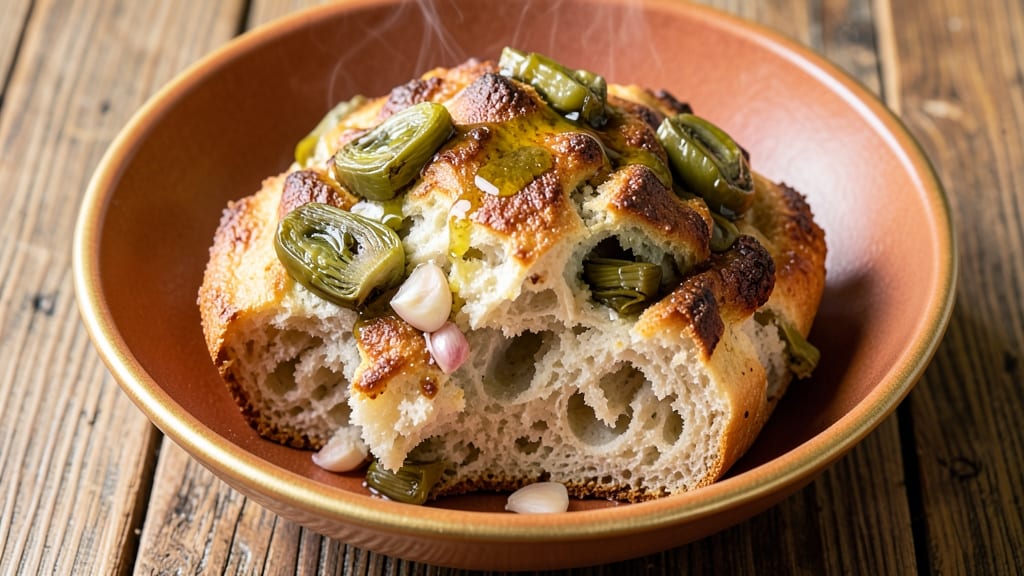
This artichoke bread recipe transforms simple dough into a flaky, herb-infused masterpiece where tender artichoke hearts meet golden crust. The secret lies in a precise balance of olive oil, garlic, and fresh herbs that elevate every bite—no fancy techniques required.
I developed this after years of baking focaccia, and the artichokes add a briny, vegetal depth that keeps people reaching for seconds.
What sets this bread apart is the foolproof dough method that guarantees a light, airy crumb with crisp edges, while the artichokes stay tender and packed with flavor. You'll work with basic pantry staples—flour, yeast, olive oil—but the result is anything but ordinary.
The dough rises naturally, and baking time is short, making this perfect for weeknight dinners or holiday appetizers.
By the time it emerges from the oven, you'll have a golden-brown loaf with a flaky crust that shatters at the touch, revealing moist interior pockets filled with artichoke and herbs.
The aroma alone will have everyone gathering around the table. Serve warm with olive oil for dipping, or pair it with antipasto platters for an elegant touch.
This recipe scales beautifully—whether you're feeding a crowd or saving leftovers for sandwiches. The artichokes hold their shape while adding a subtle tang that complements rich cheeses or fresh salads. Let's get started on this restaurant-quality bread that's surprisingly simple to make at home.
Ingredients for artichoke bread
Pantry staples meet Mediterranean flair in this artichoke bread with tender hearts and golden crust.
| Ingredient | Amount | Notes |
|---|---|---|
| Active Dry Yeast 🍞 | ¼ tsp | Ensure yeast is fresh |
| Warm Water 💧 | 1 cup | 110°F for yeast activation |
| All-Purpose Flour 🌾 | 4 cups | King Arthur or similar |
| Extra-Virgin Olive Oil 🫒 | ½ cup | High-quality, fruity variety |
| Marinated Artichoke Hearts 🍃 | 1 cup | Drained, chopped from jar |
| Garlic Cloves 🧄 | 4 cloves | Fresh, minced finely |
| Kosher Salt 🧂 | 1 ½ tsp | Diamond Crystal preferred |
| Fresh Rosemary 🌿 | ¼ cup | Finely chopped, stems removed |
| Fresh Thyme Leaves 🌿 | ¼ cup | Stems removed, chopped |
| Fresh Basil Leaves 🌿 | ¼ cup | Packed, chopped finely |
| Coarse Sea Salt 🧂 | 1 tbsp | For sprinkling on top |
| Flaky Sea Salt 🧂 | 1 tbsp | For finishing crust |
| Cornmeal 🌽 | ¼ cup | For dusting baking sheet |
The artichokes make this bread special. Look for marinated hearts in jars—the good stuff from Whole Foods or Trader Joe's has the best flavor. Drain and chop them finely so they distribute evenly. Fresh herbs are non-negotiable here: rosemary and thyme give that classic bread aroma, while basil adds a bright finish. I always grab extra basil—half goes in the dough, half gets sprinkled on top before baking. The olive oil should be high-quality, fruity, and preferably Italian—none of that cheap supermarket stuff.
No fresh rosemary? Dried works at half the amount, but it lacks that piney aroma. Short on artichokes? Sun-dried tomatoes chopped finely make a decent swap, though they won't give the same briny depth. The yeast must be fresh—if it's old, it won't activate properly. For the flour, King Arthur or Caputo are ideal, but any all-purpose will work. The cornmeal is just for dusting—it keeps the bread from sticking to the pan. And don't skip the garlic—it's the backbone of the flavor, so make sure it's fresh and minced finely.
This dough keeps for 24 hours in the fridge once mixed, but it's best baked fresh. If you prep ahead, let it sit at room temperature for 30 minutes before shaping. The baked loaf stays fresh for 3 days wrapped in a clean kitchen towel, but it's best eaten within 2 days. Freeze any leftovers for up to 3 months—just thaw at room temperature before serving. The crust gets crispier the next day, so save seconds for sandwiches or toast.
Why You'll Love This Recipe
- No-Knead Magic: I swear by this dough—just mix, wait, and shape. The yeast does all the work while I sip coffee, and that olive oil keeps it tender without fuss.
- Umami Bomb: Those jarred artichoke hearts pack a salty, briny punch that turns ordinary bread into something special. Honestly, I double the amount now—I can’t resist.
- Weeknight Workhorse: Toss a loaf in the oven while you grill steak or roast veggies. It’s my go-to for picnics, sandwiches, or even a quick charcuterie board. (Yes, even on a Tuesday night.)
- Budget-Friendly Luxury: Flour, yeast, and a jar of artichokes? This costs pennies but tastes like a bakery loaf. Leftovers? Toast them—crispy edges, buttery crumb. No waste, all win.
Step-by-step instructions for artichoke bread recipe
This method delivers a golden, shatteringly flaky crust with herby artichoke goodness baked right in.
Activate the Yeast and Mix the Dough
In a large bowl, combine the 1 cup warm water (110°F) with the 0.25 tsp active dry yeast and let sit for 5-7 minutes until foamy. This activation step is crucial—if it doesn't bubble, your dough won't rise properly. I always double-check the water temperature with a thermometer to avoid killing the yeast.
Add the 4 cups all-purpose flour and 1.5 tsp kosher salt to the bowl. Stir with a wooden spoon until a shaggy dough forms. Then drizzle in the 0.5 cup extra-virgin olive oil and mix until fully incorporated. The dough should be soft but not sticky—if it clings to your fingers, add 1 tablespoon flour at a time until it releases cleanly.
Incorporate the Artichoke and Herb Mixture
In a separate bowl, finely chop the 1 cup marinated artichoke hearts (drained well) and mix with the 4 cloves minced garlic, 0.25 cup chopped fresh rosemary, 0.25 cup chopped fresh thyme leaves, and 0.25 cup chopped fresh basil leaves. This herby artichoke blend is the star—taste it now to ensure the seasoning is balanced before adding to the dough.
Transfer the artichoke-herb mixture to the dough and knead by hand on a lightly floured surface for 8-10 minutes until smooth and elastic. The dough should spring back when pressed gently. If it feels too sticky, add 1 tablespoon flour at a time. Real talk: This is where the magic happens—the kneading develops gluten, which gives that signature flaky texture.
First Rise and Shape the Loaf
Lightly oil a large bowl, place the dough inside, and cover with a damp towel. Let it rise in a warm place for 1-2 hours or until doubled in size. I like to use my oven with the light on for consistent warmth—this ensures even rising without overproofing. Poke the dough gently; if it springs back slowly, it's ready.
Punch down the dough to release air, then divide it into 4 equal portions. Shape each into a 12-inch round (about ½-inch thick) on a parchment-lined baking sheet dusted with 0.25 cup cornmeal. The cornmeal prevents sticking and adds a subtle crunch to the crust. Space the rounds 2 inches apart—they'll expand as they bake.
Bake to Perfection
Preheat your oven to 375°F. Brush the tops of the dough rounds with a little extra-virgin olive oil, then sprinkle generously with 1 tablespoon coarse sea salt and 1 tablespoon flaky sea salt. The salt enhances the herby flavors and creates that irresistible crust. Bake for 25-30 minutes until the tops are deep golden brown and the internal temperature reaches 190°F.
Your oven might run hot, so start checking at the 20-minute mark. The bread is done when the crust sounds hollow when tapped and pulls away from the sides of the pan. Let them cool on a wire rack for 10 minutes—this resting period prevents a gummy texture. Serve warm with olive oil for dipping, or let them cool completely for sandwiches.
Pro Tips For Making Artichoke Bread
- Test Yeast First: Skip the guesswork—mix 1 packet yeast with ¼ cup warm water and 1 tsp sugar, then wait 5–10 minutes for frothy bubbles. If it doesn’t bubble, your yeast is dead or the water’s too hot (or cold), and you’ll save yourself a sad, flat loaf.
- Drain Artichokes Well: Marinated artichokes hold way more liquid than you’d think. Drain them in a colander for 10 minutes, then blot with a paper towel—this keeps your dough from turning into soup. Trust me, your bread won’t be a soggy mess.
- Knead Just Enough: Overworking the dough makes artichoke bread tough. Stop when the dough springs back slowly when poked (about 5–7 minutes by hand). It doesn’t need to be silky smooth—just cohesive. Less effort, same flavor.
- Shape Loaves Tightly: Pack the artichokes into the dough firmly before shaping—this prevents them from floating to the top during baking. Roll the dough into a log, tuck in the filling, and seal the ends with a pinch of flour. No gaps, no sinking.
Common mistakes when making this dish
Overproofed Dough
I’ve ruined more bread than I’ll admit by letting the dough rise too long. The classic sign? Your dough collapses when you poke it or develops a flat, dense top instead of puffing up.
To avoid this, set a timer for 1-2 hours and check every 30 minutes—it should double in size and spring back when pressed gently. If your kitchen is chilly, use a warm oven with the light on to maintain consistent warmth.
Honestly, I’ve learned the hard way that patience is key here—don’t rush the rise! 🕒
Uneven Artichoke Distribution
Artichokes can sink to the bottom of the dough or clump together, leaving some bites bland and others overpowering. The fix? Chop them finely (about ¼-inch pieces) and fold them into the dough gently after kneading.
I also recommend mixing them with the herbs first—this creates a cohesive paste that blends seamlessly. If you’re using jarred artichokes, drain them thoroughly to avoid soggy dough. 🍃
Dense or Gummy Texture
A dense, gummy interior usually means the dough wasn’t kneaded enough or the yeast wasn’t activated properly. Knead for a full 8-10 minutes until the dough is smooth and elastic—it should spring back when pressed.
If your dough feels sticky, add flour 1 tablespoon at a time until it releases cleanly. Also, double-check your yeast: it should foam within 5-7 minutes in warm water. If it doesn’t, your yeast is dead, and you’ll need to start over. 💡
Pale or Soggy Crust
A pale crust often means the bread didn’t bake long enough or the oven wasn’t hot enough. Preheat your oven to 375°F for at least 20 minutes before baking, and use an oven thermometer to confirm accuracy.
Brush the tops with olive oil and sprinkle generously with coarse and flaky sea salt before baking—this helps create a crisp, golden crust. If your crust turns out soggy, bake it for an extra 5-10 minutes until it’s deep golden brown. 🌡️
Artichokes Staying Too Firm
If your artichokes emerge from the oven still tough, they likely weren’t cooked long enough or chopped small enough. For best results, chop them into ¼-inch pieces and bake the bread until the internal temperature reaches 190°F.
You can also pre-cook the artichokes by simmering them in water for 5 minutes before adding them to the dough. This ensures they’re tender without turning mushy. 🍽️
Dough Sticking to the Pan
Nothing’s more frustrating than dough sticking to your baking sheet. Always dust it generously with cornmeal before shaping the dough—it creates a barrier that prevents sticking. I also recommend using parchment paper for extra insurance.
If your dough still sticks, don’t force it; gently peel it off with a spatula or use a thin metal offset spatula to release it from the pan. 🛠️
Nutrition facts
Frequently asked questions
Can I make this artichoke bread without fresh herbs?
Use ½ teaspoon dried rosemary and ½ teaspoon dried thyme instead of fresh, but reduce the amount since dried herbs are more concentrated. For basil, sun-dried tomatoes work in a pinch, though they won't replicate the fresh herb brightness. The flavor will still be delicious—just slightly different.
How do I store leftover artichoke bread?
Wrap cooled bread tightly in a clean kitchen towel or place it in an airtight container. It stays fresh for 3 days at room temperature or up to 3 months in the freezer. For reheating, warm slices in a 350°F oven for 5-7 minutes or toast in a skillet until crispy. The crust gets even better the next day!
Can I substitute jarred artichokes with fresh ones?
Fresh artichokes work, but you'll need to trim, quarter, and steam them for 10-12 minutes until tender before chopping. Drain well to avoid soggy dough. Jarred artichokes (drained and chopped) are more convenient—they're pre-cooked and packed with flavor. If using fresh, reduce the amount slightly since they're less concentrated.
Why did my bread turn out dense instead of flaky?
Dense bread usually means the dough wasn't kneaded enough or the yeast didn't activate properly. Knead for 8-10 minutes until elastic, and always check yeast by mixing with warm water—it should foam in 5-7 minutes. Also ensure your oven is properly preheated to 375°F for even baking. A dense texture can also happen if the dough rises too long (overproofing).
What's the best way to serve this artichoke bread?
Serve warm with a drizzle of extra-virgin olive oil and a sprinkle of flaky sea salt for dipping. It pairs perfectly with antipasto platters, grilled meats, or as a side for pasta dishes. For a hearty meal, top slices with mozzarella and tomato for a quick artichoke panini. The bread also makes amazing sandwiches the next day!