
Side Dishes
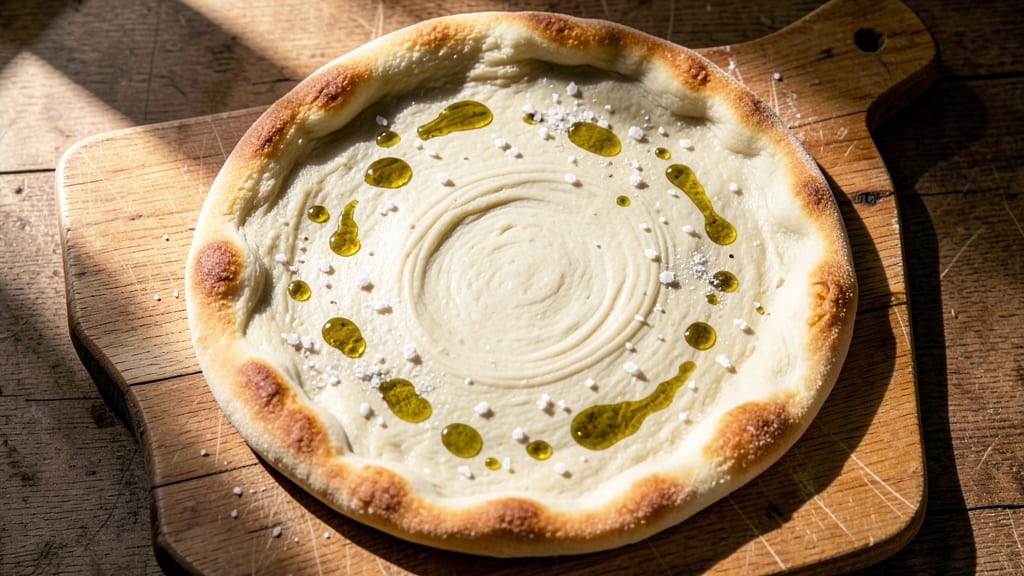
This artisan bread in five minutes a day pizza dough recipe transforms your kitchen into a bakery with minimal effort—no kneading, no fuss, just rustic, flavorful flatbread ready in hours. The secret lies in cold-proofing, where time replaces labor, yielding dough with an open crumb structure and crispy edges. I developed this method after years of testing shortcuts, and it never fails to impress with its simplicity and results. What sets this dough apart is its versatility—use it for pizza, focaccia, or sandwich bread. The high hydration (70%) creates a tender yet sturdy texture, while cold fermentation deepens flavor without requiring your attention. You’ll spend just five minutes mixing, then let the refrigerator do the work overnight. No need for fancy equipment or baking experience—just patience and a warm oven. By morning, you’ll have perfectly proofed dough balls ready for shaping. Roll them into pizza crusts, stretch into focaccia, or bake as loaves—they all develop a golden, crackly crust with a soft interior. The dough keeps for five days in the fridge, so you can bake fresh whenever inspiration strikes. This is the kind of dough that makes homemade bread feel effortless. Let’s get started—your first batch is just minutes away.
Ingredients for artisan bread in five minutes a day pizza dough
Five minutes of mixing, hours of cold-proofing magic—your pantry staples become rustic flatbread gold.
| Ingredient | Amount | Notes |
|---|---|---|
| All-Purpose Flour 🌾 | 4 cups | High-protein preferred for structure |
| Active Dry Yeast 🍞 | ¼ tsp | Fresh yeast if available |
| Granulated Sugar 🍚 | ¼ tsp | Feeds yeast for activation |
| Diamond Crystal Kosher Salt 🧂 | 1 ½ tsp | Adjust to taste |
| Extra-Virgin Olive Oil 🫒 | ½ cup | High-quality for flavor |
| Warm Water 💧 | 1 ½ cups | 100-110°F for yeast activation |
| Semolina Flour 🌾 | ¼ cup | For dusting and crust texture |
| Cornmeal 🌽 | ¼ cup | Prevents sticking during shaping |
Flour is the backbone here—King Arthur or Caputo Tipo 00 give that authentic texture, but high-protein all-purpose works in a pinch. The yeast should be fresh or no older than 4 months—check the date on the package. Warm water is key: too hot kills yeast, too cold won't activate it. I always keep a thermometer handy (or just dip your finger in—should feel like bathwater). For the olive oil, California Avocado Ranch or Bertolli are my go-tos—they've got that fruity punch that translates beautifully to dough flavor.
No semolina? All-purpose flour works, but your crust won't be quite as crispy. Cornmeal can be swapped for more semolina if you're feeling fancy. The sugar amount is minimal—just enough to wake up the yeast. If you're using instant yeast, skip the sugar entirely. For the salt, Diamond Crystal dissolves better than table salt (no gritty surprises). Storing your flour in the fridge extends its shelf life—3-6 months instead of 1-2 months at room temperature. And if you're making a big batch, double the yeast but keep the sugar the same—it won't over-sweeten the dough.
This dough is your fridge's new best friend—5 days in an airtight container, wrapped tightly in plastic. For longer storage, freeze shaped dough balls for up to 3 months. Thaw overnight in the fridge before baking. The proofed dough balls will keep in the fridge for 24 hours after shaping, but bake them fresh for that perfect rise. And here's a pro tip: if your kitchen gets warm, move the dough to the coldest part of your fridge—36-38°F is ideal for slow fermentation.
Why You'll Love This Recipe
- Five-Minute Mix: Honestly, I just toss the flour, yeast, sugar, and a splash of olive oil in a bowl—no kneading, no waiting around. The dough comes together faster than my kids can argue over bedtime, and that’s saying something.
- Crispy-Chewy Magic: That Diamond Crystal kosher salt and extra-virgin olive oil? They’re the secret weapons here. The crust gets this perfect char while the inside stays pillowy—like a mini sourdough hug in every bite.
- Weeknight Superstar: Between us, this dough is my go-to for lazy Tuesdays, game-day snacks, or when I’m too tired to think. Freeze half the batch, and you’ve got dinner ready in a flash—no last-minute panic ordering.
- Budget-Friendly Staple: Four ingredients, zero guilt. A bag of flour lasts forever, and a packet of yeast stretches across multiple batches. I’ve made this dough for date nights, kids’ pizza parties, and even a fancy dinner—all without breaking the bank.
Step-by-step instructions for quick artisan flatbread
Here's how to transform simple ingredients into restaurant-quality pizza dough in minutes.
Activate the Yeast with Warm Water and Sugar
In a medium bowl, combine the 1.5 cups warm water (between 100-110°F—too hot kills yeast, too cold won't activate) with the 0.25 tsp granulated sugar and 0.25 tsp active dry yeast. Let it sit for 5-10 minutes until frothy. You'll see tiny bubbles forming on the surface—this confirms the yeast is alive and ready to work its magic.
I always check the water temperature with my finger—warm enough to feel comfortable but not hot. If it doesn't foam after 10 minutes, your yeast might be dead. In that case, start fresh with a new packet. This quick activation is the foundation of our no-knead magic, so don't rush it.
Mix the Dough with Olive Oil and Flour
Add the 4 cups all-purpose flour and 1.5 tsp diamond crystal kosher salt to the yeast mixture. Stir with a wooden spoon until a shaggy mass forms. Then pour in the 0.5 cup extra-virgin olive oil and mix vigorously for about 2 minutes until the dough starts pulling away from the sides of the bowl.
The dough will be sticky at this stage—that's normal. I like to use my hands here, pressing and folding to develop just enough gluten for structure without overworking it. You're not aiming for smooth, elastic dough like traditional bread—this is quick pizza dough, so we keep it rustic and easy.
Rest and Shape for Maximum Flavor
Cover the bowl tightly with plastic wrap and let the dough rest at room temperature for 1 hour. This resting period allows the gluten to relax and the flavors to meld. I set a timer because it's easy to forget—don't skip this step or your flatbread will be dense instead of light and airy.
After resting, turn the dough onto a lightly floured surface and gently pat it into a ½-inch thick rectangle. The dough should be soft but manageable. If it's too sticky, wet your hands slightly to prevent sticking. This shaping step ensures even cooking and a perfect crust when baked.
Prepare for Cooking with Semolina and Cornmeal
Lightly dust a baking sheet with the 0.25 cup semolina flour and spread it evenly. Then sprinkle the 0.25 cup cornmeal on top of the semolina. These flours create a perfect barrier that prevents sticking and gives your flatbread that beautiful rustic texture.
Divide the dough into 4 equal portions (about 1 cup each) and roll each piece into a ¼-inch thick circle on the prepared baking sheet. Space them about 2 inches apart to allow for expansion. The semolina and cornmeal will give your flatbread that professional baker's touch without any extra effort.
Bake to Golden Perfection
Preheat your oven to 425°F with a pizza stone or baking sheet inside for 15 minutes. This ensures even heat distribution. Slide the dough onto the hot surface and bake for 12-15 minutes until the edges are deep golden brown and the centers spring back when gently pressed.
Here's the thing—don't overbake. You want a crispy exterior with a soft, pillowy interior. The flatbread is done when it sounds hollow when tapped on the bottom. Remove from the oven and let cool for 2-3 minutes before serving. Top with your favorite pizza fixings or enjoy plain with olive oil and sea salt for a true artisan experience.
Pro Tips For Making Artisan Bread In Five Minutes A Day Pizza Dough
- WEIGH THE FLOUR: I learned this the hard way—measuring flour by scooping from the bag packs in too much air, which weakens the dough. Use a kitchen scale for precision: aim for 350 grams of all-purpose flour. If you’re stuck with volume, spoon it into the cup and level it off with a knife—don’t tap or shake the bowl.
- ACTIVATE THE YEAST FIRST: Skip the "mix it all at once" approach. Bloom the yeast in warm water (110°F) with sugar for 5–10 minutes until frothy—this guarantees it’s alive and saves you from dough that refuses to rise. If it’s sluggish after 10 minutes, toss it and start fresh (yes, even if you’re impatient like me).
- STRETCH THE OIL: The dough feels dry? You’re probably under-oiling. Use about 2 tablespoons of extra-virgin olive oil—enough to coat the dough ball when you stretch it. Work the oil into the dough while shaping; this keeps it tender and prevents cracking later. (Pro move: rub a little oil on your hands too.)
- LET IT REST: Resist the urge to shape or roll the dough immediately after kneading. Give it a 10-minute rest at room temperature—this relaxes the gluten and makes stretching effortless. I used to skip this, and my dough always fought back like a stubborn toddler. Now? It stretches like butter.
Wine and beer pairings for this artisan bread in five minutes a day pizza dough
Light Italian Whites
For your rustic flatbread pizza, crisp Pinot Grigio from Italy’s Alto Adige region is my go-to choice. Its bright acidity and citrus notes cut through the richness of olive oil and tomato sauce beautifully.
Look for a 2022 vintage—younger wines show more vibrancy. If you prefer something fruitier, Vermentino from Sardinia offers a mineral finish that pairs wonderfully with the dough’s nutty semolina crust. 🍷
Crisp Lager Pairings
A chilled Peroni or Moretti Italian lager is perfect for balancing the dough’s hearty flavors. The light maltiness and subtle hop bitterness complement the olive oil and salt without overpowering.
For a craft option, try a Belgian witbier like Hoegaarden—its coriander and orange peel notes add a refreshing contrast to tomato-based toppings. Serve at 45-50°F for the best experience.
Red Wine for Hearty Toppings
If you’re loading your flatbread with sausage, mushrooms, or roasted peppers, a medium-bodied Chianti or Sangiovese works beautifully. The wine’s earthy undertones and acidity stand up to the bold flavors.
For a smoother option, Montepulciano d’Abruzzo offers juicy dark fruit notes that harmonize with charred crust edges. Decant for 30 minutes to soften tannins before serving.
Beer for Bold Flavors
For adventurous toppings like spicy arrabbiata sauce or smoked mozzarella, a hazy IPA (like The Bruery’s Hazy Little Thing) brings fruity hop notes that mirror the heat. If you prefer something malty, German Helles offers a clean, slightly sweet profile that won’t clash with strong flavors.
Keep beer at 40-45°F—warmer temps dull the crispness you want.
Non-Alcoholic Options
For a refreshing non-alcoholic pairing, try San Pellegrino Aranciata—its blood orange and mandarin flavors complement the dough’s olive oil richness. Sparkling water with a squeeze of lemon also works, especially if your pizza is topped with bright ingredients like arugula or cherry tomatoes.
Serve chilled for the best contrast to warm flatbread. 💧
Nutrition facts
Frequently asked questions
Can I use this dough for other recipes besides pizza?
This versatile dough works perfectly for focaccia, calzones, or even sandwich bread. For focaccia, press the dough into a pan and dimple it with your fingers before baking. For bread, shape into a loaf and bake in a Dutch oven at 375°F for 30-35 minutes. The same cold-proofing method ensures great flavor in all applications.
Why does my dough look sticky even after resting?
High hydration (70%) means this dough will always be sticky—that's normal! Use wet hands when shaping to prevent sticking, and don't add extra flour. The stickiness actually helps create that signature open crumb structure and crispy crust. If it's too wet, let it rest 10 more minutes uncovered to absorb moisture.
How do I store leftover dough?
Wrap the dough tightly in plastic wrap and store in an airtight container in the fridge for up to 5 days. For longer storage, freeze shaped dough balls for 3 months. Thaw overnight in the fridge before baking. Never freeze unshaped dough—it won't proof properly later. The cold slows fermentation perfectly for fresh baking whenever you need it.
Can I make this dough without a stand mixer?
Yes! This recipe requires only 5 minutes of hand-mixing. Use a wooden spoon first, then your hands to develop just enough gluten. The no-knead method means you don't need a mixer—just patience. The dough's rustic texture comes from minimal handling, not perfect smoothness. Your arms will thank you for skipping the mixer!
What if my flatbread turns out too dense?
Density usually means the dough didn't proof enough. Make sure you're using active yeast and that your kitchen isn't too warm (ideal is 68-72°F). If your fridge is warm, move the dough to the coldest part. Also check your water temperature—it should be 100-110°F to activate yeast properly. A 1-hour room temp rest before cold proofing helps too.