
Main Courses
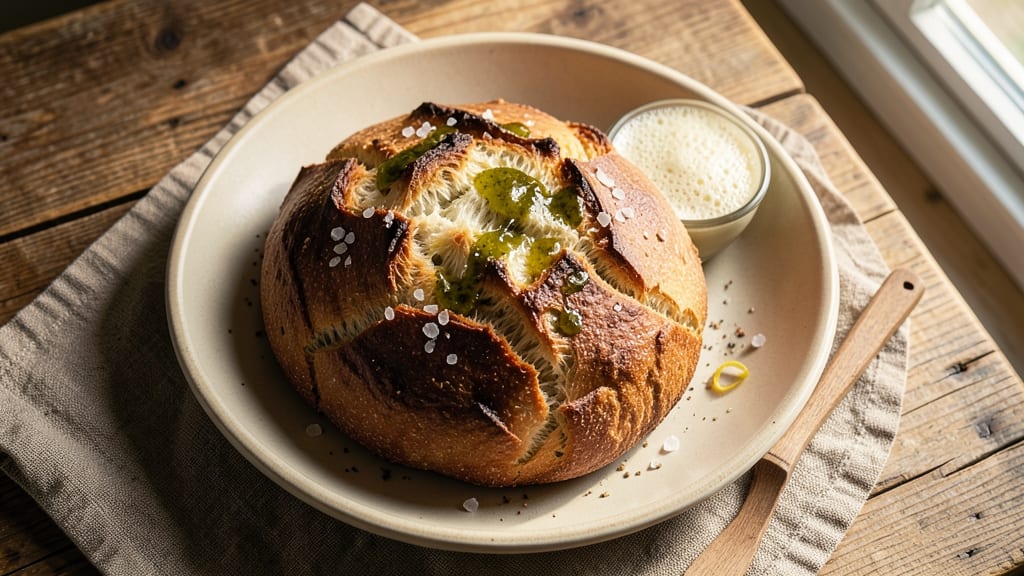
Transforming your bread maker into an artisan bakery is simpler than you think—this hands-off artisan bread recipe delivers a crusty loaf with tangy depth that rivals store-bought sourdough. The secret lies in precise ingredient ratios and understanding your machine's cycles, which we'll break down step by step.
No fancy equipment needed beyond what's already in your kitchen.
What sets this recipe apart is the focus on texture and flavor development during the dough's rest periods. We use a combination of bread flour and whole wheat for structure and depth, while a touch of honey and olive oil enhances that artisanal tang.
The bread maker handles all the heavy lifting—kneading, proofing, and baking—while you focus on shaping and scoring for that perfect crust.
By the time your loaf emerges from the machine, you'll have a golden-brown crust with an irresistible crunch, a soft yet chewy interior, and that unmistakable tangy flavor. The aroma alone will transform your kitchen into a bakery.
This method ensures consistent results every time, making it perfect for both beginners and experienced bakers looking to elevate their home bread game.
Ready to bake? We'll walk you through each step—from measuring ingredients to mastering the bread maker's settings—plus troubleshooting tips for achieving that ideal crust. Let's get started on your first artisan loaf.
Ingredients for artisan bread recipe bread maker
Nine ingredients transform your bread maker into an artisan bakery masterpiece.
| Ingredient | Amount | Notes |
|---|---|---|
| Bread Flour 🌾 | 3 cups | High-protein for structure |
| Whole Wheat Flour 🌾 | 1 cup | For nutty depth |
| Active Dry Yeast 🍞 | ¼ oz | Or 2.25 tsp packet |
| Granulated Sugar 🍚 | ½ tsp | Feeds yeast activation |
| Salt 🧂 | 1 ½ tsp | Diamond Crystal preferred |
| Extra-Virgin Olive Oil 🫒 | 2 tbsp | For crusty finish |
| Honey 🍯 | 1 tbsp | Enhances tangy flavor |
| Warm Water 💧 | 1 ¼ cups | 105-110°F ideal |
| Cornmeal 🌽 | 2 tbsp | For dusting bread pan |
| Coarse Sea Salt 🧂 | 1 tsp | For scoring crust |
The flours are where the magic happens. King Arthur or Caputo bread flour gives that perfect chewy interior, while the whole wheat adds depth—don't skimp on quality here. For the yeast, FreshPress or Red Star are my go-tos, but any active dry works. The honey and olive oil combo is non-negotiable for that artisanal tang. Pro tip: measure your water temperature with a thermometer—too hot and you kill the yeast, too cold and it won't activate properly. Trader Joe's sells a handy kitchen thermometer for this exact purpose.
No bread flour? All-purpose plus 1 tbsp vital wheat gluten gets you close. Honey substitute? Maple syrup works 1:1. Olive oil out? Avocado oil is a neutral swap. The yeast packet is your friend—if it's old, toss it. For scoring, a sharp serrated knife (or even a razor blade) creates those perfect crusty lines. Want more flavor? Add 1 tsp dried rosemary to the dough before shaping—trust me, it's amazing.
This dough needs 24 hours in the fridge for maximum flavor development. Portion it into a loaf pan lined with parchment paper for easy removal. The scored crust will keep for 3-4 days at room temperature, but it's best enjoyed fresh. For extra crunch, broil for 2-3 minutes after baking. Store leftovers wrapped in a clean kitchen towel to maintain moisture—no plastic bags, they make the crust soggy.
Why You'll Love This Recipe
- No-Knead Magic: The bread maker does all the hard work—no punchy arms or overworked dough. Just toss in the bread flour, whole wheat blend, and yeast, then let it rise and bake while you sip coffee.
- Crusty-Chewy Perfection: That golden crust with a pillowy interior? The sugar and salt in this mix caramelize just right, giving you bakery-style texture without the fuss. Honestly, it’s the kind of bread that makes you slow down to savor every bite.
- Weeknight Hero: Freezes like a dream for quick toast later, and the whole wheat keeps it hearty enough for lunch sandwiches or dinner rolls. I’ve used it for everything from charcuterie boards to soaking up soup—it’s my go-to for lazy days.
- Budget-Friendly Staple: Five simple ingredients stretch far, and the whole wheat adds fiber without breaking the bank. Between us, this is the recipe that keeps me from buying overpriced loaves—plus, leftovers last forever.
Step-by-step instructions for artisan bread maker recipe
Your bread maker does the heavy lifting, but these precise steps guarantee that crusty, tangy loaf with perfect texture.
Activate the Yeast for Maximum Rise
In a small bowl, combine the 1.25 cups warm water (between 105-110°F), 0.5 tsp granulated sugar, and 0.25 oz active dry yeast. Let it sit for 5-10 minutes until frothy—this confirms the yeast is alive and ready to work. If it doesn't bubble, your yeast is dead and you'll need to start over.
While waiting, mix the 3 cups bread flour, 1 cup whole wheat flour, 1.5 tsp salt, and 1 tbsp honey in the bread maker pan. Whole wheat flour adds nutty depth, while honey enhances that signature tangy flavor. I like to whisk these dry ingredients together in the pan itself to avoid extra cleanup later.
Combine Wet Ingredients and Prepare the Dough
Once the yeast mixture is bubbly, add it to the dry ingredients in the pan along with the 2 tbsp extra-virgin olive oil. The olive oil creates a tender crumb while promoting that beautiful crusty exterior. Use a wooden spoon to stir until a shaggy dough forms—it should be sticky but not wet enough to slide off the spoon.
Here's the thing—don't overmix. Just combine until everything is incorporated. Overworking the dough now will develop too much gluten, resulting in a dense loaf instead of the open crumb we're after. The bread maker will handle the kneading later.
Set the Bread Maker and Let It Work Its Magic
Select the "Basic" or "White Bread" setting on your bread maker (most machines have this option). The cycle should take about 3-3.5 hours, including kneading, rising, and baking. If your machine has a "Dough" setting, use that instead—it skips the final baking step so you can finish the loaf in your oven for better browning.
I always place the bread maker on a low oven rack during the cycle. This helps maintain consistent temperature and prevents the dough from overheating during the long rise. The machine will handle all the kneading and rising automatically, so now's your chance to make a quick salad or set the table.
Finish with Perfect Crust and Texture
When the cycle completes, remove the loaf immediately and place it on a wire rack. While still warm, brush the top with a little extra-virgin olive oil using a pastry brush. This creates that glossy, golden finish that makes artisan bread look so impressive.
Let the bread cool completely on the rack before slicing—this prevents a gummy interior. Once cooled, use a sharp serrated knife to slice through the crust. For that classic artisan look, sprinkle the top with 1 tsp coarse sea salt before serving. The salt enhances all the flavors and gives that professional baker's touch.
Optional Oven Finish for Extra Crisp (If Using Dough Setting)
If you used the dough setting, preheat your oven to 425°F with a baking stone or inverted baking sheet inside. Shape the dough into a loaf on a piece of parchment paper dusted with 2 tbsp cornmeal (this prevents sticking). Bake for 20-25 minutes until deep golden brown.
Here's where it gets fun—score the top with a razor blade or sharp knife in a decorative pattern before baking. This creates steam channels that result in that beautiful open crumb. The high heat gives you that perfect oven-spring and crispy crust that bread makers alone can't always achieve.
Pro Tips For Making Artisan Bread Recipe Bread Maker
- Mix the Yeast First: Skip tossing yeast straight into the bread maker—it’ll clump and wake up unevenly. Instead, dissolve it in warm water (110°F) with sugar first, then let it foam for 5 minutes before adding to the flour. I learned this the hard way when my dough took three extra hours to rise because the yeast was sluggish.
- Weigh Your Whole Wheat: Whole wheat flour packs differently than bread flour—don’t eyeball it. Use a kitchen scale for accuracy, and spoon it into the bread maker’s pan instead of scooping. I was skeptical until I tried it: my crust stopped cracking, and the texture stayed light instead of dense.
- Stop the Dough Early: The bread maker’s timer is a guess. Stop the kneading cycle 1-2 minutes before it finishes—over-kneading with whole wheat turns the dough gummy. Press it gently: if it springs back slowly, it’s ready. (Yes, even if the machine says otherwise.)
- Boost the Crust: Spritz the dough with water before baking—just a quick spray with a spray bottle. The steam creates a crispier, browner crust without extra effort. I skip this when I’m lazy, but the difference in texture is noticeable, especially with the whole wheat’s natural heaviness.
Wine and beer pairings for this recipe
Crisp White Wine
For this artisan loaf with its honeyed tang and olive oil richness, I reach for a dry Italian white wine like Pinot Grigio or Vermentino. The bright acidity cuts through the bread's density while complementing the honey's sweetness.
A glass from Alto Adige or Sardinia adds mineral notes that echo the whole wheat flour's nuttiness. Serve chilled to highlight its crispness against the warm bread. 🍷
Malty Amber Ale
Beer lovers should try a Belgian-style amber ale or American wheat beer—both balance the bread's tangy depth. I love Allagash White with its coriander and orange peel notes, or Fat Tire Amber Ale for a malty contrast.
The beer's slight sweetness mirrors the honey while the effervescence cleanses your palate between bites. Keep it ice-cold to maintain its crispness.
Red Wine Contrast
For a bold pairing, try a light-bodied red like Chianti or Beaujolais. The acidity in Chianti enhances the bread's crusty texture, while Beaujolais' fruity notes complement the whole wheat's earthiness. Decant for 30 minutes to soften tannins—this makes the wine more approachable with the bread's dense crumb. 🍇
Seasonal Pairings
In summer, switch to sparkling rosé—its berry notes and bubbles refresh against the bread's richness. For winter, a dry Riesling with its honeyed undertones creates a beautiful harmony with the loaf's sweet and savory elements. The wine's acidity also helps cut through any dense spots in the crust.
Non-Alcoholic Options
Don't drink? Try sparkling apple cider—its crisp acidity mirrors white wine perfectly. For something richer, a ginger beer (like San Pellegrino Aranciata) adds a spicy kick that contrasts beautifully with the bread's honeyed tang. Both options keep the pairing dynamic and refreshing. 🍏
Nutrition facts
Frequently asked questions
Can I make this artisan bread without a bread maker?
Yes! Use the dough setting on your bread maker to create the dough, then transfer it to a bowl for a 24-hour cold proof in the fridge. Shape and bake in a 425°F oven with steam (using a baking stone or inverted tray) for 20-25 minutes for that perfect crust. The oven finish gives you more control over browning and texture.
Why does my bread maker loaf taste more like regular bread?
The key is flavor development—this recipe relies on the 24-hour cold proof and whole wheat flour for depth. If your loaf tastes bland, try adding 1 tsp dried rosemary or 1 tbsp olive oil brushed on the crust after baking. Also, ensure your yeast is fresh and your water is 105-110°F—too hot or cold can kill flavor.
How do I fix a dense or gummy interior?
Density usually means over-kneading or under-proofing. For future batches, knead the dough by hand for 5 minutes after mixing (instead of relying solely on the machine) and let it proof longer. If your bread is already baked, slice it thin and toast lightly to crisp up the crumb. The honey and olive oil combo also adds moisture—reduce honey to ½ tbsp if needed.
Can I add seeds or nuts to this recipe?
Mix in 2 tbsp sunflower seeds, ¼ cup chopped walnuts, or 1 tbsp flaxseeds with the dry ingredients. For extra crunch, toast seeds/nuts in a dry pan for 3-5 minutes before adding. Just reduce the whole wheat flour by 2 tbsp to maintain dough consistency—seeds absorb moisture.
What’s the best way to reheat stale artisan bread?
For maximum crispiness, wrap the loaf in aluminum foil and reheat at 350°F for 8-10 minutes. For a fresher taste, slice thinly and toast in a toaster oven at 375°F for 3-5 minutes. Avoid microwaving—it turns the crust soggy. Store leftovers in a paper bag at room temp for up to 3 days to preserve texture.