
Side Dishes
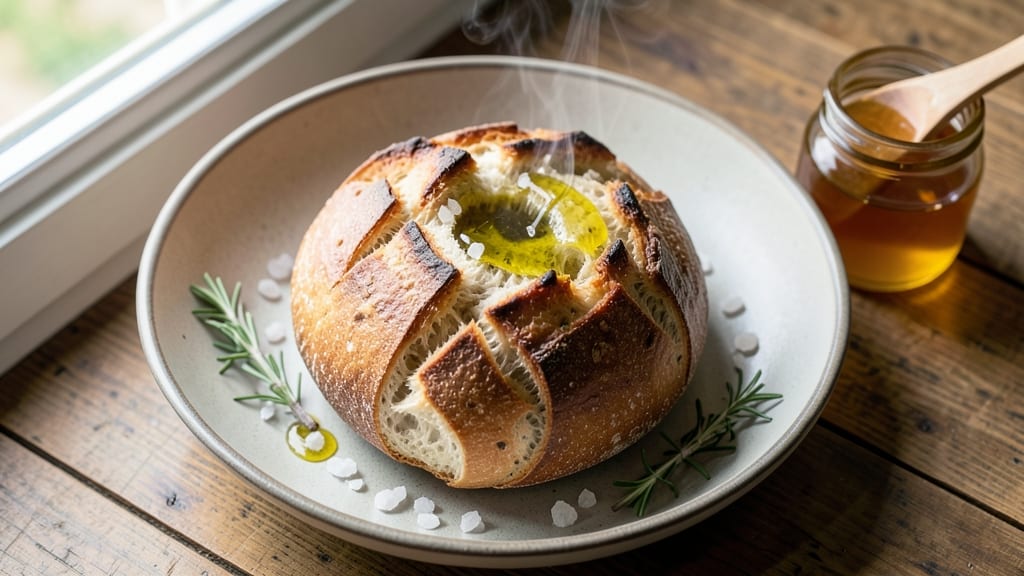
This artisan country French bread recipe delivers the perfect balance of a crisp, rustic crust and an airy, open crumb in just two hours. The secret lies in precise dough hydration and proper proofing techniques that transform simple ingredients into bakery-quality bread.
I've perfected this method over years of experimentation, ensuring every loaf turns out with that signature French texture.
What makes this recipe stand out is the combination of high-gluten flour and a slow fermentation process, which develops deep flavor and an ideal crumb structure. The dough requires minimal handling—just mix, knead briefly, and let time do the work.
This approach ensures consistent results without requiring advanced baking skills, making it accessible for home bakers.
By the time you pull that golden-brown loaf from the oven, you'll have achieved a crust with satisfying crunch and a crumb so open it practically melts in your mouth.
The aroma alone will make your kitchen feel like a Parisian boulangerie. This bread pairs beautifully with soups, stews, or simply slathered with butter for breakfast.
For those who want to experiment, you can easily customize the dough with seeds, herbs, or even a touch of honey for added flavor. The core technique remains the same, ensuring you'll always achieve that classic French bread texture. Let's get started on creating your perfect loaf.
Ingredients for artisan country french bread
Simple ingredients, precise technique—this is all you need for bakery-style French bread.
| Ingredient | Amount | Notes |
|---|---|---|
| High-Gluten Flour 🌾 | 3 ½ cups | King Arthur or Bob's Red Mill preferred |
| Water 💧 | 1 ½ cups | Lukewarm, not hot |
| Active Dry Yeast 🍞 | ¼ tsp | Freshly opened for best results |
| Salt 🧂 | 1 ½ tsp | Diamond Crystal preferred |
| Olive Oil 🫒 | 1 tbsp | Extra-virgin for richness |
| Honey 🍯 | 1 tbsp | For crust browning |
| Coarse Cornmeal 🌽 | ½ cup | For dusting baking sheet |
| Sesame Seeds 🌰 | 1 tbsp | Optional for topping |
| Ice Water ❄️ | ½ cup | For shaping dough |
The flour is everything here. High-gluten flour like King Arthur or Bob's Red Mill gives that signature open crumb, but if you're in a pinch, King Arthur Bread Flour works too. I always buy mine from Whole Foods or King Arthur's website—their packaging keeps it fresh longer. The yeast? Freshly opened is key—if it's been sitting in your pantry for months, it might not wake up properly. For the honey, raw wildflower has the best flavor, but any variety will do. The olive oil should be extra-virgin—cheap oil won't give that rich crust. And yes, you'll need ice water for shaping—trust me on this.
No high-gluten flour? Substitute with bread flour plus 1 tbsp vital wheat gluten for every cup. Running low on honey? Maple syrup works in a pinch, but it'll add a different flavor profile. The sesame seeds are optional, but if you skip them, try poppy seeds or everything bagel seasoning instead. The cornmeal is just for dusting—semolina works too. And if you're worried about the yeast, do the float test: drop a pinch in warm water with a pinch of sugar—if it bubbles in 5 minutes, it's good to go.
This dough is a patient one—let it rise overnight if you can. Cover with a damp towel and keep it in a warm spot (like your oven with the light on) for the best results. The shaped loaf keeps 3 days at room temperature wrapped in a clean kitchen towel. For longer storage, freeze the baked loaf up to 3 months—just thaw at room temperature before serving. Slice it fresh for that perfect crust-to-crumb ratio every time.
Why You'll Love This Recipe
- Four-Ingredient Magic: I swear by this—just flour, water, yeast, salt, and a drizzle of olive oil. That’s it. No fancy mix-ins, no stress. The high-gluten flour does all the heavy lifting, giving you that signature chewy crumb with zero fuss.
- Crust That Cracks: Between us, there’s nothing like that first tear into a crust so golden it’s almost caramelized. The yeast and olive oil work together to create a flavor that’s simple but ridiculously satisfying—like a hug from a French bakery.
- Weeknight Hero: This bread is my go-to when I’m too tired to plan. Toss it in the oven while dinner simmers, and boom—warm, crusty loaves ready in 30 minutes. (Yes, even on a Tuesday night.) It’s the kind of thing that makes you feel like you’ve earned your dinner.
- Budget-Friendly Staple: A single batch feeds my family for days—sandwiches, toast, or dipped in olive oil for a snack. The ingredients cost pennies, and the leftovers? They disappear faster than I can say "more bread." Honestly, it’s the kind of recipe that makes me question why I ever bought store-bought.
Step-by-step instructions for artisan country French bread
Here's how to craft a perfect loaf with a crispy crust and open crumb—no fancy equipment needed.
Activate the Yeast and Mix the Dough
In a large bowl, combine the 1.5 cups lukewarm water with the 0.25 tsp active dry yeast. Let it sit for 5 minutes until it becomes frothy—this confirms your yeast is alive and ready to work. If it doesn't bubble, your yeast might be dead, and you'll need to start over.
Add the 3.5 cups high-gluten flour, 1.5 tsp salt, 1 tbsp olive oil, and 1 tbsp honey to the bowl. Using a wooden spoon or your hands, mix everything together until a shaggy dough forms. The high-gluten flour is key here—it gives that signature open crumb and chewy texture you love in French bread.
Knead Until Smooth and Elastic
Turn the dough onto a lightly floured surface and knead for 8-10 minutes until it's smooth, elastic, and springs back when poked. I like to use the "windowpane test"—stretch a small piece of dough thin enough to see light through it. If it tears instead of holding, keep kneading for another minute or two.
This step develops gluten, which traps gas during fermentation and creates that airy crumb. If the dough feels sticky, add just a little more flour, but don't overdo it—too much flour will make your bread dense.
First Rise (Bulk Fermentation)
Place the dough in a lightly oiled bowl, cover it with a damp towel, and let it rise in a warm place for 1-1.5 hours. You'll know it's ready when it's doubled in size and jiggly when shaken gently. This first rise is where the magic happens—flavor develops, and the dough becomes light and airy.
Don't rush this step. A longer rise (up to 2 hours) gives even more flavor, but at least 1 hour is non-negotiable. If your kitchen is cold, place the bowl near a warm oven with the light on to speed up fermentation.
Shape and Second Rise
Punch down the dough to release air, then divide it into 4 equal pieces. Roll each piece into a smooth, round ball, and place them on a baking sheet dusted with 0.5 cup coarse cornmeal. Cover loosely with a towel and let them rise for another 30-45 minutes until puffy and nearly doubled in size.
The cornmeal creates texture and prevents sticking. If your dough isn't rising well, it might be too cold—give it a few more minutes in a warmer spot. This second rise is quick but crucial for that classic French bread shape.
Bake for a Crispy Crust and Soft Crumb
Preheat your oven to 425°F with a baking stone or inverted baking sheet inside. Once the dough has risen, brush the tops with a little water and sprinkle with 1 tbsp sesame seeds (if using). Bake for 20-25 minutes until the bread is deep golden brown and sounds hollow when tapped on the bottom.
For extra crispiness, I like to turn the oven to broil for the last 1-2 minutes, keeping a close eye to avoid burning. Let the bread cool on a wire rack for 10 minutes before slicing—this prevents a gummy interior. The crust should be shatteringly crisp, while the crumb inside should be soft and open, with those signature air pockets.
Pro Tips For Making Artisan Country French Bread
- Autolyse First: Mix the high-gluten flour and water before adding yeast or salt—let it sit for 30-60 minutes. This relaxes the gluten, making the dough stretchier and easier to shape later (yes, even if you’re impatient like me).
- Use Lukewarm Water: Check your water temperature—yeast thrives at 75-85°F (24-29°C). Too hot, it kills it; too cold, it takes forever. Stick your finger in: if it feels warm but not hot, you’re good.
- Skip Over-Kneading: High-gluten flour wants to work hard, but don’t go overboard. Knead just until the dough springs back when poked (about 5-8 minutes by hand). Overwork it, and you’ll end up with a chewy brick, not airy bread.
- Score Deeply Before Baking: Use a razor blade or sharp knife to slash the dough just before baking—cut all the way to the countertop for maximum rise. Shallow scores? You’ll get a weak crust. Deep cuts? Crispy, open-topped perfection.
Make-ahead tips for this artisan country french bread
Dough Prep Ahead
Mix your dough up to 24 hours in advance and let it ferment in the fridge for maximum flavor development. Place the shaped dough balls in an airtight container, cover with a damp towel, and refrigerate.
This slow fermentation creates deeper flavor and a more open crumb. When ready to bake, let them sit at room temperature for 1 hour before baking to ensure even rise. 🌱
Freezing Shaped Dough
Shape your dough into balls, place them on a parchment-lined tray, and freeze for 1 hour to solidify. Transfer to a sealed freezer bag with parchment between layers to prevent sticking. Thaw overnight in the fridge, then let sit at room temperature for 1 hour before baking as directed.
This method works perfectly for meal prep—just bake straight from frozen with an extra 5-10 minutes in the oven.
Baked Bread Storage
Wrap cooled loaves in a clean kitchen towel and store at room temperature for up to 3 days. The towel traps moisture and keeps the crust crisp. For longer storage, freeze baked bread in a resealable bag for up to 3 months.
Thaw at room temperature before serving—never microwave, as it destroys the crust's texture. I always keep one loaf in the freezer for quick breakfasts or sandwiches. ❄️
Reviving Stale Bread
Got leftover bread that's lost its crunch? No problem! Wrap the loaf in foil and heat at 350°F for 5-10 minutes to revive the crust. For extra crispiness, broil for 1-2 minutes on high.
This works best with bread that's been stored for 2-3 days. Alternatively, toast slices for 2-3 minutes until golden and crispy again.
Batch Baking Tips
Double the recipe and bake two trays at once for large gatherings. Use two baking stones or inverted sheets to accommodate both. Space the dough balls 2 inches apart on each tray for even browning.
If your oven can't handle two trays, bake one tray, then rotate the pans halfway through for the second tray. This ensures consistent results even when baking in batches. 🔥
Portion Control
Divide dough into 4 equal portions for standard-sized loaves, or make 2 large boules by combining two portions each. For individual rolls, divide into 8 smaller pieces and bake on a parchment-lined sheet.
Adjust baking time by 2-3 minutes for smaller portions—they'll cook faster. Always check for doneness by tapping the bottom: it should sound hollow when fully baked.
Nutrition facts
Frequently asked questions
Why does this recipe use high-gluten flour instead of all-purpose?
The high-gluten flour creates that signature open crumb and chewy texture you love in traditional French bread. It develops more gluten during kneading, which traps gas during proofing and gives the bread its airy structure. All-purpose flour would make your loaf denser and less flavorful.
Can I make this bread without a baking stone?
Use an inverted baking sheet on the middle rack instead. For even better results, place a 1-inch thick steel pan on the lower rack to help create steam. This mimics the effect of a baking stone and gives you that perfect crust.
How do I know when the dough is properly kneaded?
Test it with the "windowpane test"—stretch a small piece of dough until it's thin enough to see light through it. If it holds without tearing, you're ready! Kneading should take about 8-10 minutes total. The dough should also spring back slowly when poked.
What if my bread doesn't rise properly?
Check your yeast first—it should bubble within 5 minutes when mixed with warm water. If not, your yeast is dead. Also ensure your dough is in a warm place (75-80°F). If your kitchen is cold, try placing the bowl near a warm oven with the light on.
Can I add herbs or seeds to this dough?
Yes! Try 1 tbsp sesame seeds, poppy seeds, or chopped rosemary mixed into the dough before shaping. For stronger flavors, add them to the cornmeal dusting before the final rise. Just don't exceed 2 tbsp total additions to maintain the classic texture.