
Side Dishes
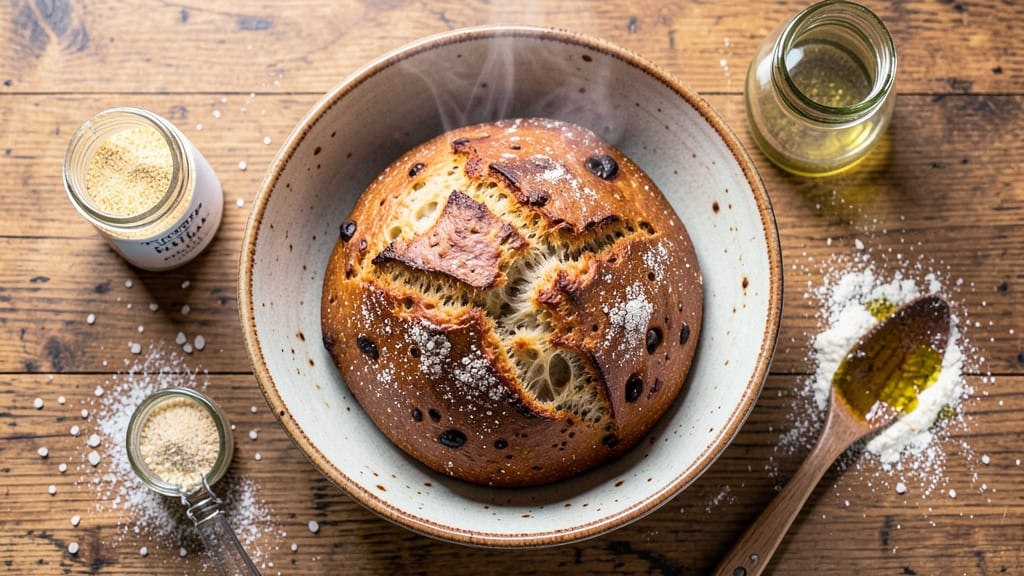
Artisan peasant bread brings rustic tradition to your kitchen with its signature crisp crust and airy, open crumb—no fancy equipment required. This time-honored recipe transforms simple ingredients into a loaf that pairs perfectly with soups, olive oil, or fresh cheese. The beauty lies in its simplicity: flour, water, yeast, and salt work together to create a bread that’s both humble and impressive.
The secret to success is patience—letting the dough ferment slowly develops deep flavor and an open crumb structure. I’ve perfected this method over years of baking, ensuring a foolproof process that yields a loaf with a golden crust and tender interior.
Whether you’re baking in a home oven or experimenting with wood-fired techniques, the result is always satisfying.
What makes this bread truly special is its versatility. Serve it warm with butter, dip it into hearty stews, or use it as a base for sandwiches.
The crust stays crisp for hours, while the crumb remains soft and inviting. This is bread that feels like a hug—rustic, comforting, and full of character.
Ready to bake? The process is straightforward, but the rewards are worth every minute. Let’s get started on creating a loaf that’s as much a part of your table as it is of tradition.
Ingredients for artisan peasant bread
Four cups flour, a pinch of yeast, and patience make this rustic loaf perfect for any table.
| Ingredient | Amount | Notes |
|---|---|---|
| All-Purpose Flour 🌾 | 4 cups | Unbleached preferred for better texture |
| Active Dry Yeast 🍞 | ¼ tsp | Fresh yeast if available |
| Granulated Sugar 🍚 | ½ tsp | Feeds the yeast |
| Fine Sea Salt 🧂 | 1 ½ tsp | Diamond Crystal preferred |
| Warm Water 💧 | 1 ¼ cups | 105-110°F for yeast activation |
| Olive Oil 🫒 | 2 tbsp | Extra-virgin for richness |
| Cornmeal or Semolina 🌽 | ½ cup | For dusting baking sheet |
| Coarse Cornmeal 🌽 | ¼ cup | For sprinkling on top |
| Ice Water ❄️ | ¼ cup | For shaping dough |
Flour is the backbone here—King Arthur or Caputo Tipo 00 if you want to splurge, but regular all-purpose works just fine. The yeast? Check the expiration date—old yeast won’t activate properly. I grab mine from Whole Foods bulk bins when possible, but the tiny packets from the grocery store aisle work too. For the olive oil, Trader Joe's has a great extra-virgin option that’s affordable. The cornmeal? Any kind will do, but the coarse kind gives that classic peasant bread texture on top.
No yeast? Sourdough starter at 2 tbsp works in a pinch (double the flour). Running low on olive oil? Melted butter or vegetable oil keeps the dough from sticking. Salted butter? Use half the amount and add extra salt to the dough. The water should be warm enough to melt butter instantly but not hot—105-110°F is ideal. Too hot and you’ll kill the yeast. Pro tip: Use a thermometer if you’re unsure.
This dough needs time—at least 2 hours for the first rise, longer if your kitchen’s cool. Store leftovers wrapped in a cloth bag at room temp for 2-3 days, or freeze slices for up to 3 months. The crust stays crisp for hours, but the crumb gets stale after 1 day. Toast it to revive! I always bake two loaves—one for the table, one for freezing.
Why You'll Love This Recipe
- Five-Ingredient Magic: Between us, this is the kind of bread where you actually use the pantry staples you already own. No fancy sourdough starter or obscure flours—just flour, yeast, sugar, salt, and water. The dough comes together in minutes, and honestly? That’s half the battle won before you even preheat the oven.
- Crusty Yet Simple: Here’s what sold me—the perfect balance of a crackly, golden crust with a soft, airy interior. The sea salt finishes it off like a little flavor punch, and that warm water trick? It keeps the dough from being tough or dry. (Yes, even on a Tuesday night.)
- Weeknight Workhorse: I’ve used this bread for everything from sopping up marinara to pairing with charcuterie. Freeze half the batch for lazy mornings—just toast straight from frozen. It’s the kind of loaf that doesn’t need a special occasion to shine.
Step-by-step instructions for artisan peasant bread
Here's how to craft a rustic loaf with a crisp crust and tender interior using simple ingredients.
Activate the Yeast with Warm Water
In a small bowl, combine the 1.25 cups warm water (tested between 105-110°F—it should feel warm but not hot to your wrist) with the 0.5 tsp granulated sugar and 0.25 tsp active dry yeast. Let it sit for 5-10 minutes until foamy. This step ensures your yeast is alive and ready to work.
If no foam forms after 10 minutes, your yeast might be dead—start over with fresh yeast. Once active, the mixture will look bubbly and smell slightly sweet. This is your signal to move forward.
Mix the Dough with Flour, Salt, and Olive Oil
In a large mixing bowl, whisk together the 4 cups all-purpose flour and 1.5 tsp fine sea salt. Make a well in the center and pour in the yeast mixture along with the 2 tbsp olive oil. Use a wooden spoon or your hands to gradually incorporate the flour until a shaggy dough forms.
Once combined, turn the dough onto a lightly floured surface and knead for 8-10 minutes until smooth and elastic. The dough should spring back when poked—this means it's developed enough gluten for a good rise. If it feels sticky, add 1 tablespoon of flour at a time until it's manageable.
Let the Dough Rise and Rest
Place the dough back in the bowl, cover with a damp towel, and let it rise in a warm spot for 1-2 hours or until it doubles in size. You'll know it's ready when the dough feels light and airy, with visible bubbles forming on the surface.
After the first rise, punch down the dough to release air, then divide it into 4 equal portions (about 1 cup each). Shape each portion into a round ball, then flatten slightly into a disc. This is where the magic happens—your bread will develop its signature rustic texture.
Shape and Proof the Dough
Arrange the dough discs on a baking sheet dusted with 0.5 cup cornmeal or semolina. Cover again and let them proof for 30-45 minutes until puffy. Meanwhile, preheat your oven to 425°F with a baking stone or inverted baking sheet inside—this mimics a professional oven's heat distribution.
Just before baking, sprinkle each disc with 0.25 cup coarse cornmeal and a pinch of salt. The cornmeal adds texture and prevents sticking. The salt enhances flavor, and the coarse texture gives that classic peasant bread look.
Bake to Golden Perfection
Bake the bread for 20-25 minutes until the crust is deep golden brown and the internal temperature reaches 190°F. The bread should sound hollow when tapped on the bottom—this means it's fully baked.
For extra crispiness, transfer the loaves to a wire rack and let them cool for 10 minutes. Serve warm with butter or olive oil for that authentic, rustic flavor. The crust should be crackly, while the interior remains soft and chewy—just like a true peasant bread!
Pro Tips For Making Artisan Peasant Bread
- Bloom the Yeast First: Skip mixing yeast directly into flour—it’ll wake up faster and stronger. Stir it into the warm water with sugar, wait 5–10 minutes until frothy (you should see tiny bubbles), then add the flour. I learned this the hard way when my dough took three hours to rise because the yeast was sluggish.
- Measure Flour Right: Don’t scoop from the bag—it packs unevenly and throws off hydration. Spoon flour into a scale, then level it off with a knife. A cup of flour can weigh 120g or 160g depending on how you handle it, and this bread needs precision. (Yes, even if you’re impatient like me.)
- Knead Until Silky: Stop when the dough springs back slowly after poking it—about 8–10 minutes by hand. Over-kneading makes gluten tough, and under-kneading means a dense loaf. If your arms are tired, switch to a stand mixer with the dough hook for 4–5 minutes on medium.
- Salt the Water: Dissolve the sea salt fully in the warm water before mixing—undissolved grains can burn spots on your dough. A pinch of salt in the water also helps control yeast activity better than adding it later. (Your future self will notice the difference in flavor.)
Wine and beer pairings for this artisan peasant bread
Crisp White Wine Pairings
Peasant bread’s rustic charm shines with dry white wines that cut through its hearty texture. A Sauvignon Blanc from New Zealand—like Kim Crawford—brings zesty citrus and herbal notes that complement the crust’s crispness.
The acidity refreshes your palate after each bite, while the bread’s simple flavors let the wine’s character shine. 🍷
For something lighter, try an Italian Vermentino from Sardinia, such as Cantina Mesu e Merzu. Its bright, mineral-driven profile balances the bread’s earthy tones without overpowering them. I keep a bottle of this on hand whenever I bake—it’s my go-to for rustic bread pairings.
Earthy Red Wine Options
If you prefer red, a light-bodied Chianti like Ruffino Chianti Classico works beautifully. Its cherry and herbal notes harmonize with the bread’s crust, while the tannins are gentle enough not to clash. Serve it slightly chilled to enhance its freshness. 🍇
Avoid heavy, oaky reds—they’ll overwhelm the bread’s delicate crumb. Instead, opt for a Spanish Garnacha with its juicy berry flavors and silky texture. Look for Bodegas Muga Garnacha—it’s a crowd-pleaser with rustic bread.
Beer Pairings for Bold Flavors
For beer lovers, a Belgian Witbier like Stella Artois is a classic match. Its coriander and citrus notes lift the bread’s crust, while the effervescence cleanses your palate. The slight sweetness also balances the bread’s saltiness. 🍺
If you prefer darker beers, try a German Pilsner such as Warsteiner. Its crisp, hoppy profile contrasts the bread’s richness, creating a perfect balance. For a bolder option, a Belgian Dubbel like Westmalle Dubbel adds caramel and spice that pair wonderfully with the crust’s toasted notes.
Unexpected Pairings
Don’t overlook sparkling wines—a Prosecco like La Marca adds a festive touch to your meal. Its bubbles and light fruitiness make it surprisingly versatile with peasant bread. 🥂
For something unexpected, try a dry cider like Strongbow. The crisp apple flavors and slight tannins mirror the bread’s rustic profile, while the effervescence keeps things lively. It’s a favorite at my dinner table when I want something different.
Nutrition facts
Frequently asked questions
Can I make this peasant bread without a baking stone?
If you don’t have a baking stone, place an inverted baking sheet on the middle rack while preheating. This helps create steam for a crisp crust. For even better results, try a cast-iron skillet—it retains heat beautifully and gives that perfect rustic texture. Just make sure your oven is fully preheated before adding the dough.
Why did my bread turn out dense instead of airy?
Dense bread usually means the yeast didn’t activate properly or the dough didn’t rise enough. Double-check your water temperature (105-110°F) and yeast freshness. Also, ensure the dough doubled in size during the first rise—if your kitchen is cool, try placing the bowl near a warm oven or under a heat lamp. Patience is key!
How can I store leftover peasant bread?
Wrap cooled loaves in a clean kitchen towel or cloth bag to keep them fresh for 2-3 days at room temperature. For longer storage, slice and freeze portions in airtight containers for up to 3 months. To revive stale bread, warm slices in a 350°F oven for 5-10 minutes or toast in a skillet with butter.
What’s the difference between peasant bread and sourdough?
Peasant bread relies on commercial yeast for a quick rise, while sourdough uses a natural fermentation process with a starter. Peasant bread has a simpler flavor profile with a crisp crust and open crumb, while sourdough develops complex tanginess over days. Both are delicious, but peasant bread is perfect when you want rustic flavor without the wait!
Can I add seeds or herbs to this recipe?
Yes! Try adding 1-2 tablespoons of sesame, poppy, or flaxseeds to the dough for extra texture. For herbs, mix in 1 tablespoon chopped rosemary or thyme when shaping. Just