
Side Dishes
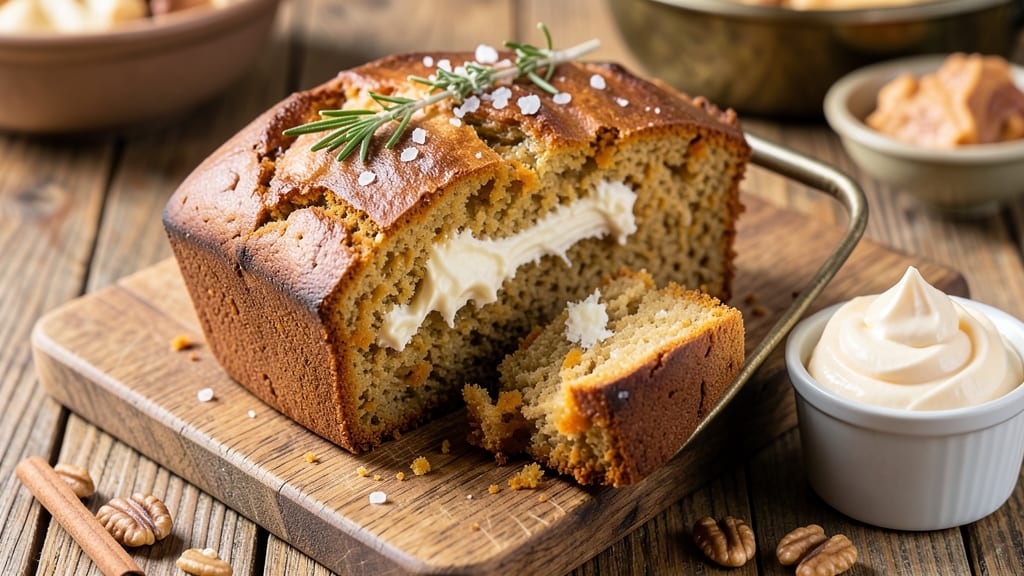
This artisan pumpkin bread recipe delivers the perfect balance of moist, tender crumb and warm spice swirls that make every slice feel like autumn in a loaf. The secret lies in combining pumpkin puree with a precise blend of spices—cinnamon, nutmeg, and clove—to create layers of flavor that stay fresh for days. I developed this recipe after years of testing, ensuring the texture stays perfectly moist without turning dense, while the swirled spice streaks add visual appeal and depth.
The foundation of this bread is a well-creamed butter-and-sugar mixture, which incorporates air for that signature tender crumb. Adding pumpkin puree and eggs creates a rich, velvety texture, while the spice swirls cut through the sweetness with just the right amount of warmth.
Baking at 350°F for 50-60 minutes ensures a golden crust and an internal temperature of 200°F, guaranteeing doneness without drying out.
What sets this recipe apart is the optional glaze—a simple mix of powdered sugar and cream cheese—that adds a glossy finish and extra richness. Whether you serve it at holiday gatherings or as a comforting weekday treat, this bread delivers restaurant-quality results with minimal effort.
The aroma alone will fill your kitchen with the cozy scent of fall.
Perfect for gifting, meal prep, or enjoying fresh from the oven, this artisan pumpkin bread is designed to impress. The recipe scales easily, making it ideal for both small batches and large gatherings. Let’s get started on creating your own loaf of perfection.
Ingredients for artisan pumpkin bread
Eight essential ingredients transform into a tender loaf with autumn's best flavors.
| Ingredient | Amount | Notes |
|---|---|---|
| Unsalted Butter 🧈 | 1 cup | Softened to room temperature |
| Granulated Sugar 🍚 | 1 ½ cups | Light or dark brown sugar |
| Pumpkin Puree 🎃 | 1 cup | 100% pure, no spices added |
| Large Eggs 🥚 | 2 whole | Room temperature preferred |
| All-Purpose Flour 🌾 | 2 ½ cups | Sifted for light texture |
| Baking Powder 🧂 | 2 tsp | Aluminum-free recommended |
| Baking Soda 🧂 | ½ tsp | Freshly measured |
| Ground Cinnamon 🌿 | 2 tsp | Freshly ground preferred |
| Ground Nutmeg 🌿 | ½ tsp | Finely ground |
| Ground Cloves 🌶️ | ¼ tsp | Freshly ground for potency |
| Salt 🧂 | ½ tsp | Diamond Crystal kosher |
| Powdered Sugar 🍚 | 1 cup | For glaze, sifted |
| Cream Cheese 🧀 | 4 oz | Softened for glaze |
The butter and sugar start this recipe right—European-style unsalted butter (like Plugrá) gives the richest flavor, but any good brand works. For sugar, I prefer a mix of light and dark brown—the molasses in dark brown deepens the caramel notes. Pumpkin puree is non-negotiable; Libby's 100% pure is my go-to, but check labels for added spices or fillers. The spices? Penzeys for ground cinnamon and nutmeg if you want premium quality, but store-bought is fine. Just make sure they're fresh—if they smell stale, toss them. Eggs should be room temperature for even baking, but if you're in a rush, let them sit in warm water for 5 minutes.
No cream cheese for the glaze? Vegan cream cheese or even a mix of powdered sugar and milk works in a pinch. Short on pumpkin puree? Canned pumpkin (unsweetened) works identically, but avoid pie filling—it's too thick. The flour needs to be sifted with the baking powder and soda for that signature tender crumb. King Arthur or Gold Medal brands are my top picks for consistent results. For the spices, if you're feeling adventurous, toast the whole spices (cinnamon sticks, nutmeg seeds) first and grind them fresh—game-changer for depth. But honestly, the jarred stuff is fine if you're short on time.
This bread keeps beautifully—3-4 days at room temperature wrapped in foil, or 1 week in the fridge. For longer storage, freeze the whole loaf for up to 3 months. To reheat, wrap slices in a damp paper towel and microwave for 15 seconds. The glaze sets quickly, so if you're prepping ahead, make it fresh after baking. I always slice the bread while it's still warm—the crumb is at its peak tenderness then. And if you make extra? It makes fantastic breakfast toast or French toast the next morning.
Why You'll Love This Recipe
- Here’s what sold me: the warm cinnamon and nutmeg in that pumpkin puree? It’s like autumn in every bite—moist, tender, with just enough spice to make it feel special. (Yes, even on a Tuesday night.)
- No-Fuss Mixing: I swear by this recipe—just cream butter and sugar, toss in eggs, fold in pumpkin puree, and boom. No food processor, no whisking until your arm falls off. That rich butter-sugar combo makes the batter practically self-blending.
- Spice-Kissed Magic: Here’s what sold me: the warm cinnamon and nutmeg in that pumpkin puree? It’s like autumn in every bite—moist, tender, with just enough spice to make it feel special. (Yes, even on a Tuesday night.)
- Breakfast or Snack: Honestly, this bread disappears fast. Toast a slice for breakfast with butter, or pack it for lunch—it’s hearty enough to stand alone. My kids grab it straight from the pan, warm, and my husband sneaks seconds when he thinks I’m not looking.
Step-by-step instructions for artisan pumpkin bread
Here's how to create a tender, spice-infused loaf with perfect texture and flavor.
Cream Butter and Sugars Together
In a stand mixer fitted with the paddle attachment, beat the 1 cup unsalted butter and 1.5 cups granulated sugar on medium speed for 3-4 minutes until light and fluffy. You'll see the mixture nearly double in volume and become pale in color. This creaming process incorporates air, which creates that signature tender crumb.
I press down on the butter-sugar mixture occasionally to ensure everything's fully combined. If you're mixing by hand, use a sturdy wooden spoon and work for 5-6 minutes until smooth. The butter should be completely incorporated with no visible lumps—this prevents dense pockets in your bread.
Add Eggs and Pumpkin Puree
Add the 2 whole large eggs one at a time, mixing well after each addition until fully incorporated. Then add the 1 cup pumpkin puree and mix on low speed for 1 minute until just combined. The batter will look slightly curdled at first, but don't worry—it will smooth out when you add the dry ingredients.
This is where the pumpkin's natural moisture comes into play. The puree should be smooth with no visible chunks, and room temperature works best for even distribution. If your puree is cold, let it sit at room temperature for 10 minutes before using to prevent cooling the butter mixture.
Combine Dry Ingredients
In a separate bowl, whisk together the 2.5 cups all-purpose flour, 2 teaspoons baking powder, 0.5 teaspoon baking soda, 2 teaspoons ground cinnamon, 0.5 teaspoon ground nutmeg, 0.25 teaspoon ground cloves, and 0.5 teaspoon salt. Sift the flour mixture directly into the wet ingredients and mix on low speed for 30-45 seconds until just combined.
Overmixing develops gluten, which can make your bread dense. Stop mixing as soon as you see a few flour streaks remain. The batter should be thick but pourable. If it looks too stiff, gently fold in 1-2 tablespoons of milk (though our recipe doesn't call for it, this helps if you're in a high-altitude area).
Prepare Spice Swirl and Assemble Loaf
In a small bowl, combine 2 tablespoons of the batter with 1 teaspoon ground cinnamon and 1 teaspoon granulated sugar for the spice swirl. Spread half of the remaining batter into a 9x5-inch loaf pan lined with parchment paper. Drop spoonfuls of the spice mixture over the top, then swirl gently with a knife. Add the remaining batter and swirl again for a marbled effect.
The spice swirl should be visible but not overpowering. Tap the pan gently on the counter to release any air bubbles. This layering creates those beautiful warm spice pockets throughout each slice. Don't press down on the batter—it needs to rise evenly in the oven.
Bake to Golden Perfection
Preheat your oven to 350°F and bake the loaf for 50-60 minutes until a toothpick inserted in the center comes out clean. The top should be golden brown with a slight crack, and the edges should pull away from the pan slightly. If the top browns too quickly, tent loosely with aluminum foil after 30 minutes.
Here's the thing about pumpkin bread—it's done when it smells like warm spices and pulls away from the pan. The internal temperature should read 200-210°F at the center. Let the bread cool in the pan for 10 minutes, then transfer to a wire rack. This resting period prevents a gummy crumb and allows the flavors to meld completely.
Prepare Cream Cheese Glaze
While the bread cools, prepare the glaze by beating the 4 ounces softened cream cheese with the 1 cup powdered sugar until smooth. Add 1 teaspoon vanilla extract (if using) and mix until fully combined. The glaze should be thick enough to drizzle but still pourable—if it's too stiff, add 1 teaspoon milk to thin.
Drizzle the glaze over the cooled loaf immediately after removing it from the rack. The bread will absorb some of the glaze, so work quickly. For extra presentation, sprinkle with additional cinnamon or coarse sugar while the glaze is still wet. Let the glaze set for 15 minutes before slicing.
Pro Tips For Making Artisan Pumpkin Bread
- Melt Butter Slowly: If you dump cold butter into your pumpkin mixture, you’ll end up with a greasy, uneven batter. Warm the butter first—just until it melts and turns liquid—but don’t let it get hot enough to smell nutty. I learned this the hard way after a batch turned out denser than a brick.
- Strain That Puree: Store-bought pumpkin puree often hides stringy bits that make your bread gummy. Strain it through a fine-mesh sieve before measuring—yes, it’s a pain, but your bread will thank you. (I know, I know, but trust the process.)
- Don’t Overmix the Batter: Pumpkin bread is forgiving, but overmixing develops the gluten and turns it tough. Mix just until the flour disappears—maybe 10-12 strokes max. I used to beat it like I was kneading dough, and the result was sad.
- Test for Doneness Early: Ovens run hot, and pumpkin bread can dry out fast. Stick a toothpick in at 45 minutes—if it comes out clean, it’s done. If not, tent it with foil and check again in 10. I’ve ruined batches by ignoring this, and you don’t want that either.
Regional styles of artisan pumpkin bread
New England Style
In New England, pumpkin bread often leans toward a denser, spicier profile with a touch of molasses for depth. I like adding ¼ cup molasses to the batter and increasing the nutmeg to 1 teaspoon for that classic Yankee spice kick.
The loaf pan is typically 9x5-inch, but some bakers prefer a 8x4-inch pan for a taller, more rustic loaf. Serve with a thin layer of maple butter instead of cream cheese glaze for an authentic touch. 🎃
Southern Comfort
Southern pumpkin bread often features a sweeter glaze and a hint of bourbon for warmth. I swap the cream cheese glaze for a honey-bourbon drizzle—mix ½ cup honey with 1 tablespoon bourbon and 1 teaspoon vanilla—and brush it over the warm loaf.
Add ½ teaspoon ginger to the spice swirl for a gingersnap-inspired twist. This version is a crowd-pleaser at Southern holiday gatherings. 🍯
Midwest Homestyle
The Midwest loves a hearty, moist loaf with a crunchy streusel topping. For this variation, sprinkle ½ cup chopped pecans and ¼ cup brown sugar over the batter before baking.
After baking, add a streusel topping made with ½ cup flour, ¼ cup melted butter, and 2 tablespoons brown sugar. This adds texture and a caramelized crust that Midwesterners adore. 🌰
Pacific Northwest Twist
In the Pacific Northwest, pumpkin bread often incorporates local ingredients like cranberries or blueberries for a tart contrast.
Fold ½ cup dried cranberries into the batter before baking, and top with a blueberry compote made from simmering 1 cup blueberries, 2 tablespoons sugar, and 1 teaspoon lemon juice. This balances the sweetness and adds a burst of fruitiness. 🫐
Modern Artisan
For a gourmet touch, I like using spiced rum in the glaze and adding white chocolate chunks to the batter. Replace the cream cheese glaze with a rum-infused glaze—mix ½ cup powdered sugar, 2 tablespoons rum, and 1 tablespoon heavy cream.
Fold ½ cup white chocolate chunks into the batter before baking for a luxurious finish. This version feels like a bakery showstopper. ✨
Gluten-Free Adaptation
For a gluten-free version, swap the all-purpose flour for a 1:1 gluten-free baking flour like Bob’s Red Mill. Add ½ teaspoon xanthan gum to help bind the crumb. Reduce the baking powder to 1.5 teaspoons and increase the baking soda to 1 teaspoon** for proper rise.
The texture will be slightly denser but still moist and flavorful. 🌾
Nutrition facts
Frequently asked questions
Can I substitute canned pumpkin for pumpkin puree?
Yes, you can use unsweetened canned pumpkin as a direct substitute for pumpkin puree. Just make sure it's 100% pumpkin with no added spices or sugar. The texture will be identical, and the flavor remains pure. Avoid pumpkin pie filling—it's too thick and often contains extra sugar or corn syrup.
Why does my pumpkin bread turn out dense instead of tender? Dense bread usually comes from overmixing or using cold ingredients.
How do I store pumpkin bread to keep it fresh?
Wrap cooled bread tightly in plastic wrap or aluminum foil and store at room temperature for 3-4 days. For longer storage, refrigerate for up to 1 week or freeze the whole loaf for 3 months. To reheat, wrap slices in a damp paper towel and microwave for 10-15 seconds. The glaze stays best when applied fresh after baking.
Can I make this recipe without a stand mixer?
Use a sturdy wooden spoon or hand mixer. For the butter and sugar, beat vigorously for 5-6 minutes until pale and fluffy. When adding the wet ingredients, mix just until combined. The key is patience—keep mixing until you see the mixture lighten in color, which takes a bit longer by hand but works perfectly.
What's the best way to slice pumpkin bread for perfect slices?
Let the bread cool completely before slicing to prevent crumbling. Use a sharp serrated knife and wipe it clean between each slice. For even slices, mark your desired thickness with toothpicks on the loaf before cutting. The spice swirls will show beautifully when sliced properly—aim for 1/2-inch to 3/4-inch thick slices.