
Side Dishes
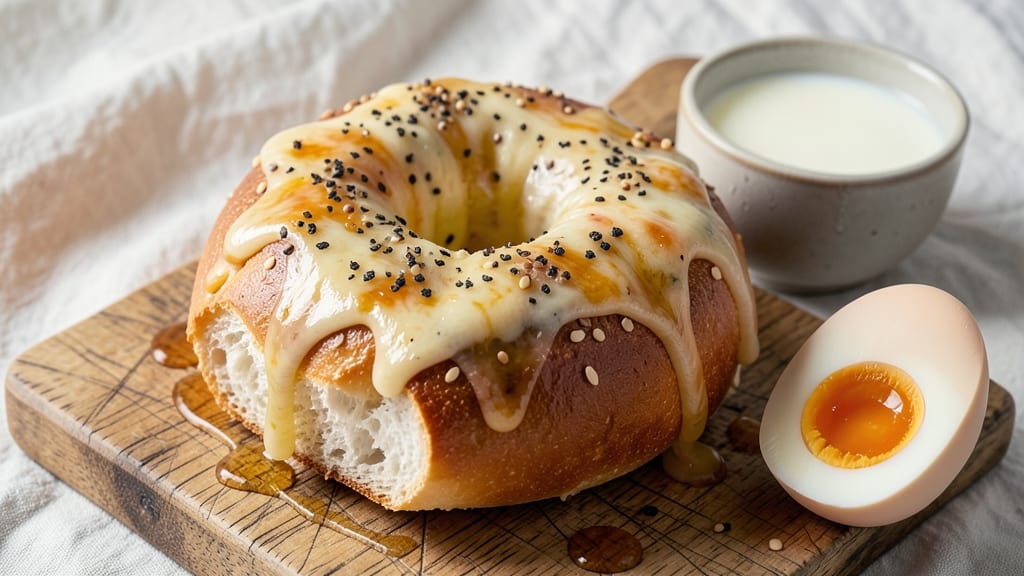
This Asiago bagel bread machine recipe transforms your bread machine into a cheesy, pull-apart masterpiece—no bagel board required. 💛 The secret lies in a rich dough infused with sharp Asiago cheese, creating a golden crust and tender interior that rivals artisanal bakery loaves.
Perfect for breakfast, sandwiches, or snacking, this recipe simplifies what was once a labor-intensive process into a hands-off, foolproof method.
The dough combines classic bread machine ingredients—flour, yeast, milk, and eggs—with a generous amount of Asiago cheese for that signature nutty, salty depth. The bread machine handles the kneading and proofing, while a quick shaping step ensures those coveted pull-apart strands.
Baking at the right temperature guarantees a crispy exterior and a soft, chewy center, every time.
What sets this recipe apart is the Asiago cheese, which melts just enough to create pockets of flavor while maintaining texture. The result? A loaf with a crusty, chewy pull-apart texture that’s ideal for toast, French toast, or simply breaking into warm, cheesy pieces.
No special equipment needed—just your bread machine and 15 minutes of prep time.
Whether you're feeding a crowd or treating yourself to a cheesy indulgence, this recipe delivers restaurant-quality results with minimal effort. The bread stays fresh for days, making it perfect for meal prep or gifting. Let’s get started on creating your next favorite loaf!
Ingredients for asiago bagel bread machine
Classic bread machine ingredients meet bold Asiago cheese for an irresistible pull-apart loaf.
| Ingredient | Amount | Notes |
|---|---|---|
| All-Purpose Flour 🌾 | 3 ½ cups | High-protein for chewy texture |
| Granulated Sugar 🍚 | ¼ cup | Enhances browning and flavor |
| Instant Yeast 🍞 | 0.01 oz | One packet (2.25 tsp) |
| Asiago Cheese, Grated 🧀 | 1 ½ cups | Freshly grated, sharp variety |
| Whole Milk 🥛 | 1 cup | Full-fat for optimal texture |
| Large Eggs 🥚 | 2 whole | Room temperature preferred |
| Unsalted Butter, Softened 🧈 | ½ cup | European-style preferred |
| Diamond Crystal Kosher Salt 🧂 | 1 ½ tsp | Adjusts to taste after baking |
| Sesame Seeds 🌻 | 2 tbsp | For classic bagel topping |
| Garlic Powder 🧄 | ½ tsp | Enhances cheesy flavor |
| Poppy Seeds 🌱 | 1 tbsp | Optional for extra texture |
| Cornmeal 🌽 | ½ cup | For bread machine pan prep |
| Water 💧 | ½ cup | Adjusts dough consistency |
The Asiago cheese is non-negotiable here—Boar's Head or imported Italian varieties deliver the most authentic flavor. Freshly grated is a must; pre-shredded contains anti-caking agents that prevent proper melting. For the flour, King Arthur or Gold Medal brands yield the best chewy texture. The yeast should be freshly opened (test by dissolving in warm water—it should foam within 10 minutes). Store your cheese in an airtight container between uses to maintain sharpness. If you're using a bread machine pan for the first time, line it with parchment paper for easy removal.
No sesame seeds? Poppy seeds or everything bagel seasoning work beautifully as substitutes. Running low on Asiago? Parmesan mixed with a touch of white cheddar mimics the flavor profile. The milk can be swapped for whole milk powder reconstituted with water if you prefer shelf-stable options. For a richer dough, replace half the water with heavy cream. If your bread machine requires a specific dough weight, adjust the water first before modifying other ingredients. The garlic powder can be omitted if you prefer a milder flavor, but it complements the Asiago beautifully.
This dough keeps in the fridge for up to 24 hours before baking—perfect for overnight prep. Once baked, store the loaf in an airtight container at room temperature for 2 days or freeze for 3 months. For best texture, reheat slices in a toaster or oven at 350°F for 5 minutes. The cheese continues to develop flavor over time, so leftovers often taste better the next day. Portion into individual slices and freeze for quick toast—simply pop in the toaster when ready. The cornmeal coating on the pan prevents sticking and adds a subtle crunch.
Why You'll Love This Recipe
- Bread Machine Magic: I swear by my bread machine for this one—just toss in the flour, milk, yeast, and grated Asiago, then let it do the work. No kneading, no fuss, and no excuses for skipping homemade bread.
- Cheese Pulls Hard: That salty, nutty Asiago melts into every bite, giving you a bagel-like crust with a cheesy, pull-apart interior. Honestly, the first time I bit into it, I nearly dropped the loaf.
- Weeknight Hero: Slice it for toast, use it for sandwiches, or serve it warm with butter—this bread adapts to everything. I keep a loaf on hand for lazy mornings or last-minute dinner rolls, and it never lets me down.
- Budget-Friendly Staple: Whole milk and Asiago stretch further than you’d think, and the dough’s simplicity means no wasted ingredients. Between us, this is the kind of recipe that makes grocery bills feel a little lighter.
Step-by-step instructions for Asiago bagel bread machine recipe
Here's the precise method for crafting a chewy, pull-apart loaf with perfect texture and flavor.
👨🍳 Step 1: Combine Wet Ingredients for Optimal Dough Development
In a medium bowl, whisk together the 1 cup whole milk, 2 whole large eggs, 0.5 cup softened unsalted butter, 0.25 cup granulated sugar, and 0.5 cup water until fully combined. The mixture should be smooth with no visible butter lumps. I like to use a whisk for this step to ensure proper emulsification of the fats.
Next, add the 1.5 cups grated Asiago cheese, 1.5 tsp Diamond Crystal kosher salt, 0.5 tsp garlic powder, and mix until the cheese is completely melted and evenly distributed. This creates a flavorful base that will infuse throughout the dough. The cheese should be fully incorporated with no visible clumps remaining.
👨🍳 Step 2: Mix Dry Ingredients and Create the Dough
In the bread machine pan, combine the 3.5 cups all-purpose flour and 0.5 cup cornmeal. Sprinkle the 0.01 oz instant yeast on top of the flour mixture and make a well in the center. Here's the thing—don't worry if the yeast isn't fully dissolved yet; it will activate properly during the mixing cycle.
Pour the wet ingredient mixture into the well and use a wooden spoon to gradually incorporate the flour from the edges, working from the outside in. Once combined, switch to your hands and knead briefly for about 1 minute until you have a shaggy dough ball that pulls away from the sides of the pan. This initial mixing creates the foundation for the bread machine to develop properly.
🥘 Step 3: Prepare the Bread Machine for Optimal Rising
Sprinkle 1 tbsp poppy seeds and 2 tbsp sesame seeds evenly over the surface of the dough. These seeds will create beautiful textural contrast and enhance the visual appeal of your finished loaf. Gently press them into the top of the dough so they adhere well during baking.
Select the "Basic" bread setting on your bread machine and choose the 3-pound loaf size option. The machine will automatically begin the kneading cycle. If your machine has a "dough" setting, use that instead for maximum control. The dough should knead for about 5-10 minutes until it becomes smooth, elastic, and springs back slowly when pressed.
🔥 Step 4: Bake to Golden Perfection with Chewy Texture
Once the kneading cycle completes, the bread machine will automatically begin the rising process. Let it rise until the dough reaches the top of the pan and looks puffy with visible expansion. This typically takes about 1 hour to 1 hour 15 minutes, depending on your machine and ambient temperature.
When the rising cycle completes, the machine will begin baking. The bread will bake for approximately 50-60 minutes until the internal temperature reaches 190-210°F and the crust turns a deep golden brown. The bread should have a hollow sound when tapped on the bottom, indicating proper doneness. The aroma should be rich with cheesy, toasted notes that fill your kitchen.
⏰ Step 5: Cool and Serve for Maximum Enjoyment
Remove the bread from the machine and transfer it to a wire rack to cool for at least 15 minutes. This cooling period is crucial as it allows the internal structure to set properly, preventing a gummy texture. Real talk: I know it's tempting to cut into it immediately, but resisting this urge makes all the difference in the final texture.
The finished loaf should have a dense, chewy crumb with pockets of melted Asiago cheese throughout. The exterior should be crispy with those beautiful sesame and poppy seed accents. Slice it thickly and serve warm with cream cheese or enjoy it as-is for a satisfying, cheesy bread experience that's perfect for sharing.
Pro Tips For Making Asiago Bagel Bread Machine
- USE WARM MILK: Cold milk slows yeast activity—it’s like putting a sleeping bag on your dough. Heat the whole milk to about 110°F (just warm to the touch) before mixing it in. This gets the yeast party started faster, especially in cooler kitchens.
- GRATE CHEESE FINE: Big cheese chunks melt unevenly and sink to the bottom like rocks in bread. Pulse grated Asiago in a food processor for 10 seconds—this ensures it distributes smoothly and melts into creamy pockets. (Yes, even if it looks like powder.)
- DON’T OVERMIX DOUGH: I used to knead this like I was punishing the dough, and it turned out dense. Mix just until the flour is combined—about 2 minutes in the bread machine’s dough cycle. Overworking it develops gluten too much, and you’ll end up with a bagel that’s more brick than chewy.
- SHAPE BY HAND: The bread machine’s default bagel shape is fine, but for a better crust and chew, shape the dough into 6-inch logs by hand. Press a thumbprint in the center of each—this creates that classic bagel hole and helps steam escape for a crispier finish. (It takes 2 minutes, not 20.)
Regional styles of this recipe
Italian-Inspired Variations
For a true Italian touch, replace the sesame seeds with 1 tbsp crushed fennel seeds and add 1 tsp dried oregano to the dough. This variation mimics the flavors of Italian focaccia while keeping the cheesy pull-apart texture.
I've found that Parmigiano-Reggiano mixed with Asiago (50/50) creates a richer, more complex flavor profile that Italian bakers swear by. 🌿
New York-Style Twist
Transform this into a New York-style bagel loaf by adding 1 tbsp malt powder (found in baking aisles) and 1 tsp honey to the wet ingredients. After baking, brush the warm loaf with 1 egg white mixed with 1 tbsp water, then sprinkle with everything bagel seasoning.
This creates a dark, caramelized crust reminiscent of classic NYC bagels while maintaining the cheesy interior. 🌆
Savory Herb Loaf
For a herbaceous variation, fold in 2 tbsp finely chopped fresh rosemary and 1 tbsp chopped fresh thyme along with the seeds. I recommend using dried herbs if you're prepping ahead, as fresh herbs can lose potency during the bread machine cycle.
This version pairs beautifully with garlic butter for dipping or as a side to roasted meats. 🌿
Sweet Cheese Option
Swap out half the Asiago for 1 cup ricotta cheese (blended smooth) to create a sweeter, more tender loaf. Add 1 tsp cinnamon and ½ cup raisins for a breakfast-friendly variation.
This works remarkably well when served with cinnamon sugar sprinkled on top after baking. The ricotta adds moisture that prevents dryness, making it perfect for morning toast. 🍯
Spicy Kick Version
For those who love heat, add ½ tsp cayenne pepper to the dry ingredients and sprinkle 1 tbsp crushed red pepper flakes on top before baking. I recommend using Penzeys brand spices for consistent quality.
This variation has a subtle burn that pairs perfectly with cooling cream cheese or spicy mustard for dipping. The heat enhances the cheesy flavor without overpowering it. 🌶️
Nutrition facts
Frequently asked questions
Can I make this recipe without a bread machine?
Yes! You can adapt this for a stand mixer or by hand. Mix the dough until it's smooth and elastic (about 8-10 minutes in a mixer with a dough hook), then let it rise for 1-2 hours until doubled. Shape into a loaf, place in a greased 9x5-inch pan, and bake at 375°F for 30-35 minutes until golden and reaching 190-210°F internally. The texture will be slightly less chewy but still delicious!
Why does my bread machine dough look too sticky?
Sticky dough often means your kitchen is too warm or the flour wasn't properly incorporated. Add 1-2 tablespoons more flour gradually until the dough pulls away from the pan. If using a 3-pound setting but the dough seems too wet, reduce the water by 1-2 tablespoons. Always check your bread machine's manual for dough weight guidelines—some require 2-3 pounds of dough.
How do I store leftovers to keep them fresh?
Wrap the cooled loaf tightly in plastic wrap or place it in an airtight container. Store at room temperature for 2-3 days or freeze for up to 3 months. To reheat, wrap slices in foil and warm in a 350°F oven for 5-7 minutes or toast directly. The cheese flavor actually improves slightly after baking, so leftovers often taste even better!
Can I substitute Asiago cheese with something else?
For the best flavor, use sharp white cheddar or Parmesan mixed with a little mozzarella. Avoid pre-shredded cheese—it contains anti-caking agents that prevent proper melting. If you're out of Asiago, Pecorino Romano works well too, though it's saltier. For a milder taste, use provolone, but expect less depth of flavor.
Why did my bread turn out dense instead of chewy?
Over-kneading or underproofing usually causes dense bread. Make sure your bread machine's kneading cycle completes fully (usually 5-10 minutes), and let the dough rise until it reaches the top of the pan. If your kitchen is cold, the dough may need 15-30 minutes extra to proof. Also, ensure you're using the correct dough weight for your machine—some require 2 pounds while others handle 3 pounds.