
Side Dishes
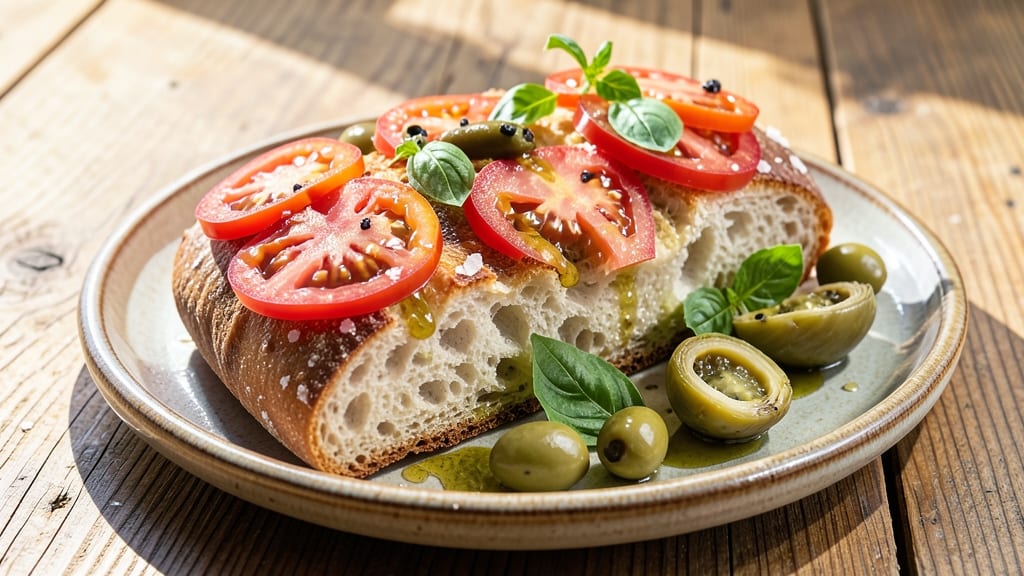
This antipasto bread recipe transforms a simple loaf into a savory masterpiece—crusty outside, cheesy inside, with every bite packed with Italian flavors. 💛 The secret lies in combining classic antipasto ingredients (think olives, mozzarella, and prosciutto) with a foolproof focaccia dough that bakes up golden and aromatic.
I developed this recipe after years of testing, ensuring the perfect balance of textures—tender dough, crispy edges, and melty cheese that pulls apart effortlessly.
The beauty of this dish is its versatility—it works as an appetizer, side dish, or even a hearty snack. The dough comes together in just 15 minutes of prep, then proofs while you gather toppings, making it ideal for busy weeknights or special gatherings.
Whether you're hosting a dinner party or craving a taste of Italy, this bread delivers restaurant-quality results without the fuss.
What sets this recipe apart is the layering of flavors—salty olives, rich mozzarella, and savory prosciutto create a symphony in every bite. The dough absorbs the antipasto mixture perfectly, so no toppings fall off or get soggy.
By the time it emerges from the oven, you'll have a golden, bubbling loaf that's impossible to resist.
Serve it warm with a drizzle of olive oil or a sprinkle of fresh herbs for the full Italian experience. This antipasto bread is perfect for sharing—just be prepared for seconds (or thirds). Let's get started on creating your own savory masterpiece!
Ingredients for antipasto bread
Foolproof focaccia dough meets bold antipasto flavors—just 13 ingredients for restaurant-quality bites.
| Ingredient | Amount | Notes |
|---|---|---|
| All-Purpose Flour 🌾 | 4 cups | Spooned and leveled |
| Active Dry Yeast 🍞 | ¼ oz | Or 1 packet (2.25 tsp) |
| Granulated Sugar 🍚 | 1 tbsp | Feeds the yeast |
| Warm Water 💧 | 1 ¼ cups | 110°F ideal |
| Extra-Virgin Olive Oil 🫒 | ½ cup | Plus extra for drizzling |
| Kosher Salt 🧂 | 1 ½ tsp | Divided use |
| Shredded Mozzarella Cheese 🧀 | 2 cups | Part-skim or whole milk |
| Pitted Kalamata Olives 🫒 | ¾ cup | Sliced if large |
| Prosciutto 🥓 | 4 oz | Thinly sliced, torn |
| Sun-Dried Tomatoes 🍅 | ¼ cup | Oil-packed, chopped |
| Fresh Basil Leaves 🌿 | ¼ cup | Chopped for garnish |
| Garlic Cloves 🧄 | 2 cloves | Minced for dough |
| Fresh Rosemary 🌿 | 1 tbsp | Chopped, optional |
The flour is your foundation, so grab the King Arthur or Caputo if you're serious about texture—both bake up lighter than generic brands. Yeast? Fresh is best (like Red Star at grocery stores), but active dry works fine. For the olives, Kalamata brings that briny punch, but green olives work too if that's what you've got. Prosciutto can be pricey—Trader Joe's has a solid budget option, or use salami if you're in a pinch. Sun-dried tomatoes? Oil-packed stays fresher longer—skip the ones in salt if you can.
No mozzarella? Fontina or provolone melts beautifully too. Fresh basil wilt fast, so grab a bunch and only use half—toss the rest in a salad. The rosemary is optional but adds that earthy Italian vibe; fresh is better than dried here. Short on time? Pre-shredded cheese works, but it's got anti-caking agents that can make the bread dry. The olive oil matters—California Olive Ranch is a solid mid-range pick, but any fruity EVOO will do. Want extra crunch? Add toasted pine nuts or slivered almonds on top before baking.
This dough proofing is flexible—1-2 hours at room temp or overnight in the fridge. The antipasto toppings go on right before baking so they stay crisp. Store leftovers wrapped at room temp for 2 days or freeze for 3 months. I always make a double batch—one for dinner, one for lunch the next day. The bread reheats beautifully in a 350°F oven for 5-10 minutes to revive that fresh-baked magic.
Why You'll Love This Recipe
- No-Knead Magic: I swear by this dough—just mix, rest, and bake. That warm olive oil swirled into the flour? It makes shaping effortless, and the yeast does all the work while you sip coffee.
- Olive Oil Obsession: The moment that dough hits the oven, the aroma of extra-virgin olive oil baking into golden crust? It’s like a Mediterranean vacation in your kitchen. (Honestly, I’ve been known to eat it straight from the pan.)
- Party-Ready Sidekick: Slice it warm for a charcuterie board, freeze the leftovers for toast later, or pack it in lunchboxes—this bread handles everything. My book club begs for it at every meeting.
- Pantry Staple Power: Five ingredients, zero specialty stores. The sugar feeds the yeast, the flour holds the shape, and that olive oil? It turns a simple loaf into something ridiculously good without breaking the bank.
Step-by-step instructions for antipasto bread
Here's how to make this cheesy, herby twist on classic bread—crusty outside, packed with flavor inside.
👨🍳 Step 1: Activate the Yeast for Perfect Rise
In a small bowl, combine the 1.25 cups warm water (about 110°F—test by touching, it should feel warm but not hot) with the 1 tbsp granulated sugar and the 0.25 oz active dry yeast. Let it sit for 5-10 minutes until foamy. You'll see tiny bubbles forming—that's your yeast waking up!
If it doesn't foam after 10 minutes, your yeast might be dead. Start over with fresh yeast. I like to use a warm spot in my kitchen for this step—just make sure the water isn't too hot or it'll kill the yeast before it even starts working.
👨🍳 Step 2: Mix the Dough with Olive Oil and Rosemary
In a large bowl, whisk together the 4 cups all-purpose flour and 1.5 tsp kosher salt. Make a well in the center and pour in the yeast mixture along with the 0.5 cup extra-virgin olive oil and 1 tbsp chopped fresh rosemary. The rosemary adds a nice herbal note that pairs perfectly with the antipasto flavors.
Mix with a wooden spoon or your hands until a shaggy dough forms. Then turn it out onto a lightly floured surface and knead for 8-10 minutes until smooth and elastic. The dough should be soft but not sticky—if it's too sticky, add a little more flour 1 tablespoon at a time. Here's the thing—don't overwork it, or you'll develop too much gluten and end up with tough bread.
🥘 Step 3: Let It Rise and Add the Antipasto Mix-Ins
Place the dough back in the bowl, cover with a damp towel, and let it rise in a warm place for 1-1.5 hours or until doubled in size. While it rises, prepare your antipasto mix-ins by combining the 2 cups shredded mozzarella cheese, 0.75 cup pitted kalamata olives, 4 oz prosciutto torn into pieces, and 0.25 cup chopped sun-dried tomatoes in a bowl.
When the dough has risen, punch it down to release air, then gently fold in the antipasto mixture. Be careful not to overmix—just distribute it evenly throughout the dough. The cheese and olives will start melting slightly from the warmth of the dough, creating those delicious pockets of flavor when you bake it.
🔥 Step 4: Shape and Second Rise
Divide the dough into 4 equal pieces (about 1 pound each) and shape each into a round loaf. Place them on a parchment-lined baking sheet, cover with a damp towel, and let them rise again for 30-45 minutes until puffy. This second rise is crucial for that light, airy texture we're after.
While the dough rises, preheat your oven to 375°F. Here's a pro tip: brush the tops of the loaves with a little extra olive oil before baking. This creates a beautiful golden crust and adds extra flavor. You can also sprinkle the tops with a pinch of salt if you like—it enhances the cheesy goodness even more.
🔥 Step 5: Bake to Golden Perfection
Bake the loaves for 25-30 minutes until they're deep golden brown and the internal temperature reaches 190°F. You'll know they're done when you tap the bottom and it sounds hollow. The cheese should be melted and bubbly, and the crust should be crispy enough to snap off in pieces.
Remove from the oven and let cool for 10 minutes before slicing. The bread will be warm and gooey inside—perfect for serving immediately. Garnish with the 0.25 cup chopped fresh basil leaves right before serving to add a fresh, bright contrast to the rich antipasto flavors. Each bite should deliver a perfect balance of cheesy, herby, and salty goodness.
Pro Tips For Making Antipasto Bread
- Bloom the Yeast First: Skip mixing yeast directly into dry flour—it’s a rookie move. Instead, dissolve the yeast in warm water (110°F) with a pinch of sugar first, then let it foam for 5-10 minutes. This guarantees your dough won’t taste flat or underproof, especially in humid kitchens where yeast gets lazy.
- Oil the Bowl Properly: Don’t just drizzle olive oil in the mixing bowl—coat it thoroughly with your hands. The dough will stick like glue if you skip this, and you’ll end up with a mess instead of a smooth, pull-apart loaf. (Yes, even if you’re impatient like me.)
- Knead Until Smooth: Stop when the dough passes the “windowpane test”—stretch a piece and it should thin to translucent without tearing. Over-kneading dries it out, but under-kneading means a dense, chewy bread. Aim for 8-10 minutes by hand or 5-6 minutes with a mixer.
- Let It Rise Twice: The first rise is obvious, but the second rise—after shaping—is where flavor develops. Give it 1-2 hours until nearly doubled, even if you’re tempted to bake it early. Rushing this step makes the bread taste more like a brick than antipasto-worthy bread.
Wine and beer pairings for antipasto bread
Italian White Wines
For this antipasto bread, I always reach for a crisp Pinot Grigio from Alto Adige—its bright acidity and citrus notes cut through the rich cheese and salty prosciutto beautifully. A Vermentino from Sardinia is another fantastic choice, offering herbal and almond undertones that complement the rosemary in the dough.
Avoid heavy, oaky whites—they’ll overpower the delicate antipasto flavors. 🍷
Light Red Options
If you prefer red wine, a Chianti Classico with its cherry and herbal notes works surprisingly well. The acidity balances the cheese, while the earthy undertones harmonize with the sun-dried tomatoes.
Stick to Chianti labeled "Classico" for true Sangiovese character—avoid cheaper blends that can taste too tannic. Serve slightly chilled for maximum refreshment.
Beer Pairings
A Peroni or Moretti Italian lager is my go-to beer pairing—its crisp, clean profile lets the antipasto flavors shine without competition. For craft beer lovers, a Belgian witbier like Hoegaarden adds a citrusy contrast that brightens the salty prosciutto.
Avoid heavy IPAs or stouts, which would dominate the dish instead of complementing it. 🍺
Non-Alcoholic Options
For a refreshing non-alcoholic match, try a sparkling blood orange soda like San Pellegrino Aranciata Rossa. The effervescence cleanses the palate between bites, while the citrus notes mirror the sun-dried tomatoes.
A ginger beer with a splash of lime also works wonderfully—its spicy kick balances the richness of the cheese. Serve both chilled for the best experience.
Wine Serving Tips
Serve white wine at 45-50°F and reds at 55-60°F—too warm, and the flavors will taste flat. I like to chill my Chianti for 20 minutes in the fridge before serving.
For beer, aim for 40-45°F—use an ice bucket with a towel draped over it to cool quickly without diluting. The right temperature makes all the difference in pairing! ❄️
Nutrition facts
Frequently asked questions
Can I make this antipasto bread without yeast?
Yes! For a quick version, replace the yeast with 1.5 tsp baking powder and 1 tsp baking soda. Mix the dough as directed, but skip the rising time—shape and bake immediately at 375°F for 20-25 minutes. The texture will be denser but still delicious. This works well for busy weeknights when you need bread fast!
What can I substitute if I don't have prosciutto?
No problem! Try salami, pepperoni, or even crumbled feta cheese for a salty, briny kick. For a vegetarian option, use marinated artichoke hearts or sun-dried tomato paste. The key is balancing flavors—if using cheese, reduce the mozzarella by ½ cup to avoid overpowering the bread.
Why did my antipasto bread turn out dense?
Dense bread usually means one of three things: over-kneading (which develops too much gluten), underproofed dough, or baking at too high a temperature. Knead only 8-10 minutes, let the dough rise until doubled, and bake at 375°F (not higher). Also, ensure your yeast is fresh—test it in warm water first to confirm it foams within 5-10 minutes.
Can I make this bread in a bread machine?
Use the dough setting and add all ingredients except the antipasto toppings. After the first rise, remove the dough, fold in the toppings by hand, shape into loaves, and let them rise again for 30-45 minutes before baking. The bread machine handles the initial mixing and kneading perfectly—just monitor the proofing time closely.
How should I reheat leftover antipasto bread?
Wrap slices in foil and warm in a 350°F oven for 5-7 minutes to revive that fresh-baked texture. For a crispier crust, broil for 1-2 minutes at the end. Avoid the microwave—it makes the bread gummy. Pro tip: Store leftovers in an airtight container at room temperature for up to 2 days or freeze for 3 months.