
Snacks
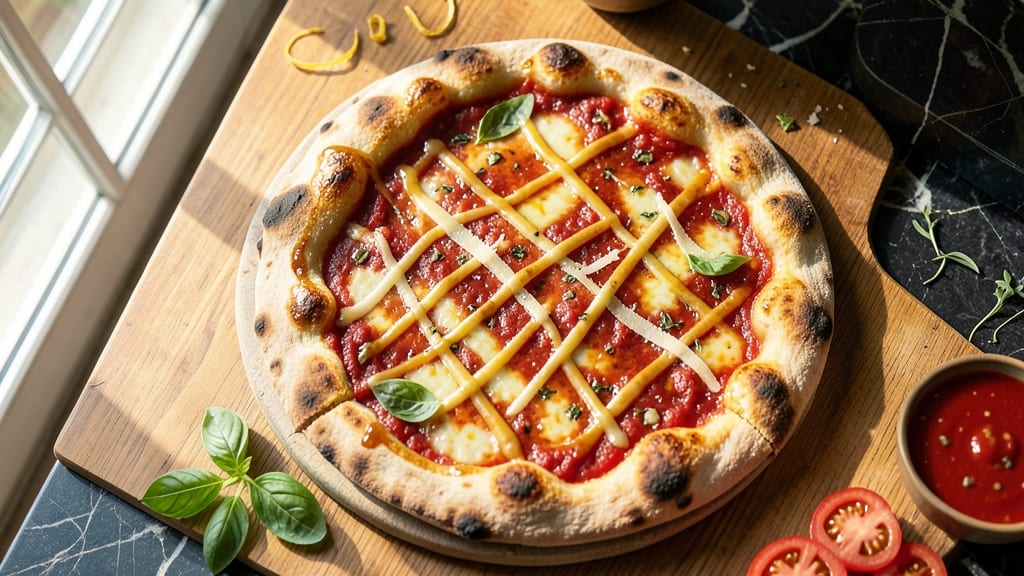
Atoria's flatbread pizza delivers that perfect balance of crispy edges and chewy centers with gooey cheese rivers that pull apart effortlessly. The secret lies in a simple dough technique that develops flavor while baking, paired with a sauce that caramelizes into a sweet-tart crust.
I've perfected this recipe over years of testing—no fancy equipment, just a hot oven and a few key steps that transform basic ingredients into something restaurant-worthy.
The dough starts with a mix of flour, yeast, and olive oil that creates a tender yet sturdy base. What sets this apart is the baking method: high heat for just 10-12 minutes, which gives the crust that signature crispness while keeping the interior soft.
The sauce is equally important—tomato-based but simplified to focus on freshness rather than complexity, so it doesn't overpower the cheese.
When it comes out of the oven, you'll have a flatbread with a golden, slightly blistered crust and pockets of melted cheese that stretch into silky rivers. The edges stay crisp while the center maintains that hand-pulled texture, making every bite satisfying.
This is the kind of pizza that disappears faster than you can say "second slice."
Top with classic ingredients like mozzarella, tomato sauce, and fresh basil, or go bold with spicy pepperoni and extra cheese. The possibilities are endless, but the technique remains the same—simple, foolproof, and always delicious. Let's get started on your perfect flatbread pizza.
Ingredients for atoria's flatbread pizza
High-protein flour and yeast create the signature chewy crust, while fresh mozzarella delivers those iconic gooey rivers.
| Ingredient | Amount | Notes |
|---|---|---|
| All-Purpose Flour 🌾 | 3 ½ cups | High-protein for chewy texture |
| Active Dry Yeast 🍞 | ¼ tsp | Instant yeast preferred for speed |
| Granulated Sugar 🍚 | 1 tbsp | Activates yeast for rise |
| Salt 🧂 | 1 tsp | Diamond Crystal preferred |
| Extra-Virgin Olive Oil 🫒 | ¼ cup | High-quality for flavor |
| Warm Water 💧 | 1 ¼ cups | 110°F for optimal yeast activation |
| Tomato Sauce 🍅 | ½ cup | San Marzano preferred for sweetness |
| Mozzarella Cheese 🧀 | 8 oz | Fresh mozzarella, shredded |
| Garlic Cloves 🧄 | 2 cloves | Minced for sauce depth |
| Fresh Basil Leaves 🌿 | ¼ cup | Chopped for garnish |
| Pepperoni Slices 🍕 | 6 slices | Optional for classic topping |
| Cornmeal 🌽 | 2 tbsp | For dusting pizza peel |
The flour is non-negotiable—King Arthur high-protein or Caputo Tipo 00 if you want that authentic Italian texture. Yeast quality matters too; Saf-Instant activates faster without proofing time. For the olive oil, Colavita or Bertolli deliver that fruity depth that translates into the crust. If you're using active dry yeast, make sure your water is 110°F—too hot kills it, too cold slows activation. The tomato sauce should be simple: San Marzano crushed tomatoes with a pinch of salt and a splash of olive oil, simmered until thickened. No need for complex seasonings—this sauce supports the cheese, not competes with it.
No mozzarella? Fresh buratta melts even better, though it's pricier. Pre-shredded cheese won't work—block mozzarella shreds more cleanly. Running short on basil? Fresh oregano or parsley adds brightness without overpowering. The pepperoni can be swapped for spicy salami or mushrooms if you prefer vegetarian toppings. For the dough, if you can't find high-protein flour, add 1 tbsp vital wheat gluten to regular all-purpose flour. And if you're feeling ambitious, add 1 tbsp tomato paste to the dough for extra flavor—it's a pro trick from Atoria's kitchen.
The dough keeps best wrapped in plastic for up to 24 hours in the fridge, but it's best used fresh. If prepping ahead, shape and freeze the dough balls for up to 3 months—thaw and let rise at room temperature before stretching. The sauce can be made 3 days ahead and stored in the fridge. For the cheese, shred it fresh before baking—pre-shredded gets gummy. Once baked, these flatbreads reheat beautifully: 5 minutes at 375°F restores that crispy edge. Portion into individual pizzas for easy serving—everyone gets their own gooey masterpiece.
Why You'll Love This Recipe
- No-Knead Magic: I swear by this dough—just mix, let it rise, and forget it. The yeast does all the work while I’m scrolling or watching TV, and that olive oil pull-apart texture? Chef’s kiss. No standing at the counter, no overworking the dough.
- Crispy-Creamy Perfection: That first bite of the crust—golden, blistered edges with a pillowy center—is pure satisfaction. The olive oil keeps it rich without needing butter, and the sugar just enough to caramelize those edges when it hits the pan.
- Weeknight Crowd-Pleaser: Honestly, this feeds six for the price of three takeout pizzas. My roommates and I split one, and no one fights over slices. Plus, the flatbread base means you can load it with anything—sliced tomatoes, leftover roasted veggies, or just mozzarella and basil.
- Leftovers That Don’t Suck: Between us, most pizza leftovers are sad. Not this. The flatbread reheats like a dream—crispy again in the oven, or even better, toasted in a skillet with a little more olive oil. I’ve had it cold the next day too, and it’s still a win.
Step-by-step instructions for Atoria's flatbread pizza
Master the art of chewy crust and gooey cheese rivers with this precise method.
Activate the Yeast and Mix the Dough
In a large mixing bowl, combine the 3.5 cups all-purpose flour, 1 tbsp granulated sugar, and 1 tsp salt. Create a well in the center and add the 0.25 tsp active dry yeast. Pour in the 1.25 cups warm water (ensure it's between 110-115°F—too hot kills yeast, too cold slows activation) and 0.25 cup extra-virgin olive oil. Mix vigorously with a wooden spoon until a shaggy dough forms.
Cover the bowl with a damp kitchen towel and let it sit for 10-15 minutes until the mixture becomes foamy and bubbly. This confirms the yeast is active and ready to leaven. If it doesn't bubble, your yeast may be dead—start over with fresh yeast.
Knead and Rest the Dough
Transfer the dough to a lightly floured surface and knead for 8-10 minutes until smooth and elastic. You'll know it's ready when it springs back slowly when poked. If the dough feels sticky, add 1 tbsp flour at a time until it's manageable but not dry.
Shape the dough into a ball, place it back in the bowl, and cover with the damp towel. Let it rise at room temperature for 1-2 hours, or until it doubles in size. For best flavor, I recommend a longer rise—up to 4 hours in the fridge if you're prepping ahead. The slow fermentation develops deeper flavor in the crust.
Prepare the Sauce and Toppings
While the dough rises, prepare the sauce by combining the 0.5 cup tomato sauce with the 2 minced garlic cloves in a small saucepan. Simmer over low heat for 5 minutes until fragrant. Remove from heat and let cool slightly. Keep the sauce warm but not hot—you want it to spread easily on the dough without melting the cheese prematurely.
Shred the 8 oz mozzarella cheese using a box grater (don't use a knife—it creates large, uneven pieces). Chop the 0.25 cup fresh basil leaves and set aside. Arrange the 6 pepperoni slices on a plate, ready for assembly.
Shape and Assemble the Flatbread
Preheat your oven to 475°F and place a pizza stone or baking sheet on the middle rack. Lightly dust a clean surface with 2 tbsp cornmeal to prevent sticking. Divide the risen dough into 4 equal balls (about 8 oz each) and roll each into a 12-inch round, keeping the edges slightly thicker than the center for that signature flatbread texture.
Transfer each rolled-out dough to a separate parchment-lined plate. Spread 2 tbsp sauce evenly over each round, leaving a ½-inch border for the crust. Sprinkle 2 oz shredded mozzarella over each, then add 1.5 pepperoni slices and a few basil leaves. The cheese should be generous but not piled high—you want rivers, not a mountain.
Bake to Golden Perfection
Carefully slide each assembled flatbread onto the preheated pizza stone or baking sheet. Bake for 10-12 minutes until the crust is deep golden brown and the cheese is bubbling with gooey rivers oozing over the edges. Rotate the stone halfway through baking for even heat distribution.
Remove from the oven and let rest for 2 minutes before serving. The residual heat will finish melting the cheese while preventing a soggy crust. Garnish with additional basil leaves and serve immediately with a sharp knife—this pizza is best enjoyed while the cheese is still molten.
Pro Tips For Making Atoria'S Flatbread Pizza
- STRETCH THE DOUGH: I used to roll this flatbread thin like a cracker, but the pizza sauce pools in the cracks. Instead, pull the dough to about ¼-inch thick—thin enough to crisp but thick enough to hold toppings without tearing. (Yes, it’ll look uneven, but that’s where the flavor hides.)
- SALT THE WATER: Skip the salt in the yeast mixture—it’ll kill the yeast before it wakes up. Instead, dissolve the yeast in warm water first, then add a pinch of sugar and let it foam for 5 minutes. After that, mix in the salt with the flour. This keeps the yeast happy while balancing the dough’s flavor from the start.
- DON’T OVER-KNEAD: This dough only needs about 5 minutes of kneading by hand—just until it’s smooth and springs back when poked. I learned this the hard way after making a chewy brick instead of a tender flatbread. Overworking the gluten tightens the dough, and you’ll regret it when the pizza turns tough.
- USE OLIVE OIL LIKE GOLD: The recipe calls for EVOO, but don’t skimp—measure it. Brush the dough generously before rolling, and drizzle the finished flatbread with another thin layer before baking. That extra oil is what makes it crispy and shines like a proper pizza. (I know, I know—it’s an extra step, but trust me.)
Make-ahead tips for this atoria's flatbread pizza
Dough Prep Ahead
Shape your dough into balls and refrigerate them in an airtight container for up to 24 hours. This cold fermentation enhances flavor—just let them sit at room temperature for 30 minutes before rolling.
For longer storage, freeze dough balls for 3 months; thaw overnight in the fridge before use. 🌟
Sauce Make-Ready
Prepare the tomato sauce 3 days ahead and store it in the fridge. The flavors deepen over time, and it’ll be ready to spread when you are.
Keep it in a glass jar to maintain freshness—no need to reheat before using. This saves time on pizza day and ensures consistent quality. ✨
Cheese Prep Tips
Shred your mozzarella right before baking—pre-shredded cheese loses moisture and becomes gummy. If you’re prepping toppings, store cheese in parchment-lined containers to prevent sticking. For extra convenience, pre-chop basil and store it in a small sealed bag with a paper towel to absorb moisture. 🧀
Assembly Shortcuts
Set up a topping station the night before: arrange sauce, cheese, and toppings on separate plates. This makes assembly quick and stress-free. Use a pizza cutter to divide pre-rolled dough into equal portions—no need for a scale.
For kids or parties, pre-assemble pizzas on parchment and freeze them—bake straight from frozen at 475°F for 14-16 minutes.
Oven Prep
Preheat your oven 30 minutes before baking to ensure even heat distribution. Place your pizza stone or baking sheet on the middle rack—this gives the flatbread the crispy edges it craves.
If using a baking sheet, line it with parchment paper for easy cleanup. A pizza peel is ideal for transferring dough, but a sturdy spatula works too. 🔥
Reheating Leftovers
Store leftover flatbreads in an airtight container for up to 3 days. Reheat individual slices at 375°F for 5 minutes to restore crispiness. For a crispy crust, place slices on a baking sheet lined with parchment.
Microwave reheating works in a pinch, but it’ll make the crust soggy—avoid it if possible. 💫
Nutrition facts
Frequently asked questions
Why does Atoria's flatbread pizza have such a chewy crust?
The secret lies in the dough formula and baking method. High-protein flour creates that signature chewy texture, while the 475°F oven temperature and 10-12 minute bake time develop crispy edges with a soft center. The edges stay slightly thicker during rolling to trap steam during baking, keeping the interior tender.
Can I make this recipe without a pizza stone?
Use a heavy baking sheet or cast-iron skillet instead. For best results, place it on the middle rack to ensure even heat. Line with parchment paper for easy cleanup, and preheat for 30 minutes to mimic stone-like heat retention. A pizza peel works too if you're comfortable transferring dough.
What if my dough doesn't rise properly?
Check your yeast first—it may be expired if the dough remains flat after 10-15 minutes of activation. Use 110-115°F water (too hot kills yeast, too cold slows it). For a second rise, try a warmer spot (like near the oven) or cover with a damp towel to trap heat. If all else fails, use 1 extra tsp yeast for the next batch.
How do I prevent a soggy crust?
Bake with a ½-inch border of sauce-free dough around the edges to create a crispy barrier. Use fresh mozzarella (not pre-shredded) and bake at 475°F for the full 10-12 minutes—don't cut it short! Let the pizza rest 2 minutes after baking to set the cheese before slicing.
Can I make these flatbreads gluten-free?
While traditional flatbread relies on gluten for structure, you can adapt this recipe with a 1:1 gluten-free flour blend (like Bob's Red Mill 1-to-1) and 1 tbsp xanthan gum. Reduce yeast to 0.25 tsp and extend rise time to 2-3 hours. Expect a denser texture, but the chewy quality will still shine.