
Side Dishes
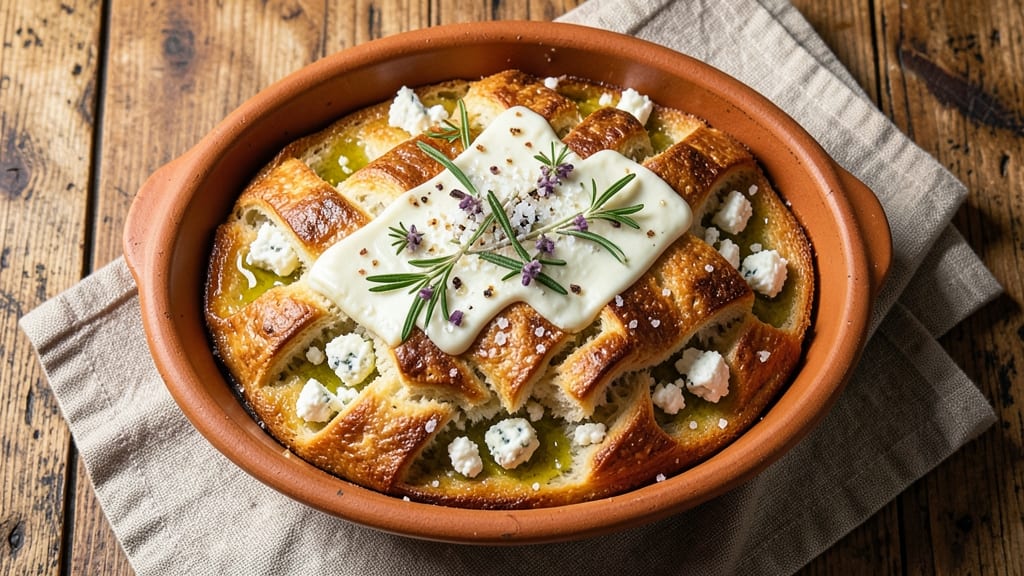
Aubree's feta bread recipe transforms simple dough into a golden, herby loaf where chunks of salty feta melt into every bite. This isn't your average bread—it's a crispy-crusted masterpiece with gooey cheese pulls that beg to be shared.
The secret lies in folding feta into the dough just before baking, creating pockets of tangy, briny goodness that contrast beautifully with the aromatic crust.
What sets this recipe apart is the balance of textures: a crisp exterior that shatters slightly, giving way to a tender crumb studded with melty feta. The dough itself is straightforward—flour, yeast, olive oil—but it's the feta that elevates it to something extraordinary.
No special equipment needed, just a standard loaf pan and 30 minutes of active time before letting the dough rise and bake.
Once out of the oven, you'll have a loaf that's impossible to resist—warm, fragrant, and impossible to slice evenly because everyone will be pulling off pieces. The feta creates those signature cheese strings that make every bite worth the wait.
This bread shines as a mezze platter centerpiece, dipped in olive oil, or served alongside grilled meats and fresh vegetables.
The best part? Leftovers stay fresh for days, making this the perfect recipe for meal prep or entertaining. Whether you're hosting a dinner party or simply craving something comforting yet impressive, this feta bread delivers. Let's get started on creating your own loaf of golden, cheesy perfection.
Ingredients for aubree's feta bread
Eight simple ingredients, one extraordinary loaf with golden crust and melty feta pockets.
| Ingredient | Amount | Notes |
|---|---|---|
| All-Purpose Flour 🌾 | 5 cups | Sifted for light texture |
| Active Dry Yeast 🍞 | 2 ¼ tsp | 1 packet or 2¼ tsp |
| Granulated Sugar 🍚 | 1 tbsp | Feeds yeast for activation |
| Extra-Virgin Olive Oil 🫒 | ¾ cup | High-quality for flavor |
| Warm Water 💧 | 1 ¼ cups | 110°F for yeast activation |
| Block Feta Cheese 🧀 | 1 ½ cups | Cubed, salty variety |
| Diamond Crystal Kosher Salt 🧂 | 1 ½ tsp | Divided for dough and topping |
| Fresh Dill 🌿 | ¼ cup | Finely chopped for herby aroma |
| Fresh Rosemary 🌿 | ¼ cup | Chopped, stems removed |
| Garlic Cloves 🧄 | 3 cloves | Minced for depth of flavor |
| Cornmeal 🌾 | ¼ cup | For dusting loaf pan |
| Egg Wash 🥚 | 1 whole | Beaten with 1 tbsp water |
| Sesame Seeds 🌾 | 2 tbsp | Optional for crunchy topping |
The feta is non-negotiable here—salty, crumbly blocks from the deli section (not the pre-cubed kind) create those signature cheese pulls. Whole Foods or Trader Joe's carry the best quality, but any decent Greek market will have it. Fresh herbs make all the difference too: grab dill and rosemary with vibrant green leaves, not wilted stems. The flour should be King Arthur or Gold Medal for that perfect tender crumb—none of that dense, heavy stuff. And for the love of all things cheesy, don't skip the yeast activation test—sprinkle a pinch in warm water, wait 5 minutes, and if nothing happens, your yeast is dead.
No fresh dill? Dried works at one-third the amount, but it won't have that same bright punch. Running low on rosemary? Thyme or oregano can step in, though the flavor won't be identical. The olive oil matters too—California-made or Italian extra-virgin adds that fruity depth that cuts through the saltiness. For the egg wash, room temperature eggs prevent clumping. And if you're feeling fancy, swap the sesame seeds for poppy seeds or everything bagel seasoning—just don't skip the egg wash entirely, or your crust will be sad and dull.
This dough is a two-day project, and trust me, it's worth it. Shape the loaf, let it rise overnight in the fridge, and bake it the next day for that perfect crisp exterior with gooey interior. Leftovers? 3-4 days in an airtight container, but honestly, it won't last that long. Freeze slices for up to 3 months—just toast straight from frozen for that fresh-baked magic. Pro tip: Slice it warm with a serrated knife for those perfect cheese strings that'll have everyone reaching for seconds.
Why You'll Love This Recipe
- Five-Ingredient Magic: I swear by this dough—just flour, yeast, sugar, olive oil, and water. That’s it. No fancy pantry trips, no measuring cups that never quite fit right. Honestly, if you can mix ingredients, you can make this.
- Crispy-Creamy Crunch: The outside gets that golden, shatter-like crust while the inside stays soft and pillowy—like a hug from a bakery. I’ll be real: the first time I bit into it still warm, I nearly dropped the whole loaf.
- Weeknight Hero: Toss it in the oven while you chop veggies for dinner. Slice it for sandwiches, toast it for breakfast, or serve it with soup—it’s the kind of bread that makes lazy nights feel like a win.
- Budget-Friendly Staple: A single batch costs pennies and stretches for days. Freeze extras for when you’re too tired to bake, or stash them in the fridge to snack on without guilt. My wallet and my taste buds thank me.
Step-by-step instructions for Aubree's feta bread
Here's how to craft this herby, cheesy masterpiece with perfect texture and flavor.
Activate the Yeast and Mix the Dough
In a large bowl, combine the 5 cups all-purpose flour, 1 tbsp granulated sugar, and 1 tsp of the 1.5 tsp diamond crystal kosher salt. Make a well in the center and add the 2.25 tsp active dry yeast. Pour in the 1.25 cups warm water (tested at 110°F) and 0.75 cup extra-virgin olive oil, then gently mix with a wooden spoon until a shaggy dough forms.
Here's the thing—this dough needs time to develop gluten. Cover the bowl with a damp kitchen towel and let it rest for 15 minutes. After resting, knead the dough on a lightly floured surface for 8-10 minutes until smooth and elastic. You'll know it's ready when it springs back slowly when poked. If the dough feels too sticky, add flour 1 tablespoon at a time until it becomes manageable.
Incorporate the Feta and Herbs
Transfer the dough back to the bowl and let it rest for another 5 minutes. This brief pause helps the dough relax before adding the feta. While it rests, cube the 1.5 cups block feta cheese into ½-inch pieces—this ensures even distribution throughout the bread. Finely chop the 0.25 cup fresh dill and 0.25 cup fresh rosemary, then mince the 3 cloves garlic.
Make a well in the dough and gently fold in the cubed feta, herbs, and minced garlic. Be careful not to overwork the dough at this stage—just enough to distribute the ingredients evenly. The dough will look messy, but that's okay. Cover it again and let it rise in a warm place for 1 to 1.5 hours, or until it has nearly doubled in size. You'll see it puff up and look slightly deflated when pressed gently.
Shape and Proof the Loaf
Once the dough has risen, punch it down to release any air bubbles, then turn it out onto a lightly floured surface. Gently shape it into a 9x5-inch loaf by folding the edges toward the center and rolling it tightly. Place the shaped loaf seam-side down in a 9x5-inch loaf pan that's been lightly dusted with 0.25 cup cornmeal. This helps create that signature crispy crust.
Cover the pan with a damp towel and let the dough proof for another 30 to 45 minutes, until it has risen about 1 inch above the rim of the pan. The dough should feel slightly springy when pressed lightly with a finger. Preheat your oven to 375°F during the final 15 minutes of proofing to ensure it's ready when you're.
Bake to Golden Perfection
Brush the risen loaf with the 1 whole egg wash (beaten with 1 tbsp water) for a glossy finish. Sprinkle the 2 tbsp sesame seeds evenly over the top if you're using them—this adds a delightful crunch. Bake in the preheated oven for 30 to 35 minutes, until the bread is deep golden brown and sounds hollow when tapped on the bottom.
Here's where it gets tricky: the bread is done when the internal temperature reaches 190°F—use an instant-read thermometer to check. If the top browns too quickly, tent the loaf with foil to prevent over-browning while it finishes baking. Let the bread cool in the pan for 10 minutes, then transfer it to a wire rack to cool completely. This resting period ensures the feta melts just enough to create those irresistible cheese pulls without making the bread soggy.
Pro Tips For Making Aubree'S Feta Bread
- TEST THE YEAST FIRST: I learned this the hard way—skipping the yeast test means wasting a dough if it’s dead. Mix 1 packet yeast with ¼ cup warm water (105–110°F) and 1 tsp sugar, then wait 5–10 minutes for frothy bubbles. If nothing happens, toss it and start fresh; your bread’s rise depends on this.
- DON’T OVERMIX THE DOUGH: After adding the olive oil and water, fold just until combined—stop when the flour resists. Overmixing develops gluten too much, making the bread dense instead of light and airy. Use a wooden spoon or your hands to gently coax it together.
- LET IT RISE UNTIL DOUBLED: Patience here changes everything. Place the dough in a lightly oiled bowl, cover it with a damp towel, and let it rise in a warm spot until it’s fully doubled in size—about 1–1.5 hours. Poking it should leave a slow, springy bounce back, not a flat dent.
- USE A LIGHT HAND WITH FETA: If you’re adding feta later (like in the topping), crumble it coarsely and sprinkle it on after the first 10 minutes of baking. Pressing it in too early makes the bread soggy, and tiny crumbles burn faster than you’d think. A quick 5-minute broil at the end crisps it up perfectly.
Perfect pairings for this recipe
Olive Oil Drizzle
Serve warm slices of Aubree's feta bread with a generous drizzle of extra-virgin olive oil—I love using California-made or Italian varieties for their fruity depth. The oil enhances the salty feta and herby crust while adding a silky texture.
For extra flair, sprinkle with flaky sea salt and crushed red pepper flakes for a Mediterranean-inspired touch. 🫒
Mezze Platter Star
This bread is a showstopper on any mezze platter. Pair it with hummus, baba ganoush, olives, and warm pita for a complete spread. The feta's tangy flavor cuts through the richness of dips, while the herby crust adds freshness.
I often add marinated artichokes and roasted eggplant to round out the platter. 🌿
Grilled Meat Companion
For a hearty meal, serve this bread alongside grilled lamb chops or kebabs. The crispy crust soaks up juices beautifully, while the melty feta balances the smoky flavors. I like to add tzatziki sauce on the side for dipping—it’s the perfect cool contrast to charred meats. 🔥
Breakfast Twist
Turn leftovers into a savory breakfast by toasting slices and topping with scrambled eggs, crumbled feta, and sautéed spinach. The herby crust adds a unique twist to a classic breakfast sandwich. For extra richness, drizzle with garlic-infused olive oil before serving. 🍳
Wine Pairing
A crisp Assyrtiko white wine from Greece complements the bread’s herby, salty notes beautifully. For red lovers, a light Pinot Noir from Oregon or a Greek Agiorgitiko balances the feta’s richness without overpowering it. Avoid heavy, oaky whites—they’ll clash with the tangy cheese. 🍷
Cheese Board Addition
Add slices of this bread to a Greek-inspired cheese board alongside manouri, halloumi, and fresh figs. The bread’s crispy texture contrasts with creamy cheeses, while the feta ties everything together. Garnish with dried oregano and honeycomb for a sweet-savory balance. 🧀
Nutrition facts
Frequently asked questions
Why does the dough need two rest periods?
The first 15-minute rest after mixing helps the gluten relax, making it easier to knead. The second 5-minute pause before adding feta prevents overworking the dough when folding in the cheese. This two-step approach ensures a tender crumb with even feta distribution.
Can I substitute block feta with crumbled feta?
Block feta is ideal for those signature cheese pulls, but crumbled works in a pinch. Use 1 cup crumbled feta instead of 1.5 cups block—it won't melt as dramatically, but you'll still get flavor. For best results, drain excess liquid from crumbled feta first.
How do I fix if my dough rises but collapses when baking?
This usually happens from overproofing or opening the oven too soon. Next time, check dough springiness with a finger test—it should leave a slight indent but spring back. Also, avoid opening the oven door during the first 25 minutes of baking. If it collapses, try baking at 350°F instead of 375°F for a slower rise.
Can I make this bread without a loaf pan?
Shape the dough into a freeform loaf on a baking sheet lined with parchment paper. Brush with egg wash and sprinkle sesame seeds. Bake at 375°F for 25-30 minutes until golden. For extra crispiness, bake on the middle rack and rotate the pan halfway through. The crust will be thicker but still delicious.
How can I make the crust extra crispy?
For maximum crunch, brush the loaf with egg wash twice—once before baking and again after 15 minutes in the oven. Also, bake on the bottom rack for the first 10 minutes to concentrate heat on the crust. A sprinkle of coarse salt or everything bagel seasoning right before baking adds texture too.