
Side Dishes
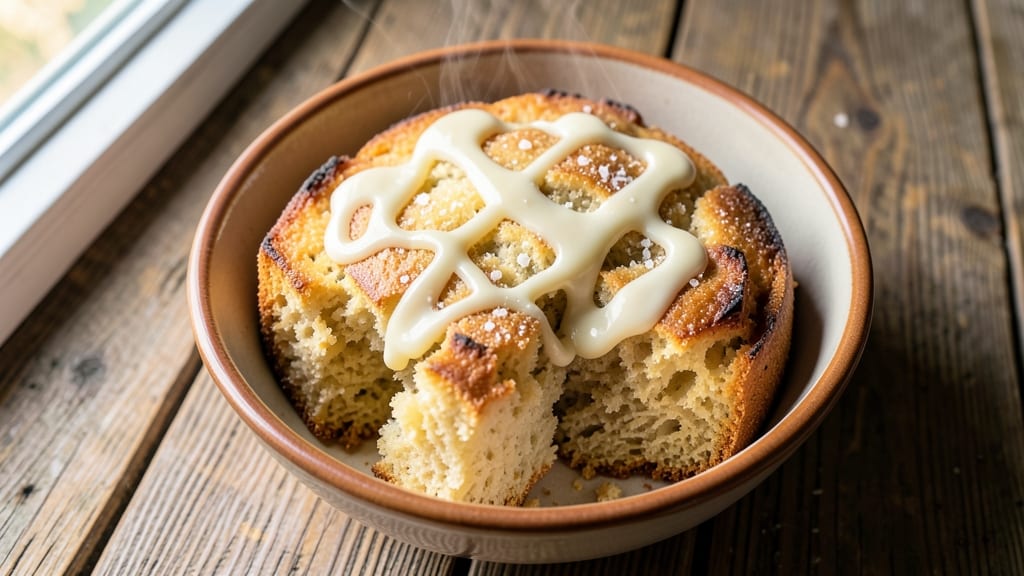
Aunt Jemima white cornbread delivers that perfect balance of golden crust and moist crumb that makes every bite irresistible. This classic Southern recipe transforms simple pantry staples into something truly special—just like the cornbread you remember from family gatherings.
The secret lies in the right ratio of cornmeal to flour and a touch of baking powder for that signature tender texture.
What sets this recipe apart is the foolproof technique that ensures your cornbread never dries out or turns gummy. We'll use buttermilk for richness and a hint of sugar to enhance the natural sweetness of the cornmeal.
The baking process is straightforward, but timing is everything to achieve that perfectly golden crust while keeping the inside moist and fluffy.
By the time you pull this cornbread from the oven, your kitchen will smell like nostalgia, and your taste buds will be rewarded with tender, slightly sweet crumb that melts in your mouth.
This is the kind of cornbread that pairs beautifully with honey butter, chili, or even just a pat of cold butter straight from the fridge.
Whether you're serving it at a family dinner or enjoying a quiet Sunday breakfast, this recipe delivers restaurant-quality results with minimal effort. Let's get started on making cornbread that'll have everyone asking for seconds.
Ingredients for aunt jemima white cornbread
Pantry staples meet Southern magic for cornbread with golden crust and moist crumb perfection.
| Ingredient | Amount | Notes |
|---|---|---|
| Stone-Ground White Cornmeal 🌽 | 1 ½ cups | Medium grind preferred for texture |
| All-Purpose Flour 🌾 | 1 cup | White flour for classic taste |
| Granulated Sugar 🍬 | ¼ cup | Enhances natural corn sweetness |
| Baking Powder 🧂 | 2 tsp | Double-acting for perfect rise |
| Salt 🧂 | ½ tsp | Kosher or sea salt preferred |
| Buttermilk 🥛 | 1 ¼ cups | Full-fat for maximum richness |
| Unsalted Butter 🧈 | ½ cup | Melted, cold-packed for flakiness |
| Large Eggs 🥚 | 1 whole | Room temperature for even baking |
| Vanilla Extract 🌿 | 1 tsp | Pure vanilla for authentic flavor |
| Vegetable Oil 🫒 | ¼ cup | Light, neutral flavor |
The cornmeal makes or breaks this recipe—stone-ground white cornmeal is non-negotiable for that classic texture. Bob's Red Mill or King Arthur brands deliver the best consistency, but any medium-grind cornmeal works in a pinch. The buttermilk adds richness that regular milk can't match (trust me, I've tried), and using full-fat butter instead of margarine makes all the difference. For the flour, stick with all-purpose—cake flour makes it too delicate. Pro tip: Measure your cornmeal by spooning it into the cup and leveling—don't scoop directly from the bag or you'll pack it too tightly.
No buttermilk? Mix 1 tablespoon lemon juice or vinegar with 1 cup milk and let it sit for 5 minutes. Short on vanilla? Almond extract at half the amount works surprisingly well. The baking powder is crucial—don't substitute baking soda unless you want a metallic taste. For a slightly sweeter version, add an extra tablespoon of sugar. The oil keeps the crumb tender, but if you're watching calories, you can reduce it by half and add an extra egg yolk for moisture. And if you're feeling fancy, swap the vegetable oil for avocado oil—it's neutral but adds a subtle richness.
This batter thickens fast, so mix everything together and get it in the oven within 10 minutes. The cornbread keeps well for 3 days at room temperature wrapped in foil, or 1 week in the fridge. For leftovers, reheat in a 350°F oven for 10 minutes to restore that fresh-baked texture. Freezes beautifully for up to 3 months—just wrap individual slices in plastic wrap before freezing. I always make a double batch because it disappears faster than you can say 'honey butter'
Why You'll Love This Recipe
- No-Fuss Mix-In: The stone-ground white cornmeal and flour blend so smoothly—just whisk, pour, bake. No measuring cups of dry ingredients flying everywhere. (Between us, that’s my biggest kitchen pet peeve.)
- Sweet & Crumbly Magic: That touch of sugar in the batter gives it a subtle caramel note while keeping it light and crumbly—not too dense, not too cakey. Honestly, it’s the kind of cornbread that disappears faster than my willpower on Sunday mornings.
- Weeknight Workhorse: Serve it warm with chili, fry up slices for breakfast, or pack it in lunches—this recipe does it all. I’ve even used leftover pieces to top salads when I’m too tired to bake.
- Budget-Friendly Staple: Uses pantry basics that won’t break the bank, and the dough comes together with minimal ingredients. Plus, the leftovers toast up perfectly the next day—no sad, stale cornbread here.
Step-by-step instructions for Aunt Jemima white cornbread
Here's how to achieve that signature golden crust and tender crumb every time.
Prepare the Dry Ingredients
In a medium bowl, whisk together the 1.5 cups stone-ground white cornmeal, 1 cup all-purpose flour, 0.25 cup granulated sugar, 2 teaspoons baking powder, and 0.5 teaspoon salt. I like to use a whisk for this step to ensure there are no lumps in the dry ingredients. The cornmeal should be medium grind—this creates that perfect crumb texture we're after.
Sift the mixture through a fine-mesh sieve directly back into the bowl. This aerates the dry ingredients, which helps create a lighter cornbread. Gently stir in 1 teaspoon vanilla extract at this stage—this adds depth of flavor that you can't get from vanilla sugar alone. Set the bowl aside while you prepare the wet ingredients.
Mix Wet Ingredients to Perfect Consistency
In a separate large bowl, combine the 1.25 cups buttermilk, 0.5 cup melted unsalted butter (cooled to room temperature), 1 whole large egg, and 0.25 cup vegetable oil. The buttermilk should be full-fat for maximum richness—this is what gives classic cornbread its tender crumb. Whisk vigorously for about 30 seconds until everything is fully incorporated.
Here's the thing—you want the wet ingredients to be slightly thicker than you might think. The cornmeal will absorb a surprising amount of liquid as it bakes, so we don't want to start with a batter that's too thin. The mixture should be like heavy pancake batter—thick enough to hold its shape when dropped, but still pourable.
Combine Wet and Dry Ingredients Gently
Pour the wet ingredients into the bowl with the dry ingredients and stir gently with a rubber spatula. I use a folding motion—dip the spatula into the center and fold over, then repeat—this prevents overmixing which can make the cornbread tough. Mix just until everything is combined and there are no more dry spots visible.
Don't overwork the batter. You should still see some flour streaks when you lift the spatula. The goal is to hydrate the dry ingredients without developing gluten. Once combined, let the batter rest for 5 minutes at room temperature. This allows the cornmeal to fully hydrate and the baking powder to begin activating.
Bake for Golden Perfection
Preheat your oven to 425°F with a baking dish inside for 10 minutes—this ensures even baking. Pour the batter into a 9-inch cast-iron skillet (or ceramic baking dish) that's been lightly greased with butter or oil. The skillet should be about half full—this gives you that classic tall cornbread shape.
Bake for 20-25 minutes until the top is deep golden brown and a toothpick inserted in the center comes out clean. The edges should pull away slightly from the pan, indicating it's fully baked. If you're using a glass dish, you'll see the edges turn golden while the center remains slightly pale—this is normal and indicates proper doneness.
Rest and Serve Warm
Remove the cornbread from the oven and let it rest in the pan for 5 minutes. This resting period allows the internal structure to set, making it easier to slice. I know it's tempting to cut into it immediately, but waiting ensures clean slices and prevents the crumb from falling apart.
Serve warm with honey butter or your favorite chili. The texture should be tender with a slightly crumbly yet moist interior, and that golden crust should be crisp enough to hold its shape. For best results, enjoy within 2 hours of baking—this cornbread tastes best when fresh from the oven.
Pro Tips For Making Aunt Jemima White Cornbread
- MEASURE CORNMEAL BY VOLUME: The box says "1 cup," but stone-ground cornmeal settles unevenly—tap the measuring cup firmly 3-4 times on the counter before leveling. I learned this the hard way when my first batch turned out dense as a brick.
- STIR DRY INGREDIENTS FIRST: Whisk the all-purpose flour, baking powder, sugar, and salt together before adding wet ingredients. This prevents lumps—especially with Aunt Jemima’s cornmeal, which clumps like glue when mixed wet. Do it fast, though; the longer you wait, the stickier it gets.
- DON’T OVERMIX THE BATTER: After adding the eggs and milk, stir just until combined—maybe 10-12 strokes. Overmixing develops gluten, and this cornbread isn’t bread; it’s supposed to be tender. Drop the spoon in, swirl once, and stop. Your future self will thank you.
- USE A CAST-IRON SKILLET, HOT: Preheat your cast iron on medium-high for 5 minutes—it should be hot enough to sizzle when you pour in the batter. Cold pans = soggy bottoms. (Yes, even if you’re impatient like me.) Let it cook undisturbed for 10 minutes before flipping.
Dietary considerations for these flavors
Gluten-Free Adaptation
For a gluten-free version, replace the 1 cup all-purpose flour with 1 cup gluten-free 1:1 baking flour (like Bob's Red Mill or King Arthur). Add 1 teaspoon xanthan gum to help bind the crumb—this is crucial for maintaining texture.
I've tested this with almond flour too, but it gives a denser result. Remember, gluten-free batters often need slightly more liquid, so add 1 tablespoon extra buttermilk if the batter seems too thick. 🌾
Dairy-Free Options
Skip the buttermilk and butter by using 1.25 cups unsweetened almond milk mixed with 1 tablespoon lemon juice (let it curdle for 5 minutes). Replace the 0.5 cup butter with 0.5 cup coconut oil (melted) or avocado oil.
The flavor stays rich, though slightly nuttier. For extra moisture, add 1 tablespoon ground flaxseed mixed with 3 tablespoons water to replace the egg. The texture remains tender but may be slightly denser. 🥥
Vegan Substitutions
For a fully vegan cornbread, use 1.25 cups coconut yogurt (unsweetened) instead of buttermilk and 0.5 cup melted coconut oil for butter. Replace the egg with 1 tablespoon ground flaxseed + 3 tablespoons water, mixed and rested for 5 minutes.
The vanilla extract remains the same. This version lacks the richness of dairy but still delivers a satisfying crumb. I've found that adding 1 teaspoon apple cider vinegar to the coconut yogurt enhances the tang. 🌱
Lower-Carb Version
Cut 0.5 cup of the cornmeal and replace it with 0.5 cup almond flour to reduce carbs while keeping texture. Skip the sugar entirely or use 1 tablespoon monk fruit sweetener. The batter will be slightly thicker, so add 1 tablespoon extra buttermilk if needed.
This version is perfect for keto diets—just watch your portion sizes. The flavor stays authentic, though slightly nuttier. 🥑
Allergen-Friendly Notes
For nut-free kitchens, use sunflower seed flour instead of almond flour in adaptations. If avoiding eggs, the flaxseed replacement works perfectly without altering texture. Always check labels on cornmeal and baking powder for hidden allergens—some brands process in facilities with nuts or dairy.
I keep a dedicated gluten-free baking kit with separate utensils to avoid cross-contamination. 💡
Nutrition facts
Frequently asked questions
Why does this recipe use both cornmeal and flour?
The combination creates that signature tender yet slightly crumbly texture that defines classic white cornbread. The cornmeal provides the authentic corn flavor and structure, while the flour adds lightness and prevents a dense, gritty crumb. Think of it as the perfect marriage of Southern baking science—cornmeal for character, flour for lift.
Can I make this cornbread in a regular baking dish instead of cast iron?
Use a 9-inch ceramic or metal baking dish—just grease it well with butter or oil. The baking time remains the same (20-25 minutes), but watch for browning more carefully. Cast iron distributes heat differently, so regular dishes may need 2-3 extra minutes if the edges brown too quickly. A light spray of oil before pouring the batter works too.
What's the secret to keeping this cornbread moist for days?
The buttermilk and melted butter combo is key—it creates a rich, tender crumb that resists drying. Store leftovers in an airtight container at room temperature for 3 days or refrigerate for 1 week. For reheating, wrap slices in foil and warm at 350°F for 10 minutes—this restores that fresh-baked moisture. The 5-minute rest after baking also helps lock in juices.
Why does my cornbread turn out dense or gummy?
Overmixing or underbaking are the usual culprits. Mix just until combined—flour streaks are normal! Also check your baking powder (it loses potency over time) and ensure your oven is fully preheated. For gummy texture, bake 2-3 extra minutes—the center should feel springy, not wet. A toothpick test is foolproof: it should come out clean with a few moist crumbs.
Can I make this cornbread ahead for a big gathering?
Yes! Bake the cornbread 1 day ahead and store wrapped at room temperature. Reheat slices in a 350°F oven for 8-10 minutes before serving. For a crowd, bake two 9-inch pans simultaneously—just rotate them halfway through for even browning. Pro tip: Wrap individual slices in foil and freeze for up to 3 months—they reheat beautifully.