
Side Dishes
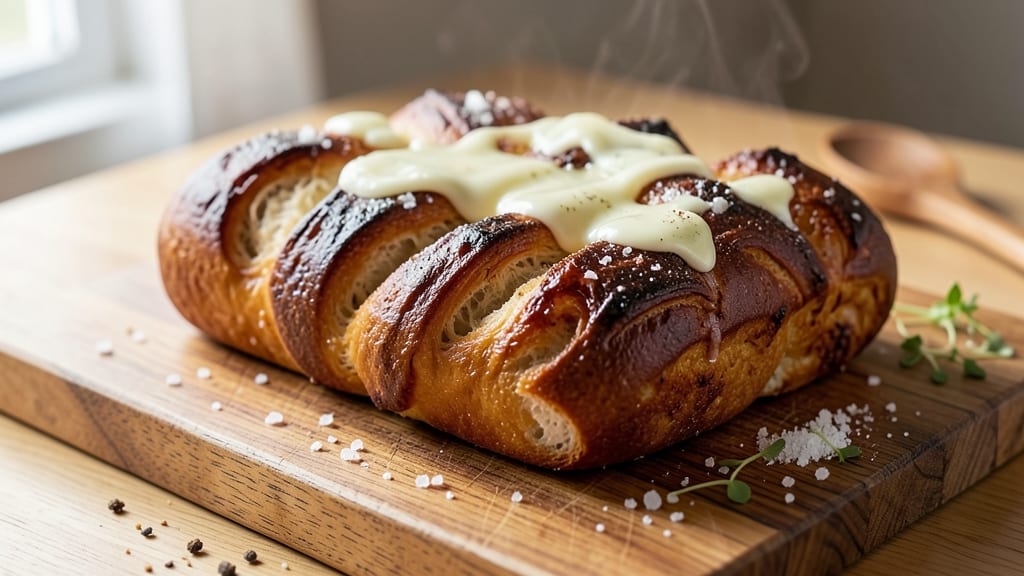
Transforming your bread machine into a foolproof way to recreate Auntie Anne’s pretzel recipe unlocks a bread machine’s iconic soft pretzels at home. The machine handles the yeast activation, kneading, and proofing—leaving you to shape the dough and bake golden, chewy twists with crispy crusts.
This recipe simplifies the process while delivering the same satisfying texture and salty-sweet balance you love from the store.
The secret lies in the dough’s high hydration and the bread machine’s precise kneading cycle, which develops gluten for that signature chewy bite.
After shaping the dough into pretzel twists, a quick boil in baking soda water creates the classic shiny crust, while baking at 375°F ensures a crisp exterior and tender interior. Top with coarse salt, melted butter, or cinnamon sugar for a personalized touch.
This method saves time without sacrificing quality—no need for manual kneading or proofing guesswork. The bread machine’s built-in cycles ensure consistent results every time, while the boiling step adds that professional pretzel finish. Whether you’re feeding a crowd or craving a snack, these pretzels are restaurant-quality with minimal effort.
Serve warm with mustard or cheese sauce for a classic pairing, or enjoy them plain as a satisfying side. The dough can also be shaped into rolls or braided loaves for variety. Let’s get started—your bread machine is about to become your pretzel-making powerhouse.
Ingredients for auntie anne's pretzel recipe bread machine
Twelve ingredients for twelve golden pretzel twists your bread machine will love.
| Ingredient | Amount | Notes |
|---|---|---|
| All-Purpose Flour 🌾 | 4 cups | Unbleached preferred for chewiness |
| Active Dry Yeast 🍞 | ½ tsp | Ensure yeast is fresh |
| Granulated Sugar 🍚 | ¼ cup | White or brown sugar works |
| Salt 🧂 | 1 ½ tsp | Diamond Crystal preferred |
| Unsalted Butter 🧈 | ½ cup | Melted, full-fat preferred |
| Warm Water 💧 | 1 ¼ cups | 110°F for yeast activation |
| Baking Soda 🧪 | 2 tbsp | For pretzel boiling water |
| Coarse Sea Salt 🧂 | ½ cup | For topping (Malden preferred) |
| Butter (for topping) 🧈 | ¼ cup | Melted, optional |
| Cinnamon Sugar 🍯 | ¼ cup | For sweet variation |
| Mustard (for dipping) 🥒 | 1 cup | Optional serving suggestion |
Flour is the backbone here—King Arthur or Bob's Red Mill work best for that signature chew. The yeast? Freshness matters—check the date on the package, and if it's been sitting in your pantry for months, grab a new packet. Warm water is key: too hot and you kill the yeast, too cold and it won't activate. I always use a thermometer to hit 110°F—no guessing. For the butter, Land O'Lakes or Plugrá are reliable brands, and full-fat makes all the difference in that rich pretzel flavor. The baking soda is non-negotiable for that iconic shiny crust after boiling.
No Diamond Crystal salt? Morton works too, but the grain size matters for that classic pretzel crunch. Running short on butter? Olive oil at half the amount keeps things crispy, though it won't be as rich. The cinnamon sugar topping is optional but adds a fun twist—Trader Joe's cinnamon sugar is my go-to because it's finely ground and never clumpy. For the boiling water, use enough to fully submerge the pretzels—about 4 cups total. And if you're feeling fancy, add 1 tbsp honey to the boiling water for extra shine and sweetness.
Dough keeps for 24 hours in the fridge if you want to prep ahead—just let it sit at room temp for 30 minutes before shaping. The boiled pretzels? Bake immediately for that crispy crust, but if you must hold them, keep them covered with a damp towel to prevent drying. Leftover pretzels? Freeze for up to 3 months—they reheat beautifully in the oven at 350°F for 5-10 minutes. I always make a double batch because they disappear faster than you'd think.
Why You'll Love This Recipe
- Bread Machine Magic: Honestly, I dump everything in—flour, yeast, sugar, butter, salt—and walk away. The machine does the kneading, rising, and baking while I make coffee or fold laundry. No standing over a bowl, no waiting for dough to puff just right.
- Pretzel Perfection: That salty-sweet crust with a soft center? It’s all thanks to the butter and sugar caramelizing during baking. Spread it with butter or jam, and it’s like biting into a warm, doughy hug—no fancy twists required.
- Weeknight Workhorse: Between us, this is my go-to when I forget to plan. Freeze half the loaf for sandwiches later, and the rest disappears in toast or French toast by Wednesday. (Yes, even on a Tuesday night.)
- Budget-Friendly Staple: Five ingredients, one machine cycle, and enough bread for days. I’ve fed a crowd with leftovers, turned stale slices into croutons, and still have change left for coffee. Practical? Absolutely. Delicious? Ridiculously so.
Step-by-step instructions for Auntie Anne's pretzel bread machine recipe
Here's how to make chewy, salty pretzel twists in your bread machine that taste just like the shop.
Prepare the Dough in Your Bread Machine
In the bread machine pan, combine the 4 cups all-purpose flour, 0.5 teaspoon active dry yeast, 0.25 cup granulated sugar, and 1.5 teaspoons salt. I like to sprinkle the yeast directly over the flour first—this helps it activate faster when the warm water hits. Then add the 0.5 cup melted unsalted butter and 1.25 cups warm water (about 110°F).
Select the "Dough" setting on your bread machine and let it knead for the full cycle. You'll know it's ready when the dough forms a smooth, elastic ball that springs back slowly when poked. If the dough sticks to the sides, don't worry—it's normal for pretzel dough to be slightly tacky. The machine will handle it perfectly.
Shape and Boil the Pretzel Dough
Once the dough cycle completes, remove it from the pan and place it on a lightly floured surface. Gently roll it into a 16-inch log (about 1½ inches thick). Cut the log into 12 equal pieces using a sharp knife or bench scraper. I press down firmly as I cut to prevent the dough from stretching.
Bring a large pot of water to a rolling boil and dissolve the 2 tablespoons baking soda in it. This alkaline bath creates that classic pretzel flavor and helps the crust form. Working in batches, carefully lower 4 pretzel pieces at a time into the boiling water. Let them cook for 30 seconds until they float to the surface. Remove with a slotted spoon and place on a baking sheet lined with parchment paper.
Bake to Golden Perfection
Preheat your oven to 375°F. Sprinkle the boiled pretzels immediately with 0.5 cup coarse sea salt (Malden works best for that perfect crunch). For extra flavor, brush the tops with 0.25 cup melted butter or dust with 0.25 cup cinnamon sugar if you prefer something sweet. Bake for 12-15 minutes until they're deep golden brown and sound hollow when tapped on the bottom.
Let them cool on the baking sheet for 5 minutes before transferring to a wire rack. The outside will be crispy while the inside stays soft and chewy—just like Auntie Anne's. Serve warm with 1 cup mustard for dipping if you like, or enjoy them plain with a cold glass of milk.
Pro Tips For Making Auntie Anne'S Pretzel Recipe Bread Machine
- MEASURE BUTTER PRECISELY: The recipe calls for melted butter, but I’ve ruined batches by eyeballing it—use a kitchen scale for 6 tablespoons (84g) of room-temperature butter. Melt it slowly in a microwave (30-second bursts) so it doesn’t scald the yeast later. Cold butter won’t emulsify properly, and you’ll end up with dense, greasy bread.
- LET YEAST BLOOM FIRST: Mix the yeast with warm water and sugar in the bread machine pan before adding dry ingredients. Give it 5 minutes to get frothy—this ensures even rising. I used to skip this, and my pretzel bread would turn out flat and gummy. The machine’s cycle will handle the rest, but this step is non-negotiable for that classic soft texture.
- ADD SALT TO DRY INGREDIENTS: Sprinkle the salt directly onto the flour before the machine mixes it in. This prevents clumping and guarantees even distribution throughout the dough. I learned this after my first batch had salty pockets and bland spots—now every bite is perfectly seasoned.
- USE A LIGHT HAND WITH FLOUR: The recipe’s dough is sticky, and that’s intentional for chewy bread. Only add extra flour if the machine’s paddle can’t turn the dough after 3-4 minutes of kneading. Over-flouring dries out the dough, and your pretzel bread will taste like a sad cracker. Trust the machine—it knows what it’s doing.
Storing and reheating this auntie anne's pretzel recipe bread machine
Refrigerator Storage
Freshly baked pretzels stay fresh in the refrigerator for up to 3 days when stored in an airtight container or sealed plastic bag. Let them cool completely before storing to prevent condensation, which can make the crust soggy.
I like to place a paper towel underneath to absorb any excess moisture. The texture remains chewy, though the crust may lose some crispness over time. 🧂
Freezer Prep
For long-term storage, freeze unbaked pretzel dough or fully baked pretzels. Wrap individual pretzels tightly in plastic wrap and place them in a freezer bag or airtight container. Label with the date—they’ll keep for up to 3 months.
When ready to eat, bake from frozen at 375°F for 15-20 minutes (add 5 minutes if they’re still dough).
Reheating Methods
Revive stale pretzels by reheating in a 350°F oven for 5-10 minutes on a baking sheet lined with parchment paper. For a quick fix, use the broiler on low for 1-2 minutes—watch closely to avoid burning.
Microwaving works in a pinch: place a pretzel on a microwave-safe plate with a damp paper towel and heat for 10-15 seconds.
Dough Prep Ahead
Make life easier by preparing the dough a day in advance. After the bread machine cycle, shape the dough into a log, wrap it tightly in plastic wrap, and refrigerate for up to 24 hours.
Let it sit at room temperature for 30 minutes before shaping and boiling. This step saves time on busy days and ensures the dough is ready when you are. ✨
Boiled Pretzel Holds
Boiled pretzels can wait 30 minutes before baking without losing quality. Store them in a single layer on a parchment-lined tray, covered loosely with a damp towel to keep them moist. If you’re making a big batch, boil in smaller groups and bake immediately—this prevents overcrowding and ensures even browning.
The key is speed: the sooner they hit the oven, the crispier the crust. 🔥
Thawing Frozen Pretzels
Thaw frozen pretzels in the refrigerator overnight for best results. If you’re short on time, place them on a wire rack in the oven while it preheats to 375°F. For a faster thaw, use the microwave on defrost mode for 1-2 minutes, then bake as directed.
Never thaw at room temperature—this can lead to uneven cooking and a soggy texture. 💫
Nutrition facts
Frequently asked questions
Can I use this recipe in any bread machine model?
Most bread machines work with this recipe, but check your manual for the "Dough" cycle capacity—some smaller models may need 2 cups flour instead of 4 cups. If your machine has a "Basic" or "Quick" setting, use the "Dough" setting for best gluten development. The key is letting the machine knead until the dough is smooth and elastic, which ensures that perfect chewy texture.
Why did my pretzels turn out dense instead of chewy?
Dense pretzels usually mean the dough wasn’t kneaded enough or proofed properly. Always let the bread machine complete its full cycle—don’t stop early! If your dough feels sticky or gummy after kneading, it needs more gluten development. For extra chewiness, shape the dough slightly thicker (about 1.5 inches) and boil it for 45 seconds instead of 30.
Can I make these pretzels without boiling them?
Yes, but they’ll lose that classic shiny crust and pretzel flavor. For a quick alternative, brush the shaped dough with water and sprinkle with coarse salt before baking. The crust will be softer and less crispy, but still delicious. If you want to skip boiling, try baking the dough directly at 375°F for 15-18 minutes after shaping.
How do I adjust this recipe for a gluten-free bread machine?
Gluten-free pretzels require extra care—use a 1:1 gluten-free flour blend (like King Arthur’s) and add 1 tablespoon xanthan gum to the dough. Reduce the water by 2 tablespoons since gluten-free dough absorbs less. Knead for the full cycle, but gluten-free dough may not be as elastic. After shaping, brush with egg wash (1 egg + 1 tbsp water) before boiling for better binding.
What’s the best way to reheat store-bought Auntie Anne’s pretzels?
For maximum crispiness, place pretzels on a baking sheet and heat at 350°F for 3-5 minutes until golden. Avoid microwaving—they’ll turn soggy. If you’re in a hurry, use the broiler on low for 1-2 minutes, watching closely to prevent burning. For extra flavor, brush with melted butter after reheating.