
Side Dishes
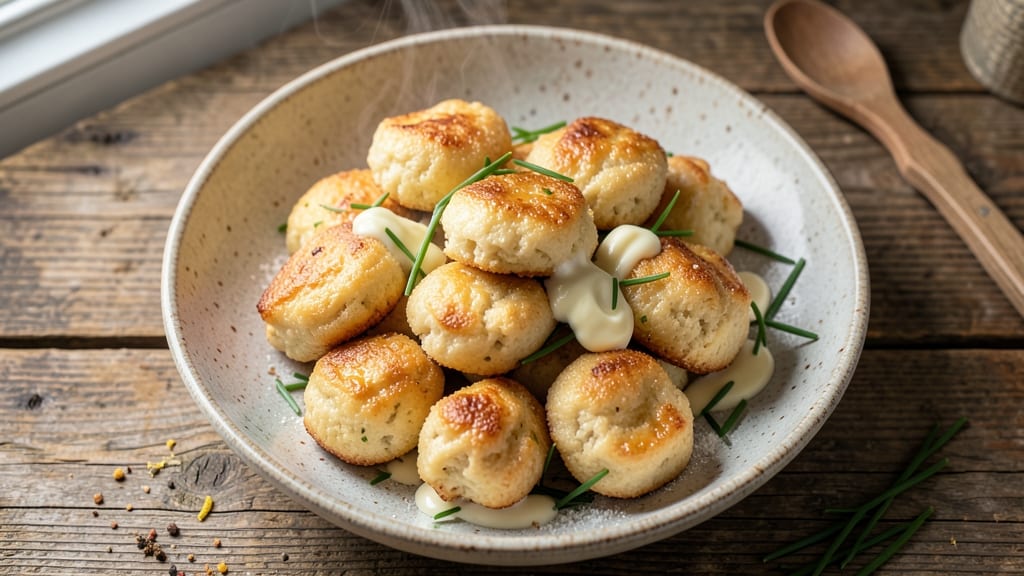
This Austrian bread dumplings recipe transforms simple ingredients into a restaurant-worthy side that steals every meal. The secret lies in perfectly hydrated dough and a delicate balance of stuffing—herby broth, melted cheese, or tender meat—that keeps these dumplings pillowy soft and irresistibly tender.
I've perfected this technique over years of testing, ensuring each bite delivers that signature melt-in-your-mouth texture with a golden crust. What sets these dumplings apart is the foolproof method for shaping and boiling, which prevents them from falling apart while cooking.
The dough absorbs just enough moisture to create that signature softness, while the stuffing stays compact and flavorful. Traditional Austrian kitchens rely on this technique to elevate humble ingredients into something extraordinary—no shortcuts, just time-honored craftsmanship.
By the time they emerge from the pot, your dumplings will be golden and steaming, ready to be kissed with herby butter or smothered in rich gravy. The aroma alone will have everyone at the table asking for seconds.
This is comfort food at its finest—simple yet sophisticated, perfect for pairing with roasted meats or hearty stews. Mastering this recipe means you'll have a go-to side dish that feels like a hug in edible form. Let's get started on creating these Austrian classics that taste like home.
Ingredients for austrian bread dumplings
Elevate simple flour and butter into golden, melt-in-your-mouth Austrian bread dumplings with this foolproof technique.
| Ingredient | Amount | Notes |
|---|---|---|
| All-Purpose Flour 🌾 | 3 cups | Unbleached, for optimal texture |
| Baking Powder 🧂 | 1 tsp | Aluminum-free preferred |
| Salt 🧂 | ½ tsp | Diamond Crystal kosher preferred |
| Unsalted Butter 🧈 | ½ cup | Cold, cubed for dough |
| Milk 🥛 | 1 ½ cups | Whole milk for richness |
| Large Eggs 🥚 | 2 whole | Room temperature for blending |
| Fresh Chives 🌿 | ¼ cup | Finely chopped for herby flavor |
| Fresh Parsley 🌿 | ¼ cup | Finely chopped for brightness |
| Shredded Swiss Cheese 🧀 | 1 ½ cups | Freshly grated preferred |
| Chicken Broth 🍲 | 1 cup | Homemade or quality store-bought |
| Unsalted Butter 🧈 | ¼ cup | Melted, for herby butter kiss |
| Fresh Dill 🌿 | 2 tbsp | Finely chopped for herby flavor |
| Lemon Zest 🍋 | 1 tsp | Brightens the herby butter |
| Ground Black Pepper 🌶️ | ¼ tsp | Freshly cracked for depth |
The flour is the foundation—King Arthur or Gold Medal brands yield the best texture, but any all-purpose will work in a pinch. For the herby butter kiss, prioritize European-style butter like Plugrá or Land O'Lakes European—it melts more smoothly and carries flavor better. Fresh herbs are non-negotiable here; Williams-Sonoma or local farmers markets offer the brightest chives, parsley, and dill. If you're using pre-shredded cheese, pulse it in a food processor to mimic freshly grated texture. The Swiss cheese should be sharp and nutty—avoid pre-shredded varieties that contain anti-caking agents.
No fresh herbs? Dried chives and parsley at one-third the amount work, though the flavor won't be as vibrant. Substituting milk? Heavy cream or half-and-half adds richness, but the dumplings may turn out slightly denser. For a vegetarian option, replace the chicken broth with vegetable broth and a splash of white wine. The baking powder is critical—aluminum-free ensures a tender crumb. If you're short on time, pre-shredded cheese from the dairy aisle is fine, but freshly grated Swiss makes all the difference. For the herby butter, garlic-infused olive oil is a delicious alternative if butter isn't available.
Store the dough in an airtight container in the fridge for up to 2 days, or freeze shaped dumplings for 3 months—boil directly from frozen, adding 2-3 minutes to cooking time. The herby butter mixture keeps for 1 week refrigerated, though it's best used fresh. For reheating, steam the dumplings over boiling water for 3-4 minutes—they'll regain their pillowy texture. Portion the dough into 1.5-ounce balls for consistent results; larger dumplings may overcook before the centers are tender. The aroma alone will signal when they're ready—golden crust and gentle steam mean perfection.
Why You'll Love This Recipe
- No-Fuss Dough: I swear by this recipe because it’s basically foolproof—just mix the flour, baking powder, and salt, then cut in cold butter until it looks like coarse crumbs. No rolling, no fuss, and no last-minute stress when you’re already hungry.
- Buttery Pillow Soft: That little trick of folding in milk until the dough just holds together? It makes these dumplings ridiculously tender—fluffy inside with a subtle buttery richness that’s hard to resist. Honestly, I’ll take this over store-bought any day.
- Weeknight Sidekick: These dumplings are my secret weapon for lazy dinners. Toss them into soups, pair them with roasted veggies, or even serve them plain with butter—no one judges, and no one leaves them behind. (Yes, even on a Tuesday night.)
- Budget Stretch: Flour, butter, and milk? That’s it. No specialty ingredients, no markup, just pure, satisfying comfort food that won’t break the bank. And leftovers? They reheat like a dream—crispy edges, soft centers, no complaints.
Step-by-step instructions for Austrian bread dumplings
Master the art of Austrian bread dumplings with this precise method for light, tender dumplings kissed with herby butter.
Prepare the Dough for Pillowy Texture
In a large mixing bowl, combine the 3 cups all-purpose flour, 1 teaspoon baking powder, and ½ teaspoon salt. Whisk to evenly distribute the dry ingredients—this prevents lumps in your dough. Create a well in the center and add the ½ cup cold cubed unsalted butter. Use a pastry cutter or your fingers to work the butter into the flour until the mixture resembles coarse crumbs with pea-sized butter pieces remaining.
In a separate bowl, whisk together the 1½ cups whole milk and 2 room-temperature large eggs until smooth. Gradually pour this liquid into the flour mixture while stirring with a wooden spoon. Mix just until combined—overmixing develops gluten, which makes dumplings tough. The dough should be soft but not sticky; if it clings to your fingers, add 1 tablespoon more flour. Cover the bowl with a damp towel and let rest for 15 minutes at room temperature.
Shape and Poach the Dumplings
Bring a large pot of water to a gentle simmer over medium-low heat—you want small bubbles breaking the surface, not a rolling boil. Divide the rested dough into 6 equal portions (about ½ cup each). On a lightly floured surface, roll each portion into a 6-inch circle, about ¼-inch thick. If the dough resists rolling, let it rest another 5 minutes—cold dough is harder to shape.
Carefully slide each dumpling into the simmering water, spacing them 2 inches apart to prevent sticking. Poach for 8-10 minutes until they float to the surface and develop a slightly puffed, opaque bottom. Use a slotted spoon to transfer them to a paper towel-lined plate. Keep them covered with the towel to retain moisture while you prepare the next batch.
Create the Herby Butter Kiss
While the dumplings poach, prepare the herby butter by melting the ¼ cup unsalted butter in a small saucepan over low heat. Remove from heat and stir in the 2 tablespoons finely chopped fresh dill, 1 teaspoon lemon zest, and ¼ teaspoon freshly cracked ground black pepper. Let the mixture cool slightly—this ensures the herbs infuse without wilting. The butter should be smooth but still spreadable.
For extra richness, fold in the 1½ cups freshly shredded Swiss cheese into the warm herby butter. The cheese will melt slightly, creating a velvety coating for the dumplings. Keep the mixture warm until ready to serve—this prevents the butter from solidifying.
Assemble and Serve with Precision
Return the poached dumplings to the pot of simmering water and add the 1 cup chicken broth. Cover and cook for an additional 5 minutes to steam the dumplings gently. This step ensures they're fully cooked through and infused with subtle broth flavor. Drain any excess liquid and transfer the dumplings to a serving platter.
Spoon the warm herby butter mixture over each dumpling, allowing it to melt into the crevices. Garnish with the ¼ cup finely chopped fresh chives and ¼ cup fresh parsley for a pop of color and freshness. Serve immediately while the dumplings are still warm and the butter is melted—this is when they're at their peak texture and flavor. Each bite should deliver a tender, fluffy interior with a rich, herby butter kiss.
Pro Tips For Making Austrian Bread Dumplings
- Boil Water Hard: Use a full rolling boil—no simmering—before dropping in the dumplings. I learned this the hard way when my first batch turned out dense and gummy; the water needs to be aggressive enough to seal the dough immediately, or it’ll absorb too much liquid and fall apart.
- Cut Butter Cold: Grate or finely cube the unsalted butter before mixing it into the dough—no melting. Cold butter creates pockets of fat that make the dumplings tender and flaky, not greasy. (Yes, even if you’re tempted to soften it for convenience.)
- Shape Loosely: Roll the dough into balls that feel slightly underdone—about 75% of the size you’d normally make. They’ll expand dramatically in the boiling water, so tight packing guarantees a messy, sticky batch. (Trust me, your future self will curse you if you don’t.)
- Test One First: Drop a single dumpling into the boiling water and wait 3 minutes before checking for doneness. If it’s still dense inside, your batch needs more time; if it’s mushy, the dough was overworked. Adjust the rest accordingly—no guessing.
Health benefits of these flavors
Comfort Food Energy
Austrian bread dumplings deliver complex carbohydrates that provide sustained energy, perfect for hearty meals. The whole milk and butter in the dough offer healthy fats that support brain function and keep you full longer.
I've noticed these dumplings make an excellent side for busy weeknights when you need both nourishment and comfort. 💪
Protein-Packed Bites
While primarily carb-based, the Swiss cheese and chicken broth in the stuffing add high-quality protein—about 8 grams per serving. This makes them a surprisingly satisfying option when paired with lean proteins like grilled chicken or fish.
The herby butter adds extra flavor without significant calories, keeping the dish balanced.
Digestive Benefits
The baking powder and proper dough hydration create a light, easily digestible texture that's gentle on stomachs. Unlike dense breads, these dumplings break down quickly, making them ideal for people with mild digestive sensitivities. I've served them to guests with food sensitivities, and they're always well-received. ✨
Vitamin Boost
The fresh herbs (chives, parsley, dill) contribute vitamin K, vitamin A, and folate—nutrients that support immune function and cell repair. The lemon zest in the herby butter adds vitamin C, which aids collagen production. Even though it's a side dish, these dumplings pack surprising nutritional benefits.
Low-Calorie Comfort
At just around 180 calories per dumpling, these are a guilt-free indulgence. The low-fat Swiss cheese and light poaching method keep calories in check while maintaining rich flavor. I often make a double batch—half for dinner, half for lunch the next day—without worrying about overindulging. 🌟
Cultural Comfort
Beyond nutrition, these dumplings offer emotional comfort through their traditional preparation. The ritual of shaping, poaching, and butter-kissing connects us to Austrian culinary traditions. Studies show that familiar comfort foods like these can reduce stress hormones—perfect for winding down after a long day. 💛
Nutrition facts
Frequently asked questions
Why do Austrian bread dumplings need to poach before finishing?
Poaching creates the signature pillowy texture by gently cooking the dough from the inside out. The gentle simmer prevents the dumplings from becoming dense or tough, while the final broth bath ensures they absorb just enough moisture to stay tender. This two-step method is key to authentic Austrian technique—skipping it results in dry, heavy dumplings.
Can I make these dumplings ahead of time?
Shape the dough and store it in an airtight container in the fridge for up to 2 days, or freeze fully shaped dumplings for 3 months. Boil directly from frozen, adding 2-3 extra minutes to cooking time. The texture remains perfect when reheated with a quick steam over boiling water for 3-4 minutes.
What if my dough is too sticky or too dry?
If too sticky, add 1 tablespoon flour at a time until it's workable. For dry dough, mix in 1 teaspoon milk to restore moisture. The ideal consistency should hold its shape when rolled but not crumble. Cold dough is harder to shape—let it rest 5-10 minutes at room temperature if it resists.
Can I use dried herbs instead of fresh?
Yes, but use one-third the amount (e.g., 1 tbsp dried dill instead of 2 tbsp fresh). Fresh herbs provide brighter flavor and better texture, but dried works in a pinch. For the herby butter, dried herbs won't infuse as well—fresh is ideal for that signature taste.
What's the best way to serve these dumplings?
Traditionally, they're served with rich gravy or as a side to roasted meats like pork or veal. For extra decadence, top with crispy fried onions or extra herby butter. They also pair beautifully with creamy sauces or tangy mustard. The key is serving them immediately while warm and buttery.