
Side Dishes
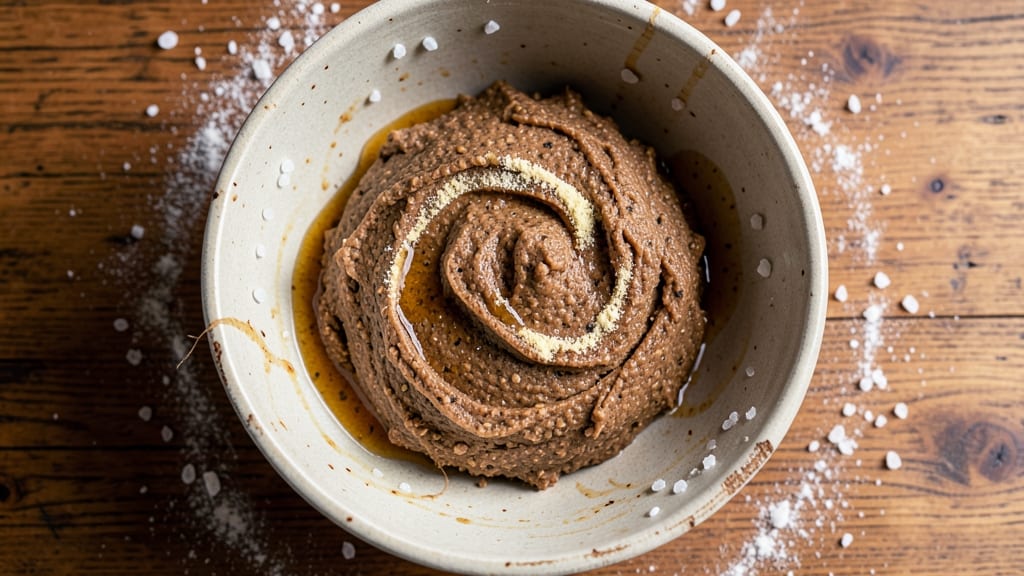
This Austrian rye bread recipe delivers the hearty, nutty depth and dark crust that make it a staple in Central European kitchens. The secret lies in a well-fed sourdough starter and precise fermentation—both critical for that signature dense crumb and aromatic complexity.
I’ve refined this method over years to ensure even home bakers achieve bakery-quality results without shortcuts that compromise flavor.
The dough’s simplicity belies its transformative power: just rye flour, water, salt, and a touch of honey (optional) come together to form a stiff, elastic batter. The key steps—long fermentation, careful shaping, and steam-assisted baking—create the signature dark crust and open crumb structure.
This isn’t just bread; it’s a flavor experience that pairs perfectly with hearty stews or buttery spreads.
What sets this recipe apart is its balance of tradition and approachability. The sourdough starter builds natural leavening, while the rye flour delivers that signature earthy, slightly sweet depth.
No fancy equipment is needed—just time, patience, and attention to detail. The result? A loaf so good, it’ll have you questioning why you ever bought store-bought rye.
For those who love texture, add caraway seeds or sunflower seeds before baking. The scoring technique ensures an even rise, and the dark crust develops a satisfying crunch.
Ready in about 8 hours (including fermentation), this bread is worth every minute of wait time. Let’s get started on mastering your own loaf.
Ingredients for austrian rye bread
Six essential ingredients transform into a loaf with bakery-quality depth and crust.
| Ingredient | Amount | Notes |
|---|---|---|
| Active Sourdough Starter 🍞 | ½ cup | Well-fed, bubbly consistency |
| Dark Rye Flour 🌾 | 4 cups | 100% rye, coarse grind preferred |
| All-Purpose Flour 🌾 | 1 cup | For structural balance |
| Distilled Water 💧 | 1 ½ cups | Room temperature preferred |
| Diamond Crystal Kosher Salt 🧂 | 2 tsp | Fine grain preferred |
| Raw Honey 🍯 | 1 tbsp | Optional, for subtle sweetness |
| Caraway Seeds 🌿 | 1 tbsp | Toasted for enhanced aroma |
| Sunflower Seeds 🥜 | ¼ cup | Optional, for texture contrast |
| Cornmeal 🌽 | ¼ cup | For dusting and scoring |
| Ice Cubes ❄️ | 1 cup | For steam generation |
The rye flour is non-negotiable here—King Arthur Dark Rye or Bob's Red Mill deliver the signature earthy, slightly sweet depth. The sourdough starter must be active and bubbly; if yours is sluggish, feed it twice daily for 24 hours before using. For the flours, local mill sources often provide superior texture, but name-brand options work well. Caraway seeds should be toasted lightly in a dry pan until fragrant—this enhances their aromatic profile without overpowering the bread's natural flavors. The honey, while optional, adds subtle complexity that complements the rye's robust character.
No rye flour? Substitute with pumpernickel flour at a 1:1 ratio, though the final product will have a slightly different texture. Caraway seeds unavailable? Fennel seeds work equally well, though their flavor profile differs subtly. The all-purpose flour acts as a structural component—don't omit it entirely, but you could reduce it by 2 tbsp if you're comfortable with a denser crumb. For the honey, maple syrup or agave nectar provide similar sweetness, though they may impart slightly different notes. If you're baking in a dry climate, increase the water by 1 tbsp to compensate for evaporation during fermentation.
The sourdough starter should be stored in a glass jar with a loose lid in the refrigerator between uses, where it'll remain viable for up to 2 weeks. Rye flour keeps indefinitely in a cool, dark pantry, but its flavor degrades after 6 months. Toasted seeds lose potency after 3 months; store them in an airtight container away from light. The finished loaf maintains peak freshness for 5 days at room temperature, wrapped in a clean kitchen towel. For longer storage, slice and freeze portions—reheat in a 350°F oven for 8-10 minutes to restore crispness.
Why You'll Love This Recipe
- Sourdough Shortcut: The active starter does most of the work—no yeast math or waiting for hours. Honestly, I just mix, shape, and bake while scrolling through my phone. That dark rye flour gives it depth without extra effort.
- Earthy Crusty Magic: That first bite? The rye’s malty bite with the sourdough’s tang—it’s like a warm hug for your taste buds. Between us, it’s the only bread I’ll toast for breakfast now.
- Weeknight Workhorse: Slice it thick for sandwiches, toast it for breakfast, or freeze slices for quick toast later. I keep a loaf on hand because it’s the one thing that never gets ignored in my house.
- Budget-Friendly Staple: Rye flour’s cheap, and a little starter goes a long way. I make two loaves at once—one for the week, one to freeze. Less waste, more flavor, and my wallet thanks me.
Step-by-step instructions for Austrian rye bread
Mastering this dense, flavorful loaf requires patience and precision—but the results are worth every minute.
Mix the Dough with Hydration Control
In a large mixing bowl, combine the 0.5 cup active sourdough starter, 4 cups dark rye flour, 1 cup all-purpose flour, 1.5 cups distilled water, 2 tsp diamond crystal kosher salt, and 1 tbsp raw honey. The rye flour will absorb moisture slowly, so use your hands to work the dough into a shaggy mass before adding the remaining ingredients.
Add the 1 tbsp toasted caraway seeds and 0.25 cup sunflower seeds, mixing until just combined. The dough will be sticky and wet—this is normal for rye bread. Sprinkle 0.25 cup cornmeal on a clean surface and transfer the dough, shaping it into a loose ball. Cover with plastic wrap and let rest for 30 minutes at room temperature.
Autolyse for Gluten Development
After the initial rest, wet your hands and gently stretch the dough outward, then fold it back toward the center. Repeat this process 4-5 times, rotating the dough a quarter turn after each fold. This builds structure while preserving the rye’s dense texture. Place the dough back under the plastic wrap and let it rest for another 30 minutes.
The autolyse stage allows the flour to hydrate fully and the gluten to relax, making the final shaping easier. Avoid overworking the dough—rye bread relies more on its natural density than gluten development.
Bulk Fermentation with Ice Cubes
Add the 1 cup ice cubes to the dough, working them in with your hands. The ice will create steam during baking, contributing to the bread’s signature dark crust. Shape the dough into a tight, rounded loaf and place it seam-side up in a lightly greased bowl. Cover and refrigerate for 12-16 hours (overnight).
Cold fermentation slows yeast activity, allowing flavors to deepen. The dough should nearly double in size by the end of this period, with a slightly jiggly texture when gently pressed. If it doesn’t rise significantly, extend the fermentation by another 4-6 hours—this is critical for flavor development.
Shape and Score for Crust Control
Remove the dough from the refrigerator and let it sit at room temperature for 1 hour to soften slightly. Shape it into a 6-inch round loaf by pulling the edges toward the center and sealing the seam. Place the loaf on a parchment-lined baking sheet, dusted with additional cornmeal to prevent sticking.
Use a sharp razor or lame to score the top in a decorative crosshatch pattern, cutting about ¼-inch deep. This allows steam to escape, preventing the loaf from bursting open during baking. Preheat your oven to 375°F with a Dutch oven inside for 45 minutes—this ensures a steamy environment for the crust.
Bake for Dark Crust and Nutty Depth
Carefully transfer the loaf (still on the parchment) into the preheated Dutch oven. Cover with the lid and bake for 45 minutes. Remove the lid and continue baking for another 15-20 minutes until the crust is deep mahogany and the internal temperature reaches 205-210°F. The bread should sound hollow when tapped on the bottom.
Let the loaf cool on a wire rack for at least 2 hours before slicing—this prevents a gummy crumb. The aroma of toasted rye and caraway will fill your kitchen, signaling success. Serve slices toasted with butter for the ultimate Austrian-style experience.
Pro Tips For Making Austrian Rye Bread
- Autolyse First: Mix your dark rye flour and all-purpose flour with distilled water before adding the sourdough starter—give it 30-60 minutes to relax. I learned this the hard way when my dough turned gummy; the autolyse improves gluten development even with rye’s stubbornness.
- Weigh Your Rye: Rye flour clumps like a stubborn teenager, so scoop-and-level is a recipe for disaster. Use a kitchen scale for accuracy—your starter’s hydration balance depends on it. (Yes, it’s worth the 10 seconds of extra effort.)
- Skip the Over-Knead: Austrian rye bread isn’t about punishing the dough—it’s about stretching. Do 2-3 sets of 5-minute stretches-and-folds during bulk fermentation instead of kneading. Overworking it turns the crumb dense, and no one wants a brick for breakfast.
- Steam the Oven: Place a metal bowl of boiling water on the oven floor before baking—this creates steam for the first 10 minutes. Without it, your crust will dry out before it darkens properly. (Pro move: Use a cast-iron Dutch oven if you have one.)
Make-ahead tips for this recipe
Starter Prep Ahead
Feed your sourdough starter 24 hours before making the bread to ensure it’s bubbly and active. Store it in a glass jar with a loose lid in the fridge—this keeps it viable for up to 2 weeks.
When ready, take it out and feed it 1:1:1 (starter:flour:water) ratio 4-6 hours before mixing. I like to do this first thing in the morning so the dough can ferment overnight. This step saves time on baking day and ensures your starter is at peak strength. 💪
Dough Mixing Prep
Pre-measure all ingredients the night before and store them in airtight containers—this cuts down on morning chaos. The dark rye flour and all-purpose flour can be weighed in advance, while the toasted caraway seeds and sunflower seeds should be toasted and cooled.
Keep the ice cubes in a separate container to maintain their chill. This prep ensures you’re ready to mix the dough within 10 minutes of waking up. ✨
Fermentation Timeline
Plan for an overnight cold fermentation to maximize flavor development. After mixing, place the dough in the fridge for 12-16 hours—this slow fermentation creates a deeper, more complex taste. Set a reminder on your phone so you don’t forget to take it out 1 hour before shaping.
Pro tip: Use a digital scale for accuracy when measuring the dough’s weight before and after fermentation to track progress. 📅
Baking Day Efficiency
Preheat your oven with the Dutch oven inside while the dough rests. This ensures it’s ready to bake as soon as you shape the loaf. Keep a wire rack nearby for cooling and have your parchment paper and cornmeal prepped.
I also like to have a sharp razor ready for scoring—this step is critical for that beautiful crust. With everything prepped, baking takes just 1 hour from shaping to cooling. ⏱️
Storage Solutions
Let the loaf cool completely before storing. Wrap it in a clean kitchen towel and place it in a paper bag at room temperature for up to 5 days. For longer storage, slice and freeze portions in airtight containers.
To revive, reheat slices in a 350°F oven for 8-10 minutes until crispy. This method keeps the bread tasting fresh, even after days of storage. 💫
Batch Prep for Meal Planning
Double the recipe and bake two loaves at once—this is perfect for meal prep. Store one loaf fresh and freeze the second for later. Use the fresh loaf for sandwiches or toast within 3 days, while the frozen loaf keeps for 3 months.
Label containers with dates to track freshness. This approach ensures you always have homemade rye bread on hand, whether you’re making open-faced sandwiches or serving it with soups. 🍞
Nutrition facts
Frequently asked questions
Why does Austrian rye bread need such a long fermentation?
The extended 12-16 hour cold fermentation develops the bread's signature depth and complexity. This slow process allows the rye's natural flavors to meld while creating a more digestible crumb. The cold temperature also enhances the sourdough's tanginess without overproofing the dough. Think of it as letting the flavors "marinate" for maximum impact!
Can I make this recipe without a sourdough starter?
Yes, but the flavor will be different. Replace the 0.5 cup starter with 1 tbsp active dry yeast and 1 tbsp sugar (to feed the yeast). The bread will still bake well, though it'll lack the traditional sourdough tang. For best results, use a rye-specific yeast like Lallemand Rye if available.
What's the best way to tell when the bread is fully baked?
Look for three key indicators: the internal temperature should reach 205-210°F, the crust should be deep mahogany, and tapping the bottom should sound hollow. The bread should also pull away slightly from the Dutch oven's sides. If unsure, bake an extra 5 minutes—underbaking is worse than overbaking for rye bread.
How do I store leftover rye bread to keep it fresh?
Wrap cooled slices in a clean kitchen towel and store in a paper bag at room temperature for up to 5 days. For longer storage, freeze slices in airtight containers—reheat in a 350°F oven for 8-10 minutes to restore crispness. The towel helps maintain moisture while the paper bag prevents sogginess.
What's the deal with the ice cubes in the dough?
The 1 cup ice cubes create steam during baking, which is essential for developing that signature dark crust. As the ice melts, it generates moisture that reacts with the oven's heat, producing a chemical reaction that darkens the crust beautifully. This technique also helps create the bread's characteristic open crumb structure. Think of it as a built-in steam injection!