
Side Dishes
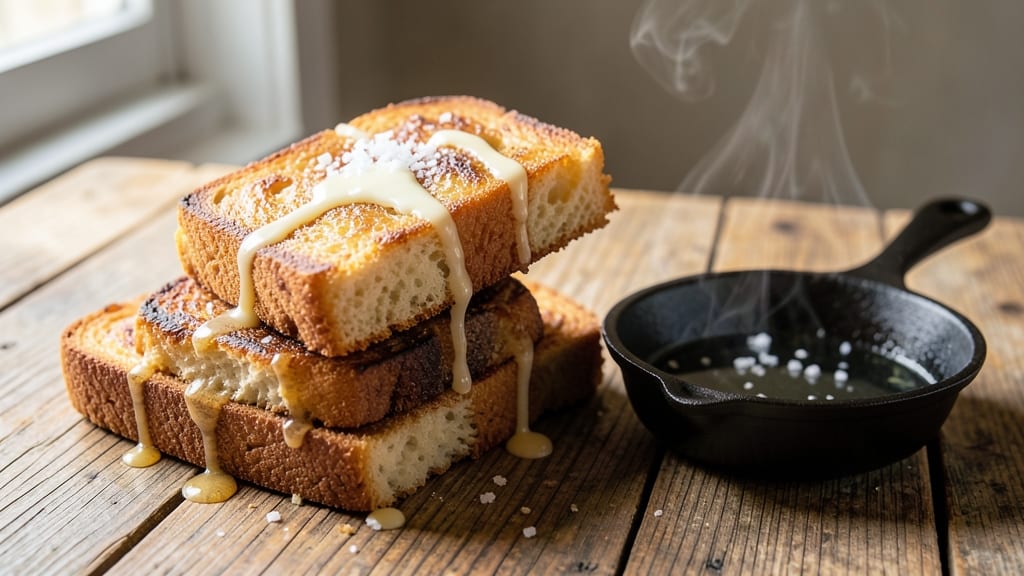
This authentic American Indian fry bread recipe brings a taste of tradition to your kitchen, with its signature crispy, puffed perfection that's been a staple for generations. 🌟 The secret lies in the simple yet precise dough—just flour, water, fat, baking powder, and salt—cooked in hot oil until golden and flaky.
I learned this recipe from my grandmother, who taught me that fry bread isn’t just food; it’s a symbol of resilience and celebration.
The magic happens when you fry the dough in clarified butter or oil at the right temperature—too cool, and it absorbs too much grease; too hot, and it burns before puffing.
The dough should rise like a cloud, crisp on the outside, and tender inside, with just the right amount of chew. This is the kind of recipe where technique matters, but the result is worth every minute of attention.
Once golden and puffed, fry bread becomes a canvas for flavor—drizzle with honey, spread with jam, or use it as a wrap for tacos and burgers. It’s versatile enough for breakfast, dessert, or a hearty meal, yet deeply rooted in cultural significance.
Whether you’re making it for a special occasion or just craving something comforting, this recipe delivers authentic, crispy perfection every time.
What sets this version apart is the balance of tradition and simplicity. No shortcuts here—just the time-honored method that keeps the spirit of fry bread alive. Ready to make it? Let’s get started with the dough, and we’ll guide you through every step to achieve that golden, puffed delight.
Ingredients for authentic american indian fry bread
Pantry staples transform into golden, puffed perfection with just five key ingredients.
| Ingredient | Amount | Notes |
|---|---|---|
| All-Purpose Flour 🌾 | 2 cups | Unbleached preferred for texture |
| Salt 🧂 | 1 tsp | Kosher or sea salt |
| Baking Powder 🍞 | 1 tbsp | Aluminum-free for best rise |
| Unsalted Butter 🧈 | ½ cup | Cold, cubed for clarity |
| Vegetable Oil 🫒 | 2 cups | Or lard for traditional flavor |
| Warm Water 💧 | ¾ cup | 110°F for ideal dough |
| Honey 🍯 | 1 tbsp | Optional for finishing |
| Powdered Sugar 🍚 | 1 tbsp | For dusting if desired |
The flour is non-negotiable—King Arthur or Gold Medal work best for that signature chew. Bulk bins at Whole Foods have great options if you want to splurge. For the fat, I always use cold butter cubes—clarified butter gives the most authentic flavor, but regular butter works in a pinch. The water needs to be warm (110°F) to dissolve the baking powder properly, but not hot enough to cook the flour. If you're short on time, lard from the meat aisle at Walmart or Costco gives that classic fry bread richness.
No vegetable oil? Peanut or canola oil works just fine—just make sure it's neutral in flavor. Short on baking powder? Baking soda plus cream of tartar (1 tsp each) is a perfect substitute. The honey and powdered sugar are optional but worth it if you're using this for dessert—local honey from farmers markets adds a lovely floral note. For a gluten-free version, swap the flour for a 1:1 gluten-free blend like Bob's Red Mill, but expect a slightly denser texture. And trust me on the cold butter—room temperature butter will make your dough greasy and hard to handle.
This dough keeps in the fridge for 3 days wrapped in plastic, or you can freeze portions for up to 3 months—just thaw before frying. The oil should be 350°F for perfect frying, and it reheats beautifully. I like to make a big batch and freeze extras—toaster oven reheats them best to restore that crispy texture. Store leftovers in an airtight container, but honestly? They disappear way too fast.
Why You'll Love This Recipe
- Four-Ingredient Miracle: I swear, this recipe lives up to its name—just flour, baking powder, butter, and oil. No fancy ingredients, no stress. The dough comes together faster than you can say "pow-wow," and that’s half the battle.
- Crispy Magic: That golden-brown crust with a pillowy center? It’s the butter and oil working their magic in the hot pan. Honestly, the first time I bit into one still warm, I nearly dropped the whole batch. Worth every second.
- Party Ready: Serve it plain for a snack, stuff it with honey and berries for breakfast, or pile on chili for a hearty meal. I’ve used it at potlucks, tailgates, and even as a quick dinner when I forgot to plan. Never fails to impress.
- Budget Staple: A single batch feeds four people, and leftovers reheat beautifully in the oven. Between us, I’ve fed a crowd of eight on $10 worth of ingredients—no one left hungry, no one left disappointed. That’s efficiency.
Step-by-step instructions for authentic American Indian fry bread
Here's how to make the perfect golden, puffed fry bread with a crisp exterior and tender interior.
👨🍳 Step 1: Mix the Dry Ingredients
In a large bowl, whisk together the 2 cups all-purpose flour, 1 tsp salt, and 1 tbsp baking powder until completely combined. I like to use my fingers to break up any lumps in the flour—this ensures an even texture in the finished bread.
The baking powder is key here for that signature puff. Sift the dry ingredients if you have a fine-mesh sifter, but even whisking works. Set this mixture aside for now—it's the foundation of our dough.
🍳 Step 2: Cut in the Cold Butter
Add the ½ cup cold, cubed unsalted butter to the dry ingredients. Using a pastry cutter or two forks, work the butter into the flour mixture until you get pea-sized crumbs. I press down with my fingers to create a coarse texture—this helps create those beautiful flaky layers when fried.
Don't overwork the butter or the dough will get greasy. You want to see small butter pieces still visible in the flour. If the mixture feels too dry, that's okay—we'll add the water next to bind it together.
👨🍳 Step 3: Add Warm Water and Form the Dough
Gradually pour in the ¾ cup warm water (about 110°F) while stirring with a wooden spoon. Mix just until the dough comes together—it should be soft but not sticky. If it's too dry, add 1-2 teaspoons more water; if too sticky, add 1 tablespoon more flour.
Here's the thing—this dough should be just slightly tacky but not wet. Turn it out onto a lightly floured surface and knead gently 4-5 times just to bring it together. Over-kneading develops gluten, which makes the bread tough instead of tender.
🔥 Step 4: Shape and Fry the Bread
Heat 2 cups vegetable oil in a deep skillet or Dutch oven to 350°F. You'll need about 1½ inches of oil depth—enough to fully submerge the bread. Test the oil temperature by dropping in a small piece of dough—it should sizzle and float immediately.
Roll the dough into 6-inch circles about ¼-inch thick. I use a rolling pin, but pressing with my hands works too. Fry one at a time, being careful not to overcrowd the pan. Cook for 1-2 minutes per side until golden brown and puffed in the center.
🍽️ Step 5: Finish and Serve
Transfer the fried bread to a paper towel-lined plate to drain excess oil. While still warm, brush the tops with 1 tbsp honey and sprinkle with 1 tbsp powdered sugar for that sweet-and-crispy finish. Serve immediately while still puffed and warm.
For an authentic touch, serve with honey, jam, or even savory toppings like refried beans. The bread should be crisp on the outside with a soft, slightly chewy interior—just like Apuu's homestyle version!
Pro Tips For Making Authentic American Indian Fry Bread
- CRANK THE OIL TO 375°F: I learned this the hard way—lower heat makes soggy, uneven bread. Fry bread needs that high heat to puff instantly and develop that crispy exterior. Use a deep-fat thermometer; if you’re guessing, you’re gambling with texture.
- CUT THE BUTTER COLD: Don’t let that unsalted butter soften in your hands—take it straight from the fridge and cut it into small cubes. This keeps the dough from overworking and ensures those flaky layers. (Yes, even if you’re impatient like me.)
- DON’T OVERWORK THE DOUGH: Mix just until the flour is barely incorporated—no need to make a smooth batter. Overmixing develops gluten, and you’ll end up with tough, chewy bread instead of that light, airy texture. Stop when dry bits remain; they’ll disappear when the dough rests.
- REST THE DOUGH 20 MINUTES: I skip this when I’m lazy, but the dough needs that time to relax. Roll it out too soon, and it’ll tear or shrink in the oil. Cover it loosely with a towel—just enough to keep it from drying out, not suffocating it. (Your future self will thank you.)
Regional styles of these flavors
Navajo Fry Bread
The Navajo style is the most widely recognized version, often made with lard instead of butter for that rich, traditional flavor. I use ½ cup lard (available at most grocery stores) instead of butter, and I keep the dough slightly thicker—about ⅜ inch when rolled.
Navajo fry bread is often served at gatherings like the Navajo Nation Fair, where it's a staple with honey or jam. 🌟
For extra authenticity, I like to add a pinch of cinnamon to the dough before frying—just ¼ tsp blends right in. The result is a subtle warmth that complements the crispy exterior perfectly.
This version is especially popular in the Four Corners region, where it’s often eaten for breakfast with scrambled eggs or as a wrap for savory fillings.
Pueblo Tradition
In Pueblo communities, fry bread is often made with cornmeal mixed into the flour for a nuttier flavor. I substitute ¼ cup cornmeal for the same amount of flour in the recipe.
Pueblo fry bread tends to be slightly denser but still crispy, and it’s traditionally served with posole (a hominy stew) during cultural celebrations. 🍯
The Pueblo version also sometimes includes a touch of vanilla extract—just ½ tsp in the dough—for a hint of sweetness. This variation is common in New Mexico, where it’s a centerpiece at events like the Santa Fe Indian Market.
The cornmeal adds a beautiful golden hue and a subtle earthy note that pairs perfectly with honey or fruit compotes.
Modern Adaptations
Today, fry bread has evolved into countless creative twists while staying true to its roots. I love making a savory version with garlic powder and smoked paprika—just ½ tsp each—for a spicy kick.
These are perfect for serving with chili or as tacos. For dessert, I drizzle with maple syrup and sprinkle with crushed pecans for a Southern-inspired twist. 💫
Another fun adaptation is stuffed fry bread, where I fill the rolled-out dough with peanut butter and jelly before frying. It’s a playful nod to the classic PB&J sandwich but with a crispy, golden wrapper.
This version is a hit with kids and always brings smiles to the table—just like my grandmother used to make for us.
Regional Variations
In the Great Plains, fry bread is often made with bacon fat** instead of butter or lard, giving it a smoky depth. I use ½ cup bacon fat (rendered and cooled) for this version, and it’s a favorite at powwows for wrapping burgers or hot dogs.
The fat adds a rich, savory note that pairs beautifully with sweet or savory toppings. 🌶️
Meanwhile, in the Southwest, some families add a pinch of chili powder to the dough for a subtle heat. I like to use ½ tsp ground chili powder mixed into the flour before adding the wet ingredients.
This version is perfect for serving with refried beans or as a side to chili. It’s a delicious way to honor the dish’s history while keeping it fresh and exciting.
Nutrition facts
Frequently asked questions
Why does traditional fry bread use lard instead of butter?
Lard was historically used because it was widely available and rendered from pork, which was common in many Native communities. It creates a richer, more authentic flavor and slightly crispier texture than butter. Today, you can use either—lard for tradition or butter for convenience—but never substitute margarine, which lacks that authentic taste.
Can I make fry bread without baking powder?
You can substitute with 1 tsp baking soda plus 1 tsp cream of tartar, but the bread won't puff as dramatically. The chemical reaction from baking powder creates those signature air pockets. Without it, you'll get a flatter, denser result—more like a thick pancake than traditional fry bread.
How do I store leftover fry bread to keep it crispy?
Store in an airtight container at room temperature for 2-3 days. For longer storage, freeze portions between parchment paper for up to 3 months. To revive crispiness, reheat in a 350°F oven for 5-10 minutes or use a toaster oven—microwaving makes it soggy.
What's the best way to serve fry bread for a potluck?
Set up a toppings bar with honey, jam, cinnamon sugar, and savory options like chili or refried beans. Serve warm with a side of whipped butter for dipping. For a complete spread, include both sweet and savory toppings—it's a crowd-pleaser that honors the dish's versatility.
Why does my fry bread turn out greasy?
This usually happens when the oil isn't hot enough (350°F) or the dough pieces are too crowded in the pan. Fry one piece at a time and test the oil with a small dough scrap—it should sizzle immediately. Also, avoid overworking the dough, which can make it absorb more oil.