
Desserts
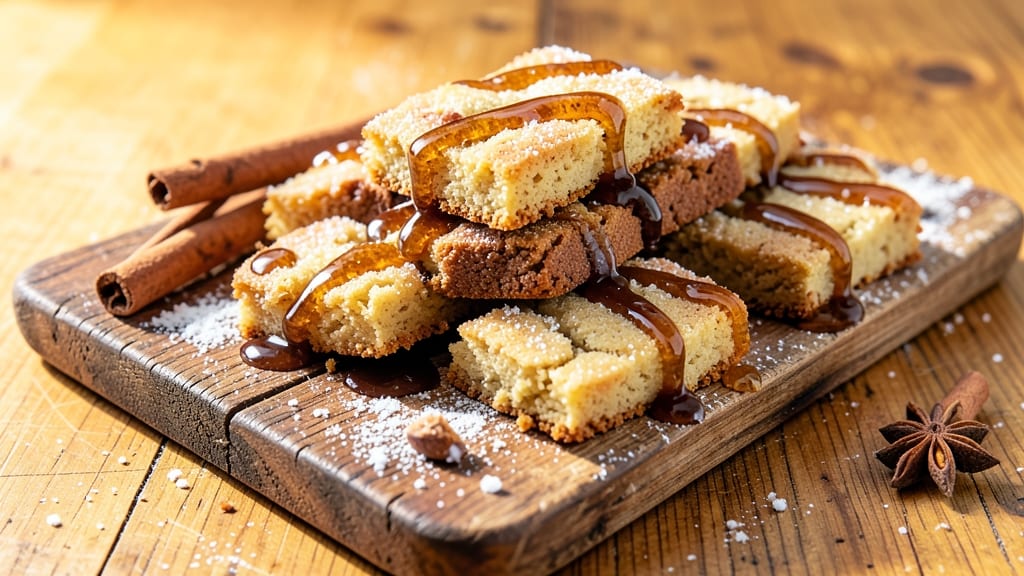
This authentic German gingerbread cookie recipe brings the warm, spiced flavors of traditional Lebkuchen to your kitchen. 🔥 The secret lies in the perfect balance of molasses, honey, and a blend of aromatic spices like cinnamon, cloves, and anise—each contributing to that signature German flavor profile.
Unlike sweeter American gingerbread, these cookies have a deeper, more complex taste that pairs beautifully with a simple glaze or dusting of powdered sugar.
The dough combines rich butter with molasses and honey for moisture, while ground spices infuse every bite with warmth. Unlike store-bought versions, this recipe uses real spices and no shortcuts, ensuring that each cookie delivers that authentic taste of German holiday baking.
The dough is rolled thin and cut into classic shapes—stars, hearts, or traditional Lebkuchen molds—before baking to a perfect golden-brown.
What makes these cookies truly special is their texture: crisp edges with a tender, slightly chewy center, all while maintaining that signature molasses crunch. The spices develop deeper as they cool, making them even more flavorful over time.
Whether you're baking for Christmas markets or holiday gatherings, these cookies will transport your guests straight to a German bakery.
For an extra touch, brush the baked cookies with a light egg wash or dust with powdered sugar before serving. These cookies keep well for up to two weeks in an airtight container, making them perfect for gifting or meal prep. Let’s get baking!
Ingredients for authentic german gingerbread cookie
Rich molasses, honey, and warm spices—this is your authentic German gingerbread cookie shopping list.
| Ingredient | Amount | Notes |
|---|---|---|
| Unsalted Butter 🧈 | ¾ cup | Cold for cutting into dough |
| Dark Molasses 🍯 | 1 cup | Not blackstrap for authentic flavor |
| Honey 🍯 | ½ cup | Wildflower preferred for depth |
| Granulated Sugar 🍚 | ½ cup | Light brown preferred |
| Large Eggs 🥚 | 2 whole | Room temperature for blending |
| All-Purpose Flour 🌾 | 3 ½ cups | Sifted for light texture |
| Ground Cinnamon 🌿 | 1 tbsp | Freshly ground for warmth |
| Ground Ginger 🌶️ | 2 tsp | Freshly ground preferred |
| Ground Cloves 🌶️ | ½ tsp | Freshly ground for intensity |
| Ground Anise Seed 🌿 | ½ tsp | Key for authentic flavor |
| Baking Soda 🧂 | ½ tsp | For tender crumb |
| Salt 🧂 | ¼ tsp | Fine sea salt |
| Powdered Sugar 🍚 | ¼ cup | For dusting finished cookies |
The molasses is non-negotiable here—Goya or Anthony's are my go-tos for that deep, complex flavor. Wildflower honey adds brightness, but regular honey works too. For the spices, Penzeys or local German markets carry the best ground anise and cloves. Freshly ground spices make all the difference—if you've got whole spices, grind them right before mixing. The butter should be cold but not rock-hard; take it out 15 minutes before starting. And that powdered sugar? Confectioners' sugar from the clear canister dissolves better than the clumpy kind.
No dark molasses? Blackstrap molasses at half the amount works, but it's stronger—reduce other liquids slightly. Short on honey? Maple syrup in a pinch, but it changes the flavor profile. The spices can be swapped: 1/4 tsp ground cardamom for anise if needed. For a lighter dough, add 1/4 cup almond flour. And if you're feeling fancy, add 1 tsp vanilla extract for depth. The dough will be sticky—don't stress, just handle it gently.
Wrap the dough in plastic and chill for at least 1 hour—this makes rolling so much easier. The baked cookies keep in an airtight container for 2 weeks at room temperature, or freeze for 3 months. For gifting, package in cellophane bags with a dusting of powdered sugar. Pro tip: Brush warm cookies with a little egg wash (1 egg yolk + 1 tbsp water) before dusting for extra shine. These taste even better the next day as the spices mellow.
Why You'll Love This Recipe
- No-Fuss Mixing: I swear by the creamy butter-molasses combo—just cream, stir, roll. No fancy techniques, no waiting for dough to rest. That honey cuts through the molasses sharpness like a secret handshake.
- Spiced Warmth: The molasses and honey team up for a deep, caramelized richness that’s not too sweet. Add a pinch of cinnamon or clove, and it’s like biting into a cozy winter hug—every time.
- Holiday or Snack: These cookies freeze like champs (yes, even the edges stay crisp) and taste fresh for weeks. Perfect for gift bags, potlucks, or when you’re craving something special but don’t want to bake from scratch.
- Budget Magic: Butter and eggs are staples, molasses lasts forever, and sugar stretches far. I make a double batch, portion it, and freeze—no wasted dough, just pure flavor on demand.
Step-by-step instructions for authentic German gingerbread cookies
Here's the traditional method—rich molasses, warm spices, and that signature anise kick you won't find in store-bought versions.
👨🍳 Step 1: Cut Cold Butter into Flour for Perfect Texture
Place the 0.75 cup unsalted butter in the freezer for 15 minutes to firm up slightly—this makes it easier to cut into the flour. In a large mixing bowl, whisk together the 3.5 cups all-purpose flour, 1 tbsp ground cinnamon, 2 tsp ground ginger, 0.5 tsp ground cloves, 0.5 tsp ground anise seed, 0.5 tsp baking soda, and 0.25 tsp salt. Use a pastry cutter or two forks to work the cold butter into the flour until the mixture resembles coarse crumbs with pea-sized butter pieces remaining.
This step is crucial—overworking the butter creates tough cookies, while underworking leaves them greasy. You want a texture like wet sand with visible butter flecks. Here's the thing—those butter pieces will melt during baking, creating pockets of moisture that keep the cookies tender while developing that signature German crunch.
🍳 Step 2: Mix Wet Ingredients for Deep Flavor
In a separate bowl, whisk together the 1 cup dark molasses, 0.5 cup honey, 0.5 cup granulated sugar, and 2 whole large eggs until smooth and fully combined. The mixture should be thick but pourable. I like to use a fork first to break up any lumps, then switch to a whisk for about 30 seconds to incorporate air.
This is where the authentic flavor comes together—the molasses provides that deep, almost caramel-like sweetness, while the honey adds subtle floral notes. Don't skip the whisking—those tiny air bubbles create lift in the cookies. Here's the moment that matters: taste the mixture now. It should be rich, spicy, and intensely aromatic with those warm anise and clove notes.
🥘 Step 3: Combine Wet and Dry for Smooth Dough
Gradually add the wet mixture to the flour-butter mixture, mixing gently with a wooden spoon or silicone spatula until just combined. Be careful not to overmix—you're looking for a dough that comes together but still has a slightly shaggy appearance. If it feels too dry, add 1-2 teaspoons of cold water to help it bind.
This dough should be soft but manageable—think playdough consistency. Real talk: it looks weirdly sticky at first, but trust me, that's exactly what you want. The dough will firm up as it chills, making it easier to handle. Wrap the dough tightly in plastic wrap and refrigerate for at least 1 hour (or up to 24 hours for deeper flavor development).
🔪 Step 4: Roll and Cut for Classic German Shapes
Preheat your oven to 350°F and line two baking sheets with parchment paper. On a lightly floured surface, roll out the chilled dough to about ¼-inch thickness. Use cookie cutters to create traditional shapes like stars, hearts, or gingerbread people—these shapes hold their structure beautifully during baking.
Here's where tradition meets technique: I like to press the cutouts gently onto the baking sheet to prevent them from spreading. Leave about 2 inches between cookies as they'll expand slightly. If you don't have cookie cutters, a round cutter or even a glass works in a pinch. The key is consistency in thickness—this ensures even baking and that perfect crunch.
🔥 Step 5: Bake Until Golden and Spiced
Bake the cookies for 10-12 minutes until the edges are deep golden brown and the centers still look slightly soft. They'll firm up as they cool. The house should smell like Christmas—warm spices, molasses, and that unmistakable anise aroma. For extra authenticity, I brush the tops with a beaten egg white mixed with 1 tablespoon water right after removing them from the oven.
Let the cookies cool on the baking sheet for 5 minutes before transferring to a wire rack. This resting period prevents cracking as they cool completely. Once cooled, dust generously with 0.25 cup powdered sugar—this is non-negotiable for that signature German finish. Each cookie should have a crisp exterior with a soft, spiced center that's chewy but not cakey. And here's the secret: store them in an airtight container for up to 2 weeks—they only get better with age!
Pro Tips For Making Authentic German Gingerbread Cookie
- Chill the Dough: German gingerbread needs time to firm up—at least 2 hours in the fridge, but overnight is better. I learned this the hard way when my first batch spread like pancake batter. Cold dough holds its shape, and the flavor deepens while it rests.
- Mix Molasses Slowly: Dark molasses is thick and sticky—add it to the wet ingredients last, one tablespoon at a time, while mixing on low. I used to dump it all in and ended up with a gloppy mess that fought me every step of the way.
- Use Room-Temp Eggs: Cold eggs make the dough fight you when creaming butter and sugar. Let them sit out for 30 minutes first—yes, even if you’re in a hurry. The batter will come together smoother, and the cookies won’t spread unevenly.
- Bake One Sheet at a Time: Crowd the pan, and your cookies turn out flat and sad. German gingerbread needs space—arrange them 2 inches apart on the sheet. I skip the parchment (it works fine) but always bake just one tray at a time for even browning.
Health benefits of authentic german gingerbread cookie
Spice-Packed Nutritional Boost
These cookies are packed with warm spices like cinnamon, ginger, and cloves that offer more than just flavor—they provide genuine health benefits. The 2 tsp ground ginger in each batch contains gingerol, a compound known to aid digestion and reduce nausea.
Meanwhile, the 1 tbsp cinnamon adds antioxidants that help regulate blood sugar levels, making these cookies a surprisingly balanced treat. 🌿
Natural Energy from Molasses
The 1 cup dark molasses used here isn't just for sweetness—it's a powerhouse of essential minerals. A single serving delivers about 15% of your daily iron needs, crucial for energy production and oxygen transport in your blood.
It also contains calcium and magnesium, both vital for muscle function and nerve signaling. Unlike refined sugars, molasses provides sustained energy without the crash.
Heart-Healthy Fats
The 0.75 cup unsalted butter in this recipe contributes saturated fats that, when consumed in moderation, support brain function and hormone production. More importantly, the 2 whole eggs provide heart-healthy monounsaturated fats and cholesterol (which your body needs to produce vitamin D).
The combination creates a cookie that's richer than its sugar content might suggest, with fats that help stabilize blood sugar levels.
Antioxidant-Rich Honey
The 0.5 cup honey brings more than sweetness—it's packed with polyphenols, natural antioxidants that combat oxidative stress in your body. Raw or wildflower honey contains pinocembrin, a compound shown to improve brain function and reduce inflammation.
Even regular honey provides these benefits, though in slightly lower concentrations. This makes your cookies not just delicious but also a subtle health booster.
Fiber for Balance
While these cookies aren't a fiber powerhouse, the 3.5 cups all-purpose flour provides about 5 grams of dietary fiber per serving when combined with the molasses and honey. The fiber helps slow digestion, preventing blood sugar spikes that often come with sweet treats.
For an extra fiber boost, consider adding 0.25 cup ground flaxseed to the dough—it won't alter the texture significantly but will enhance the nutritional profile. 💪
Stress-Reducing Anise
The 0.5 tsp ground anise seed is the secret ingredient that sets these cookies apart from American versions. Anise contains anethole, a compound with mild sedative properties that can help reduce stress and anxiety.
It also aids digestion, making these cookies a comforting treat that actually supports your well-being. The anise flavor mellows slightly as the cookies cool, releasing its calming benefits over time.
Nutrition facts
Frequently asked questions
What makes these German gingerbread cookies different from American versions?
Authentic German gingerbread uses anise seed (not anise extract) for its signature licorice-like warmth, plus dark molasses and honey instead of corn syrup. The dough is rolled thinner and baked longer for crisp edges with a tender center—unlike American cookies that are often cakey. The spices are also more complex, with cloves and cardamom playing key roles.
Can I substitute molasses with something else?
Yes, but expect flavor changes. For 1 cup molasses, try ¾ cup maple syrup + ¼ cup brown sugar or 1 cup honey + 2 tbsp water. Dark corn syrup works in a pinch but lacks depth. The molasses gives these cookies their signature rich, almost caramel-like flavor—without it, they'll taste more like traditional American gingerbread.
Why does the dough need to chill for so long?
Chilling for at least 1 hour (or overnight) is crucial because the molasses and honey make the dough extremely sticky. This rest period firms it up for easier rolling and prevents spreading during baking. The flavors also meld better, creating a more complex taste. Pro tip: If you're short on time, freeze the dough for 20 minutes—it works in a pinch!
How do I prevent my cookies from cracking?
Cracking happens when cookies cool too quickly. Let them rest on the baking sheet for 5-10 minutes before transferring to a wire rack. Also, avoid opening the oven door early—this causes temperature fluctuations. For extra insurance, brush warm cookies with a light egg wash (1 egg yolk + 1 tbsp water) before dusting with powdered sugar. This creates a protective barrier.
Can I make these cookies gluten-free?
Yes, but with adjustments. Replace the 3.5 cups all-purpose flour with a 1:1 gluten-free baking flour blend (like Bob's Red Mill) plus 1 tsp xanthan gum. You may need to add 1-2 tbsp extra liquid since gluten-free flours absorb differently. The texture will be slightly denser, but the flavor remains authentic. For best results, use a gluten-free blend designed for cookies.