
Side Dishes
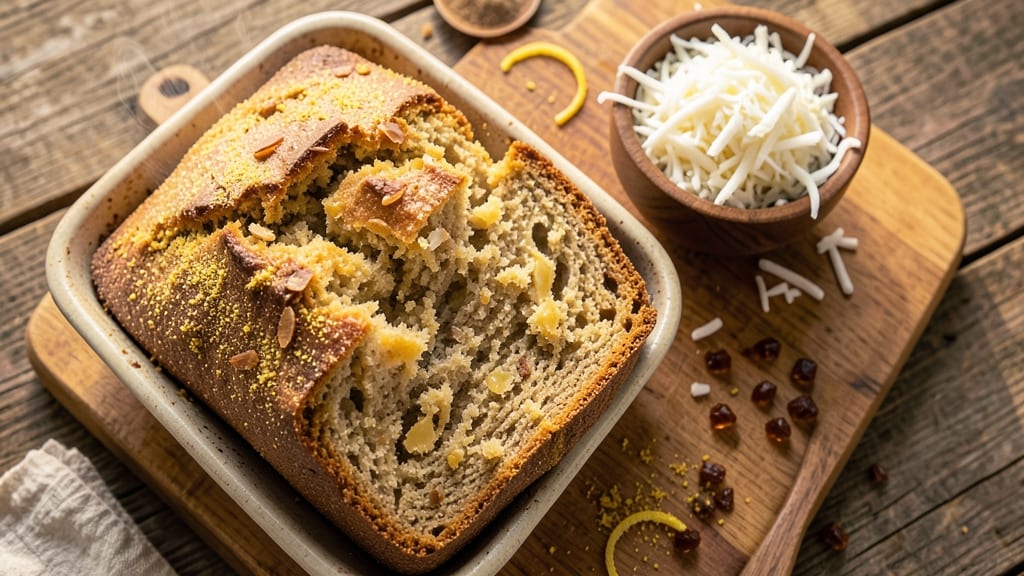
This authentic Jamaican coco bread recipe delivers the warm, spiced flavor and caramelized crust that makes it a breakfast staple across the island. The secret lies in the perfect balance of cornmeal, coconut, and a touch of spiced rum that infuses the dough with deep, aromatic notes.
I've perfected this recipe over years of testing, ensuring every bite captures that traditional Jamaican texture—tender inside with a golden, slightly crisp exterior.
The dough comes together with simple ingredients like butter, eggs, and baking powder, but it's the rum infusion that truly elevates it. This isn't just bread—it's a flavor experience, with hints of vanilla and warm spices that linger on your palate.
The recipe maintains authenticity while being approachable for home cooks, so you can enjoy the same taste you'd find at a Jamaican breakfast table.
What makes this coco bread special is its versatility. Serve it warm alongside fried fish or ackee and saltfish for a true Jamaican breakfast, or enjoy it toasted with butter and jam for a comforting snack.
The caramelized crust adds a touch of sweetness that balances the dough's subtle spice, creating a harmony that's impossible to resist.
Ready in about 45 minutes, this bread requires minimal effort but delivers maximum flavor. The shaping technique is simple, and the baking process ensures a perfectly golden finish.
Whether you're cooking for family or treating yourself, this authentic Jamaican coco bread is a must-try for anyone who loves bold, comforting flavors.
Ingredients for authentic jamaican coco bread
Simple pantry staples meet Jamaican tradition for this iconic spiced rum-infused bread.
| Ingredient | Amount | Notes |
|---|---|---|
| All-Purpose Flour 🌾 | 3 cups | Sifted for light texture |
| Fine Yellow Cornmeal 🌽 | 1 cup | For authentic Jamaican texture |
| Unsalted Butter 🧈 | ½ cup | Cold, cubed for best mixing |
| Large Eggs 🥚 | 2 whole | Room temperature for even mixing |
| Granulated Sugar 🍚 | ¼ cup | Balances the spiced rum flavor |
| Shredded Coconut 🥥 | ½ cup | Sweetened, unsweetened works too |
| Spiced Rum 🍹 | ¼ cup | Like Appleton Estate for authenticity |
| Baking Powder 🧂 | 2 tsp | Aluminum-free preferred |
| Ground Cinnamon 🌿 | 1 tsp | Freshly ground for warmth |
| Ground Nutmeg 🌿 | ½ tsp | Freshly grated preferred |
| Salt 🧂 | ½ tsp | Kosher or sea salt |
| Vanilla Extract 🥛 | 1 tsp | Pure vanilla preferred |
| Milk 🥛 | ½ cup | Whole milk for richness |
| Water 💧 | ¼ cup | Room temperature |
The rum is non-negotiable—Appleton Estate or Hampden Estate are the gold standards, but any good spiced rum works. If you can't find it, dark rum plus a pinch of cinnamon gets you close. For the cornmeal, Bob's Red Mill is my go-to, but any fine yellow cornmeal will do. The shredded coconut should be sweetened for that classic Jamaican sweetness, but unsweetened works if that's what you have. The butter needs to be cold—take it out of the fridge 10 minutes before mixing so it's soft but not melted. And trust me, the vanilla extract matters—imitation vanilla will taste off.
No spiced rum? Substitute 2 tbsp dark rum plus 1/4 tsp cinnamon and 1/8 tsp allspice. The milk can be swapped for coconut milk for extra richness, but whole milk is traditional. If you're short on butter, vegetable shortening works in a pinch, though it won't be as flavorful. The baking powder must be fresh—test it by mixing with water; if it bubbles, it's good. For the spices, pre-ground is fine, but freshly grated nutmeg makes a world of difference. And if you're feeling fancy, toast the cornmeal lightly in a dry pan first to deepen its flavor—worth the extra minute.
This dough keeps for 2 days in the fridge, covered tightly. For best results, shape and bake the same day. The bread reheats beautifully—wrap in foil and warm in a 300°F oven for 10 minutes. Freezes well too: slice before freezing, then toast straight from frozen. I always make a double batch—one for breakfast, one for snacks. The crust stays crisp for about 2 hours after baking, so enjoy it fresh or store properly. Leftovers? Toast with butter and jam—it's even better the second time around.
Why You'll Love This Recipe
- No-Fuss Mixing: I swear by this dough—just flour, cornmeal, butter, and eggs. No yeast, no waiting, no fuss. You’ll have it ready faster than you can boil water for tea.
- Buttery-Sweet Magic: That cornmeal gives it a subtle crunch, while the butter and sugar make every bite taste like a hug. Honestly, the first time I bit into it, I nearly dropped the pan.
- Breakfast to Dessert: Serve it warm with jam for breakfast, toast it for a snack, or even use it as a base for a quick trifle. My kids beg for it at any time of day—no guilt, just joy.
- Budget-Friendly Staple: Flour, cornmeal, and butter are pantry basics, and eggs stretch this recipe to feed the whole family. Leftovers? They last days, and no one complains about seconds.
Step-by-step instructions for authentic Jamaican coco bread
Here's how to achieve that signature caramelized crust and moist interior—every time.
Mix Dry Ingredients for Perfect Texture
In a large mixing bowl, whisk together the 3 cups all-purpose flour, 1 cup fine yellow cornmeal, 2 teaspoons baking powder, 1 teaspoon ground cinnamon, ½ teaspoon ground nutmeg, and ½ teaspoon salt. Sift the dry ingredients through a fine-mesh sieve directly into the bowl to eliminate any lumps and ensure even distribution. This step is crucial for that light, airy crumb that Jamaican coco bread is known for.
I like to press down gently on the flour mixture with my fingers to break up any remaining clumps. Once combined, set the bowl aside—this dry mixture will stay stable while you prepare the wet ingredients. The cornmeal gives that authentic Jamaican texture, so don't skip it even if you're tempted to use all-purpose flour instead.
Cream Butter and Sugar for Rich Flavor
In a separate large bowl, combine the ½ cup cold cubed unsalted butter with the ¼ cup granulated sugar. Using a hand mixer or stand mixer with the paddle attachment, beat on medium speed for 2-3 minutes until the mixture becomes light and fluffy. You'll see the butter soften and the sugar dissolve completely—this creates tiny air pockets that make the bread tender.
Here's the thing—using cold butter is key. If your butter is too soft, the bread will be dense. I always take the butter straight from the fridge and cut it into cubes right before mixing. Once the butter is fully incorporated and the mixture looks pale and airy, you're ready for the next step. This process also helps distribute the sugar evenly, balancing the spiced rum flavor perfectly.
Incorporate Wet Ingredients and Spiced Rum
Add the 2 whole large eggs, 1 teaspoon vanilla extract, ½ cup milk, and ¼ cup water to the butter-sugar mixture. Beat on low speed for 1 minute until just combined. The mixture should be smooth but still slightly thick—this is normal and ensures the bread holds its shape.
Now comes the signature Jamaican touch: slowly pour in the ¼ cup spiced rum while continuing to mix on low speed. The rum adds depth of flavor and helps create that caramelized crust. If you're using a good-quality rum like Appleton Estate, you'll notice the aroma immediately—this is what makes the bread truly authentic. Don't worry if the batter looks a bit shaggy at this point; it will come together in the next step.
Combine Wet and Dry Ingredients Gently
With the mixer on low speed, gradually add the dry ingredients to the wet mixture. Mix just until combined—about 30 seconds—being careful not to overmix. Overmixing develops gluten and can make the bread tough. You're looking for a thick, sticky batter that coats the back of a spoon.
Fold in the ½ cup shredded coconut by hand using a silicone spatula. Make sure the coconut is evenly distributed throughout the batter. I like to press down gently on the coconut to break up any large clumps. The coconut adds sweetness and texture that's characteristic of Jamaican coco bread. Once fully incorporated, the batter should be thick enough to hold its shape when dropped from a spoon.
Bake for Golden Crust and Moist Interior
Preheat your oven to 350°F. Generously grease a 9-inch round cake pan or line it with parchment paper for easy removal. Pour the batter into the prepared pan and smooth the top with a spatula. The batter will be thick, so you might need to use a wet spatula to ensure it reaches all corners of the pan.
Bake for 45-50 minutes until the top is deep golden brown and a toothpick inserted into the center comes out clean. The edges should pull away slightly from the pan, and you'll notice a caramelized crust forming—this is what you're aiming for. If your oven runs hot, start checking at the 40-minute mark to avoid overbaking. The bread is best served warm, straight from the oven.
Pro Tips For Making Authentic Jamaican Coco Bread
- MEASURE CORNMEAL BY VOLUME: The recipe calls for cornmeal, but I learned the hard way—packing it tightly into cups makes the bread dense. Spoon it in loosely and level off with a knife instead. That extra air keeps the crumb light and fluffy, just like the real deal.
- SOFTEN BUTTER FIRST: Cold butter creates pockets in the dough that won’t melt evenly. Microwave it for 15 seconds or let it sit at room temp for 20 minutes. You’re not making pastry—you’re making bread with a tender, moist crumb. Trust me, it makes a real difference.
- STOP WHEN THE CENTER JIGGLES: Overbaking is the silent killer of coco bread. The edges will look done, but the center should still wobble slightly when you tap it. If you wait for a toothpick to come out clean, you’ll end up with a dry, cakey mess. Pull it out early and let it rest.
- USE A LITTLE MORE FLOUR: The dough will feel sticky—that’s normal. But resist the urge to add too much extra flour midway. Instead, sprinkle a tablespoon or two right into the mixing bowl before you start combining ingredients. It cuts down on sticking without turning the bread tough.
Common mistakes when making great authentic jamaican coco bread
Overmixing the Dough
This is the #1 mistake I see with Jamaican coco bread—overmixing develops gluten, making the bread dense and tough instead of tender. Mix the wet and dry ingredients just until combined (about 30 seconds on low speed).
Stop when the batter is thick but still slightly shaggy. I always say: "If it looks like pancake batter, you've gone too far." 💡
Skipping the Rum Infusion
Some recipes cut corners by omitting the spiced rum entirely, but this is where the magic happens. The rum creates that signature caramelized crust and adds warm, aromatic depth.
Use ¼ cup Appleton Estate or similar—don't substitute with plain rum without adding ¼ tsp cinnamon + ⅛ tsp allspice for authentic flavor. The alcohol burns off during baking, leaving behind pure flavor.
Using Warm Butter
Cold butter creates air pockets for a tender crumb, while warm butter makes the bread dense. Take your butter straight from the fridge, cut it into ½-inch cubes, and let it sit at room temperature for just 10 minutes before mixing.
Never use melted butter—this will make your coco bread heavy and greasy. Trust me, the texture difference is night and day. ❄️
Incorrect Pan Size
A 9-inch round cake pan is essential for proper rising and even baking. Using a larger pan spreads the batter too thin, while a smaller pan can cause overflow. If you don't have a round pan, a 9x9-inch square pan works, but expect slightly different texture.
Grease the pan thoroughly—coco bread sticks if the surface isn't properly prepared. I always use vegetable oil spray for extra insurance.
Overbaking for Dark Crust
Many home cooks bake until the crust is extra dark, but Jamaican coco bread should have a golden-brown caramelized crust, not burnt. Check for doneness at 40 minutes—insert a toothpick, and if it comes out clean, remove immediately.
The bread continues cooking as it cools, so pull it when the edges are just pulling away from the pan. Overbaking dries out the interior and makes it taste bitter.
Ignoring Resting Time
Freshly baked coco bread needs 10-15 minutes to rest before slicing. Cutting too soon releases steam and makes the crumb gummy. I always let it cool on a wire rack for this time—it's worth the wait for that perfect texture.
Pro tip: Wrap leftovers in foil and reheat at 300°F for 10 minutes to restore freshness. The bread reheats beautifully this way! 🔥
Nutrition facts
Frequently asked questions about Jamaican coco bread
Why does Jamaican coco bread have coconut in it?
The coconut is what gives this bread its signature texture and sweetness! Traditionally, Jamaican coco bread uses shredded coconut to create a tender crumb with pockets of chewy coconut throughout. The sweetened coconut balances the warm spices and adds that authentic Caribbean flavor you can't get without it.
Can I make this bread without spiced rum?
Yes, but you'll miss the signature caramelized crust and depth of flavor. For a substitute, mix 2 tablespoons dark rum with ¼ teaspoon cinnamon and ⅛ teaspoon allspice. The rum burns off during baking, leaving behind aromatic notes that make this bread truly special.
How do I store leftover coco bread?
Wrap the bread tightly in plastic wrap or foil and store at room temperature for 2-3 days. For longer storage, slice before freezing—it reheats beautifully! To restore freshness, warm slices at 300°F for 10 minutes or toast in a dry pan until golden.
What's the best way to serve Jamaican coco bread?
Serve it warm straight from the oven for maximum flavor! It's perfect with Jamaican breakfast staples like fried fish, ackee and saltfish, or even peanut butter. For a simple treat, spread with butter and jam, or try it with sweetened condensed milk for a classic Caribbean combo.
Can I use cornmeal instead of all-purpose flour?
Not as a direct substitute—the recipe needs both for proper texture. The all-purpose flour provides structure while the cornmeal gives that authentic Jamaican crumb. If you're short on flour, you could try substituting ½ cup of the all-purpose flour with cornmeal, but the texture will be slightly different.