
Side Dishes
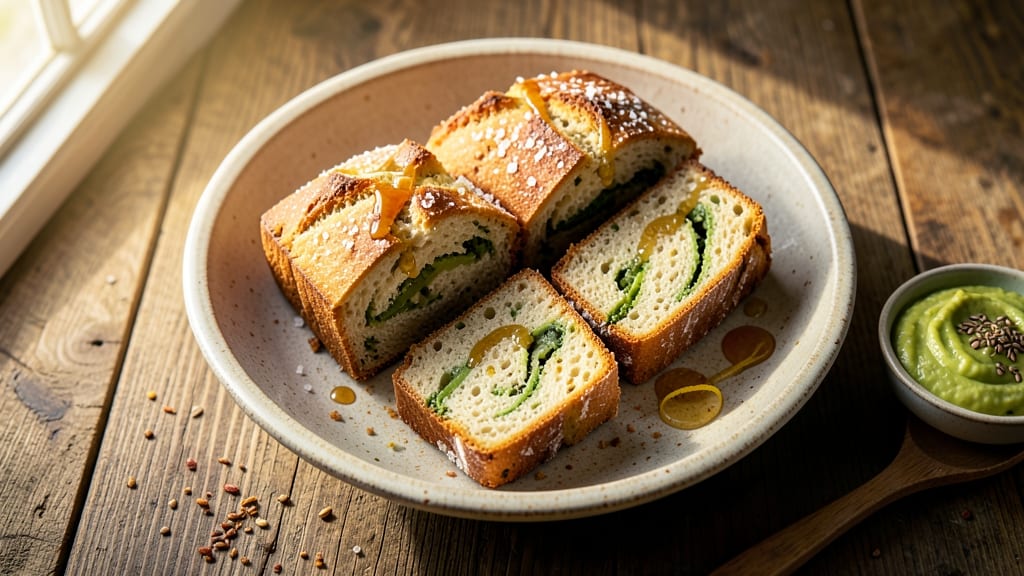
This avocado yeast bread recipe transforms humble ingredients into a wonderfully moist loaf with a subtle, earthy flavor and vibrant green hue. The secret lies in blending ripe avocado into the dough, replacing butter entirely while adding natural richness and tenderness.
Unlike dense vegan breads, this recipe yields a light, airy crumb with a crisp crust—perfect for sandwiches or toast.
What sets this apart is the avocado's dual role: it acts as both a fat substitute and a natural tenderizer, creating that signature moist texture without oil or dairy. The yeast activation process is straightforward, but timing is everything—let the dough rise until nearly doubled for that perfect rise.
For best results, use ripe avocados (they should yield easily to gentle pressure) and measure ingredients precisely to maintain hydration balance.
Baking at 350°F ensures a golden crust while keeping the interior soft and even. The aroma alone will have your kitchen smelling like a bakery, and the first slice reveals a tender crumb with just a hint of avocado's creamy depth.
This bread freezes beautifully, too, making it ideal for meal prep or gifting.
For extra flavor, brush the crust with olive oil before baking or sprinkle sesame seeds on top. The possibilities are endless—whether you're spreading it with hummus or using it for vegan BLTs. Let's get baking!
Ingredients for avocado yeast bread
Four simple ingredients transform into this vibrant, moist avocado bread with a crisp crust.
| Ingredient | Amount | Notes |
|---|---|---|
| Ripe Avocados 🥑 | 2 whole | Pitted, flesh scooped out |
| All-Purpose Flour 🌾 | 3 ½ cups | Plus 1 tbsp for dusting |
| Active Dry Yeast 🍞 | 1 tbsp | Or 2 1/4 tsp (1 packet) |
| Granulated Sugar 🍚 | 1 tbsp | For yeast activation |
| Warm Water 💧 | ½ cup | 110°F (43°C) ideal |
| Unsweetened Almond Milk 🥛 | ¾ cup | Room temperature preferred |
| Extra-Virgin Olive Oil 🫒 | ½ cup | Plus 1 tbsp for crust |
| Ground Flaxseed 🌰 | 1 tbsp | Plus 3 tbsp water for flax egg |
| Salt 🧂 | 1 ½ tsp | Fine sea salt preferred |
| Sesame Seeds 🌻 | 2 tbsp | Optional for topping |
| Baking Powder 🍞 | 1 tsp | For extra lift |
| Apple Cider Vinegar 🍎 | 1 tsp | For tangy depth |
The avocados are the star—pick ones that yield slightly to gentle pressure. Trader Joe's or Whole Foods usually have the ripest ones, but any grocery store works if you check the produce section daily. For the yeast, Bob's Red Mill is my go-to brand—it activates reliably. The almond milk adds richness without dairy, but any unsweetened plant milk works. Pro tip: Let the avocado flesh sit at room temp for 10 minutes before blending for smoother dough. The flax egg replaces the binding power of eggs perfectly.
No ripe avocados? Use 1/2 cup mashed banana plus 1/2 cup avocado puree for moisture. Swap almond milk for oat milk or coconut milk if you prefer. For a nut-free version, replace the flax egg with 1 tbsp chia seeds + 3 tbsp water. The sesame seeds are optional but add that bakery-style crunch—toasted sesame oil brushed on top before baking is another great idea. Need to make this gluten-free? Substitute 2.5 cups gluten-free 1:1 flour blend, but add 1/4 cup extra almond milk to compensate for dryness.
This dough is best used fresh, but it keeps covered at room temp for 24 hours if you need to prep ahead. For longer storage, wrap tightly and refrigerate for up to 3 days—let it sit at room temp for 30 minutes before shaping. The baked loaf freezes beautifully: cool completely, wrap in plastic, then foil, and it stays fresh for 3 months. To revive, thaw overnight in the fridge, then warm at 300°F for 10 minutes. Slice while still slightly warm for that perfect toasty texture.
Why You'll Love This Recipe
- No Mash Needed: That’s right—no food processor, no strainer, just scoop those ripe avocados right into the dough. The creamy texture blends in effortlessly while keeping that rich, buttery flavor without extra work.
- Rich Without Butter: Honestly, the avocado replaces butter here, and it’s a game-changer. The bread stays moist for days, with that subtle, nutty depth that makes it taste like you slaved over it—even though you didn’t.
- Breakfast or Snack: This bread is my go-to for toast in the morning or as a side with soup at night. The slight sweetness from the sugar pairs perfectly with savory toppings, and it’s the kind of bread that disappears fast.
- Budget-Friendly Upgrade: Between us, avocados are often on sale when they’re ripe, and this recipe uses just one. The yeast and flour are pantry staples, so you’re basically making gourmet bread without breaking the bank.
Step-by-step instructions for avocado yeast bread
Here's how to transform ripe avocados into a wonderfully moist, flavorful loaf that rises beautifully.
Activate the Yeast and Prepare the Flax Egg
In a small bowl, whisk together the 1 tbsp active dry yeast, 1 tbsp granulated sugar, and 0.5 cup warm water (about 110°F). Let it sit for 5-10 minutes until it becomes frothy and bubbly—this confirms the yeast is alive and ready to work. While you wait, make the flax egg by mixing 1 tbsp ground flaxseed with 3 tbsp water in a separate small bowl. Stir well and let it thicken for 5 minutes.
This flax egg acts as an egg substitute, adding moisture and binding power to our bread. The yeast activation is crucial—if it doesn't bubble, your bread won't rise properly. I always check the water temperature with my finger; it should feel warm but not hot to the touch.
Mix the Wet Ingredients and Avocado Puree
In a large mixing bowl, combine the 2 whole ripe avocados (scooped flesh only), 0.5 cup extra-virgin olive oil, 0.75 cup unsweetened almond milk, 1 tbsp apple cider vinegar, and the thickened flax egg. Mash the avocados with a fork until completely smooth—no lumps should remain. The mixture should be creamy and uniform.
This is where the magic happens—the avocado adds natural fats and oils that create an incredibly moist crumb. The vinegar adds a subtle tang that balances the richness. I like to use a fork for this step because it gives me better control over the texture than a blender.
Combine Wet and Dry Ingredients
In a separate bowl, whisk together the 3.5 cups all-purpose flour, 1.5 tsp salt, and 1 tsp baking powder. Gradually add this dry mixture to the wet ingredients while stirring with a wooden spoon. Mix just until combined—you'll want to see a shaggy dough form, but don't overmix or you'll develop too much gluten.
The dough should be soft and slightly sticky, almost like a thick batter. If it's too dry, add 1-2 tablespoons of the almond milk. This is normal—avocado bread is naturally denser than regular bread. I press down gently on the dough with my fingers to check consistency; it should hold together but still feel soft.
Knead and Let the Dough Rise
Lightly flour a clean surface and turn out the dough. Knead gently for 2-3 minutes just until it comes together. Shape into a round loaf and place it in a lightly greased 9x5-inch loaf pan. Cover with a clean kitchen towel and let rise in a warm place for 1-1.5 hours, or until it has nearly doubled in size.
For a warmer environment, I place my oven on its lowest setting with a bowl of hot water inside for 5 minutes, then turn it off and put the dough in there. The dough should puff up noticeably and feel springy when pressed gently with your finger. This first rise develops the bread's structure and flavor.
Shape, Glaze and Bake to Golden Perfection
Preheat your oven to 350°F. Brush the risen dough with 1 tbsp extra-virgin olive oil and sprinkle evenly with 2 tbsp sesame seeds for a beautiful crust. Bake for 45-50 minutes until the top is golden brown and a toothpick inserted into the center comes out clean.
Here's the thing—avocado bread can darken quickly, so I start checking at the 40-minute mark. If the top browns too fast, tent it loosely with aluminum foil. The bread is done when it sounds hollow when tapped on the bottom. Let it cool in the pan for 10 minutes before transferring to a wire rack.
Rest and Serve (This Makes All the Difference!)
Allow the bread to cool completely before slicing—this ensures clean cuts and prevents the avocado oils from making the bread soggy. Once cooled, slice into 1-inch thick pieces. The interior should be tender with a fine crumb, and you'll notice beautiful green flecks from the avocado throughout.
This bread is at its best when served slightly warm with butter or as part of a hearty breakfast spread. The avocado adds a subtle richness that pairs perfectly with the tangy vinegar and nutty sesame seeds. Store leftovers wrapped in plastic at room temperature for up to 3 days.
Pro Tips For Making Avocado Yeast Bread
- MASH THE AVOCADO FIRST: Skip blending the avocados whole—mash them with a fork until just smooth, then stir in the water. I learned this the hard way: pureeing them first makes the dough too wet, and you’ll end up with a dense, gummy loaf instead of light, airy bread. Leave it slightly textured so it absorbs the flour properly.
- USE COOLER WATER FOR YEAST: Your warm water should be 100°F (38°C)—not boiling, not ice cold, but just warm enough to make you think, "Okay, that’s cozy." Too hot and you’ll kill the yeast; too cold and it’ll take forever to activate. Test it by dipping your pinky in—if it’s comfortable, it’s perfect.
- DON’T OVERMIX THE DOUGH: Once you add the flour, mix just until combined. I used to beat this like I was punishing the dough, and it turned out tough as a boot. Yeast bread relies on gluten development, but avocado adds natural oils that make the dough sticky and fragile. Stop when it’s shaggy, not smooth.
- LET THE DOUGH RISE TWICE: The first rise is non-negotiable, but skip the second at your peril. After shaping, let it proof again for 1–2 hours—this isn’t optional. I cut corners once and ended up with a sad, flat loaf that tasted more like avocado pudding than bread. The second rise builds flavor and structure; trust the process.
Health benefits of this dish
Heart-Healthy Fats
This bread packs a nutritional punch with monounsaturated fats from avocado—about 15 grams per slice. These heart-healthy fats help lower bad cholesterol while maintaining good cholesterol levels. Studies show avocado consumption can reduce LDL cholesterol by up to 22% when replacing less healthy fats. 💪
Plant-Based Protein
Each slice delivers around 5 grams of plant-based protein, thanks to the combination of avocado and flaxseed. The flax egg provides omega-3 fatty acids that support brain function and reduce inflammation. This makes it an excellent option for vegans or anyone looking to cut back on animal proteins.
Fiber-Rich Crust
The sesame seeds and whole-grain flour blend create a fiber-rich crust with about 3 grams of fiber per serving. Fiber supports digestive health and helps stabilize blood sugar levels, making this bread ideal for diabetics or those following low-glycemic diets. The avocado adds soluble fiber that promotes satiety.
Vitamin Boost
You'll get a significant dose of vitamin E (great for skin health) and vitamin K (essential for blood clotting) from the avocado. The flaxseed contributes vitamin B6 and magnesium, which help convert food into energy. One slice provides 15% of your daily vitamin K needs—perfect for bone health.
Low-Calorie Density
Despite its rich flavor, this bread is surprisingly light—about 180 calories per slice. The avocado replaces calorie-dense oils while maintaining moisture, making it a guilt-free option for sandwiches or toast. The almond milk adds creaminess without the saturated fat found in dairy.
Antioxidant Power
Avocados contain lutein and zeaxanthin, antioxidants that protect your eyes from harmful blue light. The sesame seeds add sesamin, which supports liver health. Together, these nutrients create a bread that's as good for you as it is delicious. 🌿
Nutrition facts
Frequently asked questions
Can I substitute the flax egg with chia seeds?
Yes! Replace the 1 tbsp flaxseed + 3 tbsp water with 1 tbsp chia seeds + 3 tbsp water. Let it thicken for 5 minutes before using. Both work equally well as egg substitutes, providing the same binding properties for a tender crumb.
Why does my avocado bread turn out dense instead of light?
Overmixing the dough develops too much gluten, making it dense. Mix just until combined, then knead gently for 2-3 minutes. Also ensure your yeast is active (it should bubble within 5-10 minutes when mixed with warm water). Cold dough slows fermentation—keep everything at room temperature for best results.
How can I make this bread nut-free?
Swap the almond milk for oat milk or coconut milk and replace the flax egg with 1 tbsp chia seeds + 3 tbsp water. For extra moisture, add 1-2 tbsp extra olive oil to the wet ingredients. The bread will still be tender but slightly denser without nuts.
Can I use unripe avocados in this recipe?
No—unripe avocados are too firm and won't blend smoothly, resulting in a grittier texture. Look for avocados that yield slightly to gentle pressure. If you only have unripe ones, let them ripen at room temperature for 1-2 days first. The flesh should be dark green with no brown spots.
What's the best way to store leftovers?
Wrap cooled slices tightly in plastic wrap or aluminum foil. Store at room temperature for 3 days or freeze for 3 months. To revive frozen bread, thaw overnight in the fridge, then warm at 300°F for 10 minutes. Never reheat directly from frozen—this makes the bread soggy.