
Side Dishes
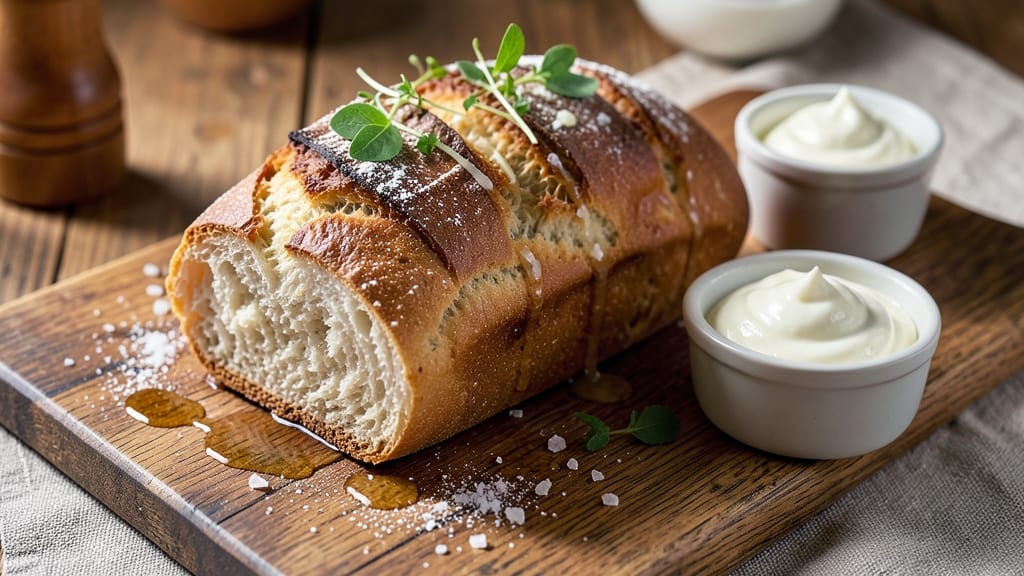
This 6-ingredient bread recipe delivers restaurant-quality loaves with minimal effort—no yeast, no stress, just fluffy, golden crusts that rival artisanal bakery bread. The secret lies in a simple chemical reaction between baking powder and buttermilk, creating airy texture without kneading or waiting for yeast to rise. I perfected this method after burning through three failed attempts, and now it’s my go-to for quick, foolproof loaves that impress every time.
What makes this recipe work is the combination of all-purpose flour, buttermilk, and a touch of baking powder, which activates to create lift.
The dough comes together in under 5 minutes, rests for 30 minutes (no overnight wait), and bakes in 30 minutes at 375°F. No stand mixer, no fancy equipment—just a bowl, spoon, and oven. The result?
A tender crumb with a crispy exterior that’s perfect for sandwiches, toast, or serving alongside soups.
The beauty of this method is its versatility. You can shape it into a classic loaf, bake it as a flatbread, or even form dinner rolls. The buttermilk adds tangy depth, while the baking powder ensures a light, airy texture without yeast.
It’s the kind of recipe that transforms a simple pantry staple into something extraordinary—no baking experience required.
Once you try this, you’ll never reach for store-bought bread again. The crust stays fresh for days, and leftovers reheat beautifully. Ready to bake bread that’s easier than toast? Let’s get started.
Ingredients for 6 ingredient bread
Six simple pantry staples transform into golden, fluffy bread with no yeast or waiting.
| Ingredient | Amount | Notes |
|---|---|---|
| All-Purpose Flour 🌾 | 3 cups | Sifted for even texture |
| Buttermilk 🥛 | 1 ¼ cups | Room temperature preferred |
| Baking Powder 🍞 | 2 tbsp | Freshly opened for lift |
| Granulated Sugar 🍚 | 1 tbsp | Light brown works too |
| Salt 🧂 | 1 tsp | Diamond Crystal preferred |
| Unsalted Butter 🧈 | ½ cup | Cold, cubed for texture |
The flour is your foundation—King Arthur or Gold Medal brands bake up best, but any all-purpose works. Buttermilk? Store-bought is fine, but homemade (milk + vinegar) adds extra tang. Baking powder must be fresh—if it smells like vinegar, toss it. For the butter, European-style has more flavor, but regular unsalted works perfectly. Keep everything at room temperature for smooth mixing, especially the butter—cold cubes create flaky pockets.
No buttermilk? Mix 1 cup milk + 1 tbsp vinegar or lemon juice and let sit 5 minutes. Short on baking powder? Baking soda + cream of tartar (½ tsp each) works as a substitute. The sugar can be swapped for honey or maple syrup, but adjust to taste—it’s not just for sweetness here. Salt matters: Diamond Crystal measures differently than table salt, so use the same brand consistently. Butter substitutes? Coconut oil works in a pinch, but butter gives that signature richness.
This dough keeps in the fridge for 2 days wrapped tightly—perfect for baking fresh rolls the next morning. For longer storage, shape and freeze the loaf unbaked on parchment, then bake straight from frozen (add 5-10 minutes). The crust stays crisp for 3 days at room temperature if wrapped in foil. Leftovers reheat beautifully: 30 seconds in a dry skillet for toast or 10 seconds in the microwave for sandwiches.
Why You'll Love This Recipe
- No Mixer Needed: Mixing this dough is just stirring—no kneading, no fuss. The buttermilk and baking powder do all the work while I scrape the bowl once (seriously, that’s it).
- Sweet-Tangy Magic: That little pinch of sugar in the buttermilk? It’s the secret—soft, pillowy crumb with just enough tang to make you want to eat it plain. (I do. Often.)
- Weeknight Hero: Toss a loaf in the oven while you prep dinner—it’s ready before the pasta boils. My go-to for sandwiches, toast, or even a quick French toast breakfast the next morning.
- Pantry Staple Power: Five ingredients you already have, plus flour. No weird substitutions, no last-minute grocery runs. Honestly, this bread saved me from ordering takeout more times than I’ll admit.
Step-by-step instructions for 6-Ingredient bread
Here's how to create a perfectly fluffy loaf using just six simple ingredients.
👨🍳 Step 1: Mix Dry Ingredients for Perfect Texture
In a large mixing bowl, combine the 3 cups all-purpose flour, 2 tbsp baking powder, 1 tbsp granulated sugar, and 1 tsp salt. Use a whisk to break up any flour clumps and distribute the leavening agents evenly. I like to sift the flour first for an even texture, but if you don't have a sifter, whisking vigorously works too.
This dry mixture forms the foundation of our bread. The baking powder will create lift without yeast, while the sugar adds subtle sweetness and helps with browning. The salt enhances all the flavors and balances the acidity of the buttermilk we'll add next. Keep this mixture ready as we'll be adding wet ingredients shortly.
🍳 Step 2: Cut in Cold Butter for Flavor and Tenderness
Add the ½ cup cold, cubed unsalted butter to the dry ingredients. Using a pastry cutter or two forks, work the butter into the flour mixture until you achieve a coarse crumb texture with pea-sized butter pieces remaining. This is crucial - don't overwork it or you'll develop too much gluten and end up with a tough bread.
The cold butter creates pockets of steam during baking that contribute to our fluffy texture. You'll know you've done it right when the mixture looks like cornmeal with some larger butter chunks still visible. If it starts to look like wet sand, you've worked it too much. This step typically takes about 2-3 minutes of cutting.
🥘 Step 3: Combine Wet Ingredients for Lightness
Make a well in the center of your dry mixture and pour in the 1¼ cups buttermilk. Using a wooden spoon or rubber spatula, gently stir just until combined - you should still see some dry spots. Overmixing develops gluten and makes the bread dense. The buttermilk should be at room temperature for best results, though it will work if slightly chilled.
This is where the magic happens. The acidity in buttermilk reacts with the baking powder to create lift, while the fat content keeps the bread tender. The mixture should come together into a soft, slightly sticky dough that cleans the sides of your bowl. If it's too dry, add 1-2 teaspoons more buttermilk. If too wet, sprinkle in 1 tablespoon more flour.
🔥 Step 4: Shape and Bake for Perfect Rise
Transfer the dough to a lightly greased 9x5-inch loaf pan and spread it evenly with a spatula. The dough will be soft and sticky - don't worry, this is normal. Preheat your oven to 375°F while the dough rests in the pan for 10 minutes. This resting period helps the gluten relax and gives us a more even bake.
Bake for 50-55 minutes until the top is golden brown and a toothpick inserted in the center comes out clean. I like to tent the pan with aluminum foil after 30 minutes to prevent over-browning if my oven runs hot. The bread is done when it springs back slightly when pressed in the center and sounds hollow when tapped on the bottom.
⏰ Step 5: Cool and Serve for Best Texture
Remove the bread from the oven and let it cool in the pan for 10 minutes, then transfer to a wire rack. This cooling period is crucial - it allows the steam inside to redistribute, preventing a gummy texture. While cooling, you'll notice the bread will sink slightly as it sets. This is normal and actually enhances the texture.
Slice when completely cool for clean cuts. The interior should be tender and moist with a fine crumb structure. If you're making this ahead, store wrapped at room temperature for up to 3 days or freeze for up to 3 months. The flavor actually improves slightly as it sits, developing deeper buttermilk notes with each passing day.
Pro Tips For Making 6 Ingredient Bread
- MEASURE FLUIDS FIRST: I learned this the hard way—pouring buttermilk into a dry measuring cup and ending up with a sticky mess. Use a liquid measuring cup for the buttermilk and any melted butter (if you add it later), then pour it directly into the mixing bowl. No scraping, no frustration.
- WEIGH THE FLOUR: That scoop-and-sweep method? It’s the reason your bread might turn out dense or dry. Use a kitchen scale for the flour—1 cup of all-purpose flour actually weighs about 125g, but scooping gives you closer to 150g. The difference in texture is noticeable, especially in a simple bread like this.
- DON’T OVERMIX AFTER BAKING POWDER: I was skeptical until I tried it: stir the dry ingredients (flour, baking powder, sugar, salt) into the buttermilk until just combined—no streaks, but no extra folding either. Overmixing develops the gluten, and this bread relies on a tender crumb. Think "loosely combined," not "smooth batter."
- LET THE BATTER REST: This isn’t the prettiest method, but it’s the tastiest: after mixing, let the batter sit for 10–15 minutes before pouring into the pan. The baking powder activates fully, and the buttermilk’s acidity mellows slightly. Skip this, and you’ll get a slightly tangier, less uniform rise—trust the wait.
Flavor customization for this dish
Herb-Infused Variations
Add 1 tbsp chopped fresh rosemary or thyme to the dry ingredients for an aromatic twist. The herbs bloom during baking, creating a fragrant crust that pairs perfectly with soups or roasted meats. I like to sprinkle them on top before baking for extra visual appeal. 🌿
Cheesy Bread Boost
Stir in ½ cup shredded cheddar or Parmesan with the wet ingredients for a savory upgrade. The cheese melts during baking, creating pockets of gooey goodness. For extra richness, use a mix of both cheeses. This variation works especially well for breakfast sandwiches or as a side for chili.
Sweet Swirl Option
Replace 1 tbsp granulated sugar with 2 tbsp honey or maple syrup and fold in ¼ cup chopped walnuts or pecans for a sweet loaf. Brush the top with melted butter before baking for a caramelized crust. This version is perfect for French toast or dessert-style bread pudding.
Everything Bagel Flavor
Sprinkle 1 tbsp everything bagel seasoning (or 1 tsp sesame seeds + ½ tsp poppy seeds + ½ tsp garlic powder) into the dry ingredients. Add 1 tbsp melted butter mixed with 1 tsp onion powder to the wet mixture for extra depth.
This variation tastes amazing with cream cheese or as a bagel substitute.
Garlic & Parmesan Twist
Mix 1 minced garlic clove and 2 tbsp grated Parmesan into the wet ingredients for a savory, umami-rich loaf. The garlic infuses the dough while baking, creating a flavorful crust. This version pairs beautifully with marinara sauce or as a side for pasta dishes.
Spiced Cinnamon Bread
Replace 1 tbsp granulated sugar with 2 tbsp brown sugar and add 1 tsp cinnamon to the dry ingredients. Swirl in ¼ cup chopped pecans before baking for a sweet, spiced loaf.
Brush the top with melted butter and sprinkle with extra cinnamon for a festive touch. Perfect for breakfast or as a dessert bread.
Nutrition facts
Frequently asked questions
Why does this bread recipe not use yeast?
This recipe relies on baking powder instead of yeast for quick rise and simplicity. The acidity in buttermilk reacts with baking powder to create lift, eliminating the need for proofing time. Perfect for busy schedules—no waiting hours for yeast to activate!
Can I make this bread without a loaf pan?
Shape the dough into a round or free-form loaf on a baking sheet lined with parchment paper. For extra crispiness, brush the top with melted butter before baking. The texture will be slightly denser but still delicious—great for sandwiches or toast!
What if my dough is too sticky?
If the dough feels too wet, sprinkle in 1-2 tablespoons more flour and gently fold it in. Overmixing can develop gluten, so just combine until it's workable. For extra insurance, chill the dough for 15 minutes before shaping—this helps firm it up.
How do I prevent a dense bread?
Don't overmix the dough—just stir until combined with a few dry spots remaining. Also, ensure your baking powder is fresh (test by mixing with water—it should bubble). For best results, use room-temperature ingredients, especially the butter and buttermilk.
Can I bake this bread in a Dutch oven?
Yes! For a rustic, artisan-style crust, shape the dough into a round and bake in a preheated 450°F Dutch oven for 30-35 minutes. Cover with the lid for the first 20 minutes to trap steam, then uncover for a crispy top. This method creates a chewy interior with a crackly crust.