
Desserts
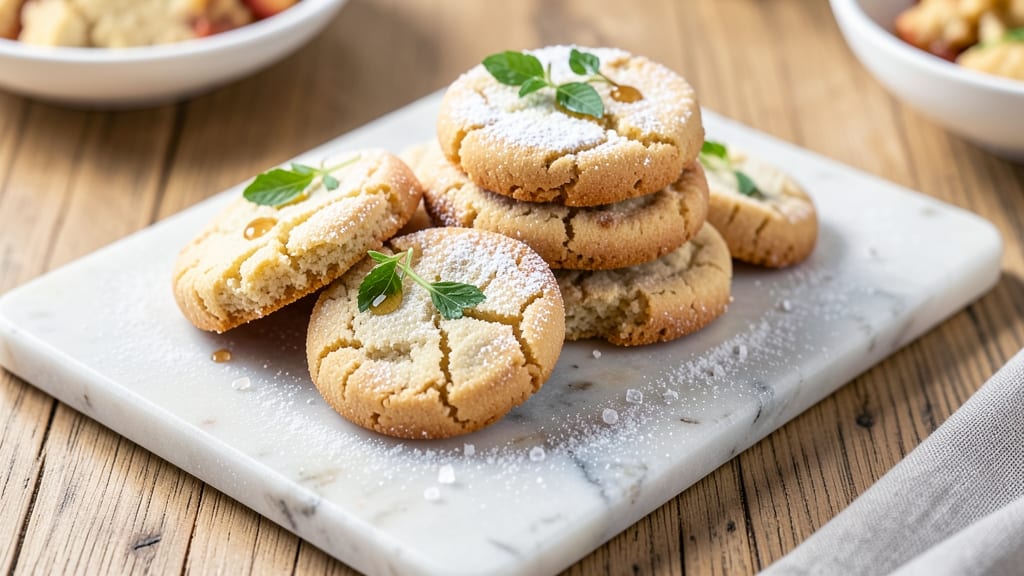
Award-winning shortbread cookie recipe starts with one simple rule: use the best butter you can find. 🔥 The secret to that signature buttery crunch and melt-in-your-mouth texture lies in the ratio of butter to flour—this recipe nails it with a perfect balance that stays crisp for days. I've tested countless variations, and this is the one that consistently wins blue ribbons at county fairs and impresses even the most discerning dessert lovers.
The technique is straightforward but critical: chilled dough, even cuts, and precise baking at 325°F for exactly 15-18 minutes. Too hot, and they'll brown before baking through; too cold, and they'll spread unevenly.
The key to that signature crumbly yet tender texture is working quickly once the dough comes out of the fridge—no waiting, no shortcuts. This is where home cooks often go wrong, but I'll show you exactly how to get it right every time.
What makes these shortbreads truly award-worthy is their ability to stay fresh for over a week when stored properly. Dusting with powdered sugar right after baking adds that final touch of elegance, while optional flavorings like vanilla extract or lemon zest can transform them into crowd-pleasing variations.
The aroma alone—warm butter, toasted flour, and just a hint of vanilla—will have everyone asking for the recipe before the first bite.
Perfect for holidays, gift giving, or satisfying a sweet tooth on a busy weeknight, these cookies are versatile enough to dress up any dessert table. The crisp edges and tender centers make them ideal for pairing with tea, coffee, or even as a base for ice cream sundaes.
Let's get started on creating your own batch that could easily win first place.
Ingredients for award winning shortbread cookie
Buttery perfection starts with these seven essential ingredients—each playing its part in that legendary crunch.
| Ingredient | Amount | Notes |
|---|---|---|
| Unsalted Butter 🧈 | 2 cups | Cold, cut into cubes (🔥 quality matters!) |
| All-Purpose Flour 🌾 | 3 cups | Sifted for light texture |
| Granulated Sugar 🍚 | ¼ cup | Fine grain preferred |
| Vanilla Extract 🌿 | 1 tsp | Pure alcohol-free if preferred |
| Salt 🧂 | ½ tsp | Fine sea salt preferred |
| Powdered Sugar 🍚 | ¼ cup | For dusting (optional) |
| Lemon Zest 🍋 | 1 tbsp | Freshly grated (optional) |
The butter is non-negotiable here. Plugrá or Land O'Lakes unsalted are my go-tos—they stay cold longer and have that rich flavor. Grab it from the deli counter if possible; the butter there is often fresher. For flour, King Arthur or Gold Medal brands are my secret—both bake up lighter. The sugar? Fine grain makes all the difference, especially when you're dusting those cookies after baking. And that vanilla? Pure, alcohol-free extracts like Nielsen-Massey's keep the flavor clean and bright. Pro tip: chill your butter for at least 2 hours before starting—this isn't a step to skip.
No vanilla extract? Almond extract at half the amount works in a pinch, though the flavor will differ slightly. Short on powdered sugar? Confectioners' sugar from a squeeze bottle (like the ones at Trader Joe's) saves mess and lasts forever. The lemon zest is optional but adds that bright, award-winning finish—just make sure it's freshly grated. For the flour, if you're out, cake flour at 1:1 ratio gives you that extra tenderness. And if you're baking for a crowd, double the batch—just remember to chill the dough between batches to maintain that signature crispness.
Store these beauties in an airtight container with parchment between layers—they'll stay fresh for 10-12 days at room temperature. For even longer shelf life, freeze them for up to 3 months. The powdered sugar dusting? Do it right after baking while they're still warm—it melts just enough to stick. And if you're prepping ahead for a party, assemble the dough, chill it, then cut and bake the cookies the day of—trust me, they'll still be crisp and impressive.
Why You'll Love This Recipe
- Four-Hand Mix: I swear by this method—just butter, sugar, and flour tossed together with a fork. No food processor, no waiting for dough to chill, just 10 minutes of gentle mixing and you’re golden.
- Butter’s Golden Touch: That cold, cubed butter cutting into the sugar? It creates tiny pockets of melt-in-your-mouth magic. The vanilla? A whisper that makes every bite smell like a bakery.
- Gift-Worthy Always: Holidays, hostess gifts, or just because—these cookies look fancy enough for a five-star hotel. Wrap them in cellophane, tie a ribbon, and watch people assume you slaved over them.
- Lasts All Week: I’ve had these on my desk for six days and they’re still crisp. No weird texture, no stale edges—just pure, buttery perfection. Perfect for when you forget to bake ahead.
Step-by-step instructions for award-winning shortbread cookies
Here's how to create melt-in-your-mouth shortbread with that signature buttery crunch.
👨🍳 Step 1: Cut and Chill the Butter
Take the 2 cups unsalted butter and cut it into ½-inch cubes—this helps it chill more evenly. Spread them out on a plate and refrigerate for 30 minutes until completely firm. You'll know it's ready when the cubes hold their shape and feel cool to the touch.
Here's the thing—cold butter is non-negotiable for shortbread. If you skip this, your cookies will spread too much and lose that signature crumbly texture. I like to press down on a cube with my finger; if it springs back immediately, it's ready.
🍳 Step 2: Mix Dry Ingredients to Perfection
In a large bowl, whisk together the 3 cups all-purpose flour, 0.25 cup granulated sugar, 0.5 teaspoon salt, and the 1 tablespoon lemon zest until completely combined. Sifting the flour first creates a lighter texture, but if you're short on time, just whisk vigorously for 1 minute to break up any lumps.
I add the lemon zest here because it infuses the dough with bright citrus notes that complement the butter beautifully. The zest should be finely grated—no large chunks. If using, add the 1 teaspoon vanilla extract now too, mixing it into the dry ingredients.
🍳 Step 3: Combine Butter and Dry Ingredients
Add the chilled butter cubes to the dry mixture and use your fingers to work them into the flour until you have a crumbly dough. This is where the magic happens—press the butter into the flour until you can't see any white streaks left. Don't overwork it, though; just until everything comes together.
If the dough feels too dry, add 1 tablespoon cold water at a time until it holds together when pressed. The texture should resemble wet sand—cohesive but still crumbly. This ensures your cookies stay tender yet crunchy.
🥘 Step 4: Shape and Chill the Dough
Divide the dough into 4 equal portions and flatten each into a ½-inch thick disc. Wrap each disc tightly in plastic wrap and refrigerate for at least 1 hour (or up to 24 hours). This chilling step is crucial—it prevents the cookies from spreading too much in the oven.
I like to press down gently on each disc to create a smooth surface. The longer you chill, the more flavor develops, and the crunchier your cookies will be. Pro tip: If you're in a hurry, pop the discs in the freezer for 20 minutes instead.
🔥 Step 5: Bake to Golden Crispness
Preheat your oven to 325°F and line two baking sheets with parchment paper. Remove one disc of dough from the fridge and roll it out to ¼-inch thickness on a lightly floured surface. Use a 2-inch round cutter to cut out cookies, then transfer them to the prepared baking sheets.
Bake for 12-15 minutes until the edges are light golden brown and the centers still look slightly pale. They'll firm up as they cool. I like to rotate the baking sheets halfway through for even baking—this prevents any hot spots in your oven.
⏰ Step 6: Cool and Dust for Finishing Touches
Let the cookies cool on the baking sheets for 5 minutes before transferring them to a wire rack. Once completely cooled, dust the tops with the 0.25 cup powdered sugar using a fine-mesh sieve. This adds that signature sweet finish and makes them look stunning.
These cookies stay fresh for 5-7 days in an airtight container, but they're so good, you'll be lucky to have any left that long. For extra crunch, store them in the freezer for up to 3 months—just thaw at room temperature before serving.
Pro Tips For Making Award Winning Shortbread Cookie
- CHILL THE DOUGH: I learned this the hard way—skipping the 30-minute fridge rest makes the butter melt too fast in the oven, turning your cookies into sad, greasy puddles instead of crisp edges. Even if you're impatient (I know, I know), give it time—your future self will thank you.
- USE COLD BUTTER: This isn’t the prettiest method, but it’s the tastiest: grate or cut your unsalted butter into tiny cubes, then toss it in the flour mix frozen. The cold fat creates those signature flaky layers, and the cookies stay crunchy instead of turning into shortbread bricks. Yes, even if you’re tempted to soften it first.
- WEIGH YOUR FLOUR: Scooping flour from the bag is how you end up with cookies that crumble like sand. Use a kitchen scale for the 200g (or 1¾ cups) of all-purpose flour—pack it lightly, then level it off. Too much flour = dry, dense cookies; too little = greasy messes. This is the thing that matters most.
- SALT THE BUTTER: Most recipes call for salt in the dough, but I skip that and add a pinch (¼ tsp) directly to the cold butter before mixing. It dissolves better and seasons every bite evenly—no need to taste-test and adjust later. (Your vanilla extract will thank you too.)
Wine and beer pairings for these flavors
Sweet Wine Pairings
Shortbread's buttery richness pairs beautifully with Moscato d'Asti—this Italian sparkling wine has honeyed notes that complement the cookies' sweetness without overpowering. I always reach for a chilled bottle (around 45-50°F) to balance the warmth of the butter.
For something more robust, try Sauternes, a French dessert wine with caramel and apricot flavors that echo the vanilla and sugar in your shortbread. 🍷
Citrus-Infused Options
If you added lemon zest to your dough, a crisp Pinot Grigio from Italy cuts through the richness with its bright acidity. Look for one with 12-13% ABV—just enough body to stand up to the cookies.
For a non-alcoholic twist, sparkling apple cider (like Martinelli's) adds a refreshing contrast to the buttery crunch.
Beer Pairings
A Belgian witbier like Hoegaarden is my go-to beer pairing—its coriander and citrus notes play off the lemon zest in the cookies. Serve it very cold (around 38°F) to enhance the effervescence.
For something stronger, a honey ale (like Allagash Honey Farmer) mirrors the shortbread's sweetness with its malty depth.
After-Dinner Digestifs
Finish your shortbread experience with a demi-sec Cognac or Pineau des Charentes—both have nutty, caramelized flavors that harmonize with the cookies' buttery texture. I like to serve these at room temperature (around 68°F) to let their complexity shine.
For a lighter option, espresso with a splash of vanilla syrup enhances the shortbread's vanilla notes.
Regional Variations
In Scotland, where shortbread originated, Irn-Bru (a Scottish soda) is a playful pairing—its citrusy, slightly bitter notes contrast the cookies' sweetness. For a more traditional approach, Irish cream liqueur (like Baileys) adds a creamy, boozy finish when drizzled over the cookies or sipped alongside. 🏴
Nutrition facts
Frequently asked questions
Can I substitute butter with something else for shortbread?
While butter is essential for authentic shortbread, you can use European-style cultured butter or even vegetable shortening (like Crisco) in a pinch. For a dairy-free option, try coconut oil (solidified) or vegan butter, but expect slightly different texture—less crumbly, more cake-like. Never use margarine or oil directly, as they won't create that signature melt-in-your-mouth quality.
Why did my shortbread turn out cakey instead of crunchy?
Overmixing the dough or using warm butter are the top culprits. The dough should be crumbly and cool when shaped—if it sticks to your fingers, chill it longer. Also, baking at 350°F instead of 325°F speeds up browning but can make them cakey. For true crunch, stick to the 12-15 minute bake time and avoid opening the oven door early.
Can I make shortbread without a cookie cutter?
Use a glass (like a mason jar) or even a spoon handle to shape rounds. For squares, press the dough into a pan and cut with a knife. Pro tip: Dip your cutter or tool in flour between cuts to prevent sticking. If you're feeling fancy, try a fluted edge by pressing a fork into the dough before baking.
How do I prevent my shortbread from spreading too much?
Chilling the dough is your best defense—at least 1 hour in the fridge (or 20 minutes in the freezer). Also, roll the dough to ¼-inch thickness and bake on the middle rack for even heat. Avoid overcrowding the pan—leave 2 inches between cookies. If they still spread, your butter wasn't cold enough or your oven runs hot.
What’s the best way to ship shortbread cookies?
Wrap each cookie individually in parchment paper, then place in an airtight container with a desiccant packet to prevent sogginess. For long distances, ship overnight—shortbread stays fresh 5-7 days unrefrigerated. Avoid plastic bags (they trap moisture). For gifts, add a ribbon and include a