
Side Dishes
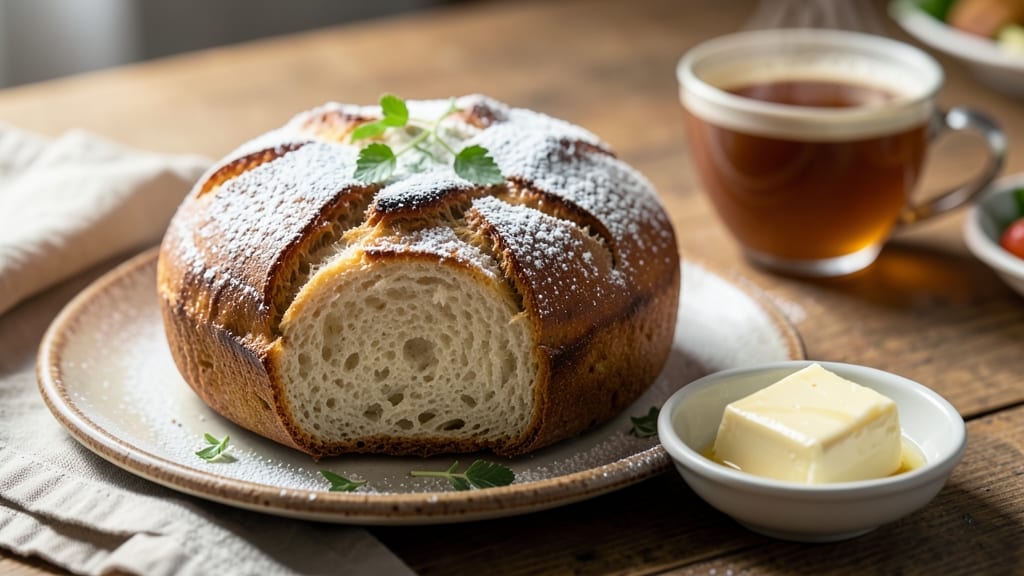
This Azorean sweet bread recipe brings the warm, spiced flavors of the Azores to your kitchen with its signature cinnamon-swirled dough and golden crust. 🌟 The traditional recipe uses a blend of flour and baking powder for a tender yet slightly chewy texture, while cinnamon and citrus zest create that signature island sweetness.
What makes this bread special is its cultural roots—often served with tea or as a dessert in the Azores, it’s a staple that feels like a hug in bread form.
The dough comes together with simple ingredients like flour, butter, sugar, and eggs, but the magic happens in the shaping and baking. Rolling out the dough and creating those classic swirls takes just a few minutes, and the baking time ensures a perfectly crisp crust with a soft, fluffy interior.
The aroma alone will fill your kitchen with nostalgia, making it ideal for breakfast, afternoon tea, or even as a sweet treat with coffee.
What you’ll end up with is a loaf of bread that’s both visually stunning and delicious—golden brown on the outside, with tender layers of cinnamon-spiced dough inside. It’s the kind of bread that pairs beautifully with a cup of tea or even a scoop of vanilla ice cream.
Whether you’re celebrating a special occasion or just craving something comforting, this Azorean sweet bread is sure to impress.
Perfect for sharing with family and friends, this recipe is also flexible enough to adapt with your favorite spices or citrus zest. Let’s get started on creating a piece of Azores-inspired tradition right in your own kitchen!
Ingredients for azorean sweet bread
Simple pantry staples transform into Azorean sweet bread with cinnamon swirls and golden crust.
| Ingredient | Amount | Notes |
|---|---|---|
| All-Purpose Flour 🌾 | 4 cups | Sifted for light texture |
| Unsalted Butter 🧈 | 1 cup | Cold, cubed for flakiness |
| Granulated Sugar 🍚 | ½ cup | White or light brown |
| Large Eggs 🥚 | 2 whole | Room temperature |
| Milk 🥛 | ½ cup | Warm for smooth dough |
| Baking Powder 🧂 | 2 tsp | Diamond Crystal preferred |
| Ground Cinnamon 🌶️ | 1 ½ tbsp | Freshly ground for warmth |
| Lemon Zest 🍋 | 1 tbsp | From organic lemon |
| Salt 🧂 | ½ tsp | Fine sea salt |
| Vanilla Extract 🌿 | 1 tsp | Pure vanilla preferred |
| Orange Zest 🍊 | 1 tbsp | Freshly grated |
| Powdered Sugar 🍚 | ¼ cup | For dusting |
| Turbinado Sugar 🍚 | ¼ cup | For sprinkling on top |
The butter is non-negotiable here—European-style unsalted (like Plugrá) gives that rich, caramelized crust. If you can't find it, Land O'Lakes or Kerrygold work too, but keep it cold when cutting into cubes. The flour? King Arthur or Gold Medal are my go-tos—they hold up better to the citrus zest. For the zest, organic lemons and oranges make all the difference—Trader Joe's has great organic citrus year-round. Pro tip: Use a microplane for zest to avoid bitter pith.
No vanilla extract? Vanilla bean paste works too (use half the amount), or almond extract at one-third the quantity. Swapping brown sugar for white? Add 1 tsp molasses to the dough for depth. The baking powder is key—Diamond Crystal is double-acting, so if you have Aluminum-free baking powder, reduce to 1.5 tsp. For the cinnamon filling, if you want extra spice, add a pinch of nutmeg. The dough can be made a day ahead and chilled—it actually tastes better after resting overnight.
This bread keeps beautifully for 3-4 days in an airtight container at room temperature, but it's best enjoyed fresh. Wrap it in a clean kitchen towel to maintain softness. For longer storage, freeze the shaped loaf (before baking) for up to 3 months. Thaw at room temperature, then bake as directed. The turbinado sugar topping? Add it just before the last 5 minutes of baking for maximum crunch. Leftovers? Toast them for breakfast—game-changer.
Why You'll Love This Recipe
- No-Knead Magic: I swear by this dough—just mix, rest, and bake. The butter and sugar melt into something so tender, you’ll forget you didn’t spend hours kneading. Honestly, my lazy Sunday mornings now include a warm loaf fresh from the oven.
- Buttery-Sweet Bliss: That rich, caramelized crust? Pure reward for a few extra minutes. The eggs add a custardy richness, while the sugar keeps it moist—like a cross between brioche and a cinnamon roll, but better because it’s actually simple.
- Breakfast or Snack Hero: Slice it toasted with jam for a lazy breakfast, or pack it in lunchboxes—it stays soft for days. My kids fight over the leftovers, and I don’t even have to bake two batches.
- Pantry Staple Gold: Uses ingredients you already own (flour, butter, sugar—check), and one loaf lasts my family five days. Between us, it’s my go-to when I’m low on time or cash, and no one’s ever complained.
Step-by-step instructions for Azorean sweet bread
Let's create these fragrant, buttery swirls with a tender crumb and irresistible cinnamon aroma.
👨🍳 Step 1: Mix the Dough Base
In a large mixing bowl, combine the 4 cups all-purpose flour, 2 tsp baking powder, 1.5 tbsp ground cinnamon, 0.5 tsp salt, 1 tbsp lemon zest, and 1 tbsp orange zest. Whisk everything together until evenly distributed—you'll see specks of citrus and cinnamon throughout the flour.
Create a well in the center and add the 1 cup cold cubed unsalted butter. Using a pastry cutter or your fingers, work the butter into the flour until you have pea-sized crumbs with some flour still visible. This cold butter creates those beautiful flaky layers later.
👨🍳 Step 2: Add Wet Ingredients
In a separate bowl, whisk together the 2 whole large eggs, 0.5 cup granulated sugar, 1 tsp vanilla extract, and 0.5 cup warm milk. The warm milk helps dissolve the sugar completely and creates a smoother dough.
Pour the wet mixture into the flour-butter mixture and gently stir with a wooden spoon until just combined. Avoid overmixing—you should still see some flour streaks. The dough will be shaggy at this point, but that's perfect. Cover the bowl with plastic wrap and refrigerate for 30 minutes to let the gluten relax and the butter firm up.
🥘 Step 3: Shape and Roll the Dough
Remove the dough from the refrigerator and turn it out onto a lightly floured surface. Gently knead it just enough to bring it together into a smooth ball—about 5-6 gentle folds—without developing gluten. Divide the dough into 4 equal portions and roll each into a 12-inch circle about ¼-inch thick. Keep the remaining dough covered to prevent drying.
Here's where the magic happens: sprinkle 0.25 cup turbinado sugar evenly over one of the rolled-out dough circles. Starting from one edge, gently roll it up like a jelly roll, keeping the sugar inside. Seal the edge by pinching it together. Repeat with the remaining dough.
🔥 Step 4: Bake to Golden Perfection
Preheat your oven to 375°F. Line two baking sheets with parchment paper and lightly brush them with melted butter. Arrange the rolled dough loaves on the prepared sheets, seam-side down, about 2 inches apart. Brush the tops with any remaining melted butter for extra richness.
Bake for 20-25 minutes until the bread is golden brown and smells heavenly. The internal temperature should reach 190°F when measured with an instant-read thermometer. Watch closely in the last few minutes—you want beautiful color without burning.
⏰ Step 5: Cool and Dust
Remove the bread from the oven and let it cool on the baking sheets for 10 minutes before transferring to a wire rack. This resting period allows the bread to set properly and prevents it from becoming gummy.
Once completely cool, dust generously with 0.25 cup powdered sugar using a fine-mesh sieve. The powdered sugar adds that classic Azorean sweetness and makes each bite extra special. Serve warm with coffee or tea for the ultimate comforting experience.
Pro Tips For Making Azorean Sweet Bread
- Work the Butter Cold: Take that unsalted butter straight from the fridge—no thawing, no softening. Cut it into small cubes and rub them into the flour with your fingertips until you get pea-sized crumbs. I learned this the hard way: room-temperature butter makes the dough greasy and gummy, and your bread will turn out dense instead of light and flaky.
- Whisk Eggs Like a Pro: Beat those large eggs until they’re pale, thick, and ribbon-like—about 3 minutes with a whisk or a handheld mixer. This isn’t just about volume; it’s about incorporating air into the dough, which gives Azorean sweet bread its signature tender crumb. Skip this, and you’ll end up with a sad, compact loaf.
- Skip the Overmixing: Once you add the milk, stop mixing the second the flour is just hydrated. A few lumps are fine—overworking the dough activates the gluten, and that’s the last thing you want in a sweet, tender bread. I used to mix until it was smooth, and my bread turned out tough. Now I let the lumps dissolve naturally.
- Proof at Room Temp: Let the dough rise in a warm spot—think 75–80°F (like on top of the fridge or near a sunny window)—until it’s puffy and nearly doubled, about 1.5–2 hours. Cold dough rises slower and can develop uneven texture, while heat speeds it up without overproofing. I used to rush it in the oven, and the bread collapsed like a sad soufflé. Patience here makes all the difference.
Storing and reheating this dish
Room Temperature Storage
Keep your Azorean sweet bread fresh at room temperature for up to 3 days by storing it in an airtight container or wrapped tightly in a clean kitchen towel. The towel helps maintain softness by preventing the crust from drying out too quickly.
I like using a Cambro food container with a tight lid—it keeps the bread perfectly preserved while allowing for easy slicing when ready to serve. 🌾
Refrigerator Refresh
If you need to store bread longer than 3 days, pop it in the refrigerator for up to 5 days. The cold air slows moisture loss, but the texture may become slightly denser.
To revive it, wrap the chilled bread in a damp paper towel and microwave for 15-20 seconds*. Then dust with extra powdered sugar for that fresh-baked appeal. This works especially well for breakfast toast!
Freezer Prep
For maximum freshness, freeze your shaped (but unbaked) loaves for up to 3 months. Wrap each one individually in plastic wrap, then place in a freezer bag with all the air squeezed out. When ready to bake, thaw overnight in the fridge, then proceed with the baking instructions.
The freezing process actually enhances the bread's flavor by concentrating the spices and sugars. Just add 5 extra minutes to the baking time after thawing.
Reheating Perfection
For that just-out-of-the-oven experience, reheat slices in a 350°F oven for 5-7 minutes on a baking sheet lined with parchment paper. For quick fixes, use the microwave on 50% power for 10-15 seconds per slice, covered with a damp paper towel.
The towel prevents drying while restoring the bread's softness. Pro tip: Sprinkle with a tiny pinch of cinnamon before reheating for extra warmth. 🔥
Crust Revival
If your bread's crust loses its crispness, don't toss it! Place slices in a skillet over medium heat for 1-2 minutes per side until golden brown again. This works wonders for reviving stale bread while adding a delightful toasted flavor.
I often do this with leftover slices to make quick breakfast pastries—just add a smear of butter and a drizzle of honey. 💛
Nutrition facts
Frequently asked questions
What makes Azorean sweet bread different from regular brioche?
Azorean sweet bread stands out with its signature cinnamon-orange swirls and lighter texture thanks to baking powder. While brioche relies on yeast for richness and a denser crumb, this recipe uses a tender dough with citrus zest and turbinado sugar for a delicate, flaky crust. The Azorean version also traditionally includes less butter than brioche, keeping it lighter but still buttery.
Can I substitute regular flour for the all-purpose flour?
Yes, but for best results, use all-purpose flour—it balances the richness of the butter and sugar. If you must use bread flour, reduce it by 1-2 tablespoons to prevent a dense texture. For a more traditional Azorean touch, some recipes call for broa flour (a coarse cornmeal blend), which creates a rustic texture but requires adjusting liquid amounts.
How do I fix if my dough cracks during baking?
Cracking usually happens from overproofing or uneven heat. To prevent it, ensure your dough rests only 30 minutes (not longer) and bake at 375°F with a baking sheet on the lower rack. If it cracks during baking, tent loosely with foil to slow browning. For cracked loaves, brush with melted butter and extra powdered sugar—they’ll still taste delicious!
What’s the best way to serve this bread?
This Azorean sweet bread shines with warm beverages! Pair it with black tea (a Portuguese tradition), hot chocolate, or espresso. For a dessert twist, slice and toast with butter and jam. It’s also perfect with vanilla ice cream or fresh berries. The powdered sugar dusting makes it ideal as a standalone treat or part of a charcuterie board.
Can I make this gluten-free?
Yes, but with adjustments. Replace all-purpose flour with a 1:1 gluten-free baking blend (like Bob’s Red Mill) and add 1 extra egg for structure. Reduce baking powder to 1.5 tsp and expect a slightly denser texture. The cinnamon swirls will still shine, but the crust may be less crisp. Test with a small batch first!