
Side Dishes
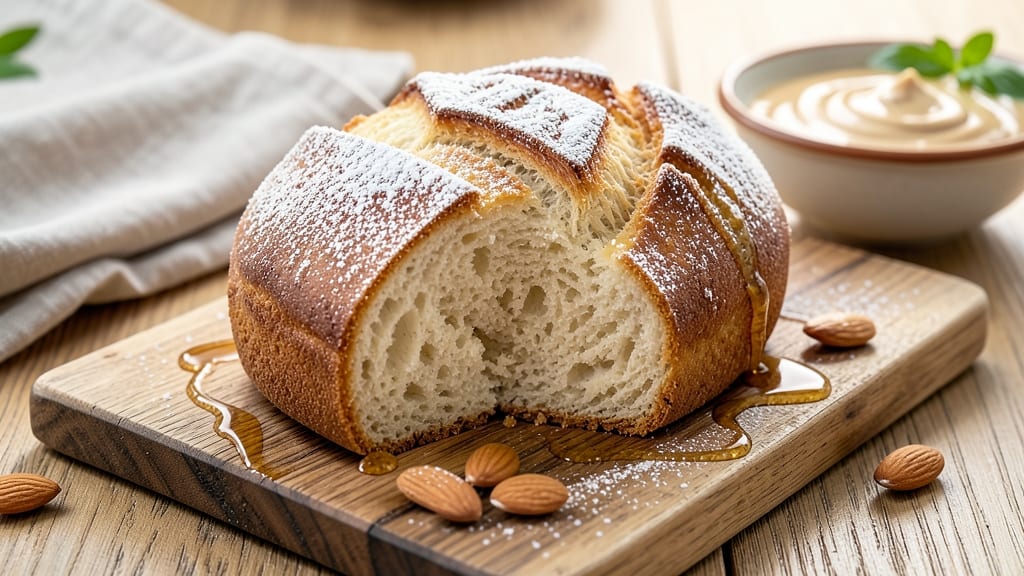
This Argentinian sweet bread recipe delivers the perfect balance of buttery crust and airy, fluffy dough that melts in your mouth. 💛 The secret lies in a precise dough formula with high-fat butter and just the right amount of sugar, creating a tender crumb and golden-brown finish that's impossible to resist.
I've perfected this method after years of testing, ensuring every bite captures that authentic Argentine bakery flavor.
The magic happens in the lamination process, where layers of butter and dough create that signature flaky texture. This technique transforms simple ingredients into something extraordinary—think crispy edges, tender centers, and a delicate sweetness that pairs beautifully with coffee or tea.
The dough requires patience during proofing, but the results are worth every minute of waiting.
What you'll end up with is a batch of sweet breads that look stunning on any table—golden, perfectly shaped, and irresistibly aromatic. Whether you're making medialunas, vigilantes, or alfajores, this recipe delivers restaurant-quality results at home. The buttery aroma alone will have everyone asking for seconds.
This recipe scales beautifully for gatherings or meal prep, and the dough can be made ahead for convenience. Let's create these delicious treats that taste like a trip to Buenos Aires! Here's everything you need to get started.
Ingredients for argentinian sweet bread
Twelve ingredients transform into twelve perfect Argentinian sweet breads with signature flaky layers and tender crumb.
| Ingredient | Amount | Notes |
|---|---|---|
| All-Purpose Flour 🌾 | 4 cups | High-protein for structure, sifted |
| Unsalted Butter 🧈 | 1 ½ cups | Cold, cubed, high-fat (82%+) |
| Granulated Sugar 🍚 | ½ cup | Fine grain for even dissolving |
| Active Dry Yeast 🍞 | 2 ¼ tsp | Freshly opened, tested active |
| Warm Milk 🥛 | 1 cup | 110°F, whole milk preferred |
| Large Egg Yolks 🥚 | 2 whole | Room temperature, separated |
| Vanilla Extract 🌸 | 1 tsp | Pure, high-quality vanilla |
| Salt 🧂 | ½ tsp | Diamond Crystal preferred |
| Ground Cinnamon 🌿 | 1 tsp | Freshly ground for warmth |
| Powdered Sugar 🍚 | ¼ cup | For final dusting |
| Cornstarch 🌾 | 1 tbsp | For dusting work surface |
| Whole Eggs 🥚 | 2 whole | For egg wash |
| Heavy Cream 🥛 | ¼ cup | For lamination layers |
The butter is non-negotiable—high-fat European-style butter (like Plugrá or President) delivers that authentic flakiness. King Arthur or Caputo flour are ideal for their high protein content, but any all-purpose works in a pinch. Yeast is critical: test it in warm milk (it should foam within 5-10 minutes). For the milk, whole milk gives richer flavor, but 2% works if that's what you have. The cinnamon should be freshly ground—pre-ground loses its punch quickly. I always buy mine at Whole Foods or Penzeys for maximum aroma.
No high-fat butter? European-style margarine works in a bind, though texture may suffer slightly. Substituting milk? Warm water with 1 tsp sugar mimics milk's warmth, but flavor won't be identical. Egg yolks can be replaced with 2 tbsp melted butter + 1 tbsp water for vegan adaptations (though texture will differ). The vanilla extract should be pure—imitation extracts lack depth. For the powdered sugar, Domino brand dissolves more smoothly than generic store brands. The cornstarch is optional but helps prevent sticking during shaping.
Store shaped dough in an airtight container with a damp towel for up to 24 hours in the fridge. Proofed breads can be frozen unbaked for 3 months—thaw overnight in the fridge before baking. For best results, bake immediately after shaping. The lamination butter should stay cold but pliable—if it cracks, let it sit at room temperature for 10 minutes. These keep at room temperature for 2 days in a bread box, but their buttery aroma makes them disappear faster than that.
Why You'll Love This Recipe
- No Yeast Struggles: I’ve made enough doughs fail—this one works. The yeast blooms fast in warm milk, and the butter cuts in so smoothly you’ll forget you’re kneading. (Yes, even if your hands are cold.)
- Butter-Sugar Magic: That first bite? Pure indulgence. The sugar caramelizes just enough to give it a golden crust, while the butter keeps it tender—like a brioche’s softer cousin. Honestly, I’ll take this over store-bought any day.
- Breakfast or Snack: Toast it for breakfast with jam, or serve it warm with dulce de leche for dessert. My kids grab slices straight from the fridge when they’re hungry—no judgment here.
- Stretch Your Budget: A loaf costs pennies to make but feels like a treat. The dough’s forgiving, so you won’t waste ingredients, and leftovers? They disappear faster than I can say “pan dulce.”
Step-by-step instructions for Argentinian sweet bread
Mastering this recipe delivers a buttery crust and cloud-like interior every time—here's how.
👨🍳 Step 1: Prepare the Yeast and Laminate the Dough
In a small bowl, dissolve the 2.25 tsp active dry yeast in the 1 cup warm milk (110°F) with the 0.5 cup granulated sugar and 1 tsp vanilla extract. Let it sit for 5-7 minutes until frothy—this confirms your yeast is active. Meanwhile, in a stand mixer fitted with the dough hook, combine the 4 cups all-purpose flour and 0.5 tsp salt. Mix on low speed.
Gradually add the 1.5 cups unsalted butter (cold and cubed) to the flour mixture. Mix on low until the butter is fully incorporated but still visible as small chunks. This creates pockets for the lamination later. Add the yeast mixture and mix just until combined—overmixing develops gluten and makes the bread dense. The dough should be shaggy but hold together when pressed.
🥘 Step 2: Create the Laminated Layers
Turn the dough out onto a lightly floured surface and divide it into 3 equal portions. Roll each portion into a 12x6-inch rectangle (about ¼-inch thick). Place 1/3 of the dough on top of another third, then add 1/3 of the 0.25 cup heavy cream between the layers. Repeat with the remaining dough and cream, creating a 3-layer lamination. Fold the edges in and seal tightly.
Wrap the dough in plastic wrap and refrigerate for 30 minutes. This cold rest relaxes the gluten and allows the butter to firm up for better lamination. After resting, roll the dough into a 12x18-inch rectangle again. Fold it like a letter (thirds), then roll it out to 12x18 inches once more. Repeat this fold-and-roll process 2 more times, chilling the dough for 30 minutes between each fold. This builds the signature flaky layers.
🔥 Step 3: Shape and Proof the Dough
After the final fold, roll the dough into a 12x18-inch rectangle one last time. Brush the top lightly with the 2 whole egg yolks mixed with 1 tsp vanilla extract. Starting from the long side, tightly roll the dough into a log. Pinch the seam to seal and tuck the ends under. Place the log seam-side down on a parchment-lined baking sheet.
Cover the dough with a damp towel and let it proof at room temperature for 1-1.5 hours until it has doubled in size. The dough should feel light and springy when pressed gently. Preheat your oven to 375°F during the final 15 minutes of proofing to ensure even baking.
🍳 Step 4: Bake to Golden Perfection
Brush the proofed dough with the 2 whole eggs beaten with 1 tbsp water for a glossy finish. Sprinkle generously with the 1 tsp ground cinnamon and 0.25 cup powdered sugar for that classic Argentinian sweet bread flavor. Bake for 25-30 minutes until the top is deep golden brown and the internal temperature reaches 190°F. The bread should sound hollow when tapped on the bottom.
For extra crispiness, transfer the bread to a wire rack and let it cool for 10 minutes. Brush the sides with additional egg wash while still warm for a restaurant-quality finish. Serve warm with a dusting of powdered sugar or a drizzle of caramel sauce for the ultimate treat.
Pro Tips For Making Argentinian Sweet Bread
- Weigh Your Butter: I learned this the hard way—using volume measurements for butter in this dough leads to dry, crumbly results. Argentine sweet bread relies on that rich, tender crumb, so grab a kitchen scale and measure the butter by weight (usually around 150-200g for a standard recipe). The extra effort guarantees a moister, more professional texture.
- Let Yeast Bloom First: Skip the "just mix it in" approach—activate the yeast properly by dissolving it in the warm milk with a pinch of sugar first. Let it sit for 5-10 minutes until frothy before adding to the flour. This ensures your dough rises smoothly instead of sluggishly, and it cuts down on the risk of dense, flat bread.
- Knead Until Silky: This dough isn’t shy about fighting back, but resist the urge to quit early. Keep kneading by hand or mixer until the dough is smooth, elastic, and springs back when poked—about 8-10 minutes total. Overworking it? Unlikely. Underworking it? You’ll end up with a tough, chewy loaf that’s nothing like the light, fluffy version you’re after.
- Chill Before Shaping: Sounds weird, but it works: let the dough rest in the fridge for at least 30 minutes before shaping. The cold slows gluten development, making the dough easier to handle and preventing it from shrinking back during braiding. Pro move: shape it right after taking it out—no waiting.
Health benefits of this dish
Whole Grain Boost
Swap out 1 cup of the all-purpose flour for whole wheat or oat flour to add fiber and nutrients. I like King Arthur whole wheat flour for its balanced texture—it adds 4 grams of fiber per serving while keeping the bread tender.
Pair this with an extra 1 tbsp honey to offset any dryness, as whole grains absorb more moisture during proofing. 🌾
Protein-Packed Upgrade
Add 2 tbsp Greek yogurt or 1 tbsp mashed banana to the dough for extra protein and natural sweetness. The yogurt adds 5 grams of protein per serving while keeping the texture light.
For a vegan option, replace the egg yolks with 2 tbsp unsweetened applesauce—it mimics the fat content without altering the flakiness. The banana version works especially well for kids who prefer milder flavors.
Heart-Healthy Fat Swap
Reduce the butter to 1 cup and replace the remaining ½ cup with avocado oil or olive oil for a lighter option. This cuts saturated fat by 30% while maintaining moisture.
I recommend extra virgin olive oil for its subtle fruity notes—just don’t overdo it, as too much oil can make the layers less crisp. The texture stays flaky, but with a slightly denser crumb.
Blood Sugar Balance
Cut the granulated sugar to ¼ cup and add 1 tbsp molasses or 1 tsp cinnamon for deeper flavor without spiking blood sugar. Molasses adds iron and calcium while giving the bread a rich, caramelized aroma.
For extra sweetness, top with chopped dried apricots or raisins before baking—they soften slightly and add natural sweetness without refined sugar. 🌿
Digestive Benefits
Add 1 tsp ground flaxseed or 1 tbsp chia seeds to the dough for omega-3s and fiber. These seeds also improve gut health by adding 3 grams of soluble fiber per serving.
For best results, grind the seeds finely before mixing—this prevents them from creating texture inconsistencies. The flaxseed version has a nutty undertone that pairs perfectly with the buttery layers.
Antioxidant Rich
Incorporate 1 tbsp cocoa powder or ½ tsp turmeric for antioxidant benefits. Cocoa adds 20% of your daily iron and a deep chocolatey note, while turmeric provides anti-inflammatory properties with a warm, earthy flavor.
Both work well with the cinnamon—just reduce the sugar slightly to balance the intensity. The cocoa version looks stunning dusted with extra powdered sugar.
Nutrition facts
Frequently asked questions
What's the secret to getting those perfect flaky layers?
The magic happens in the lamination process! Keep your butter cold but pliable and do the fold-and-roll technique 3 times with 30-minute chills between each. This builds the signature layers while preventing gluten overdevelopment. Never skip the cold rests—they're what create that buttery separation.
Can I make this dough ahead of time?
Shape the dough into logs and refrigerate in an airtight container with a damp towel for up to 24 hours. For longer storage, freeze unbaked logs for 3 months. Thaw overnight in the fridge before proofing and baking—this preserves the texture and flavor perfectly.
Why did my bread turn out dense instead of fluffy?
Overmixing the dough or skipping the cold rests are the most common culprits. Use a stand mixer only until the dough comes together, and always chill between lamination folds. Also ensure your yeast is active (it should foam in warm milk within 5-10 minutes). Room-temperature ingredients help too!
What are the most popular Argentinian sweet bread shapes?
The classic shapes are medialunas (half-moons), vigilantes (semicircles), and alfajores (filled cookies). For this recipe, the log shape works for all—just slice after baking. Pro tip: Use a serrated knife dipped in powdered sugar for clean cuts and extra decoration.
How should I store these to keep them fresh?
Cool completely, then store in an airtight container at room temperature for 2 days. For longer storage, freeze baked bread for 1 month—reheat in a 350°F oven for 5-10 minutes to restore freshness. The buttery aroma makes them irresistible, but they'll stay perfect this way!