
Side Dishes
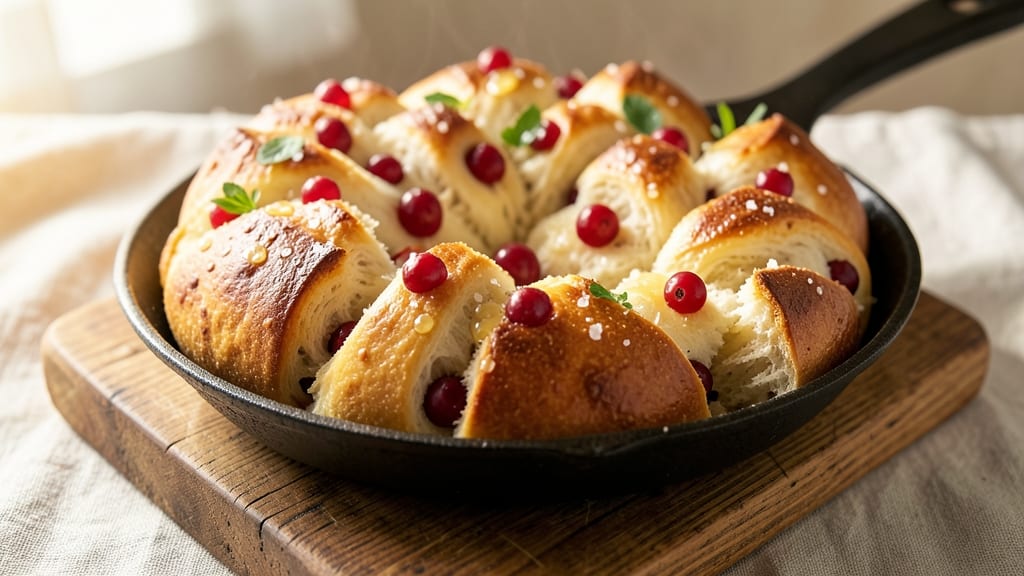
This Babs monkey bread recipe delivers the ultimate pull-apart experience—soft, buttery dough pockets filled with sweet jam and baked to golden perfection. 🔥 The secret lies in the yeast activation and proper proofing, which transform simple ingredients into a showstopping dessert that's perfect for holidays or cozy afternoons.
I've perfected this classic Southern treat over years of baking, ensuring every bite is tender, jammy, and irresistibly crisp at the edges.
The beauty of monkey bread is its simplicity—just a few pantry staples like flour, sugar, yeast, and your favorite jam (traditionally apricot or raspberry). The dough rises twice for that signature fluffy texture, while the jam filling adds bursts of fruity sweetness in every pull-apart bite.
Baking at the right temperature (350°F) ensures a golden crust without drying out the dough, making it foolproof for both beginners and seasoned bakers.
What makes this recipe special is the balance of textures: the dough stays soft and pillowy, while the jam filling remains gooey and flavorful. The result is a dessert that's as impressive as it is delicious—ideal for serving with coffee or tea during gatherings.
Whether you're making it for Thanksgiving, Christmas, or a simple weekend treat, this monkey bread will become a family favorite.
For a modern twist, try gluten-free flour or alternative jams like strawberry or peach. The possibilities are endless, but the core technique remains the same: rich dough, sweet filling, and a pull-apart experience that never disappoints. Let's get baking!
Ingredients for babs monkey bread
Twelve servings of golden, pull-apart perfection—just flour, butter, and jam transform into a showstopping dessert.
| Ingredient | Amount | Notes |
|---|---|---|
| All-Purpose Flour 🌾 | 4 cups | Sifted for light texture |
| Granulated Sugar 🍚 | ½ cup | White or light brown |
| Active Dry Yeast 🍞 | 2 ¼ tsp | Or 1 packet instant yeast |
| Unsalted Butter 🧈 | ½ cup | Cold, cubed for easier mixing |
| Large Eggs 🥚 | 2 whole | Room temperature for best results |
| Warm Milk 🥛 | 1 cup | 110°F (43°C) for yeast activation |
| Salt 🧂 | 1 tsp | Diamond Crystal preferred |
| Ground Cinnamon 🌿 | 1 ½ tsp | Freshly ground for warmth |
| Apricot Jam 🍑 | 1 ½ cups | Seeds removed for smooth filling |
| Vanilla Extract 🍯 | 1 tsp | Pure, high-quality extract |
| Butterflake Pastry Topping 🧈 | ½ cup | For golden crunch topping |
The flour is your foundation—King Arthur or Gold Medal brands are my go-to for that tender crumb. Yeast matters here: Bob's Red Mill active dry yeast works best if you're not using instant, but check the expiration date—old yeast won't activate properly. For the butter, Land O'Lakes unsalted is my standard, but any cold, high-fat butter will do. The milk needs to be warm enough to dissolve the sugar but not so hot it kills the yeast—110°F is perfect. Pro tip: Use a thermometer if you're unsure. The jam can be any fruit preserve, but apricot gives that classic Southern flavor. Smucker's or Bonne Maman are my favorites for consistency.
No butterflake topping? Melted butter mixed with powdered sugar works in a pinch—just brush it on after baking. Running short on vanilla? Vanilla bean paste at half the amount gives you those little specks. The dough will be sticky, but that's normal—don't overwork it. If your kitchen gets cold, place the bowl in a warm spot to help the yeast activate faster. For a gluten-free twist, substitute King Arthur gluten-free flour blend and reduce the leavening by 10%. And if you're making this ahead, shape the dough balls the night before—they'll be ready to bake in the morning.
This dough rises best in a lightly greased bowl covered with a damp towel. Let it proof until it's doubled—about 1 hour—but don't let it overproof or the texture will suffer. Once baked, it's best served warm, but leftovers keep 3 days in an airtight container. For a restaurant-worthy presentation, dust with powdered sugar and serve with vanilla ice cream. The jam filling stays gooey for 2 days in the fridge, but the dough loses its pull-apart magic after that—eat it fresh!
Why You'll Love This Recipe
- No Yeast Fuss: Honestly, I’m not a patient person—waiting for dough to rise feels like forever. But this recipe? You mix the flour, sugar, and butter into a dough, then let it sit for just 30 minutes. No kneading, no waiting hours, just a quick proof that actually works.
- Sweet Butter Magic: That rich, buttery dough wrapped around itself? It’s like biting into a warm, flaky pastry with a whisper of sugar in every bite. The eggs bind it perfectly, so it’s tender but holds its shape—no dry, sad monkey bread here.
- Breakfast or Snack Hero: Here’s what sold me—it’s ridiculously adaptable. Serve it warm with jam for breakfast, cut into squares for a sweet afternoon treat, or even pack slices for lunch. My kids beg for it cold, too (yes, even on a Tuesday night).
- Pantry Staple Power: Between us, this recipe uses things you already have: flour, sugar, butter, yeast—no specialty ingredients. And leftovers? They reheat in seconds. I’ve made it for holidays, potlucks, and lazy Sundays, and it’s always a crowd-pleaser without breaking the bank.
Step-by-step instructions for Babs monkey bread
Here's how to create that iconic pull-apart texture with buttery layers and cinnamon-kissed jam.
👨🍳 Step 1: Activate the Yeast for Perfect Rise
In a small bowl, whisk together the 1 cup warm milk (about 110°F) with the 0.5 cup granulated sugar and 2.25 tsp active dry yeast. Let it sit for 5-10 minutes until frothy—this tells you your yeast is alive and ready to work. If it doesn't bubble, start over with fresh yeast.
While waiting, sift the 4 cups all-purpose flour and 1 tsp salt into a large mixing bowl. This aerates the flour and prevents dense pockets in your final bread. I always sift through a fine-mesh sieve to ensure no lumps remain.
🍳 Step 2: Mix the Dough to Soft Peak
Add the yeast mixture to the dry ingredients along with the 2 whole large eggs and 1 tsp vanilla extract. Using a wooden spoon or dough whisk, mix until just combined—you should still see flour streaks. Then add the 0.5 cup cold cubed butter and mix until the butter is fully incorporated.
Turn the dough onto a lightly floured surface and knead for 5-7 minutes until smooth and elastic. The dough should be soft but not sticky—add a little more flour if needed. Here's the thing: don't overwork it. You're looking for a dough that springs back slowly when poked, not immediately.
🥘 Step 3: Let the Dough Rise Twice
Place the dough in a lightly greased bowl, cover with a damp towel, and let it rise in a warm place for 1-1.5 hours or until doubled in size. I like to use my oven with the light on for consistent warmth. Poke the dough gently—if it springs back slowly, it's ready.
After the first rise, punch down the dough and divide it into 12 equal pieces (about 2 tablespoons each). Roll each piece into a ball and arrange them close together in a greased 9x13-inch baking dish. Cover again and let rise for another 30-45 minutes until puffy.
🔥 Step 4: Assemble and Bake the Jam-Layered Bread
Preheat your oven to 350°F. Spoon 1.5 cups apricot jam evenly over the risen dough balls, then sprinkle with 1.5 tsp ground cinnamon. Gently press the dough balls together so they stick slightly—this creates those signature pull-apart layers.
Bake for 30-35 minutes until the top is golden brown and the bread sounds hollow when tapped. The edges should pull away slightly from the pan, and the jam should be bubbling through the cracks. Don't overbake—you want moist, tender layers.
🍽️ Step 5: Add the Crunchy Topping and Serve
Immediately after removing from the oven, sprinkle the 0.5 cup butterflake pastry topping evenly over the hot bread. The residual heat will make those flakes melt just enough to create a golden, crunchy crust. Let it cool for 5 minutes before serving.
For the best experience, serve warm with a dusting of powdered sugar or a scoop of vanilla ice cream. The contrast between the warm, jammy layers and the cool topping is what makes this recipe legendary. Each pull-apart bite should reveal soft, buttery dough with pockets of gooey apricot jam.
Pro Tips For Making Babs Monkey Bread
- Warm the Butter First: Cold butter in the dough makes for a tough, dense pull-apart loaf. Melt that butter just until it’s soft but not greasy—about 2 minutes in the microwave—and let it cool slightly before mixing. I learned this the hard way after making a batch that felt like eating a hockey puck.
- Proof the Yeast Twice: Skip the second proof, and your dough won’t rise properly. After mixing, let it sit for 10 minutes in a warm spot to activate the yeast fully before shaping the balls. This extra step guarantees fluffy, light layers instead of dense, flat ones—no one wants a sad monkey bread.
- Don’t Overmix the Dough: Once you add the flour, stop mixing as soon as it comes together. Overworking it develops gluten, and your bread will turn out chewy instead of tender. Use a wooden spoon or spatula to fold just until combined—this recipe is forgiving, but don’t go overboard.
- Grease the Pan Like It’s Your Job: This isn’t the prettiest method, but it’s the tastiest. Use a pastry brush to coat the pan with melted butter and sprinkle a thin layer of sugar on the bottom before adding the dough balls. The sugar caramelizes slightly during baking, adding a subtle crunch and extra flavor—trust me, it’s worth the mess.
Essential equipment for great babs monkey bread
Must-Have Mixing Tools
Start with a large mixing bowl (I use 5-quart stainless steel) for the dough—it needs space for the yeast to activate properly. A wooden spoon or dough whisk works best for mixing, as metal can activate the yeast too quickly.
For kneading, a lightly floured surface (I prefer marble or silicone mat) gives you the traction needed without sticking. 🌾
Yeast Activation Essentials
A small measuring cup and instant-read thermometer are critical for activating the yeast. The milk must reach exactly 110°F—too hot and it kills the yeast, too cool and it won’t activate.
I keep a Bob’s Red Mill active dry yeast packet on hand for quick testing. A fine-mesh sieve is also handy for sifting flour to avoid lumps.
Baking Dish & Proofing Gear
Use a 9x13-inch baking dish (I recommend Ceramic or glass) for even heat distribution. For proofing, a damp kitchen towel and lightly greased bowl (I use coconut oil spray) create the ideal environment.
A digital kitchen scale helps divide the dough into 12 equal 2-tablespoon balls—precision ensures consistent baking.
Jam & Topping Application
A small offset spatula spreads jam evenly between dough balls, while a fine-mesh strainer removes seeds if using chunky preserves. For the crunchy topping, a silicone pastry brush distributes melted butter evenly. I keep butterflake pastry topping (like Annie’s) in my pantry for that signature crunch.
Oven & Cooling Tools
A reliable oven thermometer ensures your oven hits 350°F accurately—many ovens run hot or cold. After baking, I use a cooling rack to prevent soggy bottoms. A fine-mesh sieve dusts powdered sugar evenly, and a serving spatula makes pull-apart sharing effortless. 🍽️
Nutrition facts
Frequently asked questions
Can I substitute apricot jam with another flavor?
While apricot jam is traditional, you can use any fruit preserve that complements the buttery dough. Raspberry, strawberry, or peach jams work beautifully, while citrus marmalades add a tangy twist. Just ensure the jam isn't too runny—thicker preserves create better pull-apart pockets. For a modern touch, try spiced apple butter or even a drizzle of honey mixed with cinnamon.
Why did my monkey bread turn out dense instead of fluffy?
Dense monkey bread usually means one of three things: underproofed dough, overworked gluten, or incorrect yeast activation. First, check if your yeast bubbled properly in the warm milk—if not, it was dead. Second, knead only until smooth (about 5-7 minutes), not until tough. Finally, let the dough rise in a warm spot until it's just doubled, not until it collapses. Patience is key—rushing the proofing is the #1 mistake!
How far ahead can I make monkey bread?
You can prep the dough balls up to 24 hours ahead and refrigerate them covered in plastic wrap. The next morning, let them rise at room temperature (about 1 hour) before baking as directed. For the jam filling, add it right before baking—if pre-filled, the dough absorbs too much moisture and becomes gummy. The butterflake topping should always go on fresh from the oven for maximum crunch.
Can I make this recipe gluten-free?
Yes! Use a 1:1 gluten-free flour blend like King Arthur's GF Measure for Measure, but reduce the leavening by 10% (about 0.25 tsp less yeast). The texture will be slightly denser, so add 1 extra tablespoon of xanthan gum if your blend doesn't contain it. Also, let the dough rise 30% longer (about 1.5 hours total) since gluten-free dough rises slower. The jam filling and baking process remain the same.
What's the best way to reheat leftover monkey bread?
For that fresh-baked texture, wrap slices in foil and heat at 350°F for 8-10 minutes until warm through. To revive the pull-apart quality, sprinkle with a little water before reheating—the steam helps soften the dried edges. Avoid microwaving, as it makes the dough rubbery. Store leftovers in an airtight container for up to 3 days, or freeze for 2 months (thaw overnight in the fridge).