
Side Dishes
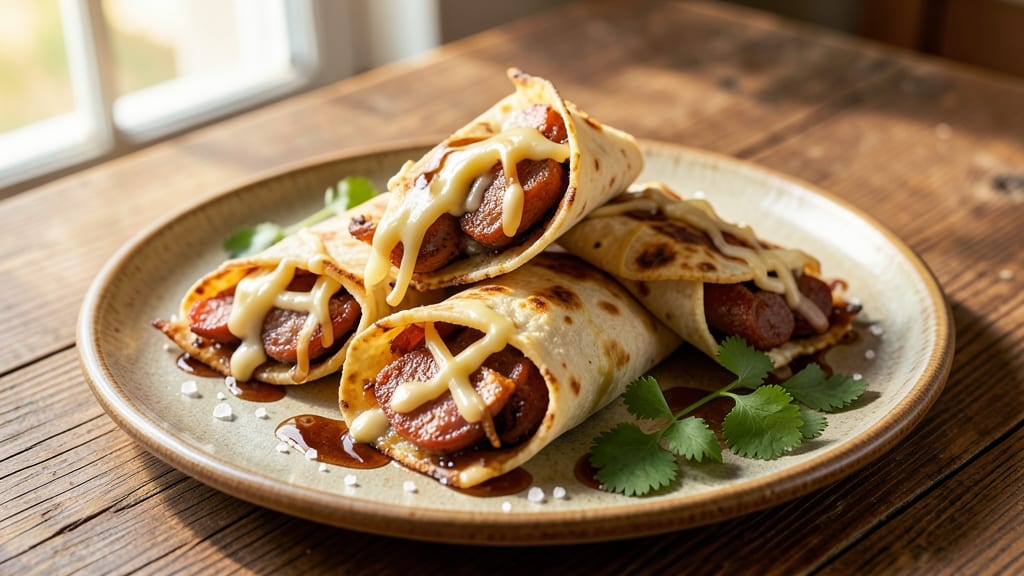
This baco bread recipe delivers the perfect balance of crispy, savory, and cheesy layers that make every bite irresistible. 🔥 The secret lies in frying longganisa until golden, toasting bread slices to crisp perfection, and creating a rich, savory-sweet gravy that ties everything together.
I've perfected this Filipino classic to ensure each component—crispy sausage, toasted bread, and melty cheese—works in harmony for a dish that's both comforting and impressive.
The magic happens in the layers: crispy fried sausage layered between toasted bread slices, all drenched in a tangy-sweet gravy made from soy sauce, vinegar, sugar, and a touch of tomato sauce. This recipe delivers crispy edges on every bite while keeping the interior tender and flavorful.
The gravy, with its perfect balance of sweet and savory, is the star that brings all the elements together.
What sets this recipe apart is the technique—frying the sausage in small batches to maintain crispiness and toasting the bread just until golden but still flexible. The result is a dish that's crispy on the outside, tender on the inside, and packed with layers of flavor.
It's the kind of recipe that feels like a hug in food form, perfect for family gatherings or a cozy night in.
Once you master this recipe, you'll find endless ways to customize it—add a fried egg on top for extra richness or sprinkle extra cheese for a gooey finish.
The possibilities are endless, but the foundation remains the same: crispy, savory, and utterly satisfying. Let's get started on creating this Filipino comfort classic!
Ingredients for baco bread
These crispy, cheesy, and savory ingredients create the ultimate Filipino comfort dish!
| Ingredient | Amount | Notes |
|---|---|---|
| Longganisa (Filipino Sweet Sausage) 🥓 | 1 ½ lb | Filipino-style, sliced into rounds |
| Tortilla Wraps 🌯 | 8 whole | Medium-sized, flour tortillas |
| Shredded Mozzarella Cheese 🧀 | 2 cups | Low-moisture, freshly shredded |
| Soy Sauce 🍶 | ½ cup | Regular or golden soy sauce |
| White Vinegar 🍶 | ¼ cup | White or apple cider vinegar |
| Granulated Sugar 🍚 | ¼ cup | White or brown sugar |
| Tomato Sauce 🍅 | ¼ cup | Canned or homemade |
| Vegetable Oil 🫒 | 2 cups | For frying, neutral flavor |
| Salt 🧂 | 1 tsp | Kosher or sea salt |
| Black Pepper 🌶️ | ½ tsp | Freshly ground preferred |
| Garlic Cloves 🧄 | 2 cloves | Minced for gravy |
| Butter 🧈 | 2 tbsp | Unsalted, for toasting bread |
| Water 💧 | ½ cup | For gravy consistency |
The longganisa is non-negotiable here—Filipino-style sweet sausage gives that signature flavor. Look for it at Asian grocery stores or online if your local market doesn’t carry it. Pre-sliced rounds save time, but if you’re cutting your own, keep the slices about 1/4-inch thick for even cooking. The tortillas should be medium-sized (about 10 inches) so they’re sturdy enough to hold the layers. Mission brand or any flour tortilla works, but avoid pre-shredded cheese—the clumps ruin the texture. Freshly shred your own mozzarella for that perfect melt.
No longganisa? Substitute with Italian sausage (remove casings) or even leftover ham, but the flavor won’t be the same. Running low on soy sauce? Oyster sauce or Worcestershire sauce adds depth, but soy’s tang is key. The gravy’s balance of sweet, salty, and tangy is everything—adjust sugar to taste if you prefer it sweeter. For extra richness, stir in 1 tbsp of mayo at the end. If your tortillas are too soft, toast them in a dry skillet for 10 seconds per side before layering.
This dish reheats beautifully—350°F for 10 minutes revives the crispiness. Store leftovers in the fridge for 3-4 days, but the cheese gets stringy after day 2. For make-ahead prep, fry the sausage and toast the bread in advance, then assemble and bake at 350°F for 10 minutes to melt the cheese. Freeze the assembled layers (without gravy) for up to 2 months—just bake straight from frozen. The gravy can be made a day ahead and reheated gently.
Why You'll Love This Recipe
- No-Fuss Assembly: I swear by this recipe—just slice the longganisa, tear the tortillas, and layer the cheese. No measuring cups, no fancy techniques, just stack and bake. Even my toddler could help (and she did, messily).
- Sweet-Savory Magic: That caramelized longganisa with the tangy soy-vinegar glaze? It’s like a cheat code for flavor. The mozzarella melts into gooey pockets, and the crispy edges? Absolute perfection.
- Lunchbox Hero: Between us, this is my go-to for packed lunches. Wrap it in foil, pop it in a container, and reheat—no soggy tortillas here. My kids take theirs to school, and I still get requests for seconds.
- Budget Win: I buy longganisa in bulk, tortillas last forever, and cheese stretches for days. For under $10, I feed four people with leftovers that taste just as good cold as they do hot. (Yes, even on a Tuesday night.)
Step-by-step instructions for crispy tortilla layers with savory cheese rivers
Here's how to create that perfect crispy, cheesy baco bread with layers that'll make your kitchen smell amazing!
🔥 Step 1: Fry the Longganisa Until Golden Brown
Heat 2 cups of vegetable oil in a deep skillet over medium heat until it reaches 350°F. This is crucial—too hot and the longganisa will burn; too cool and it'll absorb oil. Test with a small piece of longganisa: it should sizzle immediately and turn golden in 1-2 minutes.
Add the 1.5 lb of sliced longganisa in batches to avoid overcrowding. Fry for 2-3 minutes per side until golden brown and cooked through. You'll know it's ready when the slices release easily from the oil. Transfer to paper towels to drain excess oil, but don't press them—they'll stay crispy. Keep warm in a 200°F oven while you prepare the rest.
👨🍳 Step 2: Make the Sweet-Savory Gravy
In a saucepan, combine 0.5 cup soy sauce, 0.25 cup white vinegar, 0.25 cup granulated sugar, 0.25 cup tomato sauce, and 0.5 cup water. Bring to a gentle boil over medium heat, then reduce to a simmer for 5-7 minutes until the mixture thickens slightly and the sugar dissolves completely.
Stir in the 2 cloves minced garlic and cook for another 1 minute until fragrant. Taste and adjust seasoning with 1 tsp salt and 0.5 tsp black pepper. This gravy should be tangy, slightly sweet, and just thick enough to coat the back of a spoon. Set aside to cool slightly while you prepare the tortillas.
🍳 Step 3: Assemble the Baco Bread Layers
In a large bowl, combine the 2 cups shredded mozzarella cheese with the cooled gravy, mixing until the cheese is evenly coated. This ensures every layer gets that rich, savory flavor. Keep the mixture at room temperature for easier spreading.
Take one tortilla wrap and spread about ¼ cup of the cheese mixture evenly over the surface, leaving a ½-inch border around the edges. Add 2-3 slices of fried longganisa on top, then drizzle a little extra gravy for that signature baco bread flavor. Repeat with remaining tortillas, creating a stack of 4 layers total.
🔥 Step 4: Fry the Baco Bread Until Crispy Golden
Heat 1 cup vegetable oil in a deep skillet over medium heat until it reaches 350°F. Carefully place the assembled baco bread stack in the hot oil. Fry for 3-4 minutes per side until golden brown and crispy. You'll see bubbles forming and the cheese starting to melt—this is what makes it irresistible!
Use tongs to flip carefully, pressing down gently to maintain the shape. The oil should sizzle vigorously—this ensures that perfect crispy texture. Once golden and crispy on both sides, transfer to a paper towel-lined plate to drain excess oil for 2 minutes before slicing.
🍽️ Step 5: Toast with Butter and Serve Warm
While still warm, cut the baco bread into 4 equal wedges. In a small pan, melt the 2 tbsp butter over low heat until foamy. Brush this golden butter over each wedge, letting it soak in for 30 seconds to add extra richness.
Serve immediately with a side of the remaining gravy for dipping. The contrast of crispy, buttery layers with gooey melted cheese and savory longganisa makes every bite unforgettable. Enjoy while warm—this dish tastes best straight from the fryer!
Pro Tips For Making Baco Bread
- Slice Longganisa Thin: Cut the longganisa into ¼-inch strips—thinner than you’d think. Thick slices burn before they crisp, and you end up with chewy, uneven texture. I used to eyeball it, but now I measure against the edge of a butter knife for consistency.
- Preheat Pan Properly: Get your pan screaming hot before adding the longganisa—no half-measures. A cold pan = soggy sausage and greasy tortillas. I learned this after my first batch tasted like a greasy frying pan instead of crispy, savory baco bread.
- Don’t Overlap Tortillas: Space the tortillas at least ½ inch apart when toasting—crowding steams them instead of crisping. If you’re short on pan space, toast in batches. I’ve ruined a whole batch by stacking them like pancakes, and it’s a sad, gummy mess.
- Mix Soy-Vinegar Early: Whisk the soy sauce and white vinegar together before assembling the baco bread. The vinegar cuts through the sweetness of the longganisa, and the sauce clings better to the cheese if it’s emulsified. I used to drizzle it on top last-minute, and it just pooled instead of soaking in.
Regional styles of this baco bread
Filipino Classic
In the Philippines, baco bread originated as a simple street food—crispy longganisa sandwiched between toasted bread and smothered in tangy gravy. The dish became a staple in carinderias (Filipino eateries) and is now a beloved comfort food nationwide.
I remember my first taste at a bustling Manila market stall where the sizzle of frying longganisa filled the air. 🌶️
The original version uses Filipino sweet sausage (longganisa) and a simple gravy made with soy sauce, vinegar, and sugar. Many regional variations exist, but the core elements—crispy sausage, toasted bread, and savory-sweet gravy—remain consistent. The dish is often served with a fried egg on top for extra richness.
Pampanga Style
Pampanga, known as the culinary capital of the Philippines, has its own take on baco bread. Their version features a thicker gravy with a touch of calamansi juice (Filipino lime) for brightness.
The longganisa is often marinated in garlic and black pepper before frying, adding an extra layer of flavor. I love how the tangy citrus cuts through the richness of the cheese.
In Pampanga, it's common to serve baco bread with a side of sinigang (sour tamarind soup) to balance the dish's richness. The contrast of flavors makes it a complete meal. For an authentic touch, use Pampanga-style longganisa if available—it's slightly sweeter and more aromatic.
Modern Twists
Today's versions often include creative additions like cheddar cheese for extra meltiness or crispy bacon mixed into the longganisa. Some chefs even use puff pastry instead of tortillas for a flakier texture. I've experimented with adding caramelized onions to the gravy for depth, which works beautifully with the sweet-savory balance.
For a fusion twist, try using Italian sausage instead of longganisa and adding a sprinkle of parmesan cheese on top. The dish becomes even more versatile while keeping its comforting essence. The key is maintaining that perfect crispy-cheesy contrast that makes baco bread so addictive.
Regional Variations
In Cebu, they often use Vigan longganisa (a smoky, garlicky sausage) and a slightly thicker gravy. The bread is sometimes toasted with butter and garlic before assembly. This version has a more robust flavor profile that stands up to Cebu's bold culinary traditions.
Meanwhile, in Manila, baco bread is frequently served as part of a lunch special with a side of garlic rice and a simple ensalada (Filipino salad). The dish is often made in larger batches to feed crowds, showcasing its communal appeal.
The Manila style tends to be slightly sweeter in the gravy to complement the city's love for balanced flavors.
Nutrition facts
Frequently asked questions
Can I use regular sausage instead of longganisa?
Yes, but the flavor won't be exactly the same. Italian sausage works best as a substitute—just remove the casings and slice it into rounds. For authenticity, look for Filipino-style sweet sausage at Asian markets. The key is to keep the slices about 1/4-inch thick for even cooking and crispiness.
How do I make the gravy less sweet?
Reduce the sugar to 2 tablespoons instead of 1/4 cup and add 1 extra tablespoon of vinegar to balance the flavors. For a tangier profile, stir in 1 teaspoon of tomato paste at the end. Taste as you go—simmering longer will also concentrate the flavors without needing more sugar.
Can I bake baco bread instead of frying?
Assemble the layers as directed, then brush with a little oil and bake at 375°F for 15-20 minutes until golden and bubbly. For extra crispiness, broil for 2-3 minutes at the end. The texture will be less crispy than fried, but it's a healthier alternative that still delivers on flavor.
Why did my cheese get stringy?
Stringy cheese usually means it was overcooked or reheated too much. To prevent this, keep the assembled baco bread warm in a 200°F oven while frying, not on the stovetop. For leftovers, reheat in a 350°F oven for 10 minutes—never microwave, as it makes cheese rubbery.
What's the best way to store baco bread?
Store in an airtight container in the fridge for 3-4 days, but the cheese loses its meltiness after day 2. For longer storage, freeze the assembled layers (without gravy) for up to 2 months. To reheat, bake at 350°F for 10-12 minutes until crispy again. The gravy can be made fresh when reheating.