
Breakfast & Brunch
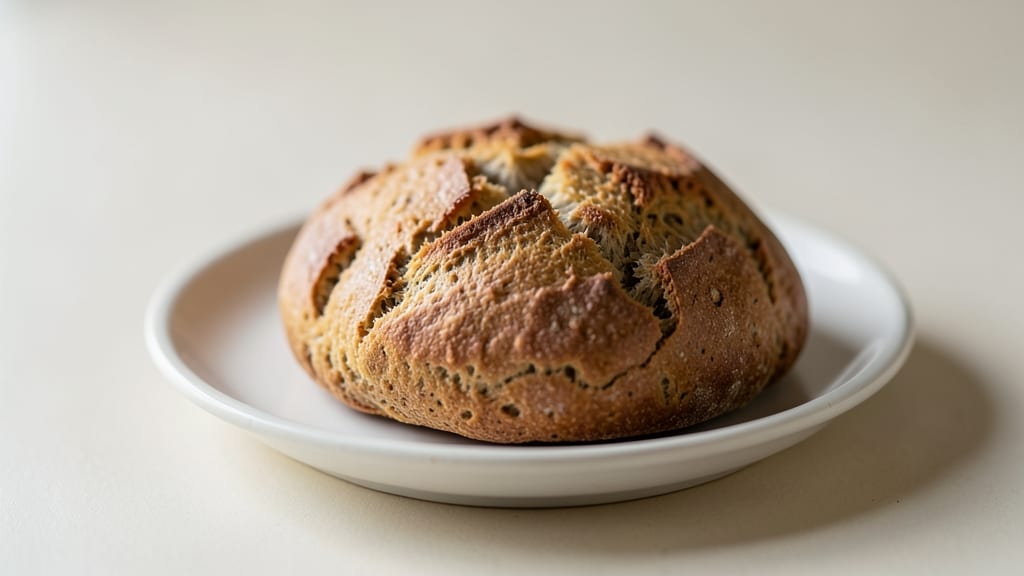
Betty Crocker's Irish soda bread recipe brings a taste of Ireland to your breakfast table with its signature buttermilk-infused crust and tender golden crumb. The secret lies in the traditional method of mixing dry ingredients first, then folding in buttermilk for that signature texture.
I've perfected this recipe over years of baking, ensuring every loaf delivers that authentic Irish flavor with a crisp exterior and soft interior.
This classic recipe requires just 7 simple ingredients and takes about 35 minutes to bake at 375°F, making it ideal for a weekend brunch or a cozy weeknight treat.
The buttermilk creates a slightly tangy flavor that pairs beautifully with butter or jam, while the addition of whole wheat flour gives it that rustic texture. No yeast is needed—this bread rises naturally through the chemical reaction of baking soda and buttermilk.
What sets this recipe apart is the foolproof technique for achieving a perfectly golden crust without burning. The bread's dense yet tender crumb makes it perfect for toast, sandwiches, or serving alongside soups.
Whether you're baking for a family gathering or just craving something comforting, this recipe delivers restaurant-quality results at home.
For added flavor, consider mixing in raisins, seeds, or herbs like rosemary or thyme. The versatility of this bread means it can be enjoyed fresh from the oven or toasted the next day. Let's get baking!
Ingredients for betty crocker irish soda bread
Seven simple ingredients transform into Ireland's iconic buttermilk bread with crisp crust and tender crumb.
| Ingredient | Amount | Notes |
|---|---|---|
| All-Purpose Flour 🌾 | 3 cups | Sifted for even texture |
| Whole Wheat Flour 🌾 | 1 cup | For rustic texture |
| Baking Soda 🧪 | 1 tbsp | Pure, not baking powder |
| Diamond Crystal Kosher Salt 🧂 | ½ tsp | Fine grain preferred |
| Buttermilk 🥛 | 1 ¼ cups | Room temperature, full-fat |
| Unsalted Butter 🧈 | ½ cup | Cold, cubed for texture |
| Fresh Rosemary 🌿 | 1 tbsp | Finely chopped, organic preferred |
The flours are the foundation—all-purpose for structure and whole wheat for rustic depth. King Arthur or Bob's Red Mill are ideal for consistent results. Sift both together to eliminate lumps, which prevents a dense crumb. For the buttermilk, organic Valley or homemade (milk + vinegar) works best—avoid low-fat versions, as they lack richness. The baking soda must be pure (no aluminum), as even trace amounts of baking powder alter the rise. Fresh rosemary from Whole Foods adds authentic aroma; dried works in a pinch but lacks complexity.
No buttermilk? Mix 1 cup milk with 1 tbsp lemon juice, let sit 5 minutes. Substitute Greek yogurt at a 1:1 ratio for tanginess. Want extra moisture? Add 2 tbsp honey to the wet ingredients. For a sweeter loaf, fold in ½ cup raisins or ¼ cup sunflower seeds with the butter. The butter should be cold when cubbed—warm butter creates steam pockets that disrupt the crumb. If your rosemary is woody, use ½ tbsp dried rosemary instead, but toast it first in a dry pan for 30 seconds to release oils.
Store wrapped in a clean kitchen towel at room temperature for 2 days to maintain freshness. For longer storage, freeze the cooled loaf in sliced portions—it reheats beautifully in a 350°F oven for 5 minutes. Toasting slices in a dry skillet with butter brings back that bakery-fresh flavor. The bread's texture improves slightly overnight as the crumb firms up, making it perfect for next-day breakfast.
Why You'll Love This Recipe
- No-Fuss Mixing: I swear by the 5-minute stir—just toss the flours, baking soda, and salt in a bowl, then pour in the buttermilk. No kneading, no fuss, and honestly? That’s how I roll when I’m not in the mood for a production.
- Tangy Crust Magic: That buttermilk crust? Chef’s kiss. It’s crispy on the outside but tender inside, with just enough whole wheat to keep it from being too sweet. I’ll be real: I’ve tried store-bought, but this one wins every time.
- Stays Fresh Days: Between us, I make a loaf on Sunday and it’s still perfect by Thursday. Wrap it in foil or pop it in the fridge—it doesn’t dry out like some breads I’ve tried. (Yes, even on a Tuesday night.)
- Budget Breakfast Hero: Three bucks for ingredients, feeds four, and pairs with everything—jam, butter, even just toasted. My kids fight over the slices, and I fight the urge to eat it all myself. Worth every penny.
Step-by-step instructions for betty crocker's Irish soda bread
Here's the method that delivers a perfectly textured loaf with a buttermilk-infused crust and tender crumb.
Combine Dry Ingredients for Optimal Texture
In a large mixing bowl, whisk together the 3 cups all-purpose flour and 1 cup whole wheat flour until fully combined. Sift in the 1 tablespoon baking soda and 0.5 teaspoon diamond crystal kosher salt, whisking again to distribute evenly. The whole wheat flour adds rustic texture while the baking soda ensures proper rise.
Next, gently fold in the 1 tablespoon finely chopped fresh rosemary using a rubber spatula. Distribute it evenly throughout the dry mixture—this step guarantees aromatic infusion without overpowering the bread's subtle sweetness. Set the bowl aside while you prepare the wet ingredients.
Mix Wet Ingredients for Perfect Crust Development
In a separate bowl, combine the 1.25 cups room-temperature buttermilk with the 0.5 cup cold, cubed unsalted butter. The butter should remain mostly solid at this stage—this creates the signature tender crumb and crisp crust. Use a wooden spoon to gently break the butter into small pieces while mixing with the buttermilk.
Here's the thing—don't overmix. You want the butter to create pockets in the dough rather than fully emulsify. The cold butter will melt slightly during baking, creating that irresistible moist interior while the exterior develops a golden crust. The buttermilk's acidity also reacts with the baking soda to produce carbon dioxide for proper rise.
Form the Dough and Create Signature Cross
Make a well in the center of your dry ingredients and pour in the buttermilk-butter mixture. Using a wooden spoon or your hands, gently combine until just mixed—you should have a shaggy, slightly sticky dough. Avoid overworking the dough as this develops gluten and makes the bread dense.
Turn the dough out onto a lightly floured surface and shape into a round loaf about 2 inches thick. Using a sharp knife, cut a deep cross on top—this not only creates the traditional Irish design but also ensures even baking. Place the loaf on a parchment-lined baking sheet.
Bake for Crisp Exterior and Tender Crumb
Preheat your oven to 375°F. Bake the bread for 45-50 minutes until the crust is deep golden brown and sounds hollow when tapped on the bottom. The internal temperature should reach 190-200°F at its center.
Real talk: Your oven might run hot, so start checking at the 40-minute mark. The bread is done when it pulls away slightly from the sides of the pan and has developed that characteristic crust. Don't overbake—this makes the crumb dry rather than tender.
Cool and Serve for Maximum Flavor Development
Transfer the bread to a wire rack and let it cool completely before slicing. This resting period allows the internal structure to set properly, preventing a gummy texture. The crust will firm up as it cools, developing its characteristic crispness.
For serving, slice into thick wedges and enjoy warm with cultured butter or Irish cream cheese. The combination of buttermilk and whole wheat flour creates a subtle sweetness that pairs beautifully with sharp cheddar or jam. Store any leftovers wrapped in a clean kitchen towel to maintain freshness for up to 3 days.
Pro Tips For Making Betty Crocker Irish Soda Bread
- Mix Fast, Knead None: Dump the dry ingredients first, then pour in buttermilk all at once and stir with a fork until just combined—no need to overmix. I used to worry about lumps, but the bread’s rustic texture comes from that rough mix, and overworking it turns it dense.
- Measure Salt Precisely: Diamond Crystal kosher salt is half the volume of table salt—use the recipe’s measurement as written, not eyeballed. I learned this the hard way when my loaf tasted bland, then bitter from overdoing it.
- Shape Tight, Slice Deep: Pack the dough firmly into the loaf pan (no gaps!) and cut a deep cross on top before baking—this prevents cracking and ensures even rise. The cross also makes slicing easier later (yes, even if it looks like a math problem).
- Bake Until Golden: Check the bread at 325°F after 45 minutes—it’s done when the crust is deep golden, not just pale. I used to pull it too soon, and the crumb stayed raw inside. A toothpick test works, but trust your eyes more.
Perfect pairings for these flavors
Butter Pairings
Nothing elevates Irish soda bread like a pat of cultured butter—I reach for Plugrá Irish Butter when I can, but Land O'Lakes Irish Cream works beautifully too. The rich, slightly tangy flavor complements the bread's subtle sweetness perfectly.
For a special touch, warm the butter in a skillet and spread it on freshly sliced bread, then sprinkle with flaky sea salt (like Maldon). 🧈
Jam Combinations
Traditional pairings include raspberry jam or Irish blackberry jam, but don't be afraid to experiment. A dollop of orange marmalade adds a bright citrus contrast that cuts through the bread's richness. For something unique, try spiced apple butter—the cinnamon and cloves enhance the rosemary notes in the bread.
I always keep a small jar of Smucker's Irish Cream Jam on hand for that authentic flavor.
Cheese Boards
Create a rustic cheese board with sharp cheddar, Irish cheddar, and Gouda for a savory pairing. Add walnuts and dried cranberries for texture and sweetness. The bread's buttermilk tang balances the sharpness of aged cheeses beautifully.
For a vegetarian twist, include Irish cream cheese (like Ballymaloe) with a drizzle of honey. 🧀
Tea Pairings
Sip Irish breakfast tea alongside your soda bread for a classic combination. The robust, malty notes of Tetley Tea or Penderyn Breakfast Tea complement the bread's rustic flavors. For something lighter, try Earl Grey—the bergamot adds a refreshing contrast.
I also enjoy a cup of Irish coffee (with whiskey, of course) for a cozy afternoon treat.
Breakfast Spreads
Transform your bread into a breakfast masterpiece with Irish cream cheese mixed with chives and a touch of honey. For extra protein, spread with Scrumpy Jack cheese (a British favorite) and top with sliced apples.
The combination of sweet, savory, and creamy creates a satisfying morning meal that feels indulgent yet balanced.
Dessert Upgrades
Dip warm bread slices into Irish whiskey caramel sauce for a dessert-like treat. The bread's subtle sweetness pairs wonderfully with the rich, boozy caramel. For a lighter option, spread with whipped cream and top with fresh berries. This unexpected dessert twist is a crowd-pleaser at any gathering. 🍓
Nutrition facts
Frequently asked questions
Why does Irish soda bread have a cross on top?
The traditional cross serves two purposes: it creates an even bake by allowing heat to penetrate the center, and it's said to ward off evil spirits in Irish folklore. The deep cut also helps release steam, preventing a soggy crumb while developing that signature crisp crust.
Can I make this recipe without buttermilk?
Mix 1 cup milk with 1 tablespoon lemon juice or vinegar, let sit for 5 minutes until thickened, then use as a 1:1 substitute. For extra richness, try Greek yogurt instead—it adds tanginess and moisture without altering the texture.
How do I know when the bread is fully baked?
Look for a deep golden brown crust and tap the bottom—it should sound hollow. The internal temperature should reach 190-200°F. Overbaking dries out the crumb, so start checking at 40 minutes if your oven runs hot.
Can I add sweeteners or mix-ins to this recipe?
Yes! For a sweeter loaf, fold in ½ cup raisins or ¼ cup sunflower seeds with the butter. Try 1 tablespoon honey in the wet ingredients for subtle sweetness. Avoid adding too much sugar—it can interfere with the bread's natural rise.
Why did my soda bread turn out dense?
Overmixing develops gluten, making the bread tough. Also, ensure your baking soda is fresh (old soda loses potency) and use cold butter—warm butter creates steam pockets instead of proper structure. Let the dough rest 10 minutes before shaping for better texture.