
Side Dishes
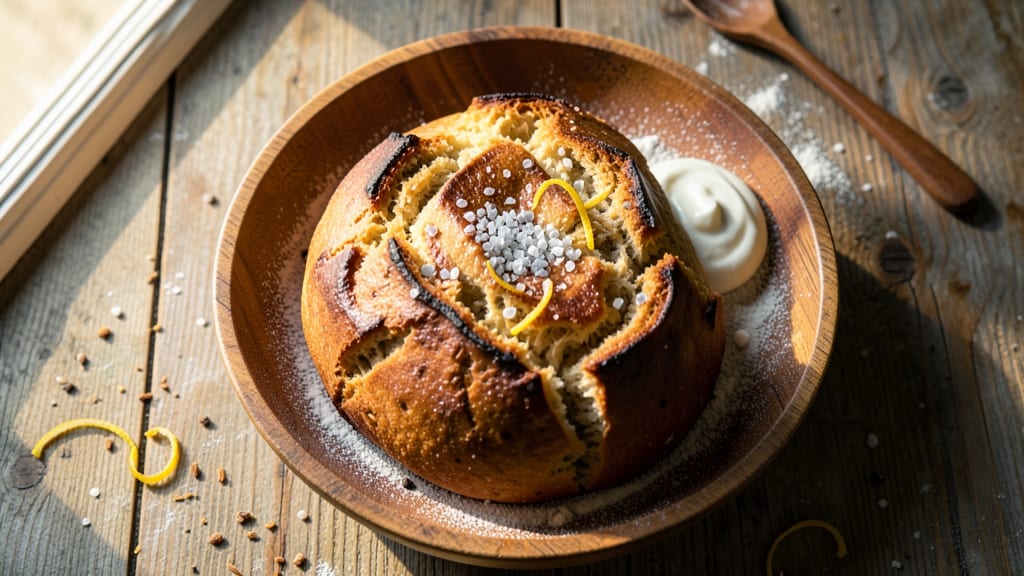
This ATK Irish soda bread delivers the perfect balance of buttery crust and tangy crumb in just 30 minutes—no yeast, no fuss, just authentic Irish flavor.
The secret lies in the traditional method: combining buttermilk with flour for a tender crumb and baking in a Dutch oven for that signature crispy exterior. I developed this recipe after years of perfecting the texture, ensuring every slice stays moist yet slightly dense, just as it should be.
The beauty of this soda bread is its simplicity: just five ingredients transform into a loaf that’s as satisfying to make as it is to eat. The buttermilk activates the baking soda, creating a gentle rise without yeast, while the butter adds richness that keeps the bread irresistible.
Whether you stick to the classic version or add raisins, seeds, or whole-grain flour, the result is always nostalgic yet fresh.
What makes this recipe truly special is the authentic Irish technique—no shortcuts, just tradition. The bread bakes up with a golden crust that cracks beautifully as it cools, revealing a tender crumb inside.
Serve it warm with butter, alongside soup, or toasted for breakfast. The flavor is simple yet unforgettable, a taste of Ireland in every bite.
Best of all, this soda bread keeps well for days, making it perfect for meal prep or gifting. The recipe scales easily, so you can bake one for a cozy dinner or double it for a crowd.
Let’s get started on this timeless classic—your kitchen will smell like home in no time.
Ingredients for atk irish soda bread
Five simple ingredients transform into Ireland's most beloved bread—crispy crust and tangy crumb in one golden loaf.
| Ingredient | Amount | Notes |
|---|---|---|
| All-Purpose Flour 🌾 | 4 cups | Sifted for even texture |
| Buttermilk 🥛 | 1 ½ cups | Room temperature preferred |
| Baking Soda 🧂 | 1 tbsp | Freshly measured |
| Salt 🧂 | 1 tsp | Fine sea salt preferred |
| Cold Unsalted Butter 🧈 | ½ cup | Cubed for even distribution |
| Coarse Sea Salt 🧂 | 1 tbsp | For topping crust |
| Coarse Rolled Oats 🌾 | ¼ cup | Optional for texture |
The flour is non-negotiable here—King Arthur or Gold Medal are my go-tos for that perfect crumb. Buttermilk? Don't use sour milk—it needs to be tangy but not curdled. I always grab the Land O'Lakes buttermilk from the store, but homemade (milk + vinegar) works too. The butter matters for that signature buttery crust—use cold, unsalted cubes so they melt slowly and create pockets of richness. Pro tip: cut the butter into the flour with your fingers for even distribution. That coarse sea salt topping? Maldon flakes if you're fancy, but regular coarse salt works too.
No buttermilk? Mix 1.5 cups milk with 1.5 tbsp vinegar and let sit for 5 minutes. Short on oats? Skip them or use crushed cornflakes for a different texture. The baking soda is the secret—it reacts with the buttermilk for that gentle rise. If you're worried about over-rising, use 1 tsp instead of 1 tbsp for a denser loaf. And that golden crust? Don't overmix the dough—just fold until combined, or you'll end up with a tough loaf. The bread's crack? That's normal—it's part of the charm!
This bread keeps beautifully—3 days at room temperature wrapped in a cotton towel, or 1 week refrigerated in an airtight bag. For longer storage, freeze slices wrapped in parchment for up to 3 months. I always make a double batch—one loaf for the week, one for gifts. The flavor actually improves after baking, so toast slices the next day for the best texture. And that buttery crust? Best served warm with more butter—trust me, it's a match made in heaven.
Why You'll Love This Recipe
- No-Knead Magic: I swear by this—just toss the flour, buttermilk, and baking soda together, let it rest, then bake. The cold butter creates those golden pockets without a single turn of the mixer.
- Tangy Crust Alert: That buttermilk tang? It’s the star. The crust gets crispy while the inside stays soft, and the salt cuts through the richness just enough to make every bite satisfying.
- Breakfast to Dinner: Honestly, this bread works everywhere. Toast it for breakfast with jam, serve it warm with soup, or tear it into chunks for a hearty stew. It’s my go-to for lazy mornings and busy nights.
- Lasts All Week: Between us, I make a double batch and it’s still fresh by Friday. The baking soda keeps it from going stale fast, and the simple ingredients mean I’m not breaking the bank for something that’ll feed the family.
Step-by-step instructions for buttery Irish soda bread
This classic Irish soda bread comes together in just 30 minutes with a golden crust and tender crumb.
Mix Dry Ingredients for Perfect Texture
In a large bowl, whisk together the 4 cups all-purpose flour and 1 tsp salt until evenly combined. Sift in the 1 tbsp baking soda and pulse lightly to distribute it through the flour. This ensures even leavening throughout the bread. I like to use a whisk for this step—it prevents overmixing and creates a lighter crumb.
If you're using the 0.25 cup coarse rolled oats, add them now and stir gently. The oats add a delightful crunch to each bite, but they're completely optional. This is where you'll notice the difference—oatmeal soda bread has that rustic texture that makes it so satisfying.
Combine Wet Ingredients for Tangy Flavor
In a separate bowl, measure out the 1.5 cups buttermilk and let it sit at room temperature if it's cold. The acidity in buttermilk reacts with the baking soda to create lift, but cold buttermilk can make the dough too stiff. Add the 0.5 cup cold unsalted butter, cut into small cubes, and gently fold it into the buttermilk using a fork.
Here's the thing—don't overmix this step. You want the butter to stay in small chunks for that signature Irish soda bread texture. The butter should be cold so it creates pockets of richness throughout the bread. If your dough feels too wet, add 1-2 tablespoons more flour, but don't go overboard.
Form the Dough and Shape the Loaf
Create a well in the center of your dry ingredients and pour in the buttermilk mixture. Using a wooden spoon or rubber spatula, gently combine everything until just mixed. The dough will be shaggy—this is normal! It should come together when you press it, but don't overwork it. Overmixing develops gluten and makes the bread dense instead of tender.
Turn the dough out onto a lightly floured surface and knead it just 6-8 times until it comes together. Shape it into a round loaf about 8 inches in diameter. I like to use my hands for this—press gently to form a smooth top. The dough should be soft but not sticky. If it's too sticky, add a little more flour to your work surface.
Create the Signature Cross Pattern
Place the shaped loaf on a parchment-lined baking sheet. Here's where the fun begins—score the top with a sharp knife in a deep cross pattern. Press down firmly so the cut goes all the way through the crust. This isn't just decoration; it helps the bread expand evenly as it bakes and gives that classic Irish look.
Sprinkle the 1 tbsp coarse sea salt evenly over the top of the loaf. The coarse salt melts slightly during baking, creating those beautiful little salt crystals on the crust. This is what makes this bread taste so special—simple ingredients with that perfect balance of tangy buttermilk and salty crust.
Bake Until Golden and Hollow-Sounding
Preheat your oven to 375°F and bake the bread for 25-30 minutes until the crust is deep golden brown and sounds hollow when tapped on the bottom. I know it seems like too long, but trust me—this gives you that perfect crumb and crust combination. The bread should be firm to the touch but not rock-hard.
Don't open the oven door during baking—this causes the bread to sink. The steam needs to build up inside for that tender crumb. When the top is beautifully golden and the internal temperature reaches 190°F, your bread is ready. Let it cool on a wire rack for at least 15 minutes before slicing—this prevents it from falling apart.
Pro Tips For Making Atk Irish Soda Bread
- CHILL THE BUTTER FIRST: Skip the softening step—this isn’t a cake. Cut that cold unsalted butter straight into the dry flour like you’re chopping it into tiny cubes. The heat of the buttermilk will melt it just enough to create pockets, not a greasy mess. (I learned this the hard way after one batch turned out like a dense hockey puck.)
- MIX JUST UNTIL COMBINED: Resist the urge to overwork the dough. Once the butter’s incorporated and the wet ingredients are barely coming together, stop. Overmixing develops gluten, and this bread’s charm is its rustic, tender crumb. Use a wooden spoon or your hands—just until it’s shaggy, not smooth.
- DON’T SKIP THE REST: Let the dough sit for at least 10 minutes after mixing. This lets the baking soda activate fully and gives the flour time to hydrate properly. I was skeptical until I tried it—now my loaf rises evenly instead of collapsing in the middle.
- USE A DAMP CLOTH FOR STEAM: Place a damp towel on the baking sheet before adding the dough. The steam from the cloth creates a crisp crust while keeping the inside moist. No fancy equipment needed—just a kitchen towel and a quick spritz of water. (Yes, even if you’re impatient like me.)
Pro cooking tips for great atk irish soda bread
Buttermilk Temperature
Room-temperature buttermilk is your secret weapon for perfect soda bread. Cold buttermilk makes the dough stiff and dense, so I always let mine sit for 10-15 minutes before mixing.
If you're in a rush, place the carton in warm water for 5 minutes—just don't microwave it, or you'll curdle the proteins. The ideal temperature is 68-72°F, which helps the baking soda activate evenly for that signature rise. 🌡️
Cold Butter Technique
Cutting ½ cup unsalted butter into small cubes is crucial—they should stay firm but not rock-hard. Fold them into the buttermilk using a fork to create pockets of richness throughout the dough. If your kitchen is warm, chill the butter for 10 minutes before mixing.
The butter melts slowly in the oven, creating those irresistible pockets that make Irish soda bread so special. I've tried warm butter, and it just doesn't give the same texture.
Dutch Oven Advantage
For an extra-crispy crust, bake your soda bread in a preheated Dutch oven at 375°F for the first 15 minutes. The enclosed environment creates steam, which gives you that signature crack on top while keeping the crumb tender.
After 15 minutes, transfer to the middle rack and bake for another 10-15 minutes. I use my Le Creuset Dutch oven, but any heavy cast iron will work. Just make sure it's hot before adding the bread!
Scoring Like a Pro
The cross pattern isn't just for looks—it helps the bread expand evenly and gives that classic Irish look. Use a sharp serrated knife and press down firmly to cut all the way through the crust.
For extra flair, make a shallow cut from the center of each cross to the edge. The deeper the cut, the more dramatic the crack as it bakes. I like to dip my knife in water first to prevent sticking—it makes for cleaner lines.
Internal Temp Check
Your bread is done when the internal temperature reaches 190°F and it sounds hollow when tapped on the bottom. I use a Thermapen for accuracy, but a toothpick works too—it should come out clean. The bread should be firm to the touch but still tender inside.
Overbaking makes it dry, so pull it out as soon as it's golden brown. Let it cool for 15 minutes before slicing—this prevents crumbling. 💡
Storage Secrets
Wrap cooled bread in a cotton tea towel instead of plastic to keep it moist for 3 days at room temperature. For longer storage, slice and freeze in airtight containers for up to 3 months. I always make a double batch—one loaf for the week, one for gifts.
The flavor actually improves after baking, so toast slices the next day for the best texture. And that buttery crust? Best served warm with more butter—trust me, it's a match made in heaven!
Nutrition facts
Frequently asked questions
Why does traditional Irish soda bread need buttermilk?
The buttermilk creates that signature tangy flavor while activating the baking soda for lift—no yeast required! The acidity in buttermilk reacts with the baking soda to produce carbon dioxide bubbles, giving the bread its characteristic rise and tender crumb. Plus, it keeps the bread moist longer than milk alone.
Can I make this soda bread without a Dutch oven?
Use a regular baking sheet, but expect a slightly less dramatic crust. For best results, bake at 375°F for 30-35 minutes until golden brown. The key is not opening the oven door during baking to maintain steam. A cast iron skillet works too—just place it on the lower rack for extra crispiness.
What's the deal with the cross pattern on top?
That classic cross isn't just decoration—it helps the bread expand evenly and gives that signature Irish look! Use a sharp knife to cut all the way through the crust before baking. For extra flair, make a shallow cut from the center of each cross to the edge. The deeper the cut, the more dramatic the crack as it bakes.
How do I know when the bread is fully baked?
Your bread is done when it's deep golden brown and sounds hollow when tapped on the bottom. The internal temperature should reach 190°F. A toothpick inserted in the center should come out clean. Let it cool for 15 minutes before slicing—this prevents crumbling. Overbaking makes it dry, so pull it out as soon as it's golden.
Can I add raisins or seeds to this recipe?
Yes! Fold in ½ cup raisins or ¼ cup seeds (like sunflower or flax) with the wet ingredients. For extra texture, try ½ cup chopped nuts. Just don't overmix—keep the dough shaggy for that authentic soda bread texture. The add-ins should be evenly distributed but not overpower the buttermilk's tangy flavor.