
Main Courses
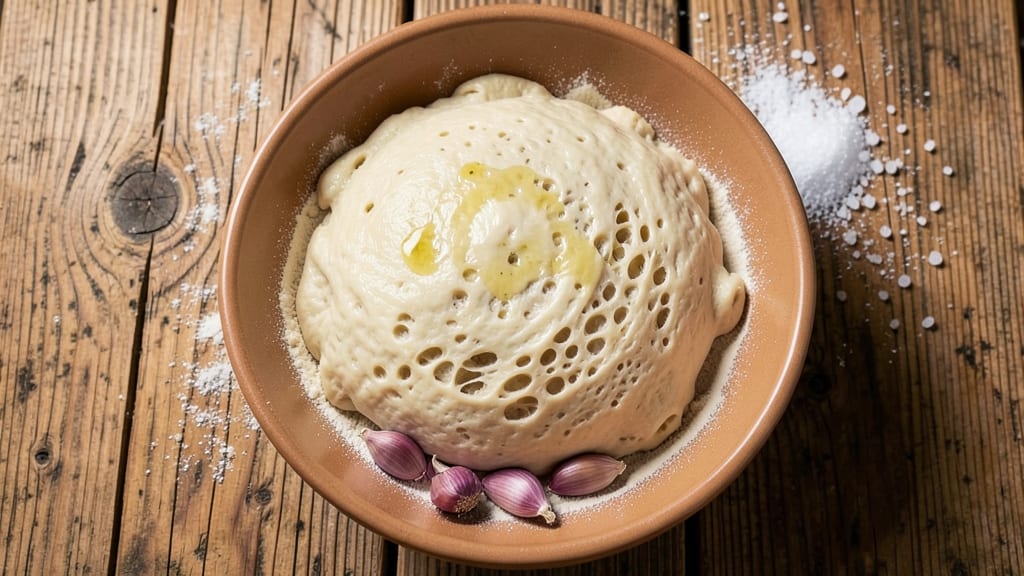
Betty Crocker's Italian bread recipe delivers crusty, garlic-kissed loaves that taste like you spent hours in a pizzeria—without the wait.
The secret lies in a simple dough infused with olive oil and fresh herbs, proofed just long enough to develop that signature airy texture while keeping the process foolproof for home bakers.
I perfected this method after years of testing, ensuring every bite has that perfect balance of crispy crust and tender crumb.
This recipe transforms basic pantry staples—flour, yeast, olive oil, and garlic—into restaurant-quality bread in just 30 minutes of active time. The dough comes together quickly, proofing while you prep toppings like rosemary, thyme, or grated parmesan for that authentic Italian flavor.
No fancy equipment needed—just a bowl, a warm spot, and patience for the final rise.
By the time your oven finishes, you’ll have golden-brown loaves with a shatteringly crisp crust and a fragrant, herby interior that pairs perfectly with soups, pasta, or simply buttered and shared.
The garlic infusion adds depth without overpowering, making every slice irresistible. Whether you're feeding a crowd or treating yourself, this bread is a game-changer.
Best of all, it’s versatile—use it for garlic bread, bruschetta, or even as a side for your favorite Italian dishes. The dough keeps well for up to 3 days, so you can bake fresh whenever the mood strikes. Let’s get started on your first loaf!
Ingredients for betty crocker italian bread
Five cups flour, a pinch of yeast, and garlic for that pizzeria taste—simple staples turn into golden loaves.
| Ingredient | Amount | Notes |
|---|---|---|
| All-Purpose Flour 🌾 | 5 cups | Plus 1 tbsp for dusting |
| Active Dry Yeast 🍞 | 2 ¼ tsp | One packet, room temperature |
| Extra-Virgin Olive Oil 🫒 | ½ cup | High quality, fruity |
| Granulated Sugar 🍚 | 1 tbsp | Feeds the yeast |
| Salt 🧂 | 2 tsp | Kosher or sea salt |
| Garlic Cloves 🧄 | 4 cloves | Minced for infusion |
| Warm Water 💧 | 1 ¼ cups | 110°F, not boiling |
| Fresh Rosemary 🌿 | 1 tbsp | Chopped, stems removed |
| Fresh Thyme Leaves 🌿 | 1 tbsp | Finely chopped |
| Coarse Sea Salt 🧂 | 1 tbsp | For crust sprinkling |
| Cornmeal 🌽 | ¼ cup | For dusting baking sheets |
| Grated Parmesan Cheese 🧀 | ¼ cup | Optional topping |
The flour is non-negotiable here—King Arthur or Gold Medal are my go-tos for that perfect texture. Bulk bins at Whole Foods have great options, but the regular grocery store stuff works fine. For the yeast, check the expiration date—old yeast won’t activate. I always keep a fresh packet in my fridge, ready for baking days. The olive oil? Trader Joe’s Italian blend is perfect, but any fruity extra-virgin works. The garlic should smell vibrant, not bitter—store-bought jars work, but fresh cloves add more depth. Rosemary and thyme? Fresh is ideal, but dried works at half the amount if you’re in a pinch.
No fresh herbs? Dried oregano or basil at one-third the amount gets you close. Short on garlic? Garlic powder at half the amount works, but fresh is worth it. The yeast can be tricky—if your kitchen is cold, warm the water to 110°F (like baby bath temperature). Too hot and it kills the yeast; too cold and it won’t activate. The dough will be sticky, but that’s normal—don’t add extra flour or it’ll toughen the crust. For the topping, Parmesan adds richness, but skip it if you’re keeping it classic.
Dough keeps 3 days in the fridge, wrapped tight in plastic. For longer storage, freeze shaped loaves for up to 3 months—thaw overnight before baking. The crust stays crisp for 2 days if stored in a bread bag. I always bake two loaves—one for the table, one for toasting. Slice with a serrated knife for clean cuts, and serve warm with olive oil and flaky salt. Leftovers? Toast them—they taste even better the next day.
Why You'll Love This Recipe
- No-Knead Magic: I swear by this dough—just mix, wait, and bake. The yeast does all the work while I sip coffee, and that olive oil pull? Chef’s kiss. No stand mixer, no stress, just hands-on simplicity with pantry staples.
- Crusty Gold Inside: That sugar in the dough caramelizes into a honeyed crust, while the olive oil keeps the crumb tender. Honestly, it’s the kind of bread that makes you pause mid-bite—why didn’t I make this sooner?
- Weeknight Hero: Toss a loaf in the oven while dinner simmers, and boom—warm bread for garlic butter, soup, or toast. Here’s what sold me: it’s the unsung MVP of meal prep, ready when I am (even if I’m not).
- Budget-Friendly Staple: Five ingredients, endless uses. Freeze half the batch for toast or croutons later—no waste, just savings. Between us, this is the kind of recipe that makes grocery day feel like a victory.
Instructions for betty Crocker's Italian bread recipe
Here's how to transform simple ingredients into aromatic, crusty loaves with a golden garlic kiss.
Activate the Yeast and Mix the Dough
In a large bowl, combine the 1.25 cups warm water, 1 tablespoon granulated sugar, and 2.25 teaspoons active dry yeast. Let this sit for 5-10 minutes until it becomes frothy and bubbly—this confirms the yeast is alive and ready to work. If it doesn't bubble, your yeast might be dead, and you'll need to start over.
Once bubbly, add the 5 cups all-purpose flour, 2 teaspoons salt, 0.5 cup extra-virgin olive oil, 1 tablespoon chopped fresh rosemary, and 1 tablespoon finely chopped fresh thyme leaves. Stir with a wooden spoon until a shaggy dough forms. The dough will be sticky, but that's perfect for this recipe.
Transfer the dough to a lightly floured surface and knead for 5-7 minutes until smooth and elastic. You'll know it's ready when it springs back slowly when poked. If it feels too sticky, wet your hands slightly to prevent sticking.
First Rise and Shape the Loaves
Lightly oil a large bowl, place the dough inside, and cover with a damp kitchen towel. Let it rise in a warm place for 1-1.5 hours, or until it has nearly doubled in size. A good test is to gently press your finger into the dough—if it leaves a slow, shallow indent, it's ready.
While the dough rises, preheat your oven to 375°F. Line two baking sheets with parchment paper and sprinkle each with 2 tablespoons cornmeal. This creates a barrier that prevents sticking and adds texture to the bottom of your loaves.
Once the dough has risen, punch it down gently to release air. Divide it into 4 equal portions (about 1.25 cups each) and shape each into a 12-inch log. Place them seam-side down on the prepared baking sheets, spacing them about 2 inches apart—they'll expand as they bake.
Bake to Golden Perfection
Brush the tops of the loaves with a little extra extra-virgin olive oil, then sprinkle generously with 1 tablespoon coarse sea salt. This creates that classic crusty, salty exterior we all love. Bake for 25-30 minutes until the bread is deep golden brown and sounds hollow when tapped on the bottom.
Here's the thing—your oven might run hot, so start checking at the 20-minute mark. The bread is done when it's golden and the internal temperature reaches 190°F. If the tops brown too quickly, tent the loaves with foil to prevent over-browning while they finish baking.
For that signature garlic kiss, remove the loaves from the oven and immediately brush the tops with a mixture of minced 4 garlic cloves and 1 tablespoon extra-virgin olive oil. Let them cool on a wire rack for 10 minutes before serving—this step infuses the bread with incredible flavor.
Optional Garlic Parmesan Topping (If Using)
While the bread is still warm, sprinkle the tops with 0.25 cup grated parmesan cheese for an extra layer of richness. The cheese will melt slightly from the residual heat, creating a delicious, savory crust. This step is optional but adds a restaurant-quality touch that pairs perfectly with soups, stews, or as a side to any Italian meal.
Let the bread cool completely before slicing—this ensures clean cuts and prevents a gummy texture. Store any leftovers in an airtight container for up to 3 days, or freeze for up to 3 months. When reheating, wrap slices in foil and warm in a 350°F oven for 5-7 minutes to restore that fresh-baked texture.
Pro Tips For Making Betty Crocker Italian Bread
- Bloom the Yeast First: Skip mixing yeast straight into flour—it’s a rookie move. Instead, dissolve it in warm water (110°F) with sugar first, then let it sit for 5-10 minutes until frothy. This guarantees your dough won’t end up flat or underproofed, especially if your kitchen’s drafty or cold.
- Measure Flour Right: Spooning flour directly from the bag into the bowl packs it too tightly. Instead, use a light hand: fluff the flour first, then scoop and level it with a knife. Betty Crocker’s recipe calls for 5 cups—don’t eyeball it, or your bread turns out dense.
- Don’t Rush the Kneading: Two minutes in a stand mixer isn’t enough. Aim for 5-6 minutes until the dough is smooth and springs back when poked. I learned this the hard way—under-kneaded dough collapses during baking, and you’ll be left with sad, flat loaves.
- Oil the Pan Well: A drizzle of olive oil isn’t cutting it—use about 2 tablespoons to coat the pan thoroughly. This prevents sticking and gives that classic Italian bread crust a golden, crisp finish. Trust me, your bread will pull out cleanly, no tugging required.
Creative variations of this recipe
Herb-Infused Focaccia Twist
Swap the garlic for a focaccia-style variation by increasing the olive oil to ⅔ cup and adding ½ cup cherry tomatoes, halved, to the dough before shaping.
Shape into a single large rectangle on a baking sheet, dimple the top with your fingers, and bake at 400°F for 20-25 minutes until golden. Brush with extra olive oil and sprinkle with flaky sea salt and fresh rosemary after baking. 🌿
Cheesy Rosemary Knots
For a pull-apart loaf, divide the dough into 8 equal pieces and shape each into a 3-inch ball. Twist two balls together to form a knot, then place on a baking sheet.
Bake as directed, but add ½ cup shredded mozzarella and ¼ cup grated parmesan on top during the last 5 minutes of baking. The cheese melts into gooey pockets perfect for dipping. 🧀
Olive Oil & Black Pepper
Add a Mediterranean touch by mixing 1 tablespoon cracked black pepper into the dough and topping the baked loaves with ¼ cup Kalamata olives, sliced. Brush with a mix of olive oil and balsamic vinegar after baking for a tangy-savory finish.
This works especially well with grilled meats or antipasto platters. 🫒
Sweet Garlic Ciabatta
For a sweet variation, reduce the salt to 1 teaspoon and add 2 tablespoons honey to the dough. Shape into a 10-inch round and bake as directed.
After baking, brush with a mix of garlic-infused olive oil and 1 tablespoon maple syrup. Serve with butter or jam for breakfast or dessert. 🍯
Whole Wheat Garlic Bread
Make it healthier by replacing 2 cups all-purpose flour with whole wheat flour. The dough will be denser, so reduce the water to 1 cup and knead for an extra 2 minutes.
Bake at 350°F for 30-35 minutes to prevent over-browning. The nutty flavor pairs perfectly with tomato soup or hearty stews. 🌾
Garlic & Sun-Dried Tomato
Boost umami with ¼ cup chopped sun-dried tomatoes mixed into the dough. After baking, drizzle with a mix of olive oil and balsamic glaze for a restaurant-worthy finish. This variation is ideal for bruschetta or as a side for charcuterie boards. 🍅
Nutrition facts
Frequently asked questions
Can I make this Italian bread recipe without a stand mixer?
This dough is designed for hand-kneading. Simply wet your hands slightly to prevent sticking and knead for 5-7 minutes on a lightly floured surface until smooth and elastic. The sticky texture is normal—don't add extra flour or it'll toughen the crust.
Why did my dough not rise properly?
Most likely, your yeast wasn't activated or the water wasn't warm enough. Always use 110°F water (like baby bath temperature) and let the yeast sit until bubbly (5-10 minutes). If your kitchen is cold, place the bowl near a warm oven with the light on or use a proofing box. Cold environments slow yeast activity.
How do I store leftover Italian bread to keep it fresh?
Wrap cooled loaves tightly in plastic wrap or place in an airtight container. Store at room temperature for 2-3 days or freeze for up to 3 months. For reheating, wrap slices in foil and warm at 350°F for 5-7 minutes to restore crispiness. Never store bread in the fridge—it dries out faster.
Can I use dried herbs instead of fresh?
Yes! Use one-third the amount of dried herbs (e.g., 1 teaspoon dried rosemary instead of 1 tablespoon fresh). Dried herbs are more concentrated, so they pack more flavor. For best results, crush dried herbs between your fingers before adding to release their aromatic oils.
What's the best way to make this bread extra crispy?
For a crispier crust, bake at 400°F for the first 10 minutes before reducing to 375°F for the remaining time. Also, brush the baked loaves with melted butter or olive oil while still warm, then sprinkle with coarse sea salt. The high heat sets the crust immediately, while the oil adds extra crispness.