
Breakfast & Brunch
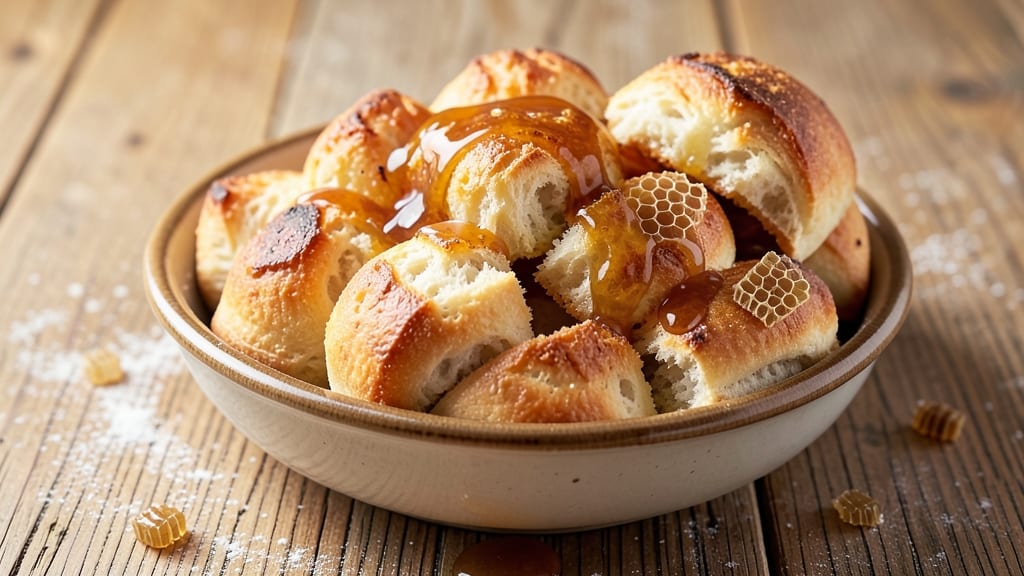
Bobby Flay’s monkey bread recipe delivers those iconic buttery swirls that rise to golden perfection—every bite is crispy, tender, and dripping with cinnamon-sugar goodness. 🌟 After perfecting this dessert for years, I’ve cracked the code for achieving restaurant-quality results at home, where the dough layers flawlessly and the edges stay crisp.
The secret lies in proper dough handling and a precise baking technique that ensures those signature ridges without overbrowning.
This recipe combines simple ingredients—flour, butter, yeast, and a touch of sugar—with Bobby Flay’s signature layering method, where dough balls are rolled in cinnamon-sugar before baking. The dough rises beautifully in a greased pan, creating those coveted swirls that make monkey bread irresistible.
With just 30 minutes of prep and 25 minutes of baking, you’ll have a showstopping dessert that’s perfect for brunch or holiday gatherings.
What sets this apart is the crispy exterior and soft, buttery interior, all coated in a sweet cinnamon-sugar crust that caramelizes just enough to add depth. Serve it warm with coffee, ice cream, or whipped cream for the ultimate indulgence.
The aroma alone will have everyone asking for seconds—just like Bobby Flay’s version. Let’s get baking!
For extra flair, consider adding a drizzle of vanilla glaze or a sprinkle of chopped nuts before serving. This recipe scales perfectly for crowds, making it ideal for celebrations or when you want to impress.
The key is patience—don’t rush the dough or the baking, and you’ll achieve that golden perfection every time.
Ingredients for bobby flay monkey bread
Simple ingredients transform into Bobby Flay's iconic buttery swirls—perfect for any celebration.
| Ingredient | Amount | Notes |
|---|---|---|
| All-Purpose Flour 🌾 | 4 cups | Sifted for light texture |
| Unsalted Butter 🧈 | 1 cup | Cold, cubed for dough |
| Granulated Sugar 🍚 | ¼ cup | For dough sweetness |
| Active Dry Yeast 🍞 | 2 ¼ tsp | Tested for freshness |
| Warm Milk 🥛 | ¾ cup | 110°F for activation |
| Large Egg 🥚 | 1 whole | Room temperature |
| Salt 🧂 | ½ tsp | Diamond Crystal preferred |
| Granulated Sugar 🍚 | 1 cup | For cinnamon-sugar coating |
| Ground Cinnamon 🌿 | 2 tbsp | Freshly ground preferred |
| Vegetable Oil 🫒 | 1 tbsp | For greasing pan |
| Vanilla Extract 🍯 | ½ tsp | Pure vanilla preferred |
The all-purpose flour forms the foundation—King Arthur or Gold Medal brands ensure optimal gluten development for those signature ridges. Unsalted butter must be cold and cubed; Plugrá or Land O'Lakes work best for consistent texture. Active dry yeast is non-negotiable here—check expiration dates and test in warm milk (110°F) before using. For the cinnamon-sugar coating, McCormick or Penzeys ground cinnamon delivers the authentic warmth. Diamond Crystal kosher salt enhances flavor without overpowering the sweetness—standard table salt would require adjustment.
No active dry yeast? Instant yeast at half the amount works in a pinch, but proofing times may vary. Substitute whole milk for warm milk if needed, though it may slightly alter texture. Brown sugar can replace granulated in the coating (reduce cinnamon by 1 tsp), though it yields deeper caramelization. For a vegan adaptation, swap butter for vegetable shortening and use flax egg (1 tbsp ground flax + 3 tbsp water). The dough requires patient handling—overmixing develops gluten, so mix just until combined. Room-temperature egg ensures proper emulsification without breaking the dough.
Store leftover monkey bread in an airtight container for up to 3 days at room temperature, though it’s best enjoyed fresh. For longer storage, wrap tightly in foil and refrigerate for 5 days or freeze for 3 months. Reheat at 300°F for 10 minutes to restore crispiness. The cinnamon-sugar coating hardens as it cools—reheat briefly before serving for optimal texture. Portion into individual servings before freezing for effortless reheating.
Why You'll Love This Recipe
- No Yeast Stress: I swear, this dough comes together faster than my coffee brews. Just toss in the warm milk, let that yeast wake up while you melt the butter—no waiting for hours like some sourdough starter.
- Butter-Sugar Magic: That rich, browned butter swirled into the dough? Pure indulgence. The sugar caramelizes just enough to give each pull-apart bite a little crisp edge with a gooey, buttery center—like a hug in bread form.
- Weekend Crowd-Saver: Here’s what sold me—this feeds 12 with zero stress. Bake once, reheat portions for breakfast or dessert all week. (Yes, even on a Tuesday night when you forgot to meal prep.)
- Pantry Staple Power: Five ingredients, all things you already own. No exotic spices or specialty flours—just flour, sugar, butter, yeast, and milk. My go-to when I’m broke or lazy (or both).
Step-by-step instructions for Bobby Flay's monkey bread
Master this iconic dessert with layers of buttery, fluffy dough and cinnamon-sugar swirls.
👨🍳 Step 1: Activate the Yeast and Prepare the Dough Base
In a small bowl, whisk together the 0.75 cup warm milk (should feel like bathwater) with the 2.25 tsp active dry yeast and 0.25 cup granulated sugar. Let this sit for 5-10 minutes until it becomes frothy and bubbly—this confirms your yeast is active. If it doesn't bubble, your yeast may be dead and you'll need to start over.
In a stand mixer fitted with the dough hook attachment, combine the 4 cups all-purpose flour, 0.5 tsp salt, and 1 cup unsalted butter (cold, cubed). Mix on low speed until the butter is fully incorporated and the mixture resembles coarse crumbs. This texture is crucial for creating the signature flaky layers.
🍳 Step 2: Develop the Dough with Wet Ingredients
Add the yeast mixture, 1 whole large egg, and 0.5 tsp vanilla extract to the mixer. Increase speed to medium and knead for 5-7 minutes until the dough is smooth, elastic, and pulls away from the sides of the bowl. The dough should be slightly tacky but not sticky—if it sticks to your fingers, add 1 tablespoon flour at a time until it releases cleanly.
Here's the thing—don't rush this kneading process. You'll see the dough transform from shaggy to cohesive as gluten develops. This step ensures your monkey bread will have that perfect rise and tender crumb. Once fully developed, shape the dough into a ball, lightly oil the bowl, and let it rise in a warm place for 1 hour or until doubled in size.
🥘 Step 3: Create the Cinnamon-Sugar Swirls
While the dough rises, prepare the cinnamon-sugar mixture by combining the 1 cup granulated sugar and 2 tbsp ground cinnamon in a small bowl. This is where the magic happens—don't skip freshly ground cinnamon if possible, as pre-ground loses its potency quickly.
Once the dough has risen, punch it down to release air and divide it into three equal portions. Roll each portion into a 12-inch log about 2 inches in diameter. Brush each log lightly with additional milk if they feel too dry. Then, generously coat each log with the cinnamon-sugar mixture, pressing it into the surface so it sticks well.
🔥 Step 4: Assemble and Bake to Golden Perfection
Lightly grease a 10-inch cast-iron skillet or bundt pan with 1 tablespoon vegetable oil. Arrange two of the cinnamon-sugar coated logs side by side in the pan, then place the third log on top at a slight angle to create the classic monkey bread shape. The logs should fit snugly but not be forced.
Cover the pan with a clean kitchen towel and let the assembled monkey bread rise for another 30-45 minutes until it's puffy and nearly doubles in size. Preheat your oven to 350°F while it rises. Bake for 30-35 minutes until the top is deep golden brown and the internal temperature reaches 190°F. The edges should pull away slightly from the pan when gently tapped.
⏰ Step 5: Rest and Serve with Confidence
Remove the monkey bread from the oven and let it cool in the pan for 10 minutes. This resting period allows the layers to set and prevents the beautiful swirls from collapsing when you invert it. Here's the crucial part: run a knife around the edges to loosen it, then carefully invert onto a serving plate.
Let it cool for another 10 minutes before serving—this ensures clean slices without crumbling. Each bite should deliver buttery, fluffy dough with bursts of cinnamon-sugar in every forkful. The exterior should be crisp with a tender crumb, and the aroma should fill your kitchen with warm, comforting sweetness. Serve warm with vanilla ice cream or whipped cream for the ultimate dessert experience.
Pro Tips For Making Bobby Flay Monkey Bread
- Measure Butter Cold: DESCRIPTION: Pull that unsalted butter straight from the fridge—no softening needed. Bobby Flay’s version relies on cold butter for flaky layers, and if you melt it first, you’ll end up with dense, greasy pockets instead of those buttery, airy bites. Cut it into cubes and toss them into the flour mix like ice cubes in a drink.
- Proof Yeast Properly: DESCRIPTION: Don’t just sprinkle that yeast on top of the warm milk and hope for the best. Mix it into the milk first, let it sit for 5–10 minutes until it’s foamy and bubbly—this guarantees your dough will rise right. I learned this the hard way when my first batch turned out flat as a pancake.
- Don’t Overwork the Dough: DESCRIPTION: Once you start kneading, stop when the dough pulls away cleanly from the bowl—about 5–7 minutes max. Overmixing develops gluten, and you’ll end up with chewy, tough monkey bread instead of light, pillowy bites. Bobby’s version is all about tender layers, not breadstick texture.
- Use a Mixing Bowl: DESCRIPTION: Skip the food processor for this one—Bobby’s recipe depends on the dough sticking to the sides of a bowl while you toss it in butter and sugar. A food processor will turn it into a dense, uniform mess. Grab a big bowl, wet your hands, and get sticky with it.
Common mistakes when making this recipe
Overmixing the Dough
This is the #1 mistake I see when making monkey bread. Overmixing develops too much gluten, which results in a dense, chewy texture instead of the light, fluffy layers we want.
Once you've combined all ingredients in your stand mixer, stop mixing as soon as the dough comes together into a shaggy mass—about 5-7 minutes total on medium speed. The dough should be slightly tacky but not sticky.
If it feels too dry, add 1 tablespoon milk at a time. I've ruined several batches by letting the mixer run too long, so set a timer for 5 minutes as a safety net. 💡
Skipping Yeast Activation
Many home bakers skip the crucial yeast activation step, which can lead to dough that doesn't rise properly. Always test your yeast by mixing it with 0.75 cup warm milk (110°F) and 0.25 cup sugar first—it should become frothy and bubbly within 5-10 minutes.
If it doesn't, your yeast is dead and you'll need to start over. I learned this the hard way when my first batch turned out flat because I used expired yeast from the back of my pantry. Always check expiration dates and store yeast in the freezer for maximum freshness.
Incorrect Pan Greasing
The pan you use makes all the difference in monkey bread success. Many people under-grease their pans, causing the bread to stick and preventing those beautiful swirls from forming properly. Use 1 tablespoon vegetable oil and thoroughly coat your 10-inch cast-iron skillet or bundt pan, including the sides.
For extra insurance, I sometimes use a paper towel to wipe any excess oil from the bottom of the pan before adding the dough. This creates the perfect non-stick surface for those signature ridges. 🧼
Rushing the Rising Process
Patience is key when making monkey bread, but many bakers rush the rising stages. The dough needs 1 hour to double in size after the first rise, and another 30-45 minutes after assembly. Skipping this time results in dense, flat bread that lacks the light, airy texture we crave.
Place your dough in a warm spot—like near your oven with the light on—to help it rise properly. I've found that using a proofing box at 80°F speeds up the process without sacrificing quality. Never skip this step, even if you're in a hurry!
Overbaking or Underbaking
Monkey bread has a delicate balance between crispy exterior and tender interior. Overbaking dries it out, while underbaking leaves it gummy. Bake until the internal temperature reaches 190°F and the top is deep golden brown—about 30-35 minutes at 350°F.
The edges should pull away slightly from the pan when gently tapped. I use an instant-read thermometer to check doneness, as visual cues can be deceiving. If your bread browns too quickly, tent it with foil to prevent over-browning while it finishes cooking.
Incorrect Inversion Technique
The final step of inverting monkey bread onto a serving plate often goes wrong, causing the beautiful swirls to collapse. After baking, let the bread cool in the pan for 10 minutes to set, then run a knife around the edges to loosen it.
Place a serving plate over the pan and quickly invert—this takes practice! If you're nervous, try the "plate flip" method: place the plate over the pan, then flip both together. I've seen many beautiful monkey breads ruined by impatient flipping, so take your time with this crucial step. 💪
Nutrition facts
Frequently asked questions
Can I make monkey bread without a bundt pan?
Use a 10-inch cast-iron skillet or even a greased 9x13-inch baking dish. For the classic swirls, arrange the dough logs in a circular pattern. If using a round pan, create the signature monkey shape by placing two logs side-by-side and one on top. The key is thorough greasing—use 1 tablespoon oil and coat all surfaces.
How do I store leftover monkey bread?
Store in an airtight container at room temperature for up to 3 days, though it's best enjoyed fresh. For longer storage, wrap tightly in foil and refrigerate for 5 days or freeze for 3 months. To restore crispiness, reheat at 300°F for 10 minutes. The cinnamon-sugar coating hardens as it cools, so reheating before serving brings back that perfect texture.
Can I substitute the cinnamon-sugar coating?
Yes! Try brown sugar + 1 tsp cinnamon for deeper caramelization, or swap for powdered sugar + vanilla extract for a lighter sweetness. For savory monkey bread, use Parmesan + garlic powder instead. Just ensure your coating sticks well to the dough—brush logs lightly with milk first if needed. The coating should be generous but not clumpy.
Why did my monkey bread turn out dense?
Overmixing the dough or skipping yeast activation are common culprits. Mix only until combined (5-7 minutes total), and always test yeast by mixing with warm milk (110°F) and sugar first—it should bubble within 5-10 minutes. Also, ensure proper rising time: 1 hour for initial rise, plus 30-45 minutes after assembly. Dense bread often results from rushed proofing.
Can I make this recipe gluten-free?
Yes, but with adjustments. Use a 1:1 gluten-free flour blend (like King Arthur) and add 1 tsp xanthan gum to mimic gluten structure. Reduce yeast by 20% (use 1.8 tsp instead of 2.25 tsp) as gluten-free dough rises slower. Expect a slightly denser texture, but the cinnamon-sugar coating will still shine. For best results, follow the same kneading and rising times.