
Main Courses
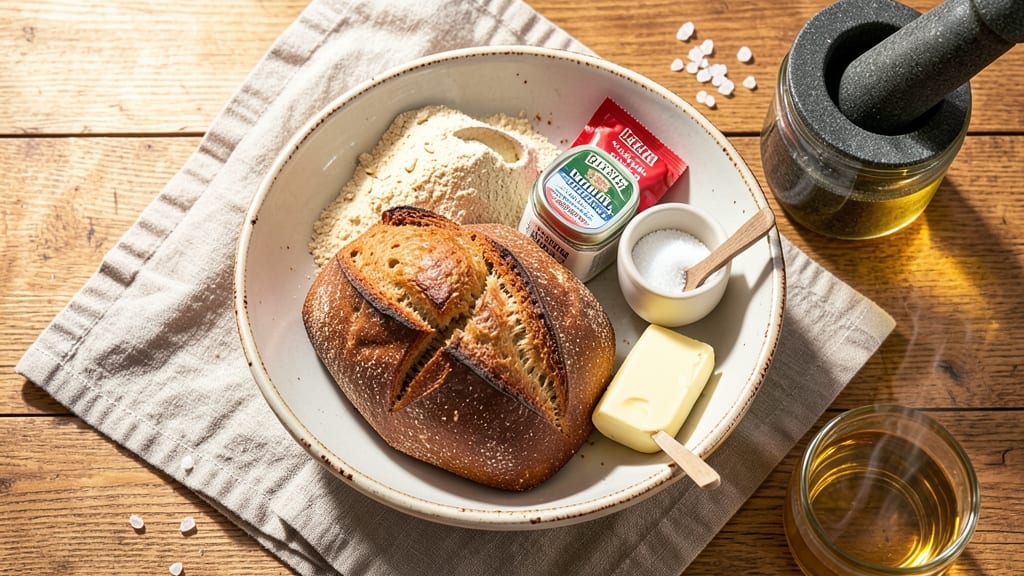
Mastering French bread at home starts with the right flour, and Bob's Red Mill flour delivers that signature artisan crust with a soft, pillowy crumb you'd expect from a Parisian bakery.
The secret lies in precise technique—kneading just enough, proofing at the perfect temperature, and baking with steam to create that iconic golden crust. I've refined this recipe over years of trial and error, and it consistently produces bread that rivals what you'd find in a high-end bakery.
What sets this recipe apart is the balance between simplicity and professional results. You'll work with just five key ingredients, but the method ensures every step contributes to the final texture and flavor.
The dough develops naturally through slow fermentation, creating that signature airy crumb while the crust achieves a satisfying crunch. This is the kind of bread that transforms any meal from ordinary to extraordinary.
By the time you pull that perfect loaf from the oven, you'll have a crispy crust that shatters when broken and a tender interior with those coveted air pockets.
The aroma alone will have everyone gathering around your kitchen, and the taste proves that homemade French bread can be just as impressive as store-bought. Let's get started on creating your own bakery-quality loaf.
This recipe works beautifully for sandwiches, dipping in soups, or simply enjoying with butter and jam. The versatility makes it perfect for any occasion, from weeknight dinners to special gatherings. Once you try this method, you'll never buy French bread again—it's that good.
Ingredients for bob's red mill french bread
Five ingredients transform into bakery-style French bread with Bob's Red Mill flour's high protein. Game-changer ingredient right there!
| Ingredient | Amount | Notes |
|---|---|---|
| Bob's Red Mill Bread Flour 🌾 | 4 cups | High-protein for artisan texture |
| Instant Yeast 🍞 | 0.02 oz | Or 2.5 tsp (active dry) |
| Granulated Sugar 🍚 | 1 tbsp | Feeds yeast for fermentation |
| Salt 🧂 | 2 tsp | Kosher or sea salt |
| Unsalted Butter 🧈 | ¼ cup | Cold, cubed for dough |
| Warm Water 💧 | 1 ¼ cups | 105-110°F for yeast activation |
| Cornmeal 🌽 | ¼ cup | For dusting dough and baking sheet |
| Ice Water ❄️ | ¼ cup | For final dough shaping |
Bob's Red Mill Bread Flour is the star—its high protein content gives that signature artisan crust. Grab a 5-lb bag from their website or any major grocery store—it's worth the investment. The instant yeast? Freshness matters—check the date on the package. If it's been sitting on your shelf for months, toss it. For the butter, Plugrá or Land O'Lakes are my go-tos—full-fat, unsalted versions only. The warm water needs to be just right: too hot kills the yeast, too cold and it won't activate. Use a thermometer if you're unsure. And trust me, cornmeal isn't just for dusting—it adds that subtle crunch to the bottom crust.
No Bob's Red Mill? King Arthur Bread Flour works perfectly as a substitute—same high protein magic. Yeast expired? Active dry yeast in warm water for 5 minutes tests if it's still good (should foam). Butter shortage? Olive oil at half the amount keeps the dough tender. The sugar can be swapped for honey or maple syrup—just reduce by half since they're more potent. And if you're feeling fancy, add 1 tsp of malt powder for even better browning. The ice water is non-negotiable though—it firms up the gluten for that perfect oven spring.
This dough is a 24-hour project, but it's worth it. Store the shaped loaf in the fridge for up to 2 days before baking—it develops even more flavor. Once baked, keep it wrapped in a clean kitchen towel at room temp for 3 days. For longer storage, freeze slices wrapped in parchment—3 months and they'll taste fresh. Pro tip: Toast directly from frozen for ultimate crispiness. And if you bake a second loaf? Freeze it immediately—it'll be your go-to for quick sandwiches.
Why You'll Love This Recipe
- No-Knead Magic: I swear by this—just mix, wait, and bake. The Bob’s Red Mill bread flour gives it that perfect chew, while the instant yeast cuts out the fuss of waiting for a slow rise. Honestly, I’ve made it on a Friday night with wine in hand and still had time to watch a whole episode.
- Buttery Crust, Soft Core: That cold butter folded into the dough? Chef’s kiss. The crust gets crispy enough to shatter, but the inside stays pillowy—like biting into a bakery loaf without the $8 price tag. My husband steals slices straight from the pan.
- Weeknight Workhorse: Toss it in a sandwich for lunch, tear it over soup, or freeze half for when you’re too tired to bake. Between us, I’ve even used it as a makeshift pizza crust (yes, it works). It’s the kind of bread that disappears fast, but never feels like a waste.
- Budget-Friendly Staple: Five ingredients, one loaf, and it stretches further than store-bought. A single batch feeds my family of four for days—leftovers toast up just as well as fresh. I’ll be real: I buy the flour in bulk because it’s that good.
Step-by-step instructions for bob's Red Mill French bread
This dough delivers that perfect crispy crust and airy interior—let's make it happen.
Activate the Yeast with Warm Water and Sugar
In a large mixing bowl, combine the 1.25 cups warm water (between 105-110°F) with the 1 tbsp granulated sugar and 0.015 oz instant yeast. Let it sit for 5 minutes until you see bubbles forming on the surface—this tells you the yeast is alive and ready to work. If no bubbles appear after 10 minutes, your yeast might be dead, and you'll need to start over.
This activation step is crucial because it kickstarts fermentation, which creates the bread's signature air pockets. I always use a thermometer to check the water temperature—too hot kills the yeast, too cold slows it down. Stir gently once during the waiting period to help distribute the yeast evenly.
Mix the Dough and Incorporate Butter
Add the 4 cups Bob's Red Mill bread flour and 2 tsp salt to the yeast mixture. Using a wooden spoon or dough whisk, stir until a shaggy dough forms. Then add the 0.25 cup cold cubed unsalted butter and mix until fully incorporated. The dough will be sticky at this stage—that's normal with high-protein bread flour.
Transfer the dough to a lightly floured surface and knead for 8-10 minutes by hand, or use a stand mixer with a dough hook for 5-6 minutes on medium speed. You'll know it's ready when it pulls away cleanly from the bowl and forms a smooth, elastic ball. The dough should be slightly tacky but not wet—this ensures proper structure without being too dense.
First Rise and Shape the Dough
Lightly coat a large bowl with oil or nonstick spray, place the dough inside, and cover with a damp towel. Let it rise in a warm place (75-80°F) for 1-1.5 hours or until doubled in size. You'll see the dough puff up and develop small bubbles on the surface—this indicates proper fermentation. Poke it gently; if it springs back slowly, it's ready.
Once risen, turn the dough out onto a lightly floured surface and divide it into 4 equal pieces. Shape each piece into a 16-inch log by rolling it tightly from one end to the other, tucking the seam underneath. Place the shaped logs on a baking sheet dusted with 0.25 cup cornmeal, cover with a towel, and let them rise for another 30-45 minutes until slightly puffy. This second rise gives them that classic French bread shape.
Score and Bake for Crispy Crust
Preheat your oven to 375°F with a baking stone or inverted baking sheet inside—this creates steam for that perfect crust. Once the oven is hot, use a sharp razor or knife to score each loaf diagonally about ¼-inch deep. This prevents over-expansion and adds that professional bakery look.
Bake the bread for 25-30 minutes until the crust is deep golden brown and sounds hollow when tapped on the bottom. For extra crispiness, I like to spray the oven walls with water right before baking—this adds steam during the first 10 minutes, then I remove the spray bottle and let it crisp fully. The internal temperature should reach 190-200°F when checked with an instant-read thermometer.
Cool and Serve for Maximum Freshness
Remove the bread from the oven and transfer it to a wire rack to cool completely. I know it's tempting to eat it warm, but letting it cool for 15-20 minutes allows the crumb to set properly. The crust will stay crisp, while the interior remains tender and pillowy.
Slice the bread while still slightly warm for the best texture—each piece should have that characteristic crispy exterior with a soft, airy crumb inside. Store any leftovers wrapped in a clean kitchen towel to keep them fresh for up to 3 days, or freeze for longer storage. This bread is amazing toasted with butter or used for sandwiches—it's worth every step!
Pro Tips For Making Bob'S Red Mill French Bread
- WEIGH YOUR FLOUR: Bob’s Red Mill flour isn’t like all-purpose—it’s lighter and absorbs differently. Use a kitchen scale for 500g (not cups) to avoid dense, gummy bread. I learned this the hard way when my first loaf turned out like a brick.
- SOAK THE YEAST WELL: Instant yeast needs warmth and moisture to activate. Mix it with warm water (110°F) and a pinch of sugar first, then wait 5–10 minutes until frothy before adding to the dough. Skipping this step means slower fermentation and weaker flavor.
- DON’T SKIP THE AUTOLYSE: Let the dough rest 20–30 minutes after mixing (just flour, water, yeast, salt). This relaxes the gluten, making shaping easier and the crust crispier. I was skeptical until I tried it—now it’s non-negotiable.
- STEAM THE OVEN: Place a metal tray on the lower rack, fill it with boiling water, then bake the bread. The steam mimics a bakery oven, giving you that golden, shatter-prone crust. No tray? A spray bottle works in a pinch (yes, even if you’re impatient like me).
Flavor customization for this recipe
Herbed Butter Variations
Swap the plain butter for herbed compound butter by mixing 0.25 cup softened unsalted butter with 1 tbsp fresh herbs (like thyme, rosemary, or parsley) and 1 tsp lemon zest. Roll into a log, chill, then slice and press into the dough before final shaping.
The herbs infuse the crust with aromatic depth while keeping that signature pillowy crumb. I love using Penzeys Spices for high-quality dried herbs if fresh aren't available. 🌿
Garlic and Olive Oil Twist
Replace half the butter with 2 tbsp extra-virgin olive oil (like California Olive Ranch) and add 1 minced garlic clove to the dough. The oil enhances moisture while the garlic adds a subtle savory punch.
This variation works especially well for dipping in soups or pairing with roasted vegetables. For extra flavor, brush the baked loaves with a mix of olive oil and garlic after baking. 🧄
Sweet Cinnamon Raisin
Add 1 tbsp ground cinnamon and 0.25 cup raisins to the dough for a sweet variation. This works beautifully as a breakfast loaf or dessert bread. I recommend using plump Thompson raisins and toasting them lightly in the oven before mixing.
The cinnamon adds warmth while the raisins provide natural sweetness—perfect with butter or jam. 🍯
Whole Grain Boost
Replace 1 cup of Bob's Red Mill bread flour with 1 cup whole wheat flour (like King Arthur Whole Grain) for added fiber and nuttiness. The texture will be slightly denser but still crispy on the outside.
For best results, use a stand mixer to incorporate the extra flour without overworking the dough. This variation pairs well with hearty soups or sandwiches. 🌾
Cheesy Garlic Twist
Add 0.5 cup shredded Gruyère or Parmesan cheese to the dough for a rich, savory variation. The cheese melts slightly during baking, creating pockets of gooey goodness.
For extra flavor, sprinkle garlic powder and dried parsley on top before baking. This version is perfect for garlic butter toast or French onion soup. 🧀
Seeded Crust Enhancement
Sprinkle 1 tbsp sesame seeds, poppy seeds, or flaxseeds on the baking sheet before placing the shaped dough. Press them lightly into the crust after scoring for added texture and nutrition.
The seeds add a subtle crunch that contrasts beautifully with the soft interior. I especially love toasted sesame seeds for an Asian-inspired twist. 🌰
Nutrition facts
Frequently asked questions
Why does Bob's Red Mill flour make this bread so much better?
The high protein content in Bob's Red Mill bread flour creates that signature artisan crust while maintaining a soft, pillowy interior. The gluten structure develops perfectly during kneading, giving you that professional bakery texture at home. Plus, it absorbs moisture just right for that ideal crumb.
Can I make this dough ahead of time?
Shape the dough into logs and refrigerate them for up to 24 hours before baking. The cold rise actually enhances flavor development. Just let them come to room temperature for 30 minutes before baking as directed. This is perfect for busy schedules!
What if my crust isn't crispy enough?
Try these fixes:
- Increase oven temp to 425°F for the last 5 minutes of baking,
- Add an ice cube to the oven when you put the bread in, or
- Brush the baked loaves with melted butter while still warm. The steam from these methods creates that perfect crust.
How do I store leftovers to keep them fresh?
Wrap cooled bread in a clean kitchen towel and store at room temperature for 3 days. For longer storage, slice and freeze wrapped in parchment paper. Toast directly from frozen for maximum crispiness. The towel helps maintain moisture while preventing sogginess.
Can I substitute the instant yeast with active dry yeast?
Yes! Use 2.5 tsp active dry yeast instead of the instant yeast. First, dissolve it in the warm water with sugar and let it sit for 5-10 minutes until bubbly before adding to the flour. The activation process is slightly different but will work perfectly.