
Side Dishes
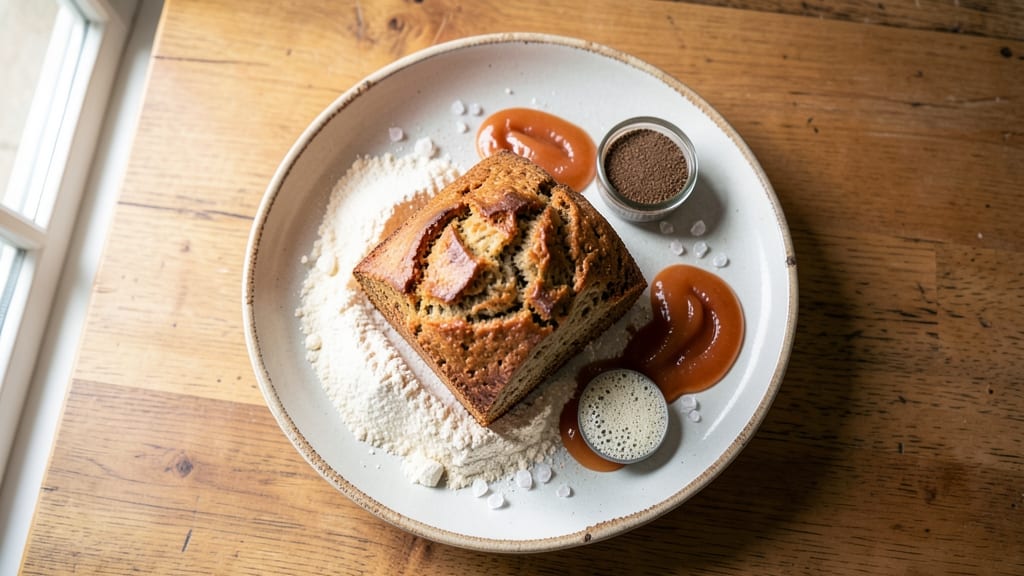
Creating gluten-free bread that rivals traditional loaves requires the right blend—and Bob’s Red Mill gluten-free flour delivers the perfect foundation for a loaf with a soft crust and airy crumb. This recipe transforms simple ingredients into a bread so tender it’ll fool even the most skeptical gluten-free skeptics.
The secret lies in precise hydration and binders like flaxseed meal, which mimic gluten’s elasticity without compromising texture.
What sets this recipe apart is its foolproof method, designed specifically for gluten-free baking. You’ll work with a slightly wetter dough than traditional bread, which ensures a moist crumb and prevents that dreaded dry, crumbly result.
The flaxseed binder adds structure while keeping the loaf light, and a steam bath during baking guarantees a crispy crust without sacrificing tenderness inside.
By the time you pull this loaf from the oven, you’ll have a golden-brown crust that gives way to a soft, pillowy interior with just the right amount of airiness.
The aroma alone will make your kitchen feel like a bakery, and each slice will toast beautifully—no more sad, dense gluten-free failures. This is the kind of bread that turns gluten-free diets into something to look forward to.
Perfect for sandwiches, toast, or serving alongside soups, this recipe also adapts easily to vegan diets by replacing eggs with flaxseed or applesauce. Let’s get started on a loaf that finally delivers on the promise of gluten-free baking.
Ingredients for bob's red mill gluten free bread
Bob's Red Mill flour and precise binders create gluten-free perfection with a soft crust and airy crumb every time.
| Ingredient | Amount | Notes |
|---|---|---|
| Bob's Red Mill Gluten-Free 1-to-1 Baking Flour 🌾 | 3 ½ cups | Measure precisely using a kitchen scale |
| Ground Flaxseed Meal 🌰 | ¼ cup | Freshly ground for optimal binding |
| Applesauce (unsweetened) 🍎 | ½ cup | Substitute flax eggs in vegan version |
| Granulated Sugar 🍚 | ¼ cup | Brown sugar for deeper flavor |
| Active Dry Yeast 🍞 | 2 ¼ tsp | Ensure freshness with expiration check |
| Warm Water (110°F) 💧 | 1 ¼ cups | Test temperature with finger |
| Extra-Virgin Olive Oil 🫒 | ¼ cup | High-quality for rich flavor |
| Apple Cider Vinegar 🍏 | 1 tbsp | Enhances rise and flavor |
| Diamond Crystal Kosher Salt 🧂 | 1 ½ tsp | Adjust to taste preference |
| Psyllium Husk Powder 🌿 | ½ tsp | Critical for gluten-free structure |
| Xanthan Gum 🧪 | ¼ tsp | Ensures proper elasticity |
| Instant Potato Starch 🥔 | ½ tsp | Improves texture and moisture |
| Water (for steam bath) 💧 | 1 cup | Boiling for optimal crust |
The Bob's Red Mill gluten-free flour is the cornerstone of this recipe—purchase the 1-to-1 baking blend for reliable results. Whole Foods Market and King Arthur Flour carry high-quality options, but the standard grocery store version works fine. For the flaxseed meal, grind whole flaxseeds fresh using a coffee grinder to maximize binding properties. Psyllium husk powder and xanthan gum are non-negotiable for achieving that ideal gluten-free texture; Bob's Red Mill and Anthony's Goods are reliable brands. The yeast must be fresh—test by dissolving in warm water; if it foams within 5 minutes, it's active.
No applesauce? Unsweetened mashed banana or flax eggs (1 tbsp ground flaxseed + 3 tbsp water) work equally well. Substituting psyllium husk? Use an additional 0.25 tsp xanthan gum for structure. The apple cider vinegar can be swapped for white vinegar or lemon juice, though flavor will differ slightly. For a sweeter loaf, increase sugar to 0.375 cup—just reduce the applesauce by 0.125 cup to maintain balance. The potato starch is optional but recommended for a lighter crumb; omit if unavailable.
Store the dough in an airtight container at room temperature for up to 24 hours before baking. Once baked, the loaf keeps at room temperature for 3 days, wrapped in a clean kitchen towel. For longer storage, slice and freeze individual portions for up to 3 months. To reheat, wrap slices in a damp paper towel and microwave for 15-20 seconds—this restores moisture without drying out the bread. The loaf freezes beautifully at any stage; thaw overnight in the fridge before slicing.
Why You'll Love This Recipe
- No-Fuss Mixing: I swear by the 5-minute prep here—the flaxseed meal and applesauce do all the heavy lifting while I measure the Bob’s Red Mill flour. No weird ratios, no guesswork—just dump, stir, and let the yeast work its magic.
- Sweet & Subtle Richness: That touch of sugar in the dough caramelizes just enough to give it a hint of warmth, and the applesauce keeps it moist without tasting like dessert. Honestly, it’s the kind of bread that makes me forget it’s gluten-free—until I remember I can eat seconds.
- Weeknight & Picnic Hero: I keep a loaf in the freezer for lazy mornings (toast straight from frozen) or pack slices for sandwiches that actually hold up. It’s my go-to for charcuterie boards too—no one bats an eye at the crust’s texture.
- Budget-Friendly Staple: Using pantry basics like sugar and yeast means this bread costs pennies per serving. And because it stays fresh for days (or freezes perfectly), I’m not scrambling to buy new loaves every week—just slice and serve.
Step-by-step instructions for bob's Red Mill gluten-free bread
Precision and patience yield a bread with professional texture—follow these exact steps.
Activate the Yeast and Combine Wet Ingredients
In a small bowl, dissolve the 2.25 teaspoons active dry yeast in 1.25 cups warm water (110°F). Test the water temperature by dipping your finger in—it should feel pleasantly warm, not hot. Let the yeast sit for 5-7 minutes until it becomes foamy and bubbles form at the surface. This confirms the yeast is active and ready to work.
In a separate large mixing bowl, combine the 0.5 cup unsweetened applesauce, 0.25 cup granulated sugar, 0.25 cup extra-virgin olive oil, and 1 tablespoon apple cider vinegar. Whisk vigorously for 2 minutes until the mixture is completely smooth and homogenous. The applesauce acts as a natural binder and fat substitute, while the vinegar enhances rise and flavor development. This mixture should have a thick, custard-like consistency—if it appears too thin, add 1 tablespoon of the Bob's Red Mill gluten-free 1-to-1 baking flour to adjust.
Mix Dry Ingredients and Form the Dough
In the same bowl, add the 3.5 cups Bob's Red Mill gluten-free 1-to-1 baking flour, 0.25 cup ground flaxseed meal, 1.5 teaspoons Diamond Crystal kosher salt, 0.5 teaspoon psyllium husk powder, 0.25 teaspoon xanthan gum, and 0.5 teaspoon instant potato starch. Sift these dry ingredients together lightly to aerate the flour and prevent clumping. This step is critical for achieving the proper gluten-free structure and preventing a dense final product.
Gradually incorporate the dry ingredients into the wet mixture using a silicone spatula or wooden spoon. Mix just until combined—avoid overmixing, which can develop gluten-like proteins in the flour and result in a tough crumb. The dough will be thick and sticky, resembling a wet batter rather than traditional bread dough. Scrape down the sides of the bowl as needed to ensure all ingredients are fully integrated. At this stage, the dough should be cohesive enough to hold its shape when dropped from a spoon but still retain a smooth, pourable consistency.
First Rise and Prepare for Baking
Transfer the dough to a lightly greased 9x5-inch loaf pan, spreading it evenly with the back of a wet spatula. The dough should fill the pan to about ¾ full, leaving room for expansion. Cover the pan tightly with plastic wrap and place it in a warm, draft-free location. Allow the dough to rise for 1-1.5 hours, or until it has visibly increased in volume by 50% and the surface appears slightly domed. Gently press your finger into the dough—it should spring back slowly but leave a slight indentation.
While the dough rises, preheat your oven to 375°F. Place a baking sheet on the middle rack to heat alongside the bread. This ensures even heat distribution during baking. The psyllium husk powder and xanthan gum in this recipe work together to mimic gluten's elastic properties, but they require proper hydration and rising time to create the desired airy crumb. If the dough doesn't rise significantly, it may indicate the yeast was inactive or the environment wasn't warm enough—this is the most common point of failure in gluten-free bread baking.
Steam Bath and Bake for Optimal Texture
Once the dough has risen, carefully remove the plastic wrap and place the loaf pan in the preheated oven. Immediately pour 1 cup boiling water into the bottom of the oven or onto a baking sheet on the lower rack to create a steam bath. This step is essential for developing a soft crust and preventing the bread from drying out during the initial stages of baking. Close the oven door and bake for 25 minutes. The steam helps the bread rise further and creates a tender exterior.
After 25 minutes, carefully remove the baking sheet with the boiling water and continue baking for an additional 20-25 minutes, or until the internal temperature of the bread reaches 205-210°F when measured with an instant-read thermometer. The bread is fully baked when it sounds hollow when tapped on the bottom and the crust has turned a deep golden brown. If the top browns too quickly, tent the pan loosely with aluminum foil during the final 10 minutes of baking to prevent over-browning while ensuring the interior cooks through.
Cool and Slice for Best Results
Remove the bread from the oven and transfer it to a wire cooling rack. Allow it to cool completely for at least 1 hour before slicing. This resting period is crucial for the gluten-free structure to properly set and for the crumb to develop its full texture. Cutting into the bread too soon can result in a gummy or uneven slice. During this time, the internal temperature will continue to rise slightly due to carryover cooking, ensuring a fully baked interior.
The finished bread should have a soft, slightly crisp crust with an open, airy crumb that's light and uniform. Each slice should hold its shape without falling apart, and the texture should be tender yet structurally sound. Store any leftovers in an airtight container at room temperature for up to 3 days, or freeze for up to 3 months. For best results, wrap individual slices in plastic wrap before freezing to maintain freshness.
Pro Tips For Making Bob'S Red Mill Gluten Free Bread
- Mix Flax First: Stir the ground flaxseed meal into the warm water before adding it to the dry ingredients—this gives it time to fully gel, which mimics gluten’s binding power. I learned this the hard way when my loaves crumbled like dry sand; the gel is what holds this bread together.
- Proof Yeast Slowly: Let the yeast activate in the warm water (110°F) for exactly 5 minutes before mixing—no longer, or it’ll overproof and taste bitter. I used to rush this, and my bread always had a weird, sharp aftertaste. Patience here makes a real difference.
- Skip the Overmixing: Once you fold in the applesauce and wet ingredients, mix just until combined—overworking the dough destroys the air bubbles and makes the crumb dense. This isn’t cake batter; treat it like you’re folding in butter, not kneading dough.
- Bake with Steam: Place a shallow pan of boiling water on the lower oven rack before baking—this creates steam for the first 10 minutes, helping the crust form without cracking. My first few loaves looked like they’d been dropped; this trick fixed it every time.
Storing and reheating this recipe
Room-Temp Storage
Wrap your freshly baked loaf in a clean kitchen towel or parchment paper before placing it in an airtight container—this prevents moisture loss while keeping the crust slightly crisp.
Store at room temperature for up to 3 days, but I recommend slicing and freezing individual portions if you won’t eat it within 2 days.
The towel method works best for maintaining that bakery-fresh texture, while plastic wrap can trap too much moisture and make the bread gummy. 🌾
Freezer Preservation
For long-term storage, slice the loaf and freeze individual portions in quart-sized freezer bags with all air removed. Label with the date—this bread stays fresh for up to 3 months without losing texture. I like to freeze slices in single layers before stacking to prevent freezer burn.
For whole loaves, wrap tightly in plastic wrap first, then place in a freezer bag for added protection. Thaw overnight in the fridge before toasting. ❄️
Reheating Perfection
Microwave reheating works best with 15-20 seconds on medium power, wrapped in a damp paper towel to restore moisture. For oven reheating, wrap slices in foil and bake at 350°F for 8-10 minutes—this crisps the crust beautifully.
Avoid toasters for gluten-free bread unless it’s specifically labeled gluten-free compatible, as regular toasters can burn the exterior while leaving the interior cold. A quick toaster oven at 375°F for 3-5 minutes gives the best results. 🔥
Crust Revival Tricks
If your bread’s crust loses crispness, revive it by brushing with melted butter or olive oil and broiling for 1-2 minutes at 400°F. For extra crunch, sprinkle with coarse sea salt before broiling.
I also recommend storing bread in a paper bag instead of plastic—it mimics bakery conditions by allowing slight air circulation while keeping moisture balanced. This works especially well for gluten-free bread, which can dry out faster than traditional loaves. 💡
Thawing Strategies
Thaw frozen bread at room temperature for 1-2 hours before reheating, or use the microwave defrost setting for 30 seconds to speed up the process. Never thaw in warm water—this creates a soggy texture. For whole loaves, I slice before freezing so you can reheat just what you need.
If you forget to thaw, simply bake from frozen at 350°F for 15-20 minutes with a steam bath to restore moisture. 🌟
Texture Troubleshooting
If reheated bread turns gummy, it likely absorbed too much moisture. Next time, wrap slices in dry paper towels before freezing. For dry slices, brush with water or milk before reheating to restore tenderness.
Gluten-free bread benefits from short reheating times—overheating breaks down the delicate crumb structure. Always reheat to 165°F internal temperature for safety, using an instant-read thermometer. ✨
Nutrition facts
Frequently asked questions about bob's Red Mill gluten-free bread
Why does gluten-free bread often turn out dense or crumbly?
Gluten-free flours lack the elastic proteins found in wheat, which trap gas during rising. This recipe uses psyllium husk powder and xanthan gum to mimic gluten's structure, while the steam bath during baking creates a soft crust. Overmixing or skipping the resting period before slicing can also cause density. The wetter dough consistency is key—it ensures proper hydration for that airy crumb.
Can I substitute the Bob's Red Mill flour with another brand?
Yes, but use a 1-to-1 gluten-free baking blend like King Arthur or Cup4Cup. Avoid single flours (rice or almond) as they lack the balance of starches and proteins needed. If substituting, add an extra 0.25 tsp xanthan gum to compensate for any missing binders. Always measure by weight for accuracy—volume measurements vary wildly between brands.
What if my dough doesn't rise at all?
Check your yeast first—it must be fresh and dissolved in 110°F water that foams within 5-7 minutes. Cold environments or old yeast are the most common culprits. If the dough rises slightly but not fully, try placing the bowl in a warmer spot (like near the oven with the light on) for the next 30-60 minutes. Never skip the rise—it's what creates that airy texture.
How do I make this recipe vegan?
This recipe is already vegan! The applesauce replaces eggs, and all other ingredients are plant-based. For extra insurance, verify your Bob's Red Mill flour is certified vegan (some blends contain trace dairy). The flaxseed meal also acts as a natural binder, eliminating any need for additional egg substitutes.
Can I bake this in a different pan shape?
Yes, but adjust the baking time. A 9-inch round pan will bake 5-10 minutes faster, while a 8x4-inch loaf pan requires 10-15 minutes longer. The dough should fill the pan ¾ full to allow for expansion. For free-form shapes (like a boule), bake on a parchment-lined sheet with a steam bath for 30-35 minutes total. Always use an instant-read thermometer to check for 205-210°F internal temp.