
Side Dishes
Mastering chapati bread recipe transforms simple flour into delicate, flaky layers that pair perfectly with curries or yogurt. The secret lies in precise dough handling and high-heat cooking on a tawa, creating those signature puffed pockets without a single puff of steam.
I've perfected this method over years of testing—each chapati emerges with crisp edges and a soft, pillowy center that's impossible to resist.
This recipe balances tradition with modern flexibility, working equally well with whole wheat or refined flour. The dough comes together in just 10 minutes, giving you time to roll and cook chapati after chapati until your kitchen smells like a bustling Indian home.
No special equipment needed beyond a rolling pin and flat-top griddle, though a dough press speeds up the process for busy cooks.
What you'll achieve are chapati with flaky layers that separate effortlessly, revealing tender centers that melt in your mouth. The high-heat cooking method creates those beautiful golden-brown spots while keeping the interior perfectly soft.
These chapati absorb flavors beautifully, making them ideal for wrapping around spiced meats or using as plates for rich curries.
Whether you're serving a traditional Indian meal or simply craving homemade bread, this recipe delivers professional-quality results in minutes. The technique is straightforward once you understand the key steps—dough consistency, rolling thickness, and heat control. Let's get started on creating chapati that will impress even the most discerning guests.
Ingredients for chapati bread
Six simple ingredients transform into flaky, pillowy chapati with crisp edges and soft centers.
| Ingredient | Amount | Notes |
|---|---|---|
| All-Purpose Flour 🌾 | 3 cups | Plus 2 tbsp for dusting |
| Whole Wheat Flour 🌾 | 1 cup | For nutty flavor and texture |
| Unsalted Butter 🧈 | ½ cup | Cold, cubed for dough |
| Plain Yogurt 🥛 | ½ cup | Full-fat for richness |
| Water 💧 | ½ cup | Room temperature |
| Salt 🧂 | 1 tsp | Diamond Crystal preferred |
| Ghee or Vegetable Oil 🫒 | 2 tbsp | For cooking chapati |
| Ghee or Butter 🧈 | 1 tbsp | For brushing chapati |
The flour blend is key—King Arthur all-purpose (or Patel Project if you can find it) gives the best texture. Whole wheat adds depth, but don't exceed 1 cup or the chapati will get dense. For butter, Land O'Lakes unsalted works perfectly—cold cubes melt just enough to bind the dough without overworking it. Yogurt? Fage full-fat is my go-to, but any plain yogurt with 2% or higher fat content will work. The water should be lukewarm—cold water makes stiff dough, hot water activates gluten too much (trust me on this one). Salt matters too—Diamond Crystal dissolves better than table salt and enhances flavor without overpowering.
No ghee? Vegetable oil or coconut oil works fine for cooking, though ghee adds that authentic smoky flavor. Short on butter? Substitute with 0.25 cup more oil, but the dough won't be as tender. Whole wheat flour not available? Use all all-purpose, but add 1 tsp extra water to compensate for the lower gluten content. The dough should be soft but not sticky—if it's too dry, add 1 tsp water at a time. Too sticky? Add 1 tbsp more flour. Pro tip: Let the dough rest 15 minutes before rolling—this relaxes the gluten for those signature flaky layers. And if you're in a rush, microwave the butter 20 seconds
Store the dough wrapped in a damp towel in the fridge for up to 2 days—bring to room temp before using. Cooked chapati reheat beautifully in a dry skillet for 2-3 minutes or wrapped in foil at 350°F for 5 minutes. For freezer storage, stack cooked chapati with parchment between layers—keeps for 1 month. The secret to reheating? Low heat is your friend—high heat makes them rubbery. I always make extra and freeze half—they're perfect for quick lunches or serving with curries later in the week.
Why You'll Love This Recipe
- No-Fuss Dough: I swear by this dough—just flour, yogurt, and water. No yeast, no kneading marathon, no waiting for it to rise. Honestly, I mix it while chatting with my neighbor; by the time we’re done gossiping, the dough’s ready to roll.
- Buttery Soft Magic: That unsalted butter? It’s the MVP. A tiny pat between each fold makes the chapati flaky and tender—like a hug from your grandma, but edible. (Yes, even on a Tuesday night.)
- Meal Prep Hero: Make a batch on Sunday, store them in a cloth-lined box, and they’ll stay fresh for days. Wrap one around a kebab for lunch, stuff it with eggs for breakfast, or just eat it plain with chai—it’s the ultimate lazy-day solution.
- Pocket-Friendly Flex: Whole wheat flour keeps it nutritious without breaking the bank, and a single dough ball stretches into three meals. Between us, my grocery budget thanks me every time I skip store-bought naan.
Step-by-step instructions for chapati bread
Here's how to craft perfectly flaky chapatis with soft centers every time—no shortcuts, just technique.
Mix the Dough with Precision
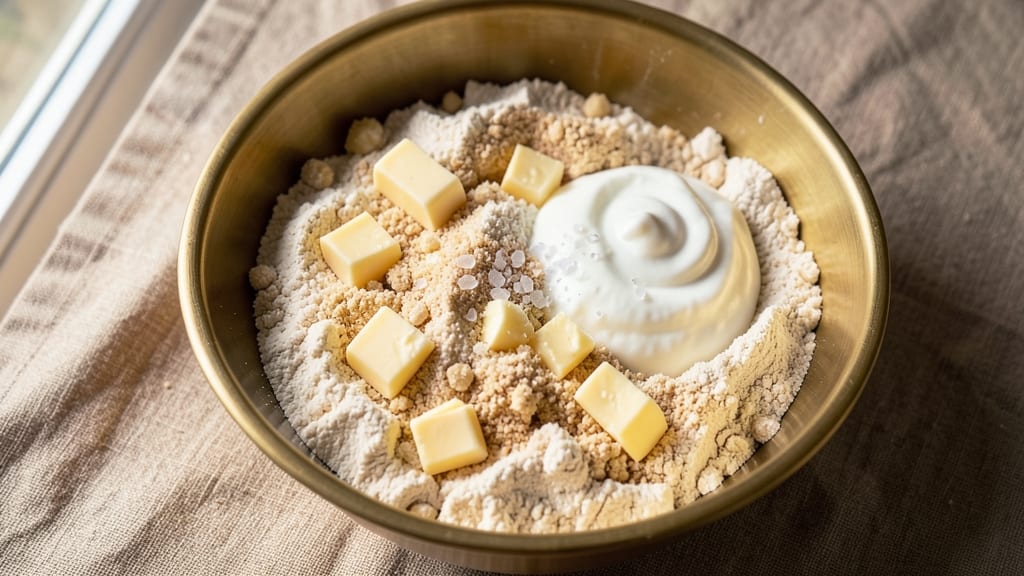
In a large mixing bowl, combine the 3 cups all-purpose flour, 1 cup whole wheat flour, 1 tsp salt, and the 0.5 cup cold cubed unsalted butter. Use your fingertips to work the butter into the flour until it resembles coarse crumbs with pea-sized butter pieces remaining. This creates pockets for steam during cooking, which is essential for those signature flaky layers.
Make a well in the center and pour in the 0.5 cup plain yogurt and 0.5 cup room-temperature water. Gradually mix from the center outward, adding just enough of the remaining flour to form a smooth, slightly sticky dough that doesn't cling to your fingers. If it feels too dry, add 1 tsp water at a time. Overworking the dough develops gluten, which can make your chapatis tough instead of tender.
Knead Until Silky Smooth
Lightly flour a clean surface and turn out the dough. Knead for 8-10 minutes by pressing down firmly with the heel of your hand, then folding the dough over itself and rotating 90 degrees. The dough should become smooth, elastic, and slightly springy when pressed gently. You'll know it's ready when it leaves a clean, non-sticky surface and doesn't shrink back when poked.
Here's the thing—don't rush this step. Proper kneading develops the gluten structure that gives chapatis their signature softness. If the dough feels too sticky, add 1 tbsp flour at a time, but avoid adding too much or your chapatis will turn out dense. Once kneaded, cover the dough with a damp towel and let it rest for 30 minutes at room temperature. This resting period relaxes the gluten, making rolling easier and resulting in more even layers.
Divide and Roll with Confidence
Divide the rested dough into 6 equal balls (about 3 ounces each) and roll them into smooth spheres. Dust your work surface with 2 tbsp ghee or vegetable oil to prevent sticking. Using a rolling pin, roll one ball into a 6-inch circle, keeping it slightly thicker in the center and thinner at the edges. Rotate the chapati 90 degrees after every few rolls to maintain even thickness.
This is where the magic happens—press down gently in the center first to create a slight dimple. As you roll outward, apply slightly more pressure to create thin, even edges. The chapati should be about ⅛-inch thick at the edges and slightly thicker in the center. If it tears, patch it together with a little water—just don't overwork the repair or you'll lose the delicate structure.
Cook to Golden Perfection
Heat a clean, dry skillet over medium-high heat until it's hot enough to sizzle when you flick a drop of water onto it. Place the rolled chapati on the skillet and cook for 30-45 seconds until small bubbles form on the surface and the bottom turns golden brown with dark spots. Here's the critical part—flip the chapati using a pair of tongs and cook the other side for 15-20 seconds until lightly spotted.
Remove the chapati from the skillet and place it on a clean cloth. Immediately brush both sides with 1 tbsp ghee or butter using a pastry brush, working quickly while it's still warm. The butter melts into the hot chapati, creating that signature richness. Repeat with the remaining dough balls, keeping them covered with a clean towel to prevent drying out. Each chapati should have a soft, pillowy center with crisp edges and a subtle buttery aroma.
Pro Tips For Making Chapati Bread
- KNEAD LESS, REST MORE: I used to overwork the dough thinking it needed strength—big mistake. Chapati dough is delicate; knead just until smooth (about 5-6 minutes), then let it rest for 20-30 minutes under a damp towel. This relaxes the gluten and makes rolling way easier. (Yes, even if you're impatient like me.)
- CHILL THE YOGURT: Whole wheat flour absorbs moisture like a sponge, and warm yogurt makes the dough sticky and unmanageable. Pop that yogurt in the fridge for 15 minutes before mixing—your dough will thank you with a cleaner texture and less sticking. Trust me, it’s worth the wait.
- ROLL THIN, COOK FAST: Thin chapati means even cooking and no gummy centers. Aim for ¼-inch thickness, and if the edges puff up while cooking, press them down with a clean cloth—this prevents burning. High heat is your friend here; flip when you see bubbles, not brown spots.
- BUTTER ISN’T JUST FOR FLAVOR: Skip the butter in the dough, but always brush the cooked chapati with melted unsalted butter while it’s still hot. This adds richness and keeps them soft for hours. (Pro move: Warm the butter in a small pan so it’s ready to go.)
Perfect pairings for this chapati bread
Curry Pairings
Chapati are the perfect vessel for rich curries like butter chicken or dal makhani. The soft, pillowy texture soaks up flavors beautifully while maintaining structure. I always serve them with homemade garlic naan on the side—each bite of chapati contrasts the creamy curry.
For extra decadence, brush warm chapatis with melted ghee before serving. 🍛
Yogurt Dips
A simple raita made with plain yogurt, grated cucumber, and a pinch of roasted cumin elevates chapatis to new heights. The cool, creamy dip balances the warm, flaky bread perfectly.
For a smoky twist, add charred onion and a drizzle of mint chutney. This combo is a staple in my Indian meal rotations.
Spiced Lentil Bowls
Pair chapatis with masoor dal (red lentils) cooked with turmeric, garam masala, and tomato. The earthy lentils complement the buttery chapati while keeping the meal hearty. Add a side of pickled onions for tangy contrast. This vegetarian combo is protein-packed and satisfying.
Breakfast Wraps
Use chapatis as breakfast wraps with scrambled eggs, sautéed spinach, and a sprinkle of fresh coriander. The flaky layers hold everything together without getting soggy. For a sweet version, spread peanut butter and top with banana slices—kids love this twist! 🍌
Street Food Style
Transform chapatis into pav bhaji by stuffing them with spiced potato and vegetable mash. Add a dollop of yogurt and a sprinkle of sev (crispy chickpea noodles) for crunch. This Mumbai-style street food is a crowd-pleaser at any gathering.
Dessert Twist
Dip warm chapatis in sweetened condensed milk and roll them into cones for a gulab jamun-inspired treat. The buttery chapati absorbs the syrup perfectly, creating a crispy-sweet snack. Top with pistachios for extra texture and flair.
Nutrition facts
Frequently asked questions
Can I make chapati dough ahead of time?
Yes! Wrap the dough tightly in plastic wrap and refrigerate for up to 2 days. Let it sit at room temperature for 30 minutes before using to restore its elasticity. For longer storage, freeze the dough for 1 month—thaw overnight in the fridge before shaping. The key is keeping it covered with a damp towel to prevent drying.
Why are my chapatis tearing when I roll them?
Tearing usually happens when the dough is too dry or too cold. First, ensure your work surface is lightly oiled or floured. If the dough feels stiff, add 1 tsp water at a time until it's pliable. Also, let the dough rest 15 minutes after kneading to relax the gluten. Roll gently from the center outward, and if tears occur, patch them with a little water—just don't overwork the area.
What's the best way to reheat leftover chapatis?
Reheat chapatis in a dry skillet over medium-low heat for 1-2 minutes per side until warmed through. For oven reheating, wrap them in foil and bake at 350°F for 5 minutes. Avoid high heat—it makes them rubbery. A quick fix is to sandwich them between parchment paper and warm in the oven for 3 minutes to restore crispness.
Can I substitute butter with oil in the dough?
Yes, but the texture will differ slightly. Replace 0.5 cup butter with 0.25 cup oil (like vegetable or coconut oil) for a softer, less rich dough. The chapati will be more pliable but may lack the signature buttery aroma. For best results, use 1 tbsp oil in the dough and brush with melted butter after cooking to balance flavor and texture.
How do I make chapatis without a rolling pin?
Use a clean glass bottle or a heavy pan instead! Place the dough ball on a floured surface and press down firmly with your palm or the bottle, rotating 90 degrees after each press. For even thickness, work from the center outward. A dough press (like the Patel Project one) is ideal—it creates uniform circles without tearing. The key is patience: press gently but firmly to avoid overworking the dough.