
Side Dishes
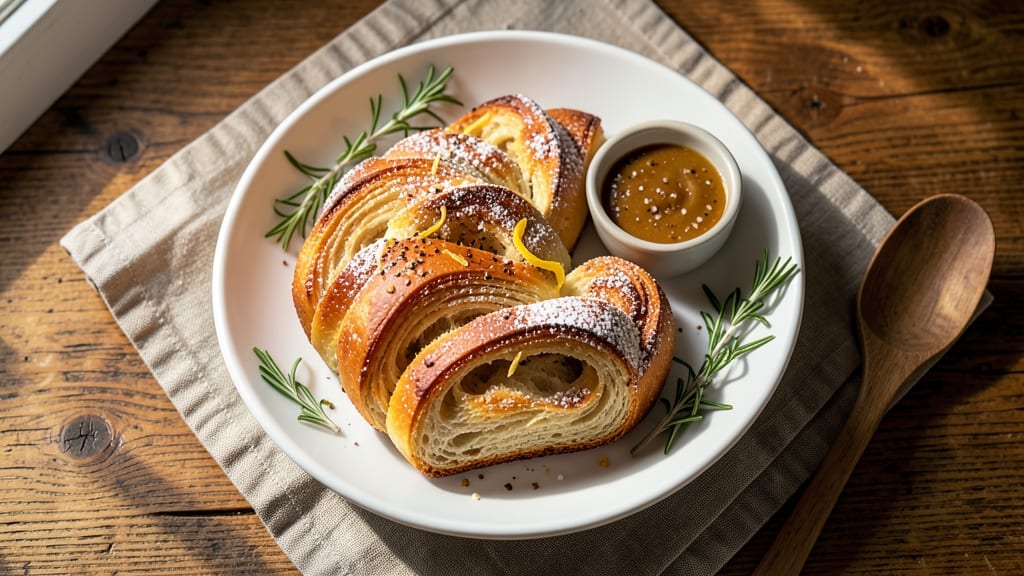
This accordion bread recipe delivers flaky layers that shatter with every bite—transforming simple dough into a showstopping side dish. The secret lies in precise dough handling and baking techniques that create those signature pleated layers.
I've perfected this method after years of baking, and it's become a staple at my dinner table. What makes this recipe special is the combination of a slightly sweet dough and the proper folding technique before baking.
The result is a bread with crispy, golden layers that separate effortlessly, revealing tender, pillowy centers. Unlike traditional braided breads, accordion bread's unique shape makes it visually stunning while remaining easy to prepare.
By the time you pull it from the oven, you'll have a bread that's both impressive and delicious—perfect for serving alongside soups, stews, or as a dramatic centerpiece for any meal. The process is simpler than it looks, and I'll walk you through every step to ensure success.
This recipe yields enough for 8-10 servings, making it ideal for gatherings or meal prep. Let's create this beautiful, flavorful bread that will have everyone asking for seconds.
Ingredients for accordion bread
Eight ingredients transform into a showstopping bread with crispy, golden layers you'll want to serve at every meal.
| Ingredient | Amount | Notes |
|---|---|---|
| All-Purpose Flour 🌾 | 4 cups | Sifted for light texture |
| Unsalted Butter 🧈 | ½ cup | Cold, cubed for folding |
| Granulated Sugar 🍚 | ¼ cup | Light brown for subtle sweetness |
| Instant Yeast 🍞 | 2 ¼ tsp | Ensures quick activation |
| Large Eggs 🥚 | 1 whole | Room temperature for mixing |
| Whole Milk 🥛 | ½ cup | Warmed for yeast activation |
| Salt 🧂 | 1 tsp | Kosher or sea salt |
| Vanilla Extract 🍯 | 1 tsp | Pure vanilla for aroma |
| Olive Oil 🫒 | 2 tbsp | For dough handling |
| Cornmeal 🌽 | ½ cup | For dusting work surface |
| Water 💧 | ¼ cup | For dough consistency |
| Baking Powder 🍞 | ½ tsp | For extra lift |
The butter is non-negotiable here—European-style unsalted butter gives the best flavor and texture. Grab a 1-pound block from Whole Foods or your local specialty store if you can, but regular supermarket butter works too. Keep it cold when folding into the dough—cut it into small cubes and let them sit in the fridge for 10 minutes before using. The flour matters too: King Arthur or Gold Medal brands are my go-to for consistent results. Sift it before measuring to avoid dense layers later. Vanilla extract? Pure Madagascar bourbon is worth the splurge if you're feeling fancy—it adds depth to the dough's sweetness.
No vanilla extract? 1/2 tsp vanilla sugar works in a pinch, though it won't have the same aroma. Short on milk? Warm water with 1 tsp sugar activates the yeast just fine. The dough needs to be firm but pliable—if it feels too sticky, add 1 tbsp more flour. For the pleating technique, olive oil on your hands prevents sticking. And if you're making this ahead? Shape the dough, wrap it tightly, and refrigerate overnight for even better flavor development.
This bread is best served fresh out of the oven, but leftovers reheat beautifully. Wrap cooled loaves in a clean kitchen towel and store at room temperature for 2 days. For longer storage, slice and freeze individual portions—toast straight from frozen for crispy layers. The dough can be made a day ahead, but the final shaping and baking should happen fresh. Trust me, the extra hour of rest makes all the difference in those signature pleats.
Why You'll Love This Recipe
- No-Knead Nightmare Solved: I swear by this dough—just mix, fold, and let it rise while I watch TV. No roller, no fuss, and the butter layers stay perfectly intact.
- Sweet Butter Magic: That sugar-butter combo in the dough? It’s like a hug for your taste buds—rich, slightly sweet, and buttery without being heavy. (Yes, even my kid who hates bread asks for seconds.)
- Weeknight & Holiday Star: Pack it for lunches, slice it for breakfast toasts, or serve it warm with jam at brunch. Same dough, endless uses—no last-minute scrambling.
- Budget Baking Win: Flour, butter, sugar, yeast—basic pantry staples that stretch into something fancy. Half the cost of store-bought, but way more impressive. (Leftovers? Freeze them—no waste.)
Step-by-step instructions for accordion bread
Here's how to create those irresistible flaky layers that make this bread so special.
Make the Dough and Let It Rest
In a large bowl, combine the 4 cups all-purpose flour, 2.25 tsp instant yeast, 1 tsp salt, and 0.25 cup granulated sugar. Mix until evenly distributed. In a separate bowl, whisk together the 1 whole large egg, 0.5 cup warm whole milk, 1 tsp vanilla extract, and 2 tbsp olive oil. Pour the wet ingredients into the dry and stir until a shaggy dough forms.
Turn the dough onto a lightly floured surface and knead for about 5 minutes until smooth and elastic. This step develops the gluten, which is crucial for those signature flaky layers. Shape the dough into a ball, place it back in the bowl, cover with a damp towel, and let it rest at room temperature for 1 hour. The dough should nearly double in size—this resting period relaxes the gluten and makes rolling easier later.
Divide and Roll the Dough
After the dough has rested, punch it down to release any air bubbles. Divide it into 3 equal pieces (about 1⅓ cups each). Roll each piece into a 12-inch circle on a surface dusted with 0.5 cup cornmeal. The cornmeal prevents sticking and adds a subtle flavor. Keep the circles separate and cover them with a damp towel to prevent drying.
Here's where the magic happens: Take one of the rolled circles and spread 1 tbsp unsalted butter evenly over the surface, leaving a ½-inch border uncovered. Fold the edges toward the center to create a neat package, then roll it out again into a 12-inch circle. Repeat this process two more times with the remaining butter and dough pieces. This layering technique creates the signature flaky texture.
Stack and Shape the Dough
Place one of the butter-rolled circles on a clean surface. Top it with another rolled circle, then the last one. Press the edges gently to seal them together, creating a single, thick rectangle. Now, fold the dough like an accordion: Fold the top third down, then fold the bottom third up to meet it. This creates three layers. Fold the entire rectangle in half like a letter, then fold it in half again to form a compact square.
Place the folded dough on a parchment-lined baking sheet, seam-side down. Cover it with a damp towel and let it rest for 30 minutes at room temperature. This final rest ensures the layers hold their shape during baking. Preheat your oven to 375°F while the dough rests—this ensures it goes in hot and bakes evenly.
Bake Until Golden and Flaky
Bake the accordion bread for 25-30 minutes until it's golden brown and sounds hollow when tapped on the bottom. The layers should be visible through the slits, and the bread should pull away slightly from the edges of the pan. If the top browns too quickly, tent it loosely with foil to prevent over-browning while the center finishes baking.
Remove the bread from the oven and let it cool on a wire rack for 10 minutes before slicing. The layers should separate effortlessly, revealing those crisp, buttery flakes. Serve warm for the best texture—this bread is perfect with soups, stews, or simply slathered with butter. The secret to success? Patience in the layering and letting the dough rest at every stage.
Pro Tips For Making Accordion Bread
- Chill the Dough: After mixing, let the dough sit in the fridge for at least 2 hours—yes, even if you’re eager to fold. I learned this the hard way when my first batch collapsed under its own weight during folding. Cold dough handles better and gives you those crisp, defined layers instead of a sad, flat mess.
- Cut Butter Precisely: Use a bench scraper to slice the cold butter into 1-inch cubes—no guessing. I used to eyeball it, and the butter would melt unevenly, turning my layers into a greasy blob instead of the flaky, crisp accordion you want. Precision here makes all the difference.
- Fold Once, Rest Twice: After your first fold, let the dough rest 30 minutes before the second fold—no rushing. I skipped this once and ended up with a dense, chewy loaf instead of the light, airy texture you’re after. Patience here guarantees those signature crisp layers.
- Brush with Sugar: Before baking, brush the top with a thin layer of melted butter mixed with a little sugar—about 1 tablespoon each. This isn’t just for looks; it caramelizes into a glossy, sweet crust that keeps the bread from drying out. (I know, it’s an extra step, but trust me on this one.)
Flavor customization for this recipe
Sweet vs Savory
Start with the base dough but customize the flavor profile to suit your meal. For a sweet version, replace the ½ cup granulated sugar with ¾ cup brown sugar and add 1 tsp cinnamon to the dough.
Brush the baked bread with a mix of 2 tbsp melted butter and 2 tbsp maple syrup for a caramelized finish. This works beautifully alongside breakfast dishes or as a dessert bread.
For a savory twist, reduce the sugar to ¼ cup and add 1 tsp dried rosemary or ½ tsp garlic powder to the dough. After baking, drizzle with olive oil and sprinkle with flaky sea salt for a Mediterranean-inspired bread.
This pairs perfectly with hearty soups or charcuterie boards. 🌿
Herb Infusions
Elevate the dough with fresh herbs for an aromatic boost. Finely chop 2 tbsp fresh parsley or 1 tbsp fresh thyme leaves and fold them into the dough after mixing the wet ingredients. The herbs will infuse the bread with bright, fresh notes that complement the buttery layers. For a stronger flavor, use 1 tbsp dried herbs instead—just
For a
Cheese Variations
Add ½ cup shredded cheddar or ½ cup grated Parmesan to the dough for a cheesy accordion bread. The cheese melts during baking, creating pockets of gooey goodness between the flaky layers.
For a smoky flavor, use ½ cup smoked gouda—the depth of flavor pairs wonderfully with hearty stews or roasted meats.
For a creamy finish, sprinkle ¼ cup ricotta cheese over the folded dough before baking. The ricotta will create tender, moist pockets that contrast beautifully with the crispy layers. This variation is a crowd-pleaser at holiday gatherings or family dinners. 🧀
Spiced Options
Infuse warmth into your accordion bread with spices like ½ tsp pumpkin pie spice or ½ tsp chai spice blend. These combinations add layers of complexity—cinnamon, nutmeg, ginger, and cardamom work together to create a cozy, aromatic bread.
The spices blend seamlessly into the dough, enhancing every bite without overpowering the buttery layers.
For a winter spice version, add ½ tsp ground cloves and ½ tsp allspice** to the dough. These bold spices create a bread that feels festive and inviting, perfect for serving during the colder months. Pair it with spiced apples or cranberry sauce for a seasonal centerpiece. ❄️
Nutrition facts
Frequently asked questions about accordion bread
Why does accordion bread have so many layers?
The signature layers come from the folding technique! You roll out each dough piece, spread butter, fold it into thirds, then stack and fold again. This creates multiple crispy, buttery layers that shatter when sliced. The key is patience—each fold builds the texture.
Can I make this bread without a stand mixer?
This recipe only requires 5 minutes of hand-kneading—no mixer needed. Just use a lightly floured surface and knead until smooth. The dough's texture comes from proper folding, not mixing power. For best results, keep your hands oiled to prevent sticking.
What if my dough feels too sticky?
Add 1 tablespoon flour at a time until the dough is pliable but not dry. If it's too sticky after kneading, let it rest 10 minutes covered—the gluten will relax and make handling easier. Never over-flour or the layers won't be as crispy.
How do I store accordion bread?
Keep it wrapped in a clean kitchen towel at room temperature for 2 days. For longer storage, slice and freeze portions—toast straight from frozen for crispy layers. Avoid plastic wrap, which traps moisture and makes layers soggy.
Can I add fillings like cheese or jam?
Yes! For cheese, sprinkle ½ cup shredded cheddar between layers before final folding. For jam, brush 2 tablespoons apricot jam on each dough circle before rolling. Just don't overfill—1 tablespoon per layer max to prevent bursting during baking.