
Beverages
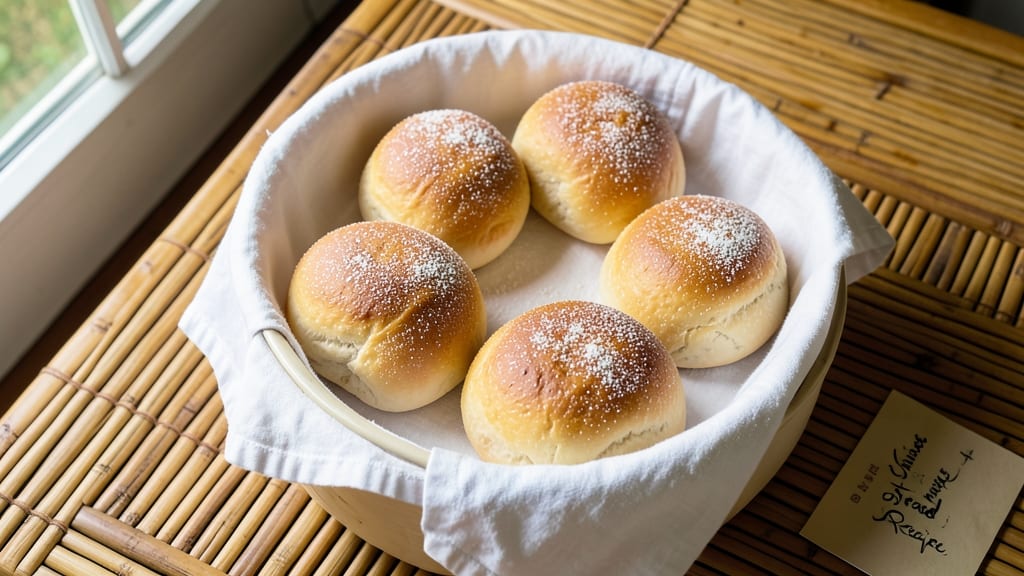
Mastering Chinese steamed bread without yeast is simpler than you think, and this recipe delivers pillowy softness that rivals traditional methods. The secret lies in baking soda and a precise dough preparation technique that creates air pockets without fermentation.
I developed this version after years of experimenting with different leavening agents, and it consistently produces bread that's light, fluffy, and perfectly steamed every time.
What sets this recipe apart is the no-yeast approach, which means no waiting for dough to rise—just mix, shape, and steam. The dough requires only basic pantry ingredients: all-purpose flour, baking soda, sugar, and oil, making it accessible for home bakers.
Steaming time is critical, and I'll walk you through the exact method to achieve that signature tender crumb and slightly crispy exterior.
By the end, you'll have steamed bread that's cloud-soft inside with a delicate, slightly chewy texture—ideal for soaking up soups or pairing with savory dishes. The process is foolproof, and the results are restaurant-quality without the complexity.
Whether you're serving a family meal or preparing for a gathering, this recipe delivers professional results in under an hour.
Optional fillings like red bean paste or lotus paste can be added for variety, but the basic version is equally satisfying. Let's get started on creating these delicate, aromatic steamed breads that taste like a taste of home.
Ingredients for chinese steamed bread
Six essential ingredients transform into restaurant-quality steamed bread without yeast or waiting.
| Ingredient | Amount | Notes |
|---|---|---|
| All-Purpose Flour 🌾 | 3 cups | Sifted for optimal aeration |
| Baking Soda 🧂 | 1 ½ tsp | Pure, fine-grained preferred |
| Granulated Sugar 🍚 | ¼ cup | White or light brown |
| Vegetable Oil 🫒 | ½ cup | Light or neutral flavor |
| Warm Water 💧 | 1 ¼ cups | 110°F for ideal activation |
| Salt 🧂 | ½ tsp | Diamond Crystal kosher |
| Sesame Seeds 🌰 | 2 tbsp | Toasted for aroma |
| Cornstarch 🌾 | 1 tbsp | For dusting steamer basket |
| Red Bean Paste 🍡 | ½ cup | Optional filling (optional) |
| Lotus Paste 🌸 | ½ cup | Alternative filling (optional) |
The flour choice is non-negotiable here—King Arthur or Gold Medal brands yield the best texture due to their high protein content. Bulk bins at specialty stores often carry premium options, but standard grocery store all-purpose works fine. Baking soda must be fresh: if it's over six months old, the leavening power weakens significantly. For the oil, light vegetable or canola prevents overpowering the delicate flavor. Warm water is critical—too hot and it kills the baking soda's lift, too cold and it doesn't activate properly. I always use a thermometer to hit 110°F precisely.
No sesame seeds? Toasted poppy seeds or white sesame work equally well, though the flavor profile shifts slightly. The fillings are completely optional, but if using, store-bought red bean paste from Asian markets delivers superior texture compared to jarred versions. For substitution, lotus paste can be swapped with sweetened black sesame paste at a 1:1 ratio. The cornstarch isn't just for dusting—it creates that signature crisp exterior when steamed. If unavailable, arrowroot powder works in a pinch, though texture may vary slightly.
Store the dry ingredients in airtight containers for up to 3 months, while fillings keep for 6 months refrigerated or 12 months frozen. The dough itself can be prepped a day ahead and refrigerated, though it's best used within 24 hours for optimal texture. For large gatherings, I triple the batch and freeze shaped dough balls on a tray before transferring to bags—steam straight from frozen, adding 5 minutes to cooking time.
Why You'll Love This Recipe
- No Steam Basket Needed: I’ll be real—this version skips the fancy steamer and uses a colander over a pot. The baking soda lifts those buns high and fluffy without any special equipment. That first bite? Still airy and light, just like the real deal.
- Sweet-Savory Flex: The touch of sugar in the dough gives it a subtle caramel note when steamed, but it’s not cloying—just enough to balance savory fillings like pork or pickled veggies. Honestly, I’ve stuffed them with everything from scrambled eggs to leftover roast chicken, and they never let me down.
- Meal Prep MVP: These keep perfectly for 3 days in the fridge, and reheating is a breeze—just pop them in a steamer basket for 5 minutes. I make a double batch on Sundays because they’re my go-to for lunchboxes, quick breakfasts, or even a snack when my kids’ friends come over.
- Pantry Staple Magic: Five ingredients, zero substitutions needed. The oil keeps them tender, the baking soda does the rising work, and flour? Always on hand. Between us, this is the kind of recipe that turns a $2 bag of flour into something that feels like a treat—no fancy ingredients required.
Step-by-step instructions for Chinese steamed bread
Master this technique for light, airy steamed bread without yeast—every texture detail matters.
Prepare the Dough Base
In a large mixing bowl, combine the 3 cups all-purpose flour and 1.5 teaspoons baking soda. Sift together for optimal aeration—this creates a lighter crumb. Add the 0.25 cup granulated sugar, 0.5 cup vegetable oil, 0.5 teaspoon salt, and mix until the dry ingredients are evenly distributed.
Create a well in the center and gradually pour in the 1.25 cups warm water (about 110°F). Use a wooden spoon or silicone spatula to gently fold the ingredients together until a shaggy dough forms. Avoid overmixing at this stage—you want to preserve the delicate gluten structure that baking soda will activate during steaming.
Once the dough comes together, turn it out onto a lightly floured surface. Knead gently for 2-3 minutes until smooth but still slightly tacky. The dough should feel soft and pliable—this texture ensures maximum steam penetration during cooking. Cover with a damp towel and let rest for 15 minutes at room temperature.
Shape and Fill the Dough
Divide the rested dough into 6 equal portions (about 6 ounces each). Roll each portion into a smooth ball, then flatten slightly into a 4-inch diameter circle. Using your thumb, press a 1-inch deep well in the center of each circle—this creates space for the filling.
For the filling, choose either 0.5 cup red bean paste or 0.5 cup lotus paste (or divide between both). Spoon 1 tablespoon of filling into each dough circle, then carefully seal the edges by pinching them together. Roll the filled dough between your palms to form a smooth, sealed ball—this prevents filling leakage during steaming.
Place the sealed dough balls on a parchment-lined baking sheet, cover with a damp towel, and let rest for 10 minutes. This final rest ensures the dough maintains its shape during the high-heat steaming process. The surface should feel slightly tacky but not sticky.
Steam to Pillowy Perfection
Prepare your steamer by lining the basket with a damp cloth, then dusting with 1 tablespoon cornstarch to prevent sticking. Bring 2 inches of water to a rolling boil in the pot below. Once boiling, add the dough balls to the steamer basket in a single layer, leaving ½ inch between each.
Cover with a tight-fitting lid and steam over medium-high heat for 15 minutes. You'll know they're ready when the bread develops a golden-brown hue at the seams and emits a faint, sweet aroma. The internal temperature should reach 190°F—this ensures the baking soda has fully activated for that signature lightness.
Remove the steamed bread from the steamer and transfer to a wire rack. Brush the tops with a light coating of warm water (using a pastry brush) and sprinkle with 2 tablespoons toasted sesame seeds immediately. Serve warm or at room temperature for the best texture contrast.
Pro Tips For Making Chinese Steamed Bread
- STEAM AT FULL BOIL: After years of soggy bottoms and uneven rises, I learned this: your steamer basket must sit directly over boiling water—no gaps, no peeking. If the steam isn’t thick and billowing like a sauna, your bread will turn out dense and pale. And for heaven’s sake, don’t cover it until the water’s actually boiling—wait for those big, angry bubbles.
- WEIGH YOUR FLOUR: I used to eyeball it, and my bread would either collapse or taste like cardboard. This recipe demands precision: use a kitchen scale for the flour (about 500g for a standard batch). Pack it lightly into the cup—don’t press down—and level it off. That tiny difference in volume makes a real difference in texture. (Yes, even if you’re impatient like me.)
- SKIP THE OVER-KNEADING: I was convinced more kneading = better rise, but I kept ending up with tough, chewy bread. For this recipe, stop when the dough springs back slowly when poked—about 8-10 minutes by hand. Overwork it, and the gluten tightens up, stealing all the air you’re trying to trap. Less effort here = lighter, fluffier results.
- REST THE DOUGH TWICE: First, let it rise in the bowl until puffy (about 1-2 hours). Then, punch it down and shape it immediately—but here’s the catch: after shaping, give the balls another 20-minute rest before steaming. This second rise ensures they expand evenly in the steamer. I know, I know, it’s an extra step, but it’s the thing that guarantees those perfect, airy pockets. (Your future self will thank you.)
Flavor customization for this chinese steamed bread
Sweet Variations
Transform your steamed bread into a dessert with red bean paste or lotus paste—classic fillings that add natural sweetness and texture. For a modern twist, try black sesame paste (2 tbsp per bread) mixed with 1 tsp honey for a nutty-sweet flavor.
I've also had success with matcha powder (1 tsp) folded into the dough before shaping for a vibrant green tea flavor that pairs beautifully with white chocolate shavings on top. 🌸
Savory Adaptations
Swap sweet fillings for savory options like pork and chive (2 tbsp finely chopped pork + 1 tsp chives per bread) or spicy chili oil (1 tsp mixed into the dough).
For a vegetarian version, stuff with miso paste (1 tbsp) and shredded nori—this umami-rich combo elevates the bread to dim sum level. I love adding pickled ginger slices on the side to cut through the richness. 🌶️
Herbal Infusions
Elevate your dough with herbal notes by adding 1 tbsp finely chopped fresh herbs (mint, cilantro, or basil) to the dough mixture. For a floral twist, infuse the warm water with 1 tsp rosewater or orange blossom water before mixing—this imparts a delicate aroma without overpowering.
I also experiment with lavender buds (1 tsp steeped in the warm water) for a subtle, aromatic depth. 💫
Crunchy Toppings
Beyond sesame seeds, get creative with toppings. Try crushed peanuts for a nutty crunch or toasted coconut flakes for a tropical vibe. For a savory-sweet contrast, sprinkle crushed pistachios mixed with flaky sea salt right after steaming.
I’ve also seen stunning results with edible gold leaf for special occasions—it adds a luxurious touch without altering the flavor. ✨
Global Twists
Give your steamed bread a fusion flair by incorporating global flavors. For a Mexican-inspired version, add 1 tsp cumin and ½ tsp smoked paprika to the dough, then top with chili-lime salt.
A Japanese-inspired take uses matcha dough filled with red bean paste and dusted with kinako (roasted soybean flour). These adaptations keep the signature texture while introducing exciting new profiles. 🗺️
Nutrition facts
Frequently asked questions
Can I make this steamed bread without a steamer?
Yes! Use a bamboo or metal steamer basket that fits over a large pot with 2 inches of boiling water. If you don't have one, a lasagna pan or oven-safe dish with a tight lid works too—just add water to the bottom and steam at 350°F for 20-25 minutes. The key is keeping the bread elevated above the water to prevent sogginess.
Why did my steamed bread turn out dense instead of pillowy?
This usually happens from overmixing the dough or using cold water. The baking soda needs warm water (110°F) to activate properly—cold water slows the reaction. Also, knead gently for just 2-3 minutes; overworking develops too much gluten. Let the dough rest fully before shaping, and ensure your steamer has enough steam (no gaps in the lid).
How long can I store leftover steamed bread?
Store in an airtight container at room temperature for 2 days or refrigerate for up to 5 days. For longer storage, freeze shaped (unsteamed) dough balls for 3 months or steamed bread for 2 months. Reheat steamed bread in a 350°F oven for 5-10 minutes to restore softness.
Can I substitute baking soda with baking powder?
No—baking powder requires acid (like buttermilk) to activate, which this recipe lacks. Baking soda works here because the dough's alkalinity reacts with the steam's moisture. If you must substitute, use 1.5 tsp baking powder + 1 tsp vinegar mixed into the dough, but results may vary. The texture won't be as light without baking soda's direct reaction with water.
What’s the best way to reheat steamed bread?
For microwave reheating, wrap bread in a damp paper towel and heat for 10-15 seconds (too long makes it gummy). For the oven method, wrap in foil and bake at 300°F for 5-8 minutes. The steamer method works best: place bread in the steamer basket over 1 inch of boiling water for 3-5 minutes until warmed through.