
Side Dishes
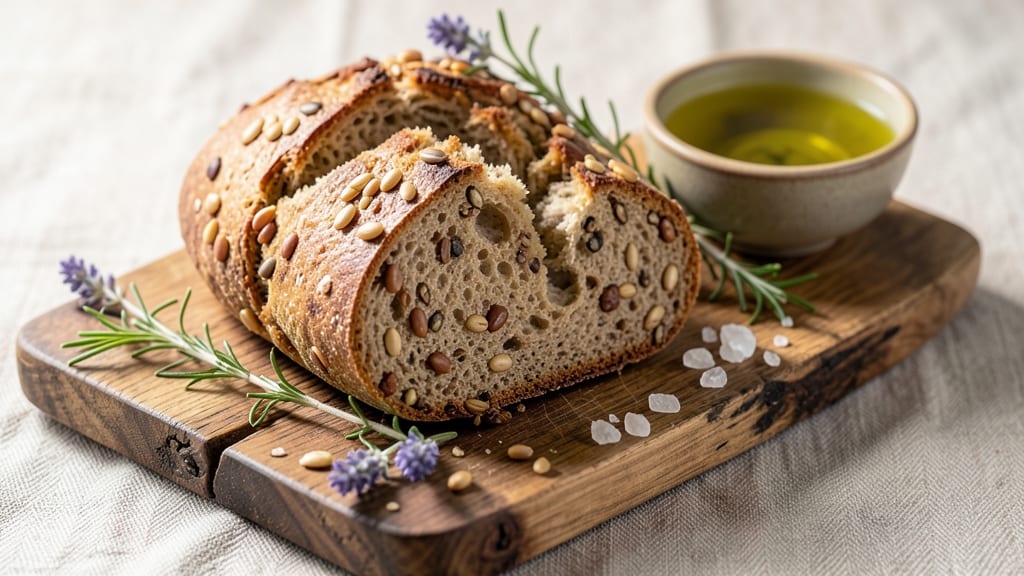
This Essene bread recipe brings an ancient whole grain loaf to life with its distinctive nutty depth and minimalist preparation—perfect for those seeking a vegan, historically inspired side dish. 🌟 The Essenes, an ancient Jewish sect, relied on this simple yet nourishing bread, and its traditional method of mixing whole grains with water or olive oil creates a dense, flavorful texture that stands up to any meal.
What sets this recipe apart is its simplicity: just a handful of whole grains—typically wheat, barley, and sometimes rye or spelt—ground and combined with water or olive oil to form a dough.
The lack of yeast means no waiting for fermentation, making it a quick yet satisfying option for weeknight dinners or historical reenactments alike.
Baking Essene bread requires patience and precision—rolling or pressing the dough into thin, even layers before baking at high heat ensures a crisp exterior and tender interior. The result is a hearty, nutty loaf with a satisfying chew, rich in fiber and protein, and entirely free from modern additives.
Whether you're drawn to its historical roots or simply love the taste of whole grains, this bread pairs beautifully with soups, stews, or even as a base for open-faced sandwiches. Let’s bring this ancient tradition to your kitchen with a modern, vegan twist.
Ingredients for essene bread
Ancient grains meet modern simplicity—just seven ingredients for a bread with historical roots.
| Ingredient | Amount | Notes |
|---|---|---|
| Whole Grain Wheat Berries 🌾 | 2 cups | Uncooked, organic preferred |
| Whole Grain Barley 🌾 | 1 cup | Pearled or whole grain |
| Whole Spelt Berries 🌾 | ½ cup | Uncooked, optional for depth |
| Extra-Virgin Olive Oil 🫒 | ¼ cup | Cold-pressed, fruity flavor |
| Filtered Water 💧 | 1 ½ cups | Room temperature preferred |
| Sea Salt 🧂 | 1 ½ tsp | Fine grain, uniodized |
| Ground Flaxseed 🌿 | 1 tbsp | For binding, optional |
| Sesame Seeds 🥜 | 1 tbsp | Toasted for crunch |
| Fresh Rosemary 🌿 | 1 tsp | Finely chopped, optional |
The grains are the heart of this bread, so opt for organic, whole berries if possible. Bob's Red Mill or Trader Joe's carry excellent whole grain wheat, barley, and spelt berries—just ensure they're uncooked. If you can't find spelt, rye berries work beautifully too. The olive oil should be extra-virgin and fruity—avoid the cheap, heavily processed varieties that lack flavor. For the water, room temperature ensures the dough comes together smoothly without activating gluten like cold water might.
No flaxseed? Chia seeds at double the amount work perfectly as a binder. Running short on sesame seeds? Sunflower or pumpkin seeds add a different but equally satisfying crunch. Fresh rosemary is ideal, but dried at one-third the amount works in a pinch. If you're using pre-ground flours, add an extra tablespoon of water since they absorb differently than whole berries. For a nutty boost, toast the grains lightly in a dry pan before grinding—10 minutes at 350°F enhances their natural flavors.
This dough doesn't need to rest, so you can bake it immediately after mixing. Store the baked loaf in an airtight container at room temperature for 3-4 days or freeze for up to 3 months. For extra crispiness, reheat slices in a toaster or 350°F oven for 5 minutes. The bread keeps best in a bread box or wrapped in a towel to maintain moisture. Portion into individual slices and freeze for easy grab-and-go meals.
Why You'll Love This Recipe
- No Soak, No Stress: I’ll be real—this bread requires zero fancy prep. Just toss the wheat berries, barley, and spelt into a bowl with olive oil and water, let them sit overnight (or even just 4 hours if you’re in a rush), then bake. That’s it. No kneading, no proofing drama—just straightforward, honest baking.
- Earthy, Nutty Magic: Between us, the flavor is what keeps me coming back. The wheat berries add a deep, toasty crunch, the barley brings a chewy bite, and the spelt? It’s got this subtle sweetness that makes every slice feel like a little reward. Drizzle it with olive oil straight from the oven, and you’ve got a flavor bomb.
- Meal Prep MVP: This bread stays fresh for days—no sad, stale loaves here. I slice it up and store it in the fridge, then toast portions as needed. Perfect for breakfast, lunch, or even as a side for dinner. Honestly, it’s my go-to for busy mornings when I need something hearty but don’t have time to fuss.
- Budget-Friendly Staple: Whole grains are cheap, and this recipe stretches them far. A single batch feeds my family for days, and the ingredients won’t break the bank. Plus, the olive oil adds richness without needing butter or fancy add-ins. It’s the kind of bread that makes grocery shopping feel like a win.
Step-by-step instructions for ancient whole grain loaf
Here's the method—simple yet transformative for creating this ancient grain masterpiece.
👨🍳 Step 1: Combine Grains and Soak Overnight
In a large mixing bowl, combine the 2 cups whole grain wheat berries, 1 cup whole grain barley, and 0.5 cup whole spelt berries. Add the 1 tbsp ground flaxseed and 1.5 tsp sea salt, mixing gently to distribute evenly. This creates the foundational texture for your loaf.
Pour in the 1.5 cups filtered water and 0.25 cup extra-virgin olive oil, then stir until all grains are saturated. The mixture should look like a thick, wet porridge. Cover the bowl with a damp towel or plastic wrap and let it soak at room temperature for 12-14 hours. This overnight soaking ensures the grains soften properly and develop their nutty flavors.
Here's the thing—don't skip the soaking. Rushing this step results in dense, chewy bread instead of the light, airy crumb you're after. The grains should absorb the liquid completely, becoming plump and tender to the touch.
🍳 Step 2: Toast the Grains for Depth
After soaking, transfer the mixture to a heavy-bottomed skillet or Dutch oven. Cook over medium-low heat for 15-20 minutes, stirring frequently with a wooden spoon. You'll notice the grains begin to caramelize, releasing their natural oils and creating a rich, toasty aroma.
Watch for the edges to develop a light golden brown color—that's your signal they're properly toasted. This step enhances the bread's flavor profile and prevents a gummy texture. If the mixture starts to stick, add 1-2 tablespoons of filtered water to loosen it.
Real talk: This is where the magic happens. The toasted grains form the backbone of your loaf's texture and flavor—don't rush it. The mixture should be thick but still spoonable when complete.
🥘 Step 3: Add Rosemary and Shape the Loaf
Remove the skillet from heat and let the mixture cool for 5 minutes. Stir in the 1 tsp finely chopped fresh rosemary and 1 tbsp toasted sesame seeds, mixing until evenly distributed. The rosemary adds a bright herbal note that complements the nutty grains, while the sesame seeds contribute a delightful crunch.
Line a loaf pan with parchment paper, leaving an overhang on both sides for easy removal. Transfer the cooled mixture to the prepared pan and press it down firmly, creating an even surface. The dough will be sticky—use a damp spatula to help shape it neatly. Cover with a damp towel and let it rest for 30 minutes at room temperature.
This resting period allows the grains to relax and the mixture to firm up slightly, making it easier to handle when baking. Don't skip this step—it prevents the loaf from collapsing in the oven.
🔥 Step 4: Bake to Golden Perfection
Preheat your oven to 350°F. Bake the loaf for 45-50 minutes, until the top is deep golden brown and a toothpick inserted in the center comes out clean. The bread should have a crisp crust and a tender, moist interior.
Your oven might run hot, so start checking at the 40-minute mark. If the top browns too quickly, tent the loaf with aluminum foil to prevent over-browning while it continues cooking inside. The internal temperature should reach 205-210°F for perfect doneness.
This is the moment that matters: The bread should have a beautiful, crackly crust with a warm, inviting aroma. If it sounds hollow when tapped on the bottom, it's ready. Remove from the oven and let it cool in the pan for 10 minutes before transferring to a wire rack.
Pro Tips For Making Essene Bread
- SOAK GRAINS 12 HOURS: I learned this the hard way—skipping the overnight soak just makes the grains chewier and less digestible. Use filtered water and cover loosely (grains expand), then drain and rinse thoroughly before mixing with olive oil.
- CRUSH HALF THE BERRIES: Sounds weird, but it works: crush about 30% of the wheat and spelt berries with a rolling pin before mixing. This shortens the hydration time and gives you that satisfying, rustic crumb without overworking the dough.
- STEAM THE BREAD: Don’t bake it dry—place a tray of boiling water in the oven for the first 10 minutes. The steam keeps the crust from hardening too fast, letting the barley and spelt develop their nutty flavor instead of burning.
- USE COLD-OILED HANDS: After kneading the wet mix, wet your hands and coat them in olive oil before shaping. The grains stick like glue otherwise, and you’ll end up with a lumpy loaf—or worse, a hand covered in sticky wheat paste.
Flavor customization for essene bread
Herbal Infusions
Elevate your Essene bread with aromatic herbs that complement its nutty base. Add 1 tsp dried thyme or 1 tbsp fresh thyme leaves during the toasting step for an earthy depth. I also love ½ tsp ground coriander—it brightens the grain flavors beautifully.
For a Middle Eastern twist, mix in 1 tsp ground cumin and ½ tsp smoked paprika during the shaping phase. These herbs infuse the bread with complex layers of flavor while keeping it entirely plant-based. 🌿
Sweet Variations
Transform this savory loaf into a lightly sweetened treat by adding 2 tbsp maple syrup or 1 tbsp honey to the soaked grains. For a vegan option, use maple syrup and fold in ½ cup chopped dates or figs during the shaping step.
The natural sweetness pairs perfectly with the bread's nutty undertones, making it ideal for breakfast or dessert. I recommend toasting the dried fruit first to intensify its flavor. 🍯
Seed and Nut Enhancements
Boost protein and texture with ¼ cup chopped walnuts or almonds toasted in the skillet alongside the grains. For extra crunch, sprinkle 2 tbsp pumpkin seeds on top before baking. I also like adding 1 tbsp chia seeds to the soaked mixture—they absorb moisture and add a subtle tang.
These additions create a satisfying contrast to the bread's tender interior while keeping it gluten-free if needed. 🌰
Olive Oil vs. Water
The traditional ratio of 1 part olive oil to 3 parts water creates a moist, dense loaf, but you can experiment. For a lighter texture, increase water to 2 cups and reduce olive oil to 2 tbsp.
Conversely, for extra richness, use ⅓ cup olive oil and 1 cup water. I find the oil-to-water balance directly impacts the bread's crumb—more oil yields a softer, almost cake-like texture, while more water keeps it rustic and chewy. 🫒
Spiced Variations
Add warmth with ½ tsp cinnamon and ¼ tsp cardamom during the soaking phase for a Middle Eastern-inspired twist. For a smoky profile, incorporate ½ tsp liquid smoke (vegan-friendly) into the cooled mixture before shaping.
I’ve also experimented with 1 tsp ground ginger, which adds a subtle kick that pairs wonderfully with savory toppings. These spices transform the bread into a versatile side for both sweet and savory dishes. 🌶️
Crust Techniques
Achieve a crispier crust by brushing the baked loaf with 1 tbsp melted coconut oil or olive oil before removing it from the oven. For a crackly texture, bake on a preheated baking stone at 375°F for the final 10 minutes.
I also recommend scoring the top with a sharp knife in a crosshatch pattern before baking—this creates dramatic cracks and prevents over-expansion. These techniques elevate the bread's visual appeal and texture. 🔥
Nutrition facts
Frequently asked questions
Why does Essene bread require overnight soaking?
The overnight soak is essential to soften the whole grains and activate their natural enzymes, which develop the bread's signature nutty depth. Skipping this step results in a dense, chewy texture rather than the tender crumb you're after. Think of it as a flavor infusion—just like steeping tea, patience pays off with richer taste.
Can I make this bread without a loaf pan?
Shape the dough into a flat round (like a focaccia) and bake on a parchment-lined baking sheet at 375°F for 30-35 minutes. For extra crispiness, brush with olive oil after baking. This traditional method creates a rustic, open-faced loaf perfect for dipping or topping.
What's the best way to store leftover Essene bread?
Wrap cooled slices in beeswax paper or keep the whole loaf in an airtight container at room temperature for 3-4 days. For longer storage, freeze slices individually for up to 3 months. To revive stale bread, warm slices in a 350°F oven for 5 minutes or toast until crispy.
Why does my Essene bread taste bland?
Blandness usually means insufficient flavor development. Try toasting the grains longer (20-25 minutes) for deeper caramelization, or add more herbs/spices during shaping. The olive oil quality matters too—use extra-virgin with fruity notes. For extra depth, sprinkle toasted sesame seeds on top before baking.
Is Essene bread gluten-free?
Traditional Essene bread contains gluten from wheat and barley, but you can make a gluten-free version by substituting certified gluten-free whole grains like sorghum or millet. The texture will be slightly different—expect a denser crumb—but the nutty flavor remains. Always check grain labels for cross-contamination warnings.