
Main Courses
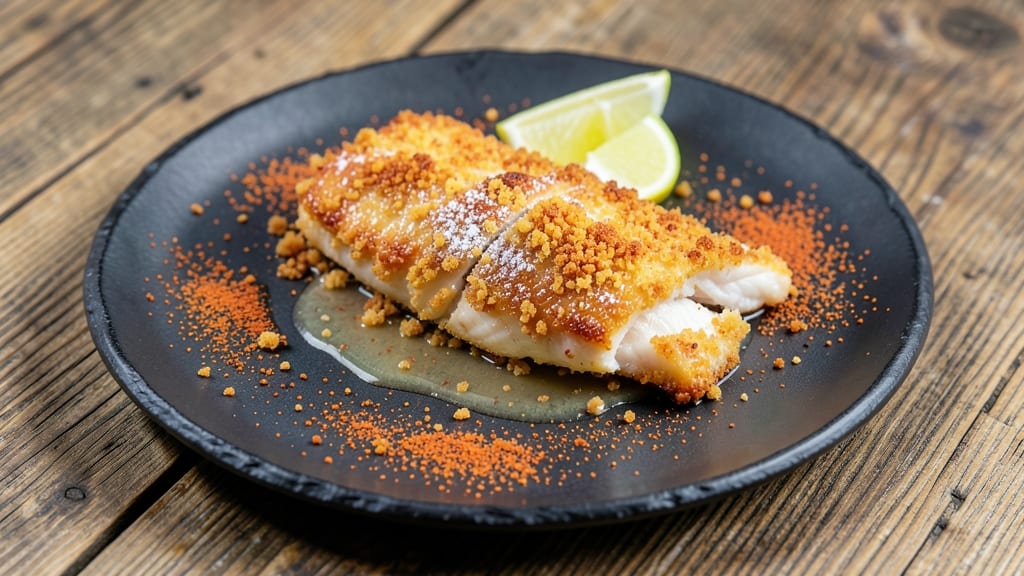
Mastering the perfect fish fry breading recipe transforms simple fillets into golden, triple-layered crunch that stays crispy for every bite. The secret lies in a precise technique—pounding the fish evenly, using a dry flour base, and building layers of seasoned breadcrumbs and cornmeal for that signature texture.
After years of testing different methods, I've found the combination that delivers restaurant-quality results at home, with a balance of saltiness, crunch, and tender fish underneath.
This method works with any white fish fillet—cod, haddred, or tilapia—but the key is preparation. Start by patting the fish completely dry, then pound it to an even thickness for perfect cooking.
The triple-layer breading begins with a light flour coating, followed by seasoned breadcrumbs, and finishes with crushed cornflakes or cornmeal for that extra crunch. Frying in hot oil at the right temperature ensures the breading stays crispy, not soggy, while the fish cooks through evenly.
What you'll end up with is a plate of golden-brown fish fillets with a shatteringly crisp exterior and tender, flaky interior. The breading stays crunchy even after resting, and the seasoning—salt, pepper, paprika, and a touch of cayenne—adds just the right kick.
Serve with classic sides like tartar sauce, lemon wedges, and crispy shoestring potatoes for the full experience. This recipe delivers professional results without requiring any special equipment.
For those with dietary restrictions, you can easily adapt this recipe by using gluten-free breadcrumbs and cornmeal. The technique remains the same, ensuring crispiness while accommodating different needs.
Whether you're serving this as a main course for a family dinner or bringing it to a gathering, the triple-layer crunch will be the star of the meal. Let's get started on creating your perfect fish fry.
Ingredients for fish fry breading
The secret to triple-layer crunch lies in these 12 simple ingredients—flour, crunchy breadcrumbs, and the perfect seasoning blend.
| Ingredient | Amount | Notes |
|---|---|---|
| White Fish Fillets 🐟 | 1 ½ lb | Cod, haddock, or tilapia preferred |
| All-Purpose Flour 🌾 | ½ cup | For first breading layer |
| Panko Breadcrumbs 🍞 | 1 cup | Japanese-style for extra crunch |
| Fine Cornmeal 🌽 | ¼ cup | For final crispy layer |
| Granulated Garlic Powder 🧄 | 1 tbsp | Freshly ground preferred |
| Paprika 🌶️ | 1 tbsp | Smoked or sweet variety |
| Ground Black Pepper 🌶️ | ½ tsp | Freshly cracked for best flavor |
| Cayenne Pepper 🔥 | ¼ tsp | Adjust for heat preference |
| Kosher Salt 🧂 | 1 tsp | Coarse grain preferred |
| Vegetable Oil 🫒 | 2 cups | High smoke point for frying |
| Lemon Wedges 🍋 | 4 whole | For serving |
| Tartar Sauce 🥣 | ½ cup | Store-bought or homemade |
The fish is the star, so pick fillets with even thickness—they cook faster and stay crispier. Wild-caught cod from the seafood counter at Whole Foods or Trader Joe's gives the best texture, but frozen works too if you thaw it properly. Pounding the fillets to an even 1/2-inch thickness is non-negotiable—use a meat mallet or rolling pin for consistent results. Look for fillets with minimal pin bones, especially if you're feeding kids or picky eaters. The triple-layer breading starts with a light flour dusting—don't skip this step, or the crumbs won't stick. For gluten-free, swap panko for crushed cornflakes or gluten-free breadcrumbs.
No panko? Regular breadcrumbs plus a pinch of cornstarch works in a pinch—just toast them in a dry pan first for extra crunch. Smoked paprika adds depth, but regular paprika plus a dash of liquid smoke gets you close. The cayenne is optional, but it's what gives that signature kick. Trader Joe's has the best pre-mixed seasoning blends if you want to shortcut, but I always make my own—it's just 4 spices, and you'll use it up fast. For the oil, vegetable or canola oil are your best bets—they stay stable at high heat. Avoid olive oil, even extra-virgin, or your breading will turn to soup. The lemon wedges? Meyer lemons if you can find them—they're sweeter and brighter.
This breading stays crispy for 20-30 minutes after frying, but serve it immediately for maximum crunch. Store leftovers in the fridge for up to 2 days, but reheat in the oven—microwaving kills the crunch. I always make extra breading mix and store it in a sealed container for up to 2 weeks. For a party, double the batch—it disappears fast. The key to keeping it crispy? Keep the oil hot (350-375°F) and drain on a wire rack, not paper towels. That final cornmeal layer is what makes all the difference—it's what gives that signature fish fry texture.
Why You'll Love This Recipe
- One-Pan Magic: I swear by this for lazy nights—just pat the fish dry, toss it in the mix of flour, panko, and cornmeal, and let the garlic powder do its thing. No bowls to wash, no mess to clean up.
- Crispy-Creamy Dream: That first bite? Pure satisfaction—the panko gives it a shatteringly crisp crust while the cornmeal keeps it light, and the garlic powder? It’s like a little flavor explosion in every piece.
- Game for Any Meal: Pack it for lunch, serve it at a picnic, or make it for a dinner party—it’s that versatile. The breading stays crispy even when reheated, so it’s perfect for leftovers too.
- Budget-Friendly Luxury: White fish is affordable, and this recipe stretches it far. Honestly, I make a double batch and freeze half—because why not have restaurant-quality fish at home without the price tag?
Step-by-step instructions for triple-layer crispy fish fry
Here's how to achieve that legendary crunch—three layers of flavor that stays crispy the whole way through.
Prep the Fish for Maximum Crispiness
Pat the 1.5 lb white fish fillets completely dry with paper towels. You want them bone-dry—this is the secret to that perfect golden crust. I like to press down firmly with the towels to remove all moisture from the surface. Any lingering dampness will prevent the breading from adhering properly and create a soggy texture.
Next, season both sides of each fillet with 1 tsp kosher salt and 0.5 tsp ground black pepper. This initial seasoning penetrates the fish while it rests, ensuring flavor reaches the center. Let the seasoned fillets sit uncovered on a plate for 15 minutes at room temperature. This brief rest period helps the fish cook more evenly and prevents curling during frying.
Create the Triple-Layer Breading Station
Set up three separate shallow dishes. In the first, combine the 0.5 cup all-purpose flour, 1 tbsp granulated garlic powder, 1 tbsp paprika, and 0.25 tsp cayenne pepper. Mix this thoroughly—this is your first protective layer that will seal in moisture while adding flavor. In the second dish, place the 1 cup panko breadcrumbs for that signature crunch. The third dish gets the 0.25 cup fine cornmeal for the final crispy barrier.
I like to keep these stations close together so I can work quickly. The fish should go from flour to breadcrumbs to cornmeal in rapid succession—this prevents the breading from getting soggy between layers. Each fillet gets dipped and pressed gently into each mixture, ensuring complete coverage on all sides. Don't skip the cornmeal layer—it's what creates that final shatteringly crisp exterior.
Heat the Oil to the Perfect Temperature
Pour the 2 cups vegetable oil into a deep skillet or Dutch oven and heat over medium-high heat until it reaches 350°F. This is crucial—too low and the fish will absorb oil instead of getting crispy, too high and you'll burn the breading before the fish cooks through. I use a deep-fry thermometer to monitor the temperature precisely, but if you don't have one, test with a small piece of breading: it should sizzle and turn golden in about 30 seconds.
Keep the oil at this consistent temperature throughout frying. If you notice the temperature dropping, give it a minute to recover before adding more fish. Overcrowding the pan will also lower the oil temperature, so fry the fillets in batches if needed. Each batch should have enough space to maintain that perfect 350°F without steaming.
Fry to Golden Perfection
Carefully place the breaded fillets into the hot oil, working in batches to maintain temperature. Fry for 3-4 minutes per side until the breading is deep golden brown and the fish flakes easily with a fork. The cornmeal layer should look almost caramelized—this is your visual cue that it's ready. Don't walk away during this step; the fish cooks quickly and can go from perfect to burnt in seconds.
As you fry, place cooked fillets on a wire rack set over a paper towel-lined plate. The rack allows air to circulate underneath, preventing the breading from getting soggy from steam. Keep the fried fish warm in a 200°F oven while you finish the remaining batches. This gentle heat maintains crispiness while you complete the cooking process.
Serve with Zesty Accompaniments
Transfer the crispy fish to serving plates and immediately squeeze 4 whole lemon wedges over the top. The bright citrus cuts through the richness and enhances all those spices in the breading. Serve with the 0.5 cup tartar sauce on the side for dipping—this creamy, tangy sauce complements the crispy texture perfectly. Each bite should deliver that satisfying crunch followed by tender, flavorful fish underneath.
Here's the thing about this recipe—it's all about timing. The breading stays crispy for about 10 minutes after frying, so serve immediately while it's at its absolute best. If you need to hold the fish for a few minutes before serving, tent it loosely with foil to maintain some crispness, but don't let it sit too long or that perfect texture will disappear.
Pro Tips For Making Fish Fry Breading
- Pat the fish dry: Wet fish = soggy breading. Grab paper towels and press firmly on both sides—no half-measures. I used to skip this, and my crust would stick like glue. Five seconds now saves you from scraping off a sad, gummy mess later.
- Mix cornmeal last: Toss the panko and garlic powder first, then fold in cornmeal after dredging. That way, it sticks to the outside like armor instead of turning your breading into a gritty paste. Think of it as the final layer of protection—don’t let it get buried.
- Use two pans: Crowd the pan, and your fish will steam instead of fry. Work in batches with just enough oil to coat the bottom—about ¼ inch—and keep the heat steady. I learned this after flipping greasy, soggy fish that looked more like a science experiment than a meal.
- Rest the flour mix: Whisk your all-purpose flour and garlic powder, then let it sit for 10 minutes before dredging. Sounds weird, but it absorbs moisture better, so your crust stays crisp instead of turning into a floury sludge. (Yes, even if you’re impatient like me.)
Creative variations of this recipe
Southern-Style Cornmeal Crust
For a true Southern-inspired twist, replace the final cornmeal layer with a mix of fine cornmeal and crushed cornflakes in a 1:1 ratio. Toast the cornflakes in a dry skillet over medium heat for 2-3 minutes until golden and fragrant—this adds an extra layer of crunch.
I like to finish with a sprinkle of smoked paprika and a pinch of cayenne for that classic Southern heat. Serve with hushpuppies and collard greens for an authentic experience. 🌶️
Japanese Tempura-Inspired
Swap the panko breadcrumbs for Japanese tempura batter mix (found in the Asian aisle) and use ice-cold sparkling water instead of regular water for the batter. The result is an ultra-light, airy crust that stays crispy even after resting.
Add 1 tsp grated ginger and 1 tsp sesame seeds to the flour mixture for an Asian-inspired flavor. Pair with soy-ginger dipping sauce and steamed bok choy for a fusion feast. ✨
Gluten-Free Crispy Version
Use gluten-free all-purpose flour blend (like Bob's Red Mill) for the first layer, crushed cornflakes for the breadcrumb substitute, and fine cornmeal for the final coat. The key is to keep everything bone-dry—moisture is the enemy of crispiness.
I find that adding 1 tbsp cornstarch to the flour mixture helps create that perfect texture. This version works beautifully with white fish like tilapia or halibut. 💪
Spicy Cajun Kick
Boost the heat by adding 1 tbsp Cajun seasoning (like Tony Chachere's) to the flour mixture and ½ tsp cayenne to the cornmeal layer. For extra crunch, mix crushed Ritz crackers into the panko breadcrumbs.
Serve with spicy remoulade sauce and creamy corn maque choux for a Louisiana-inspired dish that packs a punch. 🔥
Herb-Infused Mediterranean Style
Replace the paprika with 1 tbsp dried oregano and 1 tsp dried basil, then add 1 tbsp finely chopped fresh parsley to the flour mixture. Use crushed pita chips instead of panko for a Mediterranean twist.
Finish with a squeeze of lemon and a drizzle of olive oil before serving. Pair with tzatziki sauce and Greek salad for a refreshing meal. 🌿
Kid-Friendly Fun Shapes
Cut the fish into fun shapes like fish sticks or dinosaur shapes before breading. Use breadstick crumbs instead of panko for a milder flavor, and reduce the cayenne to ¼ tsp (or omit entirely).
Serve with honey mustard and sweet potato fries for a kid-approved version that still delivers on crispiness. 🐟
Nutrition facts
Frequently asked questions
Why does my fish breading get soggy after frying?
The #1 reason is moisture! Even small amounts of water on the fish or breading will ruin the crisp. Always pat fillets completely dry with paper towels, and work quickly between breading layers. Also, drain fried fish on a wire rack (not paper towels) to let air circulate underneath. Keeping oil at 350°F is crucial too—lower temps make breading greasy, not crisp.
Can I use frozen fish for this recipe?
Yes, but thaw it properly first! Place frozen fillets in a sealed bag and submerge in cold water for 30-45 minutes (change water every 10 minutes). Never use warm water or microwave to thaw—this makes the fish mushy. Once thawed, pat completely dry and pound to even thickness just like fresh fish. The breading will stick just as well.
What's the best oil for frying fish?
Use vegetable or canola oil—they have high smoke points (400°F+) and stay stable at frying temps. Avoid olive oil (even extra-virgin) as it burns too easily and gives the breading a bitter taste. Peanut oil works well too but has a stronger flavor. For best results, use 2 cups oil in a deep skillet or Dutch oven—enough to submerge half the fillet.
How do I keep the breading from falling off?
Three secrets:
- Bone-dry fish—press hard with paper towels to remove all moisture.
- Press firmly when coating each layer—don't just dip, press!
- Don't overcrowd the pan—fry in batches to maintain oil temp. Also, chill the breaded fish for 15 minutes before frying to help the coating adhere better. The triple-layer technique itself is designed to prevent falling-off!
Can I make this breading ahead of time?
Mix the dry ingredients (flour, breadcrumbs, cornmeal, and spices) up to 2 weeks ahead and store in an airtight container. For the wet seasoning mix (salt, pepper, garlic powder), store separately. Just combine when ready to use. Don't pre-bread the fish—the coating loses crispiness when stored. Breading fresh gives the best results.