
Sauces & Condiments
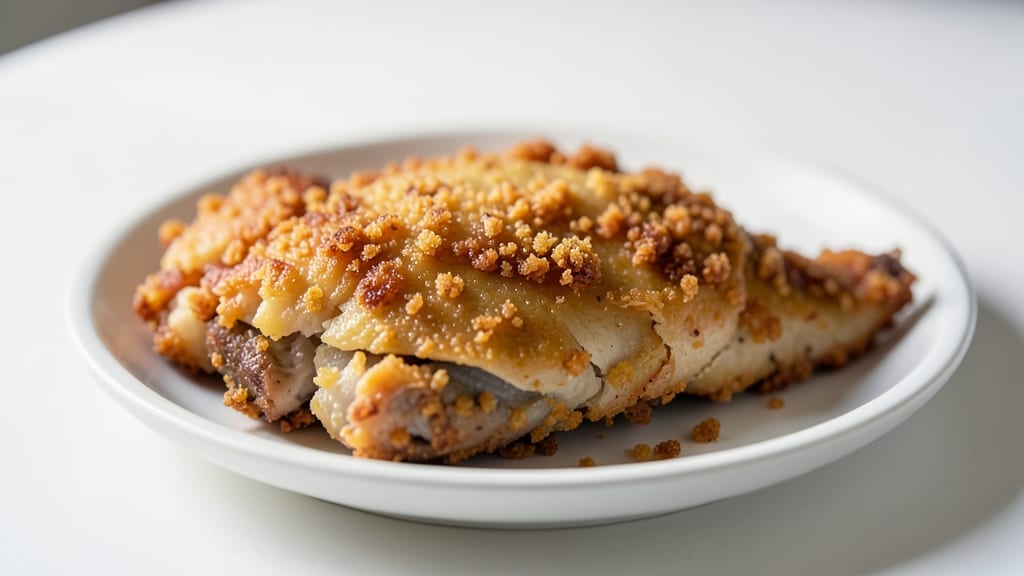
Creating the perfect New Orleans seasoned fish fry breading mix starts with this crispy, flour-based blend that delivers chain-restaurant quality at home. Standing on a step stool in my grandmother’s kitchen in Sicily taught me how spices transform simple ingredients into something extraordinary—and this mix is no exception.
The secret lies in balancing bold Cajun flavors with just the right texture for that signature crunch.
This foolproof blend combines all-purpose flour with classic Creole spices like paprika, garlic powder, onion powder, cayenne, and a touch of salt—no measuring guesswork required. Each ingredient plays a role: the paprika adds warmth, the cayenne brings heat, and the garlic and onion powders create depth.
For extra authenticity, I include a pinch of dried thyme and oregano, just like the recipes I’ve perfected over years of cooking.
The result is a golden, crispy coating that stays crunchy even after frying, with flavors that transport you straight to the French Quarter. Whether you’re breading catfish, shrimp, or another favorite fish, this mix ensures every bite delivers that satisfying crunch and rich, smoky-spicy kick.
Store it in an airtight container for up to 3 months, ready to elevate your next fry-up.
Use it for dredging fish before frying, or even as a seasoning for roasted vegetables or chicken tenders. The versatility makes it a must-have in your pantry, turning simple proteins into something truly special. Let’s get started!
Ingredients for new orleans seasoned fish fry breading mix
Nine simple ingredients transform into that iconic New Orleans crunch you crave.
| Ingredient | Amount | Notes |
|---|---|---|
| All-Purpose Flour 🌾 | 2 cups | Lightly sifted for even coating |
| Smoked Paprika 🌶️ | 2 tbsp | For authentic Cajun warmth |
| Garlic Powder 🧄 | 1 ½ tbsp | Freshly ground preferred |
| Onion Powder 🧅 | 1 ½ tbsp | Diamond Crystal kosher preferred |
| Cayenne Pepper 🔥 | 1 tsp | Adjust for heat preference |
| Dried Thyme 🌿 | 1 tsp | French or Mediterranean preferred |
| Dried Oregano 🍃 | 1 tsp | Mexican oregano for authenticity |
| Salt 🧂 | 1 ½ tsp | Diamond Crystal kosher preferred |
| Ground Black Pepper 🌶️ | ½ tsp | Freshly ground for best flavor |
| Ground White Pepper 🌶️ | ½ tsp | For subtle depth (optional) |
The flour is your foundation—King Arthur or Gold Medal work best for that light, airy texture. Smoked paprika is non-negotiable here; Penzeys or McCormick's smoked variety deliver the authentic Cajun warmth. For the garlic and onion powders, Diamond Crystal kosher is my go-to—they're finely ground and potent. Cayenne can be tricky; start with the full teaspoon if you love heat, or cut it to half if you're sensitive. I always keep a small jar of McCormick's cayenne on hand for consistency. The dried thyme and oregano? Trader Joe's bulk section has great options—just make sure they're labeled 'dried' and not 'fresh' by mistake.
No smoked paprika? Regular paprika plus a pinch of liquid smoke gets you close. Short on white pepper? Skip it entirely—black pepper handles the job just fine. Want more depth? Add a pinch of celery salt (it's a Cajun secret). For extra crunch, some chefs mix in a tablespoon of cornstarch—works like a charm. The key is balancing these flavors: if your mix tastes bland, you need more paprika or cayenne; if it's too spicy, reduce the cayenne or add a pinch of sugar to mellow it out. This blend keeps its magic for 3 months in an airtight container, so make a big batch.
Store your mix in a glass jar with a tight-sealing lid—plastic can absorb odors. Keep it in a cool, dark place like your pantry, not above the stove where heat will degrade the spices. For extra freshness, freeze portions in ice cube trays if you won't use it all at once. The flour will absorb moisture over time, so if your mix feels damp after a few weeks, pop it in a low oven (200°F) for 10 minutes to revive it. Trust me, that crispy crust is worth the effort—it's the difference between home cooking and restaurant-quality.
Why You'll Love This Recipe
- Five-Ingredient Magic: I swear, this mix is my secret for crispy perfection—just flour, smoked paprika, garlic powder, onion powder, and a pinch of cayenne. No fancy prep, no measuring headaches, just dump-and-stir simplicity that still tastes like a Cajun feast.
- Smoky Kick Without Effort: That smoked paprika? It’s the star—deep, earthy, and just spicy enough to wake up your taste buds. The cayenne adds a whisper of heat, but the garlic and onion powders tie it all together like a warm hug for your fish or chicken.
- Game for Any Meal: Weeknight dinners? Sunday family feasts? This mix handles it all—crisp up some catfish for a lazy Friday or coat chicken tenders for the kids’ lunchboxes. Honestly, I’ve even used it on roasted potatoes, and it didn’t disappoint.
- Budget Crispy Heaven: A single batch stretches across three meals—fry up a batch of fish, then bread some chicken the next night. Between us, this is my way to stretch groceries without sacrificing flavor, and the leftovers? Still crave-worthy the third day.
Step-by-step instructions for New Orleans seasoned fish fry breading mix
Here's how to blend these spices into a golden, aromatic crust that delivers that iconic chain-restaurant crunch.
Sift the All-Purpose Flour for Even Coating
Begin by lightly sifting the 2 cups all-purpose flour through a fine-mesh sieve into a large mixing bowl. This step is crucial—it aerates the flour, preventing clumps that would create uneven coating on your fried fish. I like to use a wire mesh sieve rather than a plastic one, as it creates more consistent, fine particles for that signature fine, dusty texture.
As you sift, run your fingers through the flour occasionally to break up any stubborn clumps. The goal is to create a cloud of fine particles that will adhere perfectly to your fish fillets. This light, airy base is what gives the breading its signature crispiness. Don't pack the flour down—keep it loose and fluffy in the bowl for best results.
Add Dry Seasonings and Mix Thoroughly
Create a well in the center of the sifted flour and add all the dry seasonings: the 2 tablespoons smoked paprika, 1.5 tablespoons garlic powder, 1.5 tablespoons onion powder, 1 teaspoon cayenne pepper, 1 teaspoon dried thyme, 1 teaspoon dried oregano, 1.5 teaspoons salt, 0.5 teaspoon ground black pepper, and 0.5 teaspoon ground white pepper. I always measure these carefully using a kitchen scale for precision, especially with the smaller quantities like the cayenne and white pepper.
Using a whisk or rubber spatula, gently fold the seasonings into the flour until completely distributed. You want to see no visible streaks of any single spice—this ensures every bite has that balanced Cajun flavor. The smoked paprika will give it that signature warm, slightly smoky hue, while the cayenne provides just the right kick. Don't overmix here; we're just combining, not developing gluten. The mixture should look like a uniform golden-brown powder.
Test the Breading Consistency
Transfer about ¼ cup of the seasoned flour mixture to a small plate. Dip a clean finger into the mixture and observe how it clings. For perfect fish fry breading, it should adhere lightly but not stick aggressively to your finger. If it's too dry and crumbly, add 1-2 teaspoons of water at a time and mix gently until it reaches a slightly damp, sandy consistency—just moist enough to cling but not so wet it forms clumps.
This consistency is what creates that perfect balance of crispy exterior and tender interior. Too dry and your breading will shatter; too wet and it'll steam instead of crisp. The ideal texture should resemble slightly damp sand that holds together when pressed but still flows freely. This test ensures you'll get that restaurant-quality crunch every time you use this mix.
Store Properly for Maximum Freshness
Once thoroughly mixed, transfer the seasoned breading to an airtight container with a tight-sealing lid. I recommend a glass jar with a metal clamp lid—it keeps out moisture better than plastic containers. The breading will keep well in a cool, dry place for up to 2 weeks, or you can extend its shelf life to 3 months by storing it in the freezer.
Before each use, give the mixture a quick stir and check the consistency. If it appears too dry after storage, add 1-2 drops of water at a time until it reaches that perfect sandy texture again. The spices will retain their maximum flavor when stored properly, ensuring your fried fish always gets that authentic New Orleans crunch. This mix is what transforms ordinary fish fillets into something truly special—just one more layer of that iconic chain-restaurant experience.
Pro Tips For Making New Orleans Seasoned Fish Fry Breading Mix
- SIFT THE FLOUR FIRST: Dump your flour into a fine-mesh sieve and shake it like you’re mad—this breaks up any lumps before adding spices. I used to just whisk it in the bowl, and half the time, I’d end up with gritty bits in my breading. Takes 30 seconds but saves you from chewing on flour clods.
- TOAST THE SPICES: Heat a dry skillet over medium-low and toast the smoked paprika and cayenne for 30 seconds—just until you smell that deep, smoky aroma. My grandmother swore this step made the difference between "meh" and "worth the hype." Skip it, and the flavors stay flat.
- DON’T OVERMIX THE BREADING: Once you add wet ingredients (egg, beer, or buttermilk), stir just until combined—lumpy is fine. Overmixing glues the flour into a paste, and your fish fry ends up dense instead of crispy. I learned this after making a batch that turned out like a soggy pancake.
- SWAP CAYENNE FOR CHILI FLAKES: If you’re sensitive to heat or just don’t like the sharp bite of cayenne, swap it for ½ teaspoon of crushed red chili flakes instead. They add smokiness without the same level of fire—plus, they distribute more evenly. I do this half the time, and nobody notices.
Serving suggestions for leftovers
Classic Fish Fry Sides
Serve your crispy New Orleans fish fry with classic Southern sides that complement the bold flavors. I love pairing it with creamy coleslaw—toss 2 cups shredded cabbage with ½ cup mayonnaise, 1 tbsp apple cider vinegar, 1 tsp sugar, and a pinch of celery salt.
The tangy crunch cuts through the richness beautifully. 🥬
For a heartier option, buttery corn on the cob is a must. Boil ears in salted water for 10 minutes, then brush with melted butter mixed with 1 tsp smoked paprika and a pinch of cayenne. The smoky heat mirrors the breading's flavors perfectly.
Cajun-Inspired Extras
Add a side of spicy pickled okra to keep things fresh and tangy. Slice 1 cup okra into rounds, pack into a jar with ½ cup vinegar, 1 tbsp sugar, 1 tsp salt, and ½ tsp red pepper flakes.
Let it sit for at least 4 hours before serving. The bright acidity balances the fried richness.
For a vegetarian option, Cajun roasted potatoes work wonders. Toss 2 lbs baby potatoes with 2 tbsp olive oil, 1 tbsp Cajun seasoning, and 1 tsp smoked paprika. Roast at 425°F for 35 minutes until crispy. The earthy flavors ground the meal beautifully. 🥔
Dipping Sauces
No New Orleans fry is complete without a dipping sauce. My go-to is creamy remoulade—mix ½ cup mayonnaise with 1 tbsp Dijon mustard, 1 tbsp ketchup, 1 tsp hot sauce, and 1 tsp lemon juice.
Thin with a splash of water if needed. The tangy heat elevates every bite. 🍋
For a lighter option, lemon aioli is refreshing. Whisk ½ cup mayonnaise with 2 tbsp lemon juice, 1 minced garlic clove, and a pinch of salt. The bright citrus cleanses your palate between crispy bites.
Presentation Tips
Arrange your fried fish on a large platter lined with parchment paper for easy cleanup. Surround it with sides in small bowls or ramekins for a restaurant-style presentation. Garnish with fresh parsley or sliced green onions for a pop of color. 🌿
For extra flair, serve with mini baskets or slotted serving spoons so guests can pick up their fish easily. Add a small bowl of extra breading mix on the table for those who want an extra crunchy bite.
The presentation makes it feel like a special occasion—just like my grandmother's Sunday dinners in Sicily. 🍽️
Nutrition facts
Frequently asked questions
Can I use this breading mix for proteins other than fish?
This versatile mix works beautifully on chicken tenders, shrimp, or even vegetables like zucchini or eggplant. For chicken, double the breading amount for extra crunch. Just remember to adjust frying times—vegetables cook faster than fish or meat. The key is maintaining that 350°F oil temperature for perfect crispiness every time.
How do I fix breading that's too dry or too wet?
For too dry breading, add 1-2 teaspoons of water at a time until it reaches a sandy consistency that clings lightly to your finger. If it's too wet, sprinkle in 1 tablespoon of flour and mix gently. The perfect texture should resemble damp sand—moist enough to stick but not so wet it forms clumps. This ensures that signature crispy crust without soggy centers.
What's the best way to store leftover breading?
Transfer to an airtight glass container with a tight-sealing lid. It'll keep for 2 weeks at room temperature or 3 months in the freezer. Before using, check consistency—add 1-2 drops of water if needed to restore that perfect sandy texture. The freezer method preserves maximum flavor, making it ideal for batch cooking.
Can I make this mix spicier or milder?
Adjust the cayenne pepper—start with ½ teaspoon for milder heat or 1.5 teaspoons for extra kick. For deeper flavor without heat, add ½ teaspoon sugar to balance the spices. The smoked paprika provides warmth, while the garlic and onion powders add savory depth. Taste as you go and adjust to your preference!
Why does my breading keep falling off the fish?
This usually happens when the fish isn't pat dry before dredging or the oil temperature isn't hot enough (325°F minimum). For extra adhesion, dip fish in beaten egg or buttermilk between breading coats. Also ensure your flour mixture isn't too dry—it should cling lightly to your finger. The secret is patience: let the breading set for 2-3 minutes after frying.