
Side Dishes
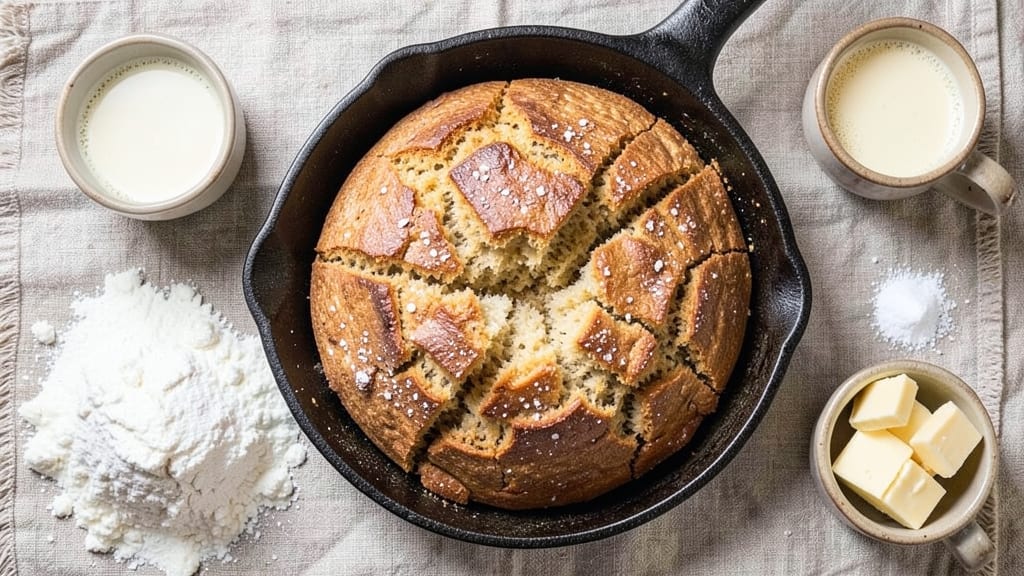
Grandma's soda bread recipe brings a taste of Irish tradition to your kitchen with its rustic charm and buttery richness. This no-knead loaf requires just five ingredients and delivers a tender crumb with a crisp crust—perfect for pairing with soup or slathering with jam.
I've perfected this recipe over years of baking, ensuring every slice captures that homestyle warmth.
The beauty of soda bread lies in its simplicity: no yeast, no kneading, just flour, buttermilk, and a pinch of salt that transforms into golden perfection.
Baking at 375°F for about 45 minutes yields a loaf with an aromatic crust and a crumb so tender it practically melts in your mouth. The traditional method preserves its cultural roots while making it accessible for any home baker.
What makes this recipe truly special is its versatility—add raisins, seeds, or herbs for extra flavor without sacrificing the classic texture. The buttermilk creates a subtle tang that balances the bread's richness, while the no-yeast rise keeps the process quick and foolproof.
Whether you're serving it fresh from the oven or reheating slices for toast, this loaf delivers comfort in every bite.
Serve warm with butter, jam, or alongside hearty stews to experience the full charm of this Irish staple. The recipe's simplicity belies its impressive results, making it a staple for both everyday meals and special occasions. Let's bake this nostalgic loaf together—your kitchen will smell like home in no time.
Ingredients for grandma's soda bread
Five simple ingredients transform into nostalgic soda bread with crisp crust and tender crumb.
| Ingredient | Amount | Notes |
|---|---|---|
| All-Purpose Flour 🌾 | 4 cups | Unbleached preferred for texture |
| Buttermilk 🥛 | 1 ½ cups | Full-fat for richness |
| Salt 🧂 | 1 tsp | Fine sea salt preferred |
| Unsalted Butter 🧈 | ½ cup | Cold, cubed for mixing |
| Baking Soda 🧪 | 1 tsp | Freshly opened for best rise |
The flour is the foundation—King Arthur or Bob's Red Mill brands yield the best texture. Avoid bread flour as it creates a denser loaf. For buttermilk, culture it yourself (1 tbsp vinegar + 1 cup milk) if you can't find it fresh. The salt should be fine sea salt—Morton's kosher works well, but avoid iodized table salt. Cold butter cubes distribute evenly for that signature buttery richness. Diamond Crystal baking soda is ideal, but Arm & Hammer works too—just ensure it's fresh.
No buttermilk? Plain yogurt thinned with milk works perfectly. Short on baking soda? Baking powder at half the amount can substitute in a pinch. For extra flavor, add 1/2 cup raisins or chopped walnuts to the dough before baking. The butter can be softened slightly if you're short on time, but keep it cold for maximum flakiness. If your buttermilk smells sour, it's fine—just use it immediately for best results.
Store leftovers wrapped in a clean kitchen towel for up to 3 days to maintain freshness. For longer storage, wrap tightly in parchment paper and freeze for up to 3 months. Reheat slices in a 350°F oven for 5-7 minutes to restore crispness. This bread reheats beautifully—perfect for breakfast toast or pairing with soups.
Why You'll Love This Recipe
- No-Fuss Mixing: I swear by this recipe because it’s literally three bowls and a spoon. Just toss the flour, baking soda, and salt together in one, crack the buttermilk and butter into another—no measuring cups, no mess. That buttermilk’s tang cuts through the richness of the butter, and the bread rises while you’re still wiping your hands.
- Crispy-Outside, Soft-Center Magic: The key? A hot cast-iron skillet and that little pat of butter rubbed on the sides before baking. The crust gets this golden, crackly shell that shatters just enough to reveal pillowy crumb underneath—like a hug in bread form. (Yes, I eat it straight from the pan. Don’t judge.)
- Leftovers That Last: This bread stays fresh for days, but honestly? It’s even better the next day. I’ll slice it thick for toast with jam, or pack it in lunches—still warm, still perfect. And if it gets a little stale? Toast it or pop it in the oven for 5 minutes. It’s the ultimate “I didn’t even make this today” sandwich filler.
- Budget Breakfast Hero: Five ingredients, none of them fancy. The buttermilk adds richness without costing a fortune, and the butter makes it feel special even when you’re feeding a crowd. I’ve used it for French toast, garlic butter toast, or just slathered with honey—always a win. My wallet (and my taste buds) thank me every time.
Step-by-step instructions for grandma's soda bread recipe
Here's how to craft this rustic loaf with minimal effort and maximum flavor.
Prepare the Dough with Cold Butter
In a large mixing bowl, combine the 4 cups all-purpose flour and 1 tsp salt. Use your fingers to create a well in the center and add the 0.5 cup cold unsalted butter, cut into small cubes. Work the butter into the flour using your fingertips until the mixture resembles coarse crumbs with pea-sized butter pieces remaining.
This cold butter technique creates pockets of flavor that melt during baking, giving your bread that signature tender crumb. Don't overwork the mixture—just until the butter is evenly distributed. The texture should resemble wet sand with visible butter pieces throughout.
Add Buttermilk and Baking Soda
In a separate bowl, whisk together the 1.5 cups buttermilk and 1 tsp baking soda. Let this mixture sit for 5 minutes while you finish preparing the dry ingredients. You'll notice it begin to bubble slightly as the baking soda reacts with the buttermilk's acidity.
Pour the bubbly buttermilk mixture into the flour-butter combination. Using a wooden spoon or spatula, gently stir until just combined. The dough will be sticky and shaggy—this is normal for soda bread. Avoid overmixing as you want to preserve the rustic texture. The dough should come together when pressed but still feel slightly wet to the touch.
Shape and Prepare for Baking
Turn the dough onto a lightly floured surface and gently shape it into a round loaf about 8 inches in diameter. Create a well in the center about 2 inches deep. This traditional design creates a hollow center that cooks through perfectly and gives the bread its signature shape.
Transfer the shaped loaf to a parchment-lined baking sheet. Using a sharp knife, score the top with a deep cross about ½ inch wide. This prevents excessive expansion during baking and creates a beautiful crust pattern. Brush the top lightly with water to help the crust brown more evenly.
Bake Until Golden and Hollow
Preheat your oven to 425°F. Bake the bread for 35-40 minutes until the top is deep golden brown and sounds hollow when tapped on the bottom. The internal temperature should reach 190-195°F when measured with an instant-read thermometer.
During the last 10 minutes of baking, you'll notice steam rising from the loaf. This is normal as the bread finishes cooking. If the top browns too quickly, tent loosely with foil. The bread is done when it pulls away from the sides of the pan and has a crisp crust with a tender interior.
Cool and Serve
Remove the bread from the oven and transfer it to a wire rack. Let it cool for 10 minutes before slicing. This resting period allows the steam to escape and prevents a gummy texture. The bread will continue to rise slightly as it cools.
Serve warm with additional butter melted on top or alongside soups and stews. Each slice should reveal a tender crumb with pockets of buttery richness throughout. Store any leftovers wrapped in a clean kitchen towel to maintain freshness for up to 3 days at room temperature.
Pro Tips For Making Grandma'S Soda Bread
- Mix Butter Into Flour First: Skip the buttermilk first—rub the cold unsalted butter into the dry flour until it resembles coarse crumbs. This creates pockets for steam to escape, giving you that signature tender crumb instead of a dense brick.
- Use Warm Buttermilk: Pull the buttermilk straight from the fridge and let it sit for 10 minutes before mixing. Cold buttermilk slows the baking soda reaction, and you’ll end up with a bread that rises unevenly—or worse, doesn’t rise at all.
- Don’t Overmix the Dough: Stir the wet ingredients into the flour-butter mix just until combined—about 10-12 strokes. Overworking it activates the gluten, and your bread will turn out tough instead of light and fluffy.
- Cut a Cross Before Baking: Use a sharp knife to slash the top of the loaf in an X or + shape before baking. It’s not just for looks—it steers the bread’s expansion, prevents a cracked top, and lets the steam escape for that perfect crust.
Creative variations of these flavors
Classic Raisin Twist
Add ½ cup plump raisins to the dough before shaping for a sweet-savory twist that reminds me of my grandmother's version. I like to soak them in 2 tbsp warm water for 10 minutes first to plump them up—this prevents them from drying out during baking.
The raisins add natural sweetness that pairs beautifully with the buttermilk's tang. 🍇
Herb-Infused Variation
For a fragrant twist, stir in 2 tbsp chopped fresh rosemary or thyme along with the buttermilk. The herbs infuse the dough with earthy aroma while keeping the bread's signature tender crumb.
I recommend using dried herbs if fresh aren't available—just reduce to 1 tbsp since dried flavors are more concentrated.
Seed-Enhanced Crunch
Mix in ¼ cup poppy seeds or sunflower seeds for added texture and nutrition. These seeds toast beautifully during baking, creating delightful crunch points throughout each slice. I find poppy seeds work best with soda bread's buttery flavor profile, while sunflower seeds add a subtle nuttiness.
Toast the seeds in a dry pan for 2 minutes before adding to enhance their flavor.
Whole Wheat Boost
Replace 1 cup of the all-purpose flour with whole wheat flour for a nuttier flavor and extra fiber. The bread will have a slightly denser crumb but still maintain its tender quality.
For best results, use King Arthur whole wheat flour which has a lighter texture than many store brands. The whole wheat adds a pleasant earthiness that complements the buttermilk's tang.
Cheesy Irish Style
Add ½ cup grated sharp cheddar cheese to the dough for a cheesy variation that's popular in Irish pubs. The cheese melts beautifully during baking, creating pockets of gooey goodness.
I recommend using Cabot cheddar for its perfect balance of sharpness and creaminess. This version pairs exceptionally well with soups or as a side to hearty stews.
Spiced Citrus Zest
Brighten up your soda bread with 1 tsp orange zest and ½ tsp cinnamon mixed into the dry ingredients. The citrus zest adds a lovely aroma while the cinnamon provides subtle warmth.
This variation works particularly well when served with jam or honey. I often add a pinch of cardamom for extra depth in the spice profile—it's a nod to Scandinavian soda bread traditions.
Nutrition facts
Frequently asked questions
Why does soda bread need buttermilk instead of regular milk?
The acidity in buttermilk reacts with baking soda to create air pockets, giving soda bread its signature rise and tender crumb. Regular milk won't activate the baking soda properly, resulting in a dense loaf. The tang also balances the bread's richness beautifully.
Can I make this recipe without buttermilk?
Yes! Mix 1 tbsp vinegar or lemon juice with 1 cup milk and let it sit for 5 minutes to curdle. This DIY buttermilk substitute works perfectly for the same chemical reaction. Use it immediately for best results.
What if my soda bread comes out dense instead of light?
Overmixing the dough or using old baking soda are common culprits. Stir just until combined, and make sure your baking soda is fresh (it loses potency over time). Also, ensure your oven is properly preheated to 425°F—an underheated oven can prevent proper rising.
How do I store leftover soda bread?
Wrap the cooled loaf in a clean kitchen towel or parchment paper and store at room temperature for up to 3 days. For longer storage, freeze slices wrapped in plastic for up to 3 months. Reheat in a 350°F oven for 5-7 minutes to restore freshness.
What's the best way to serve this rustic loaf?
Warm slices make perfect toast with butter or jam, or serve alongside soups and stews. The crisp crust pairs beautifully with Irish cheeses like Cheddar or Stilton. For breakfast, try it with smoked salmon and cream cheese—it's a crowd-pleaser!