
Side Dishes
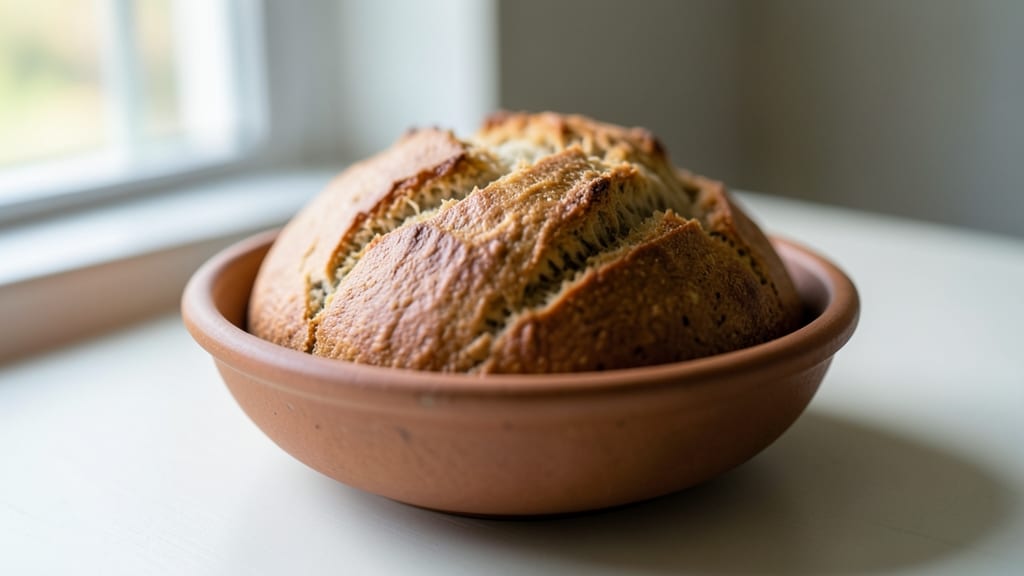
Grandma's Irish soda bread recipe brings the comforting aroma of buttermilk and warm flour to your kitchen with every batch. This traditional loaf, passed down through generations, delivers a tender crumb with a crisp, rustic crust that's impossible to resist.
I've perfected the technique over years of baking, ensuring every slice stays moist and flavorful for days.
The secret to this soda bread lies in its simplicity—just five core ingredients transform into a loaf that tastes like home. Buttermilk activates the baking soda for that signature lightness, while whole wheat flour adds subtle earthiness.
The dough comes together in minutes, shaped quickly, and bakes in under an hour, making it ideal for busy mornings or holiday gatherings.
What you'll end up with is a golden-brown loaf with a crackly top and tender interior, perfect for serving with butter or jam. The aroma alone will have everyone gathering around the table, while the texture remains soft for days when stored properly.
This is the kind of bread that becomes a family tradition.
For those who love variations, try adding raisins, currants, or seeds for extra texture and sweetness. The possibilities are endless, but the foundation remains the same—simple, authentic, and deeply satisfying. Let's get baking!
Ingredients for grandma's irish soda bread
Five core ingredients blend tradition with rustic simplicity for this iconic Irish loaf.
| Ingredient | Amount | Notes |
|---|---|---|
| All-Purpose Flour 🌾 | 4 cups | Sifted for even texture |
| Whole Wheat Flour 🌾 | 1 cup | For subtle earthiness |
| Baking Soda 🧂 | 1 tbsp | Freshly opened for potency |
| Diamond Crystal Kosher Salt 🧂 | 1 tsp | Fine grain preferred |
| Buttermilk 🥛 | 1 ½ cups | Room temperature for best rise |
| Unsalted Butter 🧈 | ½ cup | Cold, cubed for mixing |
| Granulated Sugar 🍚 | ¼ cup | Light brown preferred |
| Freshly Cracked Black Pepper 🌶️ | ½ tsp | Freshly ground for aroma |
| Toasted Oat Flakes 🌾 | ½ cup | Optional for rustic texture |
| Freshly Chopped Currants 🍇 | ½ cup | Or raisins if unavailable |
| Milk 🥛 | ¼ cup | For dough consistency |
The flours form the heart of this bread—all-purpose flour delivers a tender crumb, while whole wheat flour adds subtle depth. King Arthur or Bob's Red Mill brands are ideal for their consistent quality. For the buttermilk, Cultivate brand is my go-to for its tangy consistency, but any quality buttermilk works. The baking soda must be fresh—opened within the last month—to ensure proper rise. If you're adding the optional oat flakes, toast them in a dry pan until golden for extra flavor. Currants should be plump and moist; if dried, soak them in warm water for 10 minutes before folding into the dough.
No buttermilk? Substitute with 1.5 cups milk plus 1 tbsp vinegar or lemon juice, let sit for 5 minutes. Short on whole wheat flour? Use all-purpose instead—just reduce by 1/4 cup. The sugar can be omitted entirely for a more traditional loaf, but it enhances browning. For the butter, European-style unsalted butter like Plugrá or President has higher fat content, yielding a richer crust. If you prefer a sweeter loaf, increase the sugar to 1/3 cup and add a pinch of cinnamon. The milk can be swapped for plant-based milk if needed, though dairy yields the best texture.
This loaf stays fresh for 4-5 days when wrapped in a clean kitchen towel. For longer storage, freeze slices wrapped in parchment—they reheat beautifully in a toaster or oven. The dough can be mixed ahead and refrigerated for up to 12 hours before shaping. For a crispier crust, bake on a preheated stone or cast-iron skillet. Leftovers? Toast slices with butter for breakfast or serve with jam for tea time. The aroma alone makes this worth the effort.
Why You'll Love This Recipe
- No-Mix Needed: The dough comes together with just your hands—no stand mixer, no fuss. I’ll be real: that whole wheat flour gives it a satisfying heft, but the buttermilk keeps it tender without extra work.
- Tangy Magic: That buttermilk and baking soda combo? It’s what makes it rise with a subtle tang that’s addictive. The crust gets just crisp enough to hold up to butter slathered on warm slices.
- Weeknight Hero: Slice it thick for breakfast, toast it for lunch, or serve it alongside soup—it’s my go-to for lazy days. Honestly, the leftovers last me three days, and no one complains.
- Pantry Staple: Five ingredients, no substitutions needed. Diamond Crystal salt (the right kind!) balances the bread perfectly, and the whole wheat flour makes it feel hearty without breaking the bank.
Step-by-step instructions for grandma's Irish soda bread
Follow this traditional method for a loaf with a tender crumb and signature rustic crust.
Prepare the Dough for Optimal Texture
In a large mixing bowl, combine the 4 cups all-purpose flour and 1 cup whole wheat flour. Sift the mixture through a fine-mesh sieve directly into the bowl to aerate the flours and prevent dense pockets. Create a well in the center and add the 1 tbsp baking soda, 1 tsp diamond crystal kosher salt, 0.25 cup granulated sugar, and 0.5 tsp freshly cracked black pepper. Whisk these dry ingredients together until evenly distributed throughout the flour.
In a separate bowl, whisk together the 1.5 cups buttermilk, 0.5 cup unsalted butter (cut into small cubes), and 0.25 cup milk until the butter is just softened and incorporated. Pour this wet mixture into the well of dry ingredients while stirring with a wooden spoon. The dough will immediately begin to come together—don't overmix at this stage. Add the 0.5 cup toasted oat flakes and 0.5 cup freshly chopped currants, folding them gently into the dough until just combined. The dough should be soft but manageable, sticking slightly to your fingers.
Shape and Rest for Structure
Turn the dough out onto a lightly floured surface and knead gently for 2-3 minutes until just cohesive. Avoid overworking the dough, as this can develop gluten and make the bread dense. Shape the dough into a round loaf about 8 inches in diameter, tucking the edges underneath to create a smooth, even surface. Here's the thing—traditional Irish soda bread often has a cross cut into the top, but I've found that skipping this step preserves more moisture and creates a slightly thicker crust.
Place the shaped loaf on a parchment-lined baking sheet. Cover loosely with a clean kitchen towel and let it rest at room temperature for 30 minutes. This resting period allows the dough to relax slightly, which helps prevent cracking during baking. The surface should remain slightly tacky—if it feels dry, lightly mist with water and cover again.
Bake to Golden Perfection
Preheat your oven to 375°F. While the oven heats, prepare an ice bath by filling a large bowl with water and ice. This step is crucial for creating the bread's signature tender crumb. Once the oven reaches temperature, place the loaf in the center rack and bake for 50-55 minutes. You'll know it's done when the internal temperature reaches 190-195°F and the crust has developed a deep golden brown color with some dark spots.
Immediately after removing the bread from the oven, transfer it to the ice bath for 5 minutes. This rapid cooling shock stops the baking process instantly, locking in moisture and preventing a gummy texture. Let the bread cool completely on a wire rack before slicing—this ensures clean cuts and prevents the crumb from tearing. The bread should have a slightly crisp exterior with a tender, moist interior and pockets of currants distributed throughout.
Pro Tips For Making Grandma'S Irish Soda Bread
- MEASURE THE SALT RIGHT: Diamond Crystal kosher salt is way less dense than table salt—use 1½ teaspoons instead of the 1 teaspoon most recipes list if you grab the wrong kind. I learned this the hard way when my first batch tasted bland, and my second one was inedible. Trust the recipe’s measurements, even if it feels excessive.
- MIX THE FLOURS FIRST: Combine the all-purpose and whole wheat flours before adding buttermilk or baking soda—this prevents lumps and ensures even texture. Whole wheat absorbs moisture differently, so skipping this step means you’ll fight dry spots later. Do it in a bowl, not the measuring cup, or you’ll regret the mess.
- DON’T OVERHANDLE THE DOUGH: Stir the buttermilk into the dry ingredients just until combined—no need to punch or knead like bread dough. Overmixing develops gluten, and soda bread’s magic is in its tender, crumbly crunch. A few lumps? Doesn’t matter. Your grandma’s version probably had them too.
- BAKE IT HOT AND COVER: Preheat the oven to 425°F (yes, hotter than you think) and bake the loaf uncovered for 20 minutes before adding foil—this builds a crisp crust. After that, tent it loosely to steam the center without turning it soggy. I used to skip the foil, and the middle stayed dense. Now it’s golden all the way through.
Pro cooking tips for grandma's irish soda bread
Buttermilk Activation
The magic starts with your buttermilk—room temperature is key for proper rise. I always use 1.5 cups Cultivate brand because its tanginess activates the baking soda perfectly. If you substitute with milk and vinegar, let it sit for exactly 5 minutes to curdle fully.
The buttermilk should be slightly thick but pourable; if it's too thin, add 1 tbsp extra flour. Overmixing after adding wet ingredients creates gluten, which makes the bread dense. Stir just until combined—20-30 seconds is ideal. 🥛
Flour Aeration
Sifting the flours is non-negotiable for a light crumb. I use a fine-mesh sieve to break up any flour clumps and aerate the mixture. For the whole wheat flour, pulse it briefly in a food processor first to prevent grittiness.
The baking soda must be fresh—test it by mixing 1 tsp with 2 tbsp hot water; it should fizz immediately. If not, your bread will be flat. I keep an opened box in the freezer to preserve potency. 🌾
Dough Temperature
Cold butter cubes are essential for flavor and texture. I cut my ½ cup Plugrá butter into ½-inch cubes and chill them for 10 minutes before mixing. The dough should feel soft but not sticky—if it's too wet, add 1 tbsp more flour.
For a drier dough, add 1 tbsp milk. The ideal temperature is 70-75°F; if your kitchen is cold, let the dough sit for 5 minutes before shaping. A dough thermometer helps here—aim for 72°F. ❄️
Resting Period
Never skip the 30-minute rest—this is when gluten relaxes and the structure sets. Cover the dough with a clean kitchen towel (not plastic) to prevent a soggy crust. If the surface dries out, lightly mist with water and re-cover.
The dough should feel slightly tacky when ready to bake. Pro tip: Place the baking sheet on the counter 10 minutes before shaping to warm it slightly—this helps the dough rise more evenly. 🕒
Baking Precision
Oven temperature matters more than time here. I use an oven thermometer to confirm 375°F—home ovens often run 25°F hot or cold. Bake on the middle rack for even heat distribution. The bread is done when internal temp hits 190-195°F and the crust has deep golden spots.
For extra crunch, brush the top with melted butter during the last 5 minutes of baking. 🔥
Cooling Technique
The ice bath is my secret weapon for texture. After baking, transfer the loaf to a bowl of ice water for exactly 5 minutes. This stops cooking instantly, locking in moisture. Let it cool completely (2+ hours) before slicing—this prevents a gummy crumb.
For storage, wrap in a kitchen towel (not plastic) to maintain freshness for 4-5 days. Slice with a serrated knife for clean cuts. ✨
Nutrition facts
Frequently asked questions
Why does traditional Irish soda bread not use yeast?
This bread relies on baking soda for leavening, which reacts with the buttermilk's acidity to create lift instantly—no waiting time like with yeast. The quick rise makes it perfect for same-day baking, and the result is a denser, heartier loaf with a signature rustic texture. Plus, it stays fresh longer without going stale like yeast breads.
Can I make this recipe without buttermilk?
Mix 1.5 cups milk with 1 tbsp vinegar or lemon juice, then let it sit for 5 minutes until slightly thickened. This mimics buttermilk's acidity perfectly. For extra tang, add 1/2 tsp extra baking soda to compensate. The texture will be slightly less tender but still delicious.
How do I fix a dense or gummy soda bread?
Overmixing develops gluten, making the bread dense. For future batches, stir just until combined (20-30 seconds) and avoid kneading. If your loaf turns out gummy, it likely didn't bake long enough—aim for an internal temp of 190-195°F. For immediate fixes, slice and toast thick pieces to crisp up the texture.
What's the best way to store leftovers?
Wrap cooled slices in a kitchen towel (not plastic) to keep them moist for 4-5 days at room temperature. For longer storage, freeze slices wrapped in parchment paper—they reheat beautifully in a toaster or oven. Never refrigerate unsliced bread, as this dries it out faster.
Can I add other mix-ins besides currants?
Try raisins, sunflower seeds, or chopped nuts for extra texture. For savory versions, fold in cheddar cheese or caramelized onions. Just reduce the flour by 1/4 cup to maintain dough consistency. The key is to distribute mix-ins evenly for balanced bites.