
Side Dishes
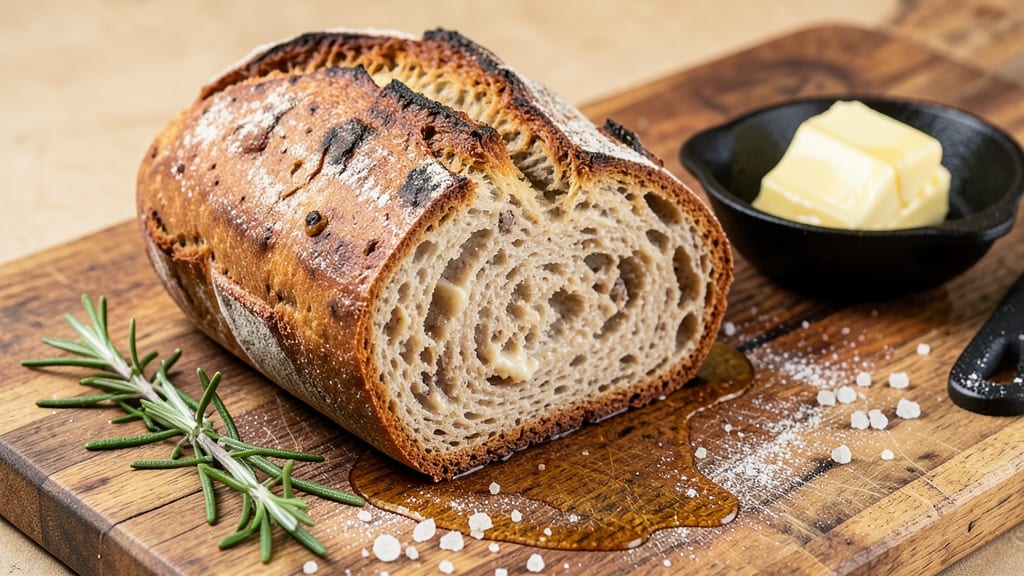
This grits bread recipe transforms humble cornmeal into a crusty, buttery loaf with a texture that bridges Southern comfort and artisanal bread.
The secret lies in blending stone-ground grits with all-purpose flour, creating a crumbly yet substantial crumb that holds up to rich soups, stews, or butter slathered straight from the oven.
I developed this recipe after years of craving that perfect balance between cornbread density and crusty bread structure—something that delivers both hearty substance and satisfying crunch.
The process is straightforward but requires patience: mixing dry ingredients with cold butter creates flaky layers, while baking at high heat ensures a golden, crackly crust. Unlike traditional cornbread, this version incorporates grits for a nutty depth and a slightly denser crumb that absorbs flavors beautifully.
The recipe yields a loaf that stays fresh for days, making it ideal for meal prep or gifting. For best results, use stone-ground grits—their coarser texture adds authentic Southern character.
What you’ll end up with is a loaf that’s crusty on the outside, tender yet crumbly within, and infused with buttery richness. The aroma alone—warm, slightly sweet, with hints of corn—will have your kitchen smelling like a Southern kitchen should.
This bread pairs perfectly with fried chicken, chili, or even as a base for open-faced sandwiches. The key to success? Don’t rush the mixing, and let the dough rest—it’s worth the wait for that restaurant-quality texture.
For extra flair, brush the baked loaf with melted butter while still warm, or sprinkle coarse salt over the crust before baking. Serve slices alongside your favorite main dish, or save them for toast the next morning.
This isn’t just grits bread—it’s a versatile, crowd-pleasing centerpiece that elevates any meal. Let’s get baking!
Ingredients for grits bread
Stone-ground grits, cold butter, and yeast—simple ingredients for a loaf that bridges cornbread and crusty bread.
| Ingredient | Amount | Notes |
|---|---|---|
| Stone-Ground Grits 🌽 | 1 cup | Coarse texture preferred for authentic flavor |
| All-Purpose Flour 🌾 | 2 cups | White or bread flour for best texture |
| Unsalted Butter 🧈 | ½ cup | Cold, cubed for flaky layers (full-fat for richness) |
| Granulated Sugar 🍯 | ¼ cup | Light brown sugar for subtle caramel notes |
| Active Dry Yeast 🍞 | 2 ¼ tsp | Instant yeast works too (no proofing needed) |
| Warm Water 💧 | ¾ cup | 110°F for optimal yeast activation |
| Diamond Crystal Kosher Salt 🧂 | 1 ½ tsp | Fine grain preferred for even distribution |
| Cornmeal 🌽 | ¼ cup | Fine grind for dusting (not coarse) |
| Large Eggs 🥚 | 1 whole | Room temperature for even mixing |
| Whole Milk 🥛 | ¼ cup | Warmed for tender crumb (whole-fat preferred) |
| Pure Vanilla Extract 🌸 | 1 tsp | Imitation-free for authentic flavor |
| Coarse Sea Salt 🧂 | 1 tsp | For sprinkling on crust before baking |
| Corn Oil 🫒 | 2 tbsp | For greasing loaf pan (or butter) |
The grits are non-negotiable here—stone-ground makes all the difference, giving that authentic Southern nutty depth. Bob's Red Mill or Quaker Steel Cut are my go-tos, but any stone-ground will work. For the flour, King Arthur or Bread Flour gives the best structure, but all-purpose in a pinch. The butter needs to be cold—cubed and straight from the fridge—so it creates those flaky layers. If you're in a rush, let it sit in the freezer for 10 minutes first. Yeast? Fresh is best (like Red Star), but instant works if you don't have time to proof it. Just make sure that water is warm, not hot—yeast hates extremes.
No stone-ground grits? Fine cornmeal at double the amount will work, but expect a less authentic texture. Butter substitute? Vegetable shortening mimics the flakiness, but nothing beats the flavor of real butter. Short on milk? Heavy cream or buttermilk adds richness, but whole milk is the most neutral option. The vanilla extract is where you can splurge—imitation-free makes a world of difference. No vanilla? A pinch of cinnamon adds warmth, but it’s not the same. For the salt, Diamond Crystal kosher is ideal for baking, but any fine grain works. Coarse sea salt on top? That’s the secret to a restaurant-quality crust—don’t skip it.
This dough is a beast—it needs at least 1 hour of rising time (or overnight in the fridge). The longer it rests, the better the flavor. Once baked, it stays fresh for 3-4 days at room temperature, wrapped in a towel. For longer storage, freeze slices wrapped in plastic—they’ll toast up like fresh. The crust gets crunchy as it cools, so brush with melted butter while it’s still warm for maximum buttery goodness. Leftovers? Toast them the next morning—game changer. And if anyone asks, this isn’t just bread—it’s a Southern centerpiece.
Why You'll Love This Recipe
- No Yeast Fuss: I swear by this—just mix, let it rise once overnight, then bake. No punchy kneading, no waiting for multiple rises. The stone-ground grits handle the texture work while you sleep.
- Southern Soul in Bread Form: That buttery grits base? It’s like a warm hug in every bite—slightly sweet, rich, with a crumb that’s both tender and sturdy. Honestly, it’s the kind of bread that makes you slow down and actually enjoy your sandwich.
- Breakfast to Dinner Workhorse: Serve it toasted with jam for a lazy morning, or tear it into chunks for a hearty soup side. My kids even sneak it for lunchboxes—no one turns it down, no matter the meal.
- Pantry Magic on a Budget: Stone-ground grits and a stick of butter stretch this recipe far, and it keeps for days in a bread bag. Between us, I’ve fed a crowd for under $10 with this—no fancy ingredients, just pure satisfaction.
Step-by-step instructions for grits bread
Here's how to craft that iconic Southern grits bread with a crumbly crust and buttery soul.
Prepare the Grits Base
In a medium saucepan, combine the 1 cup stone-ground grits with 1.5 cups water (from the 0.75 cup warm water total, reserving the rest for later). Bring to a boil over medium-high heat, then immediately reduce to low heat and stir constantly for 15 minutes until thick and creamy. The grits should pull away from the pan sides and form a smooth, pudding-like consistency.
While still warm, whisk in the 0.5 cup unsalted butter, 0.25 cup granulated sugar, and 1 tsp pure vanilla extract until fully incorporated. Let this mixture cool to room temperature—this prevents shocking the yeast later. The grits base should be thick enough to hold its shape when dropped from a spoon but still spreadable.
Mix the Dough Components
In a large mixing bowl, combine the 2 cups all-purpose flour with the 2.25 tsp active dry yeast, 1.5 tsp diamond crystal kosher salt, and 0.25 cup cornmeal. Make a well in the center and pour in the cooled grits mixture, the 1 whole large eggs, and 0.25 cup whole milk. Using a wooden spoon or dough whisk, gradually mix until a shaggy dough forms.
Here's the thing—this dough will be sticky, almost like a thick batter. That's normal. Once combined, turn the dough onto a lightly floured surface and knead gently for 3-4 minutes just until smooth. The grits add moisture, so don't overwork it or you'll develop too much gluten. The dough should be soft and slightly tacky to the touch.
First Rise and Shape
Lightly oil a large bowl with 1 tbsp corn oil, place the dough inside, and cover with a damp kitchen towel. Let rise in a warm place for 1-1.5 hours or until doubled in size. The dough should feel springy when pressed gently—this confirms the yeast has activated properly. If it doesn't rise much, your kitchen might be too cool; try placing the bowl near a warm oven with the light on.
Once risen, punch down the dough to release air, then transfer it to a lightly floured surface. Gently shape into a 9x5-inch loaf pan by pressing the dough into the corners. The edges will be messy—that's expected. Brush the top with melted butter (using some of the 0.5 cup unsalted butter) and sprinkle with 1 tsp coarse sea salt for that signature Southern crust.
Second Rise and Bake
Cover the loaf pan with a towel and let rise again for 30-45 minutes until the dough domes slightly above the pan. Preheat your oven to 375°F while the dough rises. This second rise ensures maximum air pockets for that signature crumbly texture. The dough should feel firm but still yield slightly when pressed.
Bake for 35-40 minutes until the top is deep golden brown and the internal temperature reaches 190°F. Tap the bottom—the bread should sound hollow. If the top browns too quickly, tent with foil after 20 minutes to prevent over-browning. The aroma should be rich with buttery, vanilla notes—this is your cue that it's ready.
Cool and Serve
Remove the bread from the pan immediately and place it on a wire rack. Let cool for at least 15 minutes before slicing—this prevents a gummy texture. The crust should be crisp and crumbly, while the interior remains moist with those signature grits pockets. For best results, serve warm with honey butter or jam.
Here's the pro tip: If you're making this ahead, store wrapped at room temperature for up to 2 days or freeze for 3 months. To revive, warm in a 350°F oven for 10 minutes until crispy again. The flavor only improves with time.
Pro Tips For Making Grits Bread
- STEAM THE GRITS FIRST: Cook the stone-ground grits until they’re thick and creamy—like a stiff porridge—before mixing them into the dough. I learned this the hard way: raw grits in the dough make the bread dense and gummy. Think of it as a base, not a filler.
- WEIGH THE FLOUR: Use a kitchen scale for the all-purpose flour—250 grams is more reliable than volume measurements. I used to eyeball it, and my bread turned out either too dry or too sticky. A little precision here keeps the texture consistent.
- LET THE YEAST BLOOM: Proof the yeast in warm water with a pinch of sugar for 5–10 minutes until foamy before adding it to the dough. Cold water kills it; skipping this step means your bread will rise slower or not at all. Trust me, this small wait makes a real difference.
- CHILL THE DOUGH: Shape the dough, cover it, and refrigerate for at least 12 hours—overnight is ideal. This isn’t just about convenience; it lets the grits soften and the flavors meld. I tried baking it straight away, and the bread tasted flat and mealy. Patience here changes everything.
Troubleshooting your grits bread
Dense Dough Issues
If your dough feels too thick or dry, you likely overworked the gluten or didn’t add enough moisture. The grits base should be thick but spreadable—like pudding. If it’s too stiff, whisk in 1-2 tbsp warm milk gradually until the dough becomes pliable.
Remember, this dough is sticky by design, so resist the urge to add extra flour. The grits and butter already provide enough structure. 💡
Poor Rise or Flat Loaf
A flat loaf usually means the yeast didn’t activate properly. First, check your yeast—it should be fresh (test it by dissolving in warm water with sugar; it should foam in 5-10 minutes). If your kitchen is cold, place the dough bowl near a warm oven with the light on.
For extra insurance, let the dough rise in a 75°F environment—I use a proofing box or even a turned-off oven with the light on. Patience is key: 1-1.5 hours is minimum.
Gummy or Underbaked Interior
An underbaked center happens when the bread doesn’t reach 190°F internally. Use an instant-read thermometer to confirm doneness—don’t rely on color alone. If the bread feels gummy after baking, it likely needs more time.
For future batches, ensure your oven is fully preheated and consider covering the loaf with foil if the top browns too quickly, allowing the center to cook through. 🌡️
Crust Too Pale or Soft
A pale crust often means the oven wasn’t hot enough or the bread didn’t bake long enough. Preheat your oven for at least 30 minutes before baking, and use an oven thermometer to confirm it’s 375°F.
For extra crustiness, brush the top with melted butter and sprinkle with coarse sea salt before baking. If the crust is soft after baking, it may need a few more minutes in the oven.
Dough Sticking to Pan
Grease your 9x5-inch loaf pan thoroughly with corn oil or butter, then dust with cornmeal before shaping the dough. The dough will still stick slightly, but this minimizes it. For easier removal, run a thin knife around the edges of the loaf before transferring it to a wire rack.
If it’s stubborn, invert the pan onto a cutting board and gently tap the bottom to loosen.
Grits Base Too Thin or Watery
If your grits mixture is too thin, simmer it uncovered for an extra 5 minutes to thicken. For future batches, reduce the water by ¼ cup if your grits are extra fine. The grits base should coat the back of a spoon but still be pourable.
If it’s watery, the dough will be too wet, leading to a dense loaf. Always let it cool completely before mixing with other ingredients to avoid killing the yeast. 🔥
Nutrition facts
Frequently asked questions
Can I make grits bread without a loaf pan?
Shape the dough into a round boule or freeform loaf on a baking sheet lined with parchment paper. For extra crustiness, score the top with a sharp knife before baking. The texture will be slightly denser than pan-baked, but still delicious—just brush with melted butter after baking for that signature Southern touch.
Why does my grits bread turn out dense instead of crumbly?
Overworking the dough or using instant grits (instead of stone-ground) can make it dense. The grits base must be thick but pourable, and the dough should only be kneaded until just combined—3-4 minutes max. Also, ensure your yeast is fresh and the dough rises properly in a 75°F environment.
How can I make this bread gluten-free?
Replace the all-purpose flour with a 1:1 gluten-free baking flour blend (like Bob's Red Mill) and use a gluten-free yeast activator. The grits base remains the same, but you may need to add ½ tsp xanthan gum for structure. Expect a slightly denser texture, but it’ll still have that buttery grits flavor.
Can I add cheese or herbs to this recipe?
Yes! Try sharp cheddar or pepper jack (½ cup shredded) for a savory twist, or fresh herbs like rosemary or thyme (1 tbsp chopped). Fold them into the dough after the first rise. For extra richness, mix in ¼ cup sour cream with the wet ingredients. Just reduce the milk by 2 tbsp to balance moisture.
How long does this bread stay fresh?
Wrap cooled slices in plastic wrap and store at room temperature for 3-4 days. For longer storage, freeze slices (up to 3 months)—toast directly from frozen for crispy results. The flavor actually improves over time, especially when toasted with butter.