
Side Dishes
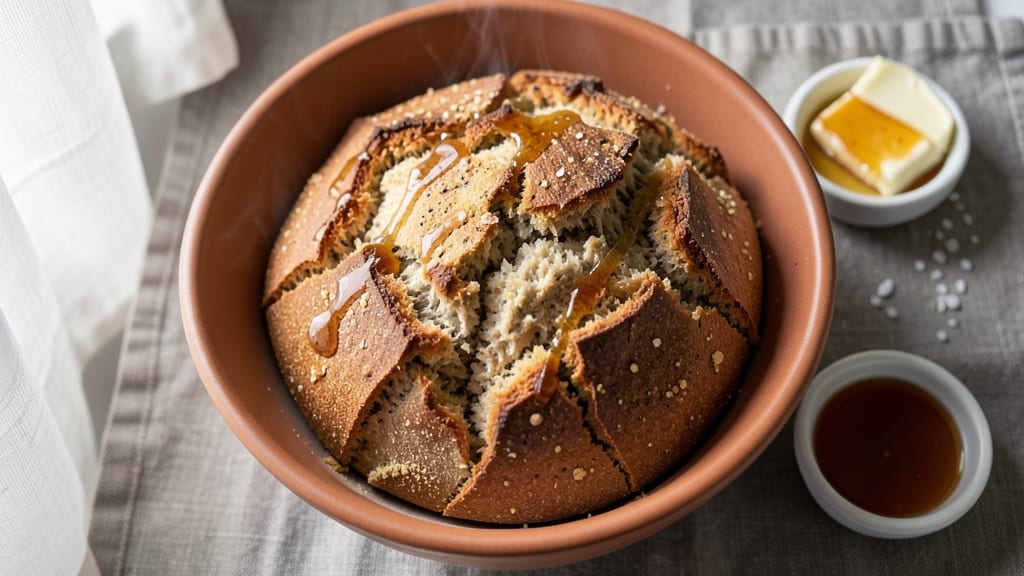
Ina Garten's soda bread recipe delivers that perfect balance of buttery crust and tangy warmth that makes every bite feel like a hug from the kitchen. The beauty of this classic lies in its simplicity—no yeast, no kneading, just a few ingredients and a rustic charm that elevates any meal.
I first tried this recipe during a weekend brunch when I needed something quick yet impressive, and it became an instant staple in my rotation.
What sets this soda bread apart is its foolproof method: flour, baking soda, buttermilk, and a touch of salt come together to create a tender crumb with a golden, crispy exterior.
The tangy flavor from the buttermilk and the subtle sweetness of the crust make it irresistible, whether served warm with butter or paired with soups and stews. The best part? It bakes in under an hour, giving you a homemade loaf without the fuss.
By the time it emerges from the oven, you'll have a loaf with a crackly crust and a soft, slightly dense interior—just like Ina Garten’s signature style.
The aroma alone will have everyone gathering around the table, and the texture is just right: tender enough to melt in your mouth but sturdy enough to hold up to hearty toppings.
This is the kind of bread that feels like a tradition, even if it’s made in your own kitchen.
For those who love customization, you can add seeds, herbs, or even cheese to the dough, but the classic version remains timeless. Whether you're hosting a gathering or simply craving comfort, this recipe delivers rustic perfection every time. Let’s get baking!
Ingredients for ina garten soda bread
Flour, butter, and buttermilk—just a handful of ingredients for a loaf that tastes like home.
| Ingredient | Amount | Notes |
|---|---|---|
| All-Purpose Flour 🌾 | 4 cups | Sifted for even texture |
| Baking Soda 🧂 | 1 tbsp | Freshly opened for potency |
| Buttermilk 🥛 | 1 ½ cups | Room temperature preferred |
| Salt 🧂 | 1 tsp | Fine sea salt preferred |
| Unsalted Butter 🧈 | ½ cup | Cold, cubed for crust |
| Honey 🍯 | ¼ cup | Wildflower or clover preferred |
| Milk 🥛 | ¼ cup | Whole milk for richness |
| Poppy Seeds 🌱 | 2 tbsp | Optional, for crunch |
The flour is the foundation here. King Arthur or Gold Medal brands work best—they’ve got that reliable protein structure for a tender crumb. I always grab mine from the baking aisle at Whole Foods or Kroger, where they keep it fresh. The baking soda needs to be fresh too—if it’s been sitting in your pantry for months, it’s lost its kick. For the butter, Plugrá is my go-to—it’s European-style and gives that extra richness. The honey should be real, not that processed stuff in the middle of the store. Look for local or organic options at farmers markets—they’ve got more depth of flavor.
No buttermilk? Mix 1 tbsp vinegar or lemon juice with 1 cup milk and let it sit for 5 minutes. The poppy seeds are optional, but if you skip them, a sprinkle of sesame seeds or flaxseeds adds a nice crunch. For a sweeter loaf, bump the honey to 0.375 cup. The milk can be any kind, but whole milk makes the bread just a touch richer. If you’re feeling fancy, swap the honey for maple syrup—it’s got a different vibe but works perfectly. And don’t worry if your buttermilk isn’t perfectly thick—it’ll still work, just might make the dough a little softer.
This dough comes together in minutes, but let it rest for 10 minutes before shaping—trust me, it’s worth it. Once baked, it keeps well wrapped in a clean kitchen towel for 3 days at room temperature. For longer storage, freeze slices wrapped in plastic for up to 3 months. I like to toast the leftovers—they get even crunchier. The best part? It reheats beautifully. Pop a slice in the oven at 350°F for 5 minutes, and it’ll taste fresh out of the oven.
Why You'll Love This Recipe
- No-Mix Magic: I swear by this—just dump the dry stuff, pour in the buttermilk, and fold in that cold butter until it’s shaggy but not tough. No kneading, no fuss, and no waiting for dough to rise. That baking soda does all the work while I sip my coffee.
- Buttermilk Gold: The tangy richness of buttermilk cuts through the flour’s earthiness, and that little pat of butter? It melts into flaky layers that make every bite worth it. Honestly, the first time I tried it without butter, I nearly cried—don’t skip it.
- Weeknight Swiss Army Knife: This bread is my secret weapon for breakfast (toast with jam), lunch (sandwiches with zero sogginess), or even dinner (crusty with soup). Between us, I’ve fed a houseful of teenagers with one loaf—no one complained, and that’s saying something.
- Budget Baking Win: Flour, baking soda, buttermilk—these are pantry staples that won’t break the bank. A single batch stretches to four days of breakfasts, and the leftovers? Toast them until crispy, freeze the rest. My wallet and my freezer both thank me.
Step-by-step instructions for Ina Garten's soda bread
Here's how to create a tender crumb and golden crust using just eight simple ingredients.
Prep the Dough with Cold Butter
In a large mixing bowl, combine the 4 cups all-purpose flour, 1 tablespoon baking soda, and 1 teaspoon salt. Whisk together until evenly distributed—this ensures the baking soda activates properly throughout the dough. Create a well in the center and add the 0.5 cup cold, cubed unsalted butter.
Using a pastry cutter or your fingers, work the butter into the flour mixture until it resembles coarse crumbs with pea-sized butter pieces remaining. This cold butter creates pockets of flavor that melt during baking, giving the bread its signature tender crumb. Don't overwork the mixture—just until the butter is evenly distributed.
Mix in Wet Ingredients for Tangy Flavor
In a separate bowl, whisk together the 1.5 cups buttermilk, 0.25 cup honey, and 0.25 cup milk. The honey adds subtle sweetness that balances the tangy buttermilk, while the milk helps create a smooth, elastic dough. Pour this wet mixture into the flour-butter mixture and stir gently with a wooden spoon until just combined.
Add the 2 tablespoons poppy seeds now if using—fold them in until evenly distributed. The dough will be sticky but manageable. Here's the thing—don't be tempted to add extra flour. The buttermilk needs to stay active to create that perfect rise. If the dough feels too sticky to handle, wet your hands slightly before shaping.
Shape and Score for Classic Presentation
Turn the dough out onto a lightly floured surface and gently shape it into a round loaf about 8 inches in diameter. I like to use my hands to create a smooth, even surface—press gently but firmly to create a compact shape. The round form makes scoring easier and gives that classic rustic look.
Place the shaped dough on a parchment-lined baking sheet. Using a sharp knife or lame, score the top of the loaf with a deep cross—this prevents excessive spreading and gives the bread its signature look. The cross should be about ½ inch deep and cut all the way through the dough to the surface below.
Bake Until Golden and Hollow-Sounding
Preheat your oven to 425°F while the dough rests for 15 minutes at room temperature. This resting period allows the gluten to relax slightly, making the bread easier to handle and giving a better rise. The oven should be fully preheated before baking—hot oven springs ensure that beautiful crust.
Bake the bread for 30-35 minutes until the top is deep golden brown and sounds hollow when tapped on the bottom. You'll know it's done when the internal temperature reaches 200°F. The bread should pull away slightly from the sides of the pan and have a crisp crust that gives way to a tender interior.
Cool and Serve with Warmth
Remove the bread from the oven and transfer it to a wire rack to cool completely. This cooling step is crucial—it allows the steam inside to redistribute, preventing a gummy texture. I know it's tempting to slice into warm bread, but resisting for at least 30 minutes makes all the difference in texture.
Once cooled, slice the bread and serve it warm with butter or jam. The crust should be crisp and golden, with a tender crumb that's slightly dense but still light. Each slice should reveal those beautiful pockets of butter that melted during baking, creating layers of flavor in every bite.
Pro Tips For Making Ina Garten Soda Bread
- MEASURE BUTTERMILK PRECISELY: The recipe calls for 1 cup buttermilk, but don’t eyeball it—use a liquid measuring cup. Too little makes the dough stiff; too much turns it into a batter. I learned this after my first loaf came out dense because I guessed.
- DON’T OVERMIX THE DOUGH: Stir just until the flour is incorporated—about 10-12 strokes. Overmixing develops gluten, and this bread’s magic is in its tender crumb. My grandmother used to say, “Handle it like a shy cat—gentle, or it’ll fight back.”
- BAKE UNTIL GOLDEN, NOT JUST DONE: The bread’s exterior should be deep golden brown, not pale. Check at 40 minutes—if it’s browning too fast, tent with foil. I skipped this once and ended up with a loaf that looked done but tasted undercooked.
- CUT THE BUTTER COLD: Use butter straight from the fridge (or freeze it for 15 minutes). Soft butter melts into the dough, weakening the structure. Sounds weird, but it works—your bread will hold its shape and stay moist longer.
Troubleshooting perfect results
Dense Dough Issues
If your dough feels too thick or dry, you may have overmixed the flour or added too much. I’ve found that using King Arthur flour (with its slightly lower protein content) helps create a more tender crumb.
For sticky dough, resist the urge to add extra flour—wet your hands slightly before shaping instead. If the dough is too dry, add 1 tablespoon buttermilk at a time until it becomes pliable. 🌾
Flat or Spread Loaf
A loaf that flattens or spreads too much usually means the oven wasn’t hot enough or the dough wasn’t shaped properly. Always preheat your oven to 425°F and let it sit for 10-15 minutes before baking.
Shape the dough into a tight round and score it deeply with a cross—this helps contain the rise. If your oven runs hot, reduce the temperature to 400°F and bake for 40-45 minutes instead.
Pale or Soft Crust
A pale crust often means the baking soda wasn’t fresh or the oven wasn’t hot enough. Use baking soda from the past 6 months for best results.
For extra crispiness, brush the loaf with melted butter after scoring and bake for an additional 5 minutes at 450°F before returning to 425°F. A baking stone or steel in the oven also helps create a crispier crust.
Gummy or Underbaked Interior
If the center of your bread feels gummy or undercooked, it likely didn’t bake long enough. Use an instant-read thermometer to check the internal temperature—it should reach 200°F. If your bread pulls out too soon, tent it with foil and return it to the oven for 5-10 minutes.
For even baking, rotate the pan halfway through the bake time. 🔥
Cracked or Irregular Top
Uneven cracks or a misshapen top can happen if the dough isn’t scored properly or if the oven temperature fluctuates. Score the dough with a sharp knife or lame in a deep cross before baking.
For a smoother rise, let the dough rest for 15 minutes before baking. If your oven has hot spots, place the bread on the middle rack to ensure even heat distribution.
Sour or Off Flavor
If your bread tastes sour or off, it might be due to old baking soda or buttermilk that’s gone bad. Always use fresh buttermilk (or the vinegar-lemon juice substitute) and check the expiration date on your baking soda.
For extra tang, add 1 teaspoon apple cider vinegar to the wet ingredients. If the flavor is still off, start fresh with a new batch of ingredients. 💡
Nutrition facts
Frequently asked questions
Why does this soda bread use baking soda instead of yeast?
This recipe relies on baking soda for a quick rise without waiting for yeast to activate. The chemical reaction between baking soda and the buttermilk creates carbon dioxide bubbles instantly, giving the bread its signature tender crumb and rustic texture in just 30-35 minutes of baking. It's perfect for when you need fresh bread fast!
Can I make this soda bread without buttermilk?
Mix 1 tablespoon vinegar or lemon juice with 1 cup milk and let it sit for 5 minutes to mimic buttermilk. The tanginess is key for that classic flavor—just don't skip it entirely. The honey and salt will still balance the taste beautifully.
How do I store leftover soda bread?
Wrap cooled slices in a clean kitchen towel or plastic wrap and store at room temperature for 3 days. For longer storage, freeze slices in an airtight container for up to 3 months. To revive, toast at 350°F for 5 minutes—it'll taste fresh out of the oven!
What's the secret to a crispy crust?
Use cold, cubed butter and preheat your oven to 425°F for a hot oven spring. Brush the scored loaf with melted butter after baking for extra crunch. A baking stone or steel also helps create that perfect golden crust. The cross score prevents excessive spreading too.
Can I add other mix-ins besides poppy seeds?
Yes! Try sesame seeds, flaxseeds, or even grated cheese for extra flavor. Just fold them in gently after mixing the wet ingredients. Keep it to 2 tablespoons total to avoid altering the bread's texture. Herbs like rosemary or thyme work beautifully too!