
Side Dishes
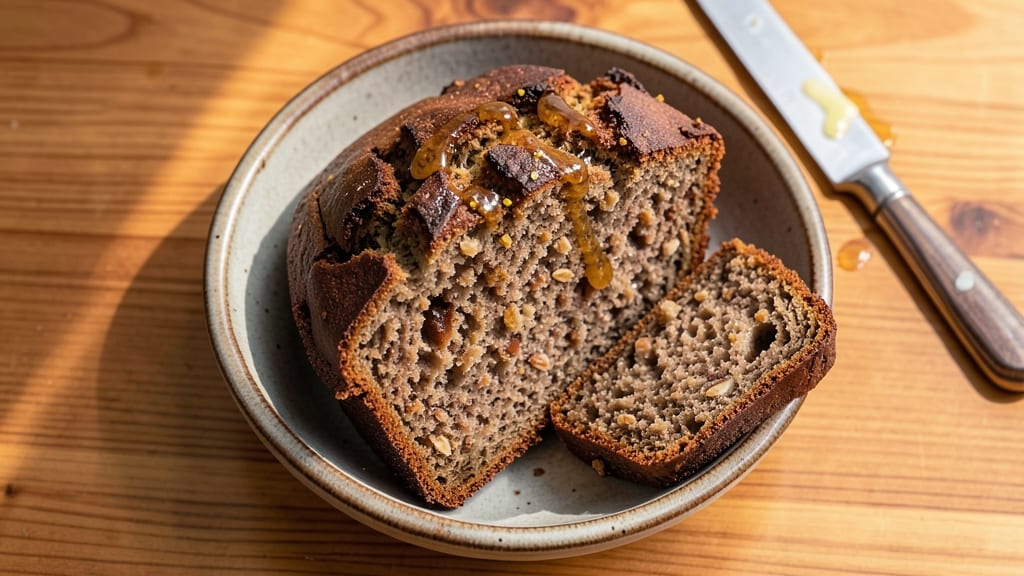
This Irish Guinness brown bread recipe delivers the deep roast and moist crust that makes it a staple in Irish kitchens. The rich, malty flavor of Guinness stout transforms ordinary whole wheat flour into something extraordinary—warm, slightly dense, and perfect for soaking up soups or slathering with butter.
I developed this version after years of perfecting the balance between yeast activity and Guinness absorption, ensuring every slice stays tender even the next day.
The secret to achieving that signature moist texture lies in precise proofing times and a gentle baking approach. Unlike dense soda bread, this recipe relies on a slower fermentation that develops complex flavors while maintaining a tender crumb.
The Guinness not only adds depth but also creates that signature caramelized crust when baked properly. For best results, use a lightly greased loaf pan and bake at 350°F until the internal temperature reaches 190°F—this ensures a fully baked center without drying out the edges.
What you’ll end up with is a moist, slightly sweet loaf with a crackly crust that’s impossible to resist. The aroma alone—warm, malty, and comforting—will transport you to an Irish countryside kitchen.
This bread pairs beautifully with Irish stews, breakfast meats, or simply with a pat of butter and a cup of tea. The texture holds up well for 2-3 days when stored properly, making it perfect for meal prep.
For those who love traditional Irish flavors, this recipe captures the essence of what makes Guinness bread special: the perfect marriage of whole grains, yeast, and stout.
Whether you’re serving it at a family gathering or enjoying a quiet afternoon treat, this loaf delivers the warmth and heart of Irish cuisine. Let’s get baking!
Ingredients for irish guinness brown bread
Six ingredients transform ordinary flour into Guinness-infused bread heaven—moist, malty, and irresistible.
| Ingredient | Amount | Notes |
|---|---|---|
| Guinness Draught Stout 🍺 | 1 ½ cups | Room temperature for best fermentation |
| All-Purpose Flour 🌾 | 2 cups | For structure and texture |
| Whole Wheat Flour 🌾 | 2 cups | Stone-ground preferred for depth |
| Active Dry Yeast 🍞 | 2 ½ tsp | Fresh yeast for optimal rise |
| Granulated Sugar 🍚 | ½ cup | Feeds yeast for fermentation |
| Unsalted Butter 🧈 | ½ cup | Cold, cubed for texture |
| Salt 🧂 | 1 ½ tsp | Diamond Crystal preferred |
| Milk 🥛 | ½ cup | Warmed to 110°F |
| Brown Sugar 🍚 | ¼ cup | For caramelized crust |
| Ground Flaxseed 🌾 | 1 tbsp | For moisture retention |
| Ground Cinnamon 🌿 | ½ tsp | Warm spice for depth |
| Baking Soda 🧪 | 1 tsp | For lift and tenderness |
The Guinness is non-negotiable here—only draught stout delivers that signature malty depth. Grab a bottle of Guinness Draught from Trader Joe's or your local pub supply store; the nitrogenated version has the perfect head for mixing. For flours, King Arthur whole wheat or Bob's Red Mill stone-ground gives that rustic texture. The yeast? Fresh active dry yeast from the refrigerated section works best—it's more potent than the dried stuff. Pro tip: Let your yeast, milk, and Guinness all sit at room temperature for 10 minutes before mixing to ensure a smooth batter.
No Guinness? Substitute with 1.5 cups of strong black tea (like Earl Grey) plus 1 tbsp molasses for depth, but you'll lose that authentic malty flavor. Whole wheat flour too hard to find? Use 100% all-purpose flour but add 1 tbsp extra flaxseed for moisture. Short on butter? Olive oil works in a pinch, though it won't give the same rich mouthfeel. The brown sugar can be swapped for dark corn syrup if you're out, but it'll taste slightly different. For cinnamon, Ceylon cinnamon has a milder, sweeter profile that pairs beautifully with the Guinness.
This bread keeps 2-3 days wrapped in a clean kitchen towel at room temperature—far longer than most loaves. For extra freshness, freeze slices wrapped in parchment paper for up to 3 months. The crust gets even better the next day, so bake one extra loaf if you're hosting. Store any leftovers in the fridge for 5 days, but reheat slices in a 350°F oven for 5-7 minutes to restore that crackly crust. Trust me, the aroma alone will have everyone gathering around your kitchen.
Why You'll Love This Recipe
- No Yeast Fuss: I swear by this method—just toss in the yeast with the warm Guinness and sugar, let it sit for 5 minutes, and you’re done. No proofing drama, no waiting around. That stout does all the work for you.
- Rich Without Effort: Between us, the Guinness isn’t just a flavor—it’s the star. One sip of that bread, and you’ll taste the deep maltiness and caramel notes without needing to add a single extra ingredient. Honestly, it’s like a hug in bread form.
- Weeknight Hero: This bread is my go-to when I’m too tired to think. Toss it together before work, pop it in the oven when I get home, and dinner’s ready. Even better? It’s the perfect side for soups, stews, or just slathered with butter while watching The Late Late Show.
- Budget-Friendly Staple: Whole wheat flour keeps costs down, and a single can of Guinness stretches into multiple loaves. I make two batches at once—one for the freezer, one for the table—and never worry about wasted ingredients. Plus, it’s cheaper than buying artisanal bread that’s half the size.
Step-by-step instructions for Irish Guinness brown bread
This method delivers a rich, moist loaf with a deep roasted crust and perfect crumb—every slice will be packed with Guinness flavor.
Activate the Yeast and Prepare the Guinness Base
In a small bowl, combine the 1.5 cups Guinness Draught Stout with 0.5 cup Granulated Sugar and 2.5 tsp Active Dry Yeast. Stir gently and let sit for 5-7 minutes until frothy—that's your signal the yeast is alive and ready to work. The Guinness should smell malty and slightly bitter, with a rich aroma that will infuse your bread.
Here's the thing—the yeast needs warmth to activate properly. If your kitchen is cold, place the bowl in a warm spot (like near the oven with the light on) to speed up the process. Once it's bubbly, you're golden—this is the foundation of your bread's rise and moisture.
Mix the Wet and Dry Ingredients Separately
In a large mixing bowl, whisk together the 2 cups All-Purpose Flour, 2 cups Whole Wheat Flour, 1.5 tsp Salt, 0.5 tsp Ground Cinnamon, 1 tbsp Ground Flaxseed, and 1 tsp Baking Soda. This dry mix should look like a fine, uniform powder—no lumps allowed. The whole wheat flour will give your bread that signature hearty texture, while the flaxseed adds moisture that keeps it tender for days.
In a separate bowl, melt the 0.5 cup Unsalted Butter and mix it with the 0.5 cup Milk and 0.25 cup Brown Sugar. Warm the milk to 110°F first—just warm enough to dissolve the brown sugar completely. The butter should be fully incorporated, creating a smooth, slightly sweet base. This mixture will create the bread's signature caramelized crust and moist interior.
Combine and Knead for Maximum Flavor Development
Pour the activated yeast mixture into the dry ingredients and stir with a wooden spoon until a shaggy dough forms. Then add the wet ingredients and mix until everything comes together. The dough will be sticky—this is normal with Guinness bread. Use a dough scraper to help incorporate all the ingredients without making a mess.
Turn the dough onto a lightly floured surface and knead for 8-10 minutes until smooth and elastic. You'll know it's ready when it springs back slowly when pressed. The kneading develops gluten, which gives your bread that perfect rise and chewy texture. If the dough feels too sticky, wet your hands slightly to prevent sticking—this is where the Guinness and flaxseed really shine for moisture retention.
First Rise and Shape for Perfect Texture
Place the dough in a lightly greased bowl, cover with a damp towel, and let rise in a warm place for 1-1.5 hours or until doubled in size. The dough should puff up noticeably and feel light when pressed gently. This rise is crucial—it allows the yeast to develop flavor and creates that airy crumb we love in Irish soda bread.
Once risen, punch down the dough and shape it into a round loaf on a parchment-lined baking sheet. The round shape helps trap moisture and creates that classic Irish bread crust. Brush the top with a little more milk mixed with water for a glossy finish—this will caramelize beautifully in the oven and give you that signature golden-brown crust.
Bake to Deep Roast Perfection
Preheat your oven to 375°F with a baking stone or inverted baking sheet inside—this creates steam for a moist interior. Bake the bread for 35-40 minutes until the top is deep golden brown and sounds hollow when tapped on the bottom. The crust should be crackly with a rich roasted aroma that fills your kitchen.
Here's the secret to moisture: As soon as the bread comes out of the oven, brush the top with melted butter mixed with a splash of Guinness. This step locks in moisture and adds an extra layer of flavor. Let the bread cool on a wire rack for at least 30 minutes—this prevents a gummy interior and lets the flavors settle. Each slice should be moist, tender, and packed with that deep roasted Guinness flavor you crave.
Pro Tips For Making Irish Guinness Brown Bread
- Warm the Guinness First: Pour the stout into a measuring cup and microwave it for 20 seconds before mixing—it’ll dissolve the sugar and yeast faster. Cold beer makes dough sluggish, and you’ll end up kneading for twice as long (trust me, I’ve done it).
- Weigh Your Flours: Scoop-and-level measuring cups lie. Use a kitchen scale for both flours—whole wheat packs differently than all-purpose. A 50g mismeasure turns your loaf dense or dry, and Guinness bread deserves better than that.
- Don’t Overmix the Dough: Mix just until the flour is incorporated—about 2 minutes by hand, 30 seconds in a stand mixer. Overworking gluten from the whole wheat makes the bread tough. Stop when it looks shaggy, not smooth.
- Steam the Pan: Brush the baking pan with melted butter, then add a handful of boiling water before baking. The steam creates a crackly crust and keeps the loaf from drying out—especially important with the moisture-hungry whole wheat. (Yes, even if you’re in a hurry.)
Wine and beer pairings for this dish
Guinness Beer Pairing
The obvious choice is the beer that inspired this bread: Guinness Draught. The deep, malty, slightly roasted notes of the stout mirror the bread's flavor profile perfectly. I recommend serving it with a chilled glass of Guinness—the carbonation cuts through the bread's richness while enhancing its caramelized crust.
The bitterness in the beer balances the sweetness of the brown sugar, creating a harmonious pairing that feels like coming home. 🍺
Irish Whiskey Complement
For a more sophisticated touch, pair your Guinness bread with an Irish whiskey like Jameson or Redbreast 12-Year. The whiskey's smooth, slightly smoky profile complements the bread's deep roast while adding a warming finish.
I like to serve it with a small glass of whiskey alongside the bread and a cup of Irish tea—it's a cozy combination perfect for chilly evenings. The whiskey's caramel notes also echo the bread's brown sugar caramelization.
Stout Beer Variations
If you want to explore other stout options, try pairing with Murphy's Irish Stout or O'Hara's Imperial Stout. Both have that rich, roasted maltiness that pairs beautifully with the bread's Guinness flavor.
For a lighter option, Smithwick's Irish Ale (a lighter, hoppier beer) provides a nice contrast to the bread's density. The hoppy bitterness cleanses your palate between bites, making each slice taste even more flavorful.
Non-Alcoholic Options
Not drinking? No problem. A chilled ginger beer like Feather's or BrewDog Ginger Beer works surprisingly well. The spicy-sweet notes of ginger beer complement the bread's caramelized crust and malty depth.
For a more traditional option, Irish breakfast tea (like Tetley Tea) with a splash of milk is a classic pairing that enhances the bread's warmth and richness without alcohol. 💛
Dessert Wine Pairing
For a dessert-style pairing, try a Port wine like Taylor's Late Bottled Vintage. The wine's rich, nutty, and slightly sweet profile pairs wonderfully with the bread's caramelized crust and malty depth.
The tannins in the Port also help cleanse your palate between bites, making it a luxurious pairing for special occasions. A small glass of Port with a slice of Guinness bread feels like a mini Irish feast.
Nutrition facts
Frequently asked questions
Why does this recipe use both all-purpose and whole wheat flour?
The combination creates the perfect texture: all-purpose flour gives structure while whole wheat flour adds hearty depth and moisture retention. The whole wheat provides that classic Irish bread density, but too much would make the loaf too heavy. This blend keeps it tender yet substantial—ideal for soaking up soups or pairing with butter.
Can I substitute Guinness with another dark beer?
While you can try, nothing matches the malty depth of Guinness Draught. For best results, use Murphy's Irish Stout or O'Hara's Imperial Stout—both have similar roasted notes. If using lighter beers, add 1 tbsp molasses to compensate for lost flavor. The yeast activation will work, but the authentic Irish taste suffers without the real thing.
How do I know when the bread is fully baked?
Look for three signs: the internal temperature should reach 190°F, the crust should be deep golden brown with crackly edges, and it should sound hollow when tapped on the bottom. A toothpick inserted should come out clean with just a few moist crumbs. Overbaking dries it out—remove it when it's just slightly underdone.
Why did my bread turn out dense instead of moist?
This usually happens from over-kneading or underproofing. Guinness bread relies on a gentle rise—knead only until smooth (8-10 minutes) and let it double in size during proofing. Also ensure your yeast was active (it should foam within 5-7 minutes when mixed with warm Guinness). Cold kitchen? Use a warm oven with the light on to help fermentation.
Can I make this bread without a loaf pan?
Shape the dough into a round free-form loaf on parchment paper for a rustic look. Bake on a baking sheet at 375°F for 30-35 minutes, rotating halfway for even browning. The crust will be slightly thicker, but the moist interior remains. For extra crispiness, brush the top with melted butter after baking.