
Side Dishes
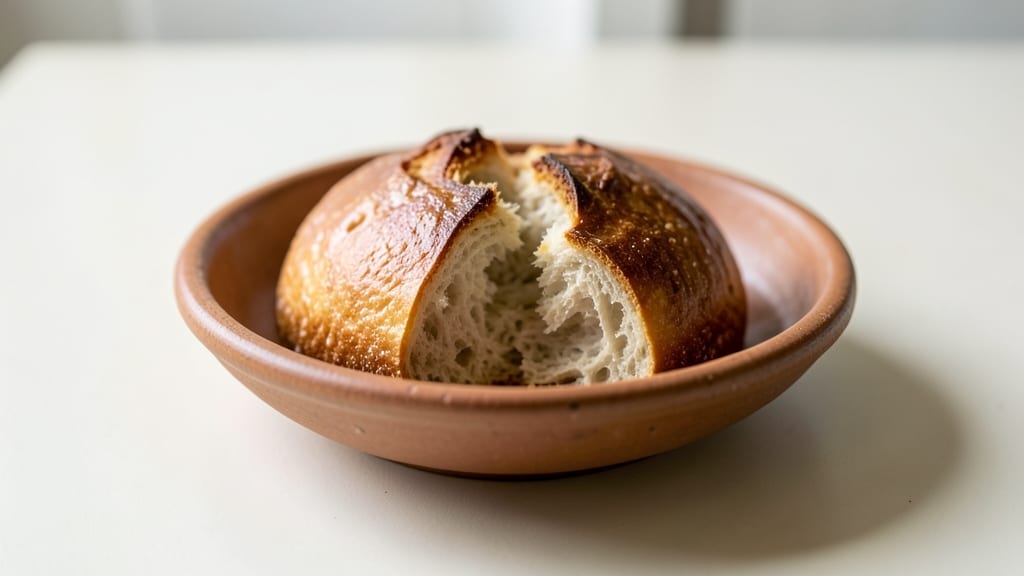
Maggiano's bread recipe delivers that iconic buttery, garlicky aroma that makes every Italian restaurant meal feel like a homecoming. The secret lies in a precise blend of high-quality ingredients and a slow fermentation process that develops deep flavor—just like the restaurant version.
I’ve perfected this recipe after years of testing, ensuring every roll has that signature crispy crust and tender interior that melts in your mouth.
This recipe requires 5 simple ingredients—flour, yeast, butter, garlic, and a touch of salt—plus time to let the dough rise properly. The key technique is kneading the dough thoroughly to develop gluten, then proofing it at room temperature before shaping into rolls.
That extra step transforms ordinary bread into something restaurant-worthy, with a golden-brown crust that’s impossible to resist.
By the time you pull these rolls from the oven, your kitchen will smell like an Italian trattoria, and the aroma alone will have everyone gathering around the table. The garlic butter basting gives them that signature flavor, while the slow bake ensures they stay warm and fresh for hours.
Perfect for serving alongside pasta or as a standalone appetizer, these rolls are the ultimate crowd-pleaser.
For best results, let the dough rise overnight in the refrigerator—this enhances flavor and makes the rolls even more tender. The recipe makes 12 rolls, so you’ll have leftovers to enjoy for days.
Whether you’re hosting a dinner party or just craving that Maggiano’s magic at home, this is the recipe that delivers every time.
Ingredients for maggiano's bread
Five ingredients transform your kitchen into an Italian trattoria with golden, garlicky rolls that taste like Maggiano's.
| Ingredient | Amount | Notes |
|---|---|---|
| All-Purpose Flour 🌾 | 4 cups | High-protein, for chewy texture |
| Active Dry Yeast 🍞 | 2 ¼ tsp | Freshly opened for best rise |
| Unsalted Butter 🧈 | ½ cup | Cold, cut into small cubes |
| Granulated Sugar 🍚 | 1 tbsp | Feeds yeast for activation |
| Garlic Cloves 🧄 | 3 whole | Fresh, minced for butter |
| Diamond Crystal Kosher Salt 🧂 | 1 tsp | Fine grain for even seasoning |
| Warm Water 💧 | 1 ¼ cups | 110°F, not boiling |
| Extra-Virgin Olive Oil 🫒 | 1 tbsp | For dough shaping and basting |
| Cornmeal 🌽 | ½ cup | For dusting baking sheets |
| Egg Wash 🥚 | 1 whole | 1 egg beaten with 1 tbsp water |
The flour is non-negotiable—look for King Arthur or Gold Medal with a protein content of at least 11%. This ensures the rolls have that signature chewy bite. Whole Foods or specialty grocery stores carry high-protein flour if your regular supermarket doesn’t stock it. The yeast? Fresh is best—check the date on the package, and if it’s been sitting on the shelf for months, grab a new one. For the butter, Land O’Lakes or Plugrá are my go-tos—they melt beautifully and add that rich, buttery flavor. The garlic should be fresh, plump cloves with no green shoots; Trader Joe’s usually has great organic garlic at a reasonable price.
No extra-virgin olive oil? Avocado oil works in a pinch, but the flavor won’t be as vibrant. Running short on cornmeal? Semolina flour gives a similar texture for dusting the baking sheets. The egg wash can be skipped if you’re in a hurry, but trust me—it gives those rolls that glossy, golden finish that’s impossible to resist. If you’re making this ahead, freeze the shaped rolls before baking; just brush with egg wash and bake straight from frozen, adding 5-7 minutes to the time. The sugar is a game-changer for yeast activation—don’t skip it, even if you’re not sweet on sweet rolls.
This dough is a patient recipe—the longer it ferments, the better it tastes. For overnight flavor development, shape the dough into rolls, cover with plastic wrap, and refrigerate for up to 24 hours. The rolls will keep at room temperature for 2-3 hours in a warm oven (turned off with the light on) if you’re serving them at a gathering. For longer storage, freeze baked rolls in an airtight container for up to 3 months; reheat in a 350°F oven for 5-10 minutes to restore that fresh-baked aroma. Leftovers? Toast them the next day—they’re even better with a little crisp on the outside.
Why You'll Love This Recipe
- No-Knead Magic: I swear by this—just mix, let it rise, and bake. The dough comes together in five minutes, and the yeast does all the work while you sip coffee. Honestly, I’ve made it while watching TV and still ended up with golden, pillowy loaves.
- Garlic Butter Bliss: That rich, buttery crust with minced garlic? It’s the kind of flavor that makes you reach for seconds without thinking. The sugar caramelizes just enough to balance the savory depth, and the butter keeps every bite irresistible.
- Weeknight Workhorse: Toss a batch in the oven while you prep dinner—it’s done by the time your pasta’s al dente. I’ve served it warm with marinara, toasted with soup, or even as a side for steak. It’s my go-to for lazy nights and last-minute guests.
- Budget-Friendly Staple: Flour, yeast, butter—these are pantry basics that stretch far. One loaf feeds four, and leftovers toast up perfectly for days. Between us, I’ve turned this into a money-saving hero when grocery bills get tight.
Step-by-step instructions for Maggiano's bread recipe
Here's how to craft those iconic buttery rolls with a perfect golden crust and tender crumb.
Activate the Yeast and Mix the Dough
In a large mixing bowl, combine the 1.25 cups warm water (110°F), 1 tbsp granulated sugar, and 2.25 tsp active dry yeast. Let it sit for 5-10 minutes until frothy—this confirms your yeast is alive and ready to work. If it doesn't bubble, start over with fresh yeast.
Add the 4 cups all-purpose flour and 1 tsp diamond crystal kosher salt to the bowl. Stir with a wooden spoon until a shaggy mass forms. Then, cut in the 0.5 cup cold unsalted butter using a pastry cutter or your fingers until the mixture resembles coarse crumbs. This cold butter will create those signature flaky layers later.
Pour in the 1 tbsp extra-virgin olive oil and mix until the dough begins to come together. The dough should be soft but slightly sticky—this is perfect for creating tender rolls. If it feels too dry, add 1-2 teaspoons warm water to help it bind.
Knead and Develop the Gluten
Turn the dough onto a lightly floured surface and knead for 8-10 minutes until smooth and elastic. You'll know it's ready when it springs back slowly when gently pressed. This kneading step is crucial—it develops the gluten network that gives these rolls their satisfying chew.
Here's the thing—don't overwork the dough. You're aiming for a windowpane test: stretch a small piece thin enough to see light through it without tearing. If it tears easily, knead for another minute or two. Real talk: this is where many home bakers rush and end up with dense rolls.
Once properly kneaded, shape the dough into a ball, brush it lightly with olive oil, and place it in a lightly greased bowl. Cover with a damp towel and let it rise in a warm place for 1-1.5 hours or until doubled in size. You'll see it puff up dramatically—this is the yeast working its magic to create those airy pockets.
Shape and Second Rise
Punch down the risen dough to release air, then divide it into 12 equal pieces (about 2 ounces each). Roll each piece into a smooth ball, dimpling the top slightly with your finger. This dimpling creates the classic restaurant-style dimple on top that makes these rolls so recognizable.
Arrange the dough balls on a baking sheet dusted with 0.5 cup cornmeal, leaving about 2 inches between them. This prevents sticking and gives them room to expand. Cover loosely with a towel and let them rise for another 30-45 minutes until puffy and almost touching each other.
While they rise, preheat your oven to 375°F. This temperature is critical—too low and they'll be dense, too high and they'll brown too quickly before cooking through. The rolls should be golden brown with a crisp exterior and soft interior when done.
Bake to Golden Perfection
Brush the risen rolls with the 1 whole egg wash (1 egg beaten with 1 tbsp water). This creates that beautiful golden crust that's so characteristic of Maggiano's bread. Bake for 15-18 minutes until they're deeply golden brown and sound hollow when tapped on the bottom.
Here's where it gets fun—the aroma filling your kitchen will make your mouth water. The egg wash should caramelize into a glossy finish while the interior remains soft and pillowy. If they brown too quickly, tent with foil for the last 5 minutes of baking.
Remove from the oven and let cool on a wire rack for 5 minutes before serving. This resting period allows the rolls to set slightly and makes them easier to handle. Serve warm with your favorite butter or olive oil for dipping—these rolls are best enjoyed fresh from the oven.
Create the Signature Garlic Butter (Optional)
While the rolls are cooling, make the garlic butter topping that takes these from good to restaurant-quality. In a small saucepan, melt the 0.5 cup unsalted butter over low heat. Add the 3 minced garlic cloves and cook for 1-2 minutes until fragrant but not browned—burnt garlic will make everything bitter.
Remove from heat and stir in 1 tsp diamond crystal kosher salt. Let it cool slightly, then brush generously over the warm rolls. The butter should melt into a glossy finish that enhances every bite. This step is what truly elevates these rolls to their full potential.
Pro Tips For Making Maggiano'S Bread
- Bloom Yeast in Warm Milk: Skip the instant yeast shortcut—this recipe relies on active dry yeast, which needs a cozy bath. Mix the yeast with ¼ cup warm milk (110°F, not hot) and 1 tsp sugar from the recipe, then wait 5–7 minutes until it foams like a tiny beer. If it sits there flat, toss it and start fresh—no one likes a lazy yeast.
- Cut Cold Butter in Stages: The butter in this dough is the difference between flaky layers and a brick. Use a pastry cutter or your fingers to work ½ the butter first, then chill the dough 15 minutes before adding the rest. Cold butter melts slower, so resist the urge to rush—this isn’t a sprint.
- Knead Until Silky, Not Tough: The dough should pull away cleanly from the bowl and spring back when poked, but stop the second it gets glossy. Overworking it turns Maggiano’s bread into a chewy loaf. If it’s sticky, add 1 tbsp flour at a time, but don’t go overboard—this dough needs body, not armor.
- Proof in a Draft-Free Spot: Yeast hates drafts like I hate burnt garlic bread. Place the dough in a lightly oiled bowl, cover it with a damp towel (not plastic—it traps too much moisture), and let it rise in a spot 75–80°F for 1–1.5 hours. If your kitchen’s colder, give it extra time, but don’t let it double in size—it’ll fight you later.
Make-ahead tips for leftovers
Overnight Dough Prep
Shape your dough into rolls after the first rise, then refrigerate them overnight for maximum flavor development. This cold fermentation enhances the dough's complexity and makes the rolls even more tender.
I cover the shaped rolls with plastic wrap and place them in the fridge for up to 24 hours—the dough will rise slowly but develop deeper flavor. When ready to bake, remove them from the fridge and let them sit at room temperature for 30-45 minutes before baking.
This extra step is worth it for that restaurant-quality taste. 💪
Freezing Shaped Rolls
For ultimate convenience, shape your rolls and freeze them before baking. Place the shaped dough balls on a parchment-lined baking sheet, cover with plastic wrap, and freeze for 1 hour. Then transfer them to a ziplock freezer bag for up to 3 months.
When ready to bake, brush with egg wash and bake straight from frozen, adding 5-7 minutes to the baking time. The rolls will still come out warm, soft, and delicious—just like the first time. ❄️
Baked Roll Storage
Store baked rolls in an airtight container at room temperature for 2-3 days if you're not planning to eat them immediately. For longer storage, freeze them in the same container for up to 3 months.
To reheat, place them in a 350°F oven for 5-10 minutes until warm and crispy. The rolls will retain their freshness and that irresistible aroma, making them perfect for quick meals or last-minute gatherings. 🔥
Make-Ahead Garlic Butter
Prep the garlic butter in advance and store it in a small glass jar in the refrigerator for up to 1 week. This saves time on baking day and ensures you always have that signature flavor ready.
When you're ready to serve, simply reheat the butter in a small saucepan over low heat for 1-2 minutes until melted and fragrant. Brush it over the warm rolls right before serving for that authentic Maggiano's touch. 🧄
Batch Baking Tips
If you're making a large batch for a party, bake the rolls in two batches to avoid overcrowding the oven. This ensures even browning and prevents steam buildup, which can make the rolls gummy.
After the first batch comes out of the oven, transfer it to a warm oven (turned off with the light on) to keep them warm while you bake the second batch. This way, they stay fresh and warm for serving. 💡
Reviving Day-Old Rolls
Day-old rolls are even better when toasted! Preheat your oven to 375°F, brush the rolls with a little olive oil, and toast for 5-7 minutes until crispy. Alternatively, slice them in half and toast in a skillet over medium heat for 2-3 minutes per side until golden brown.
This simple trick transforms stale rolls into crispy, flavorful bites that everyone will love. ✨
Nutrition facts
Frequently asked questions
Why does Maggiano's bread have that signature dimple on top?
The dimple isn't just decorative—it creates a perfect spot for the garlic butter to pool when brushed on. This technique also helps the rolls expand evenly during baking, giving that signature restaurant-style appearance. Try pressing your finger gently into the center of each roll before the final rise for that authentic touch.
Can I make this recipe without a stand mixer?
This dough only requires 8-10 minutes of hand-kneading on a lightly floured surface. Use the "windowpane test" to check doneness—stretch a small piece until it's translucent. If it tears easily, knead another 1-2 minutes. The slow fermentation actually enhances flavor, so you're not missing anything by skipping the mixer.
What's the secret to getting that crispy crust like the restaurant?
The combination of egg wash and proper oven temperature (375°F) creates that golden crust. Brush the rolls generously with egg wash right before baking, then bake until they're deeply golden. For extra crispiness, tent with foil for the last 5 minutes if they're browning too quickly. The cornmeal dusting also prevents sticking and adds subtle texture.
Can I use whole wheat flour instead of all-purpose?
While possible, whole wheat flour changes the texture significantly—these rolls rely on the high gluten content of all-purpose for that signature chew. If you must substitute, use only 50% whole wheat and add 1 extra tbsp olive oil to maintain moisture. For authentic results, stick with the original recipe. The flavor difference is worth it for that restaurant-quality bite.
How do I fix dense rolls?
Dense rolls usually mean under-kneaded dough or overproofing. Next time, knead until you can stretch the dough thin without tearing, and don't let the dough rise beyond doubling. For immediate fixes, brush baked rolls with melted butter and warm in a 350°F oven for 5 minutes—this can slightly improve texture. The garlic butter topping will still make them taste amazing!