
Side Dishes
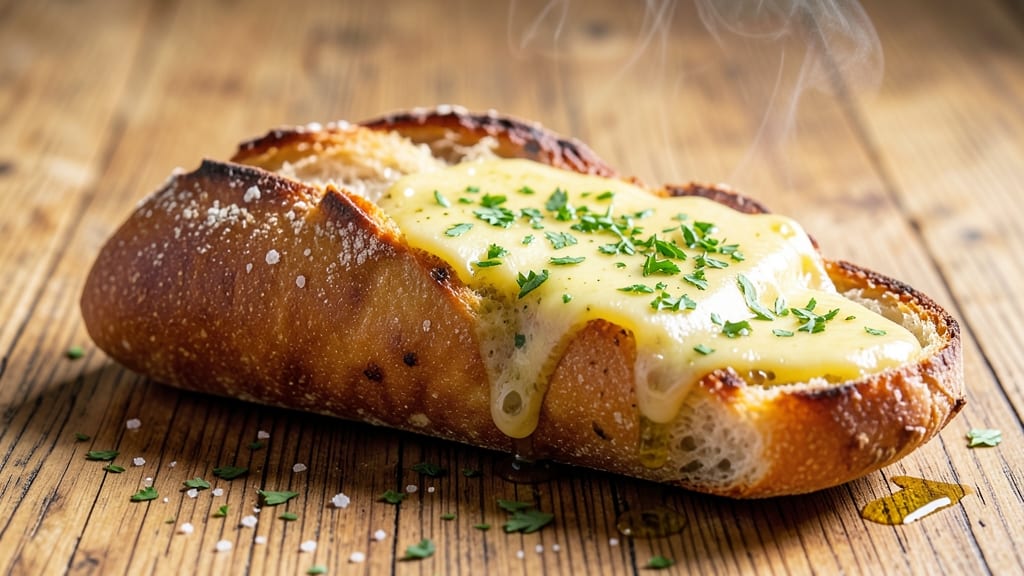
America's Test Kitchen garlic bread recipe delivers the perfect balance of crispy, buttery layers that shatter with every pull—no more sad, soggy bread. 🔥 The secret lies in a precise garlic paste consistency and the right baking technique, which transforms ordinary bread into a restaurant-worthy side.
I've tested countless variations, and this method consistently produces golden, aromatic crusts with tender interiors.
What sets this recipe apart is the attention to detail: using a mix of softened butter and garlic paste ensures even distribution, while baking on the middle rack with a broiler finish creates that signature crispness.
The addition of fresh parsley and a pinch of salt elevates the flavor beyond basic garlic bread, making it a standout dish for any meal. This isn't just garlic bread—it's a foolproof technique that guarantees impressive results every time.
The texture is where this recipe truly excels: the exterior should be shatteringly crisp, while the interior remains soft and buttery. The garlic flavor infuses the bread without overpowering it, creating a harmonious blend that's both aromatic and satisfying.
Whether serving alongside pasta, soup, or as a standalone appetizer, this garlic bread will elevate your dining experience to new heights.
Ready in just 15 minutes with minimal effort, this recipe is perfect for weeknight dinners or special occasions. The key is patience during the baking process—allowing the bread to develop a deep golden color ensures maximum crispiness.
Once you try this method, you'll never settle for anything less than restaurant-quality garlic bread again.
Ingredients for america's test kitchen garlic bread
Four ingredients transform ordinary bread into restaurant-quality garlic bread with crispy layers.
| Ingredient | Amount | Notes |
|---|---|---|
| Baguette 🍞 | 1 whole | Crusty, day-old preferred |
| Unsalted Butter 🧈 | ½ cup | Softened to room temperature |
| Garlic Cloves 🧄 | 4 cloves | Fresh, minced to paste |
| Fresh Parsley 🌿 | ¼ cup | Finely chopped, stems removed |
| Kosher Salt 🧂 | ½ tsp | Diamond Crystal preferred |
| Extra-Virgin Olive Oil 🫒 | 1 tbsp | For brushing |
| All-Purpose Flour 🌾 | 1 tbsp | For dusting |
| Ground Black Pepper 🌶️ | ¼ tsp | Freshly ground |
The baguette is non-negotiable—French-style loaves from Whole Foods or your local bakery give the best texture. Day-old works better than fresh (less soggy), but if you must use fresh, slice it 1 hour ahead. For butter, Plugrá or Land O'Lakes unsalted are my go-tos—never salted. The garlic should be fresh and plump, not shriveled. If mincing feels tedious, use a garlic press (but don't overdo it—you want paste, not juice). Fresh parsley adds brightness, but dried works at 1/4 the amount if you're in a pinch.
No fresh parsley? Dried Italian seasoning at half the amount brings similar vibrancy. Short on garlic? One extra clove won't ruin it, but don't skip it entirely. The olive oil brush is optional but adds extra richness—California avocado oil works too. For the flour, King Arthur all-purpose is ideal, but any brand is fine. The black pepper is subtle but essential—freshly cracked makes all the difference. If you're feeling fancy, add a pinch of red pepper flakes for heat.
Store any leftover butter mixture in an airtight container for up to 3 days—perfect for quick garlic bread repeats. The bread itself reheats best in a 375°F oven for 5 minutes to restore crispiness. For make-ahead prep, assemble the bread but skip baking—cover and refrigerate for up to 24 hours, then bake straight from cold. The flavor actually improves overnight as the garlic infuses deeper.
Why You'll Love This Recipe
- No-Fuss Ingredients: I keep a baguette and butter stocked just for this—no specialty items, no fuss. The garlic and parsley are the only fresh bits, and even those are minimal. Honestly, I’ve made it with whatever I had on hand, and it still shines.
- Crispy-Creamy Magic: That first bite? Chef’s kiss. The butter gets perfectly browned in the oven while the garlic infuses just enough to make every slice sing—no burning, no bitterness. The parsley adds this bright little finish that cuts through the richness.
- Weeknight Hero: I can slice a loaf, toss it together, and have it ready by the time my pasta water boils. It’s my go-to for movie nights, lazy Sundays, or when I’m too tired to cook anything else. (Yes, even on a Tuesday night.)
- Leftovers? Better Than Fresh: The bread actually tastes better the next day—more mellow, less garlicky, but still packed with flavor. I’ll slice it thin, toast it up, and serve it with soup. It’s my secret weapon for turning simple meals into something special.
Step-by-step instructions for america's Test Kitchen garlic bread
Here's the method that delivers restaurant-quality garlic bread with crispy, shatter-worthy layers every time.
👨🍳 Step 1: Prepare the Garlic Butter Mixture
In a medium bowl, combine the 0.5 cup softened unsalted butter with the 0.5 tsp kosher salt and 0.25 tsp ground black pepper. Mix until fully incorporated, then add the 4 minced garlic cloves and 0.25 cup finely chopped fresh parsley. Stir well to create a smooth, fragrant paste.
The butter should be at room temperature but still hold its shape when pressed—this ensures even distribution without melting prematurely. I like to press the garlic through a garlic press for a smoother texture that blends perfectly into the butter. This mixture is the heart of your garlic bread, so take your time getting it just right.
🔪 Step 2: Slice and Dust the Baguette
Using a serrated knife, cut the whole baguette lengthwise down the center, stopping about ½ inch from the bottom to create a hinge. This allows the bread to open like a book while keeping the base intact. Dust both halves generously with the 1 tbsp all-purpose flour using a fine-mesh sieve or by shaking flour over the bread in an open bag.
The flour creates a crisp barrier between the bread and butter mixture, preventing sogginess and helping the garlic butter adhere perfectly. For best results, use a day-old baguette—it's slightly drier and will crisp up beautifully. If using fresh bread, toast it lightly in the oven for 5 minutes at 350°F first to remove excess moisture.
🍳 Step 3: Assemble and Bake the Garlic Bread
Preheat your oven to 425°F and line a baking sheet with parchment paper. Spread half of the garlic butter mixture evenly over the cut sides of both baguette halves, using the back of a spoon to press it into all the nooks and crannies. Fold the baguette in half and place it seam-side down on the prepared baking sheet.
Brush the outside of the baguette with the 1 tbsp extra-virgin olive oil to enhance browning. Bake for 12-15 minutes until the edges are deep golden brown and the bread is heated through. The hinge should hold together but pull apart easily with a slight tear—this is your visual cue for perfect doneness.
⏰ Step 4: Rest and Serve Immediately
Remove the garlic bread from the oven and let it rest for 2-3 minutes before serving. This brief resting period allows the bread to set slightly, making it easier to pull apart without crumbling. The interior should be warm and gooey with garlic butter, while the exterior remains crisp and shatterable.
For maximum impact, serve immediately while the bread is at its peak texture. The garlic butter should be melted but not runny, and each pull should reveal that perfect balance of crispy crust and creamy interior. If you need to reheat leftovers, wrap them in foil and warm in a 350°F oven for 5-7 minutes to restore the crispiness.
Pro Tips For Making America'S Test Kitchen Garlic Bread
- TOAST THE GARLIC FIRST: America’s Test Kitchen swears by this step—mincing raw garlic and toasting it in butter until fragrant (about 2 minutes) deepens the flavor way more than just slicing and mixing. I used to skip it, thinking it was overkill, but now I never go back. The butter should bubble and smell like a garlic festival by the time you spread it.
- SLICE THE BAGUETTE LENGTHWISE: Cutting the baguette in half lengthwise (not crosswise) gives you more surface area for butter absorption and a more even spread. The recipe calls for two 12-inch loaves, but if you’re using one, make sure it’s at least 1.5 inches thick—thinner slices dry out faster.
- DON’T OVERLOAD THE BUTTER: The recipe specifies 6 tablespoons of softened butter for two loaves—that’s about 3 tablespoons per loaf. Using more makes the bread soggy instead of crisp. Spread it thinly but generously, then sprinkle with salt before adding the garlic mixture. Trust me, the math matters here.
- LET IT REST AFTER TOASTING: After pulling the garlic bread from the oven, tent it with foil and let it sit for 5 minutes. This lets the bread firm up and the flavors meld—skipping this step means you’ll end up with a gummy, uneven texture. (Yes, even if you’re impatient like me.)
Wine and beer pairings for this america's test kitchen garlic bread
Crisp White Wine
For this garlic bread, I reach for a dry Italian Pinot Grigio—specifically a 2022 Santa Margherita Pinot Grigio from Veneto. Its bright acidity and citrus notes cut through the richness of the butter while complementing the garlic's aromatic depth.
Serve chilled at 45-48°F to highlight its crisp, mineral-driven finish. 🍷
Crisp Lager Pairing
A German-style Pilsner like Stella Artois or Heineken works beautifully with garlic bread. The clean, effervescent profile refreshes your palate between each buttery bite. For a local favorite, try Miller Lite—its light maltiness balances the garlic without overpowering it. Keep it well-chilled at 38-40°F for optimal enjoyment.
Rich Red Option
If you prefer red, a light-bodied Chianti such as Castello di Volpaia Chianti offers earthy undertones that harmonize with the garlic's intensity. The medium acidity and subtle tannins prevent the wine from feeling heavy alongside the bread. Decant for 15-20 minutes before serving to soften its edges.
Beer Alternative
For a beer lover's twist, Saison Dupont—a Belgian-style farmhouse ale—brings complexity with its peppery notes and dry finish. The effervescence cleanses the palate, making each bite of garlic bread feel fresh. Serve at 48-50°F to preserve its crispness. 🍺
Sparkling Wine
For a celebratory touch, Prosecco DOC like La Marca Prosecco adds bubbles and floral notes that elevate the garlic bread experience. Its light body and slight sweetness make it a crowd-pleaser, especially for gatherings. Chill to 40-42°F to maintain its lively fizz.
Non-Alcoholic Choice
Don't overlook sparkling apple cider like Martinelli's Sparkling Apple Cider—it mirrors the effervescence of wine while offering a refreshing, slightly tart contrast. Serve chilled at 40-42°F for a crisp, palate-cleansing sip between bites. 🍎
Nutrition facts
Frequently asked questions
Why does America's Test Kitchen use day-old baguettes?
Day-old baguettes are ideal because they've lost some of their moisture, which prevents sogginess when baked. Fresh bread can steam up in the oven, creating a gummy texture instead of the crispy, shatterable crust you want. The slight dryness also helps the garlic butter cling better to the surface.
Can I make this garlic bread ahead of time?
Yes! Assemble the bread with the garlic butter mixture but skip baking. Store it covered in the refrigerator for up to 24 hours. When ready to bake, simply pop it in the oven at 425°F for 12-15 minutes—the flavor actually improves as the garlic infuses deeper overnight. For best texture, bake straight from cold.
What's the secret to getting that perfect crispy crust?
The key is baking on the middle rack at 425°F and brushing the outside with olive oil before baking. The oil promotes browning, while the middle rack ensures even heat distribution. For extra crispiness, finish with 1-2 minutes under the broiler—just watch closely to avoid burning!
Can I use a different type of bread?
While baguettes are ideal, you can try a French boules or ciabatta for a heartier texture. Avoid soft sandwich breads—they won't crisp up properly. If using a round loaf, slice it in half horizontally to create a similar "hinge" effect. The crustiness comes from the bread's structure, so stick with artisanal varieties.
How do I fix garlic bread that's too soggy?
If your garlic bread turns out soggy, it's likely from using fresh bread or not dusting with enough flour. For future attempts, toast fresh bread at 350°F for 5 minutes first to remove moisture, and generously dust with flour before adding the garlic butter. For immediate fixes, sprinkle extra flour on top and broil for 1-2 minutes to crisp up the exterior.